
Why Filmmakers Are Reevaluating Digital Asset Management in 2025: An Examination of New Cloud-Based Studios
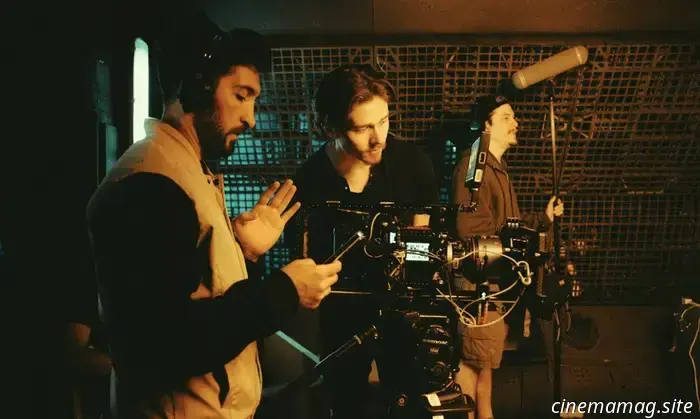
The film industry is currently undergoing one of its most significant technological shifts in decades, driven by the swift growth of cloud-based workflows and the increasing amount of digital media produced during filming. As studios embrace fully remote, hybrid, and multi-location configurations, filmmakers are reevaluating how they store, monitor, and transfer their footage. Many are now opting for sophisticated video asset management systems to simplify the increasingly intricate flow of dailies, rough cuts, visual effects plates, and final masters. By 2025, cloud-based studios are redefining the norms of efficient production and transforming the expectations for post-production teams globally.
Increasing Media Volumes Strain Traditional Workflows
Contemporary productions generate vast quantities of data. High-resolution formats like 6K, 8K, and RAW sequences can yield terabytes of footage in a single day of shooting. With multi-camera setups becoming the norm, editors and colorists encounter growing difficulties in swiftly accessing footage while maintaining version control among distributed teams.
Industry experts claim that the transition towards cloud-based management is now essential. Research from the National Institute of Standards and Technology indicates that remote media workflows are rapidly increasing as studios seek more effective and reliable methods to support distributed production environments.
Remote Collaboration Becomes the Norm
Since 2020, remote collaboration has shifted from a temporary solution to a permanent production model. By 2025, post-production teams are increasingly collaborating across continents using centralized cloud libraries that preserve metadata, manage permissions, and track revisions, all of which are crucial for maintaining consistency among large teams.
Cloud-based workflows minimize communication delays, prevent redundancy, and ensure that all collaborators—editors, directors, sound teams, and VFX artists—operate within the same asset ecosystem. These systems also assist studios in upholding file-naming standards and organizing footage to avoid confusion during tight deadlines.
Faster Access and Review Cycles Transform Daily Operations
One of the most significant changes is the rapidity with which teams can review footage. Cloud-native pipelines enable dailies to be uploaded directly from the set, allowing editors and producers to access them within minutes instead of hours.
VFX teams also gain earlier access to plates and metadata, allowing them to identify necessary elements and initiate preliminary work sooner. This is particularly advantageous for productions with intricate effects or tight release schedules, where even minor time savings lead to substantial workflow efficiency.
Metadata Becomes Integral to Modern Filmmaking
Metadata has become central to production workflows. With comprehensive tags such as camera type, scene number, take, lens specifics, and lighting notes, teams can locate specific clips without the need to sift through numerous folders.
Cloud-based ingestion guarantees that metadata is preserved and accessible throughout the production process. This helps filmmakers maintain continuity, refine edits over extended production periods, and avert costly mistakes caused by mislabeled or misplaced footage.
Automating Support for Multi-Format Deliverables
Streaming platforms mandate numerous versions of each finished film: theatrical releases, HDR and SDR masters, airline edits, broadcast versions, and multiple language adaptations. Digital asset management systems automatically create variations or direct footage into workflow-specific pipelines, alleviating one of the most labor-intensive aspects of post-production.
The emergence of sophisticated video infrastructure solutions further supports this process, allowing teams to manage high-volume transcodes, automate quality checks, and adapt large media files for global distribution.
Security Remains a Key Concern
Security is a crucial aspect of cloud migration. Studios must protect pre-release footage while ensuring accessibility for large remote teams. Cloud-based systems offer detailed user controls, encrypted transfers, and continuous monitoring—vital safeguards in an industry where leaks can result in significant financial repercussions.
File-access logs and content watermarking further secure sensitive material, minimizing risks tied to sending physical drives between vendors.
AI Starts Enhancing Asset and Workflow Management
Artificial intelligence is becoming increasingly integrated into modern workflows. AI tools now assist with:
• automatic tagging of characters and scenes
• identifying the best takes using audio and facial analysis
• automated transcription for documentary material
• continuity checks across extended shooting periods
These functions allow editors and assistants to focus more on creative decisions rather than tedious organizational tasks.
A More Sustainable Production Model
Cloud-driven media pipelines diminish the need for physical drive shipments and unnecessary hardware purchases. This not only cuts costs but also significantly reduces environmental impact, an increasingly important goal for studios pursuing eco-friendly production practices.
Productions operating across multiple countries also experience reduced travel and transport requirements related to physical file delivery.
Independent Filmmakers Access Scalable Tools
Advanced media workflows are no longer solely available to major studios. Affordable cloud options, pay-as-you-go media processing, and streamlined collaboration tools now empower independent filmmakers to utilize infrastructures similar to those of Hollywood productions.
This democratization of technology permits smaller teams to maintain organized, professional-grade workflows without large budgets or dedicated technical staff.
The Future: Fully Integrated Cloud-Based Filmmaking
As the industry delves deeper into cloud adoption, filmmakers are constructing end-to-end workflows that encompass camera ingestion, storage, metadata management, review

Other articles
 Mother Mary Trailer: David Lowery Comes Back with a Pop Melodrama Featuring Anne Hathaway and Michaela Coel
Reuniting with A24 following A Ghost Story and The Green Knight, writer-director David Lowery is set to release Mother Mary next year, an ambitious pop melodrama starring Anne Hathaway, Michaela Coel, Hunter Schafer, Jessica Brown Findlay, Sian Clifford, and FKA Twigs. The film includes original music from Charli XCX, Jack Antonoff, and FKA Twigs, and A24 has now
Mother Mary Trailer: David Lowery Comes Back with a Pop Melodrama Featuring Anne Hathaway and Michaela Coel
Reuniting with A24 following A Ghost Story and The Green Knight, writer-director David Lowery is set to release Mother Mary next year, an ambitious pop melodrama starring Anne Hathaway, Michaela Coel, Hunter Schafer, Jessica Brown Findlay, Sian Clifford, and FKA Twigs. The film includes original music from Charli XCX, Jack Antonoff, and FKA Twigs, and A24 has now
.jpg) Film Review – Primitive War (2025)
Primitive War, 2025. Directed by Luke Sparke. Featuring Ryan Kwanten, Jeremy Piven, Tricia Helfer, Nick Wechsler, Anthony Ingruber, Aaron Glenane, Carlos Sanson Jr., Ana Thu Nguyen, Albert Mwangi, Adolp…
Film Review – Primitive War (2025)
Primitive War, 2025. Directed by Luke Sparke. Featuring Ryan Kwanten, Jeremy Piven, Tricia Helfer, Nick Wechsler, Anthony Ingruber, Aaron Glenane, Carlos Sanson Jr., Ana Thu Nguyen, Albert Mwangi, Adolp…
 The Top Directorial Debuts of 2025
While we strive to cover a diverse range of films annually, nothing brings us greater joy than the emergence of bold new voices. That's why we attend festivals and examine numerous features that may unveil some budding talent. This year was particularly significant for
The Top Directorial Debuts of 2025
While we strive to cover a diverse range of films annually, nothing brings us greater joy than the emergence of bold new voices. That's why we attend festivals and examine numerous features that may unveil some budding talent. This year was particularly significant for
 Marty Supreme Review: Timothée Chalamet Achieves New Heights in Josh Safdie’s Dynamic Drama
The introductory credits of Marty Supreme showcase vintage animation depicting a sperm fertilizing an enormous egg. Accompanied by Alphaville's "Forever Young" playing in the background, the massive fertilized egg ultimately morphs into a ping pong ball soaring across a table's net. The individual striking the ball, and the holder of the triumphant spermatozoon, is
Marty Supreme Review: Timothée Chalamet Achieves New Heights in Josh Safdie’s Dynamic Drama
The introductory credits of Marty Supreme showcase vintage animation depicting a sperm fertilizing an enormous egg. Accompanied by Alphaville's "Forever Young" playing in the background, the massive fertilized egg ultimately morphs into a ping pong ball soaring across a table's net. The individual striking the ball, and the holder of the triumphant spermatozoon, is
Why Filmmakers Are Reevaluating Digital Asset Management in 2025: An Examination of New Cloud-Based Studios
The film industry is undergoing one of its most crucial technical changes in decades, propelled by the swift growth of cloud-based workflows and the