

12 Timeless Films from the 1940s That Remain Enjoyable to View
These iconic films from the 1940s have aged remarkably well over the years. Despite their imperfections, they delve into aspects of human nature that remain unchanged, perhaps even providing reassurance that some things persist despite modern challenges.
A note of caution: Even the most progressive films from the 1940s feature portrayals that may seem outdated and stereotypical by today’s standards; however, contemporary audiences likely viewed them as a general reflection of reality at that time.
Many of these classic films indeed reflect different societal expectations of men and women. Yet, the best among them — such as Notorious, one of our all-time favorites — cleverly subvert those expectations.
With that in mind, here are the films.
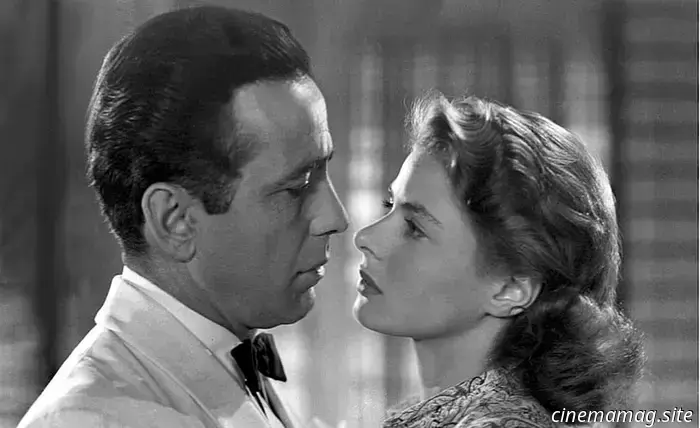
**Casablanca (1942)**
Warner Bros.
When people express their fondness for classic films from the 1940s, this is likely one of the titles they envision most.
Ingrid Bergman, who also features later in Notorious, shines as Ilsa Lund, a woman caught between love and her commitment to fighting fascism. Humphrey Bogart delivers an outstanding performance as her former lover Rick.
However, Casablanca is a film where every individual involved shines, from director Michael Curtiz to writers Howard Koch and Julius and Philip Epstein. Everyone has their favorite scene, but ours might just be, as you may have anticipated, “I’m shocked, shocked.”
The treatment of Sam, the Black piano player in the film, may not be ideal, but it is certainly better than the portrayal of other Black characters in 1940s cinema. Sam is a likable, immensely talented character and undeniably one of the good guys.
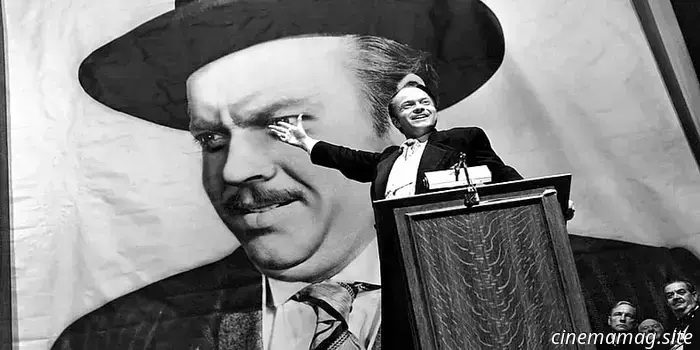
**Citizen Kane (1941)**
RKO Radio Pictures – Credit: RKO Pictures
Often regarded as one of the greatest films ever made, Orson Welles’ Citizen Kane reinterprets the life of real media mogul William Randolph Hearst, who despised it so much that he attempted to limit its release and influence.
A powerful figure seeking to use his wealth and the law to suppress criticism? To quote another film on this list: “I’m shocked, shocked.”
If you find yourself slightly bored during the more reflective segments, just remember that Orson Welles released this masterpiece at the age of 26 and ponder how he managed to achieve that feat.
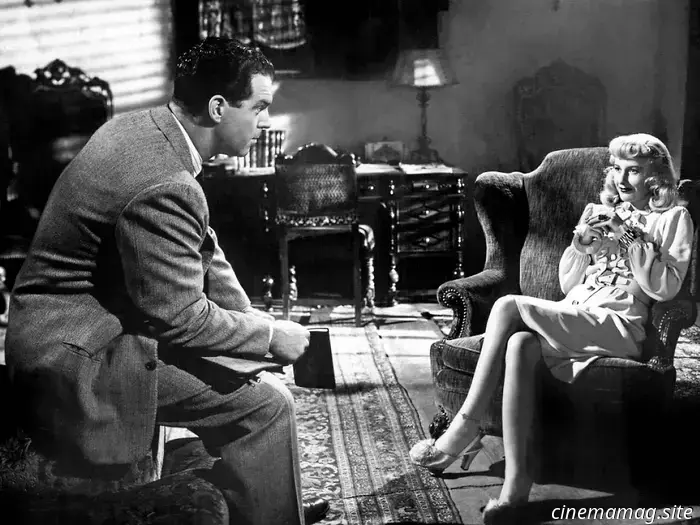
**Double Indemnity (1944)**
Paramount Pictures
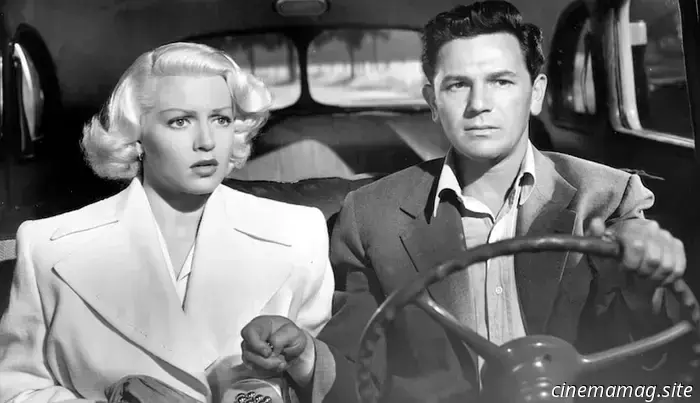
This noir film is the most entertaining movie ever made about insurance. It sizzles in scenes like the anklet scene — also known as the “how fast was I going” moment — featuring Fred MacMurray as an insurance agent and Barbara Stanwyck as a scheming client.
The pace never rushes, which in an odd way makes it even more seductively captivating. It inspired numerous (often color) films, including the highly regarded Body Heat from 1981, yet we still prefer the version from the ’40s.
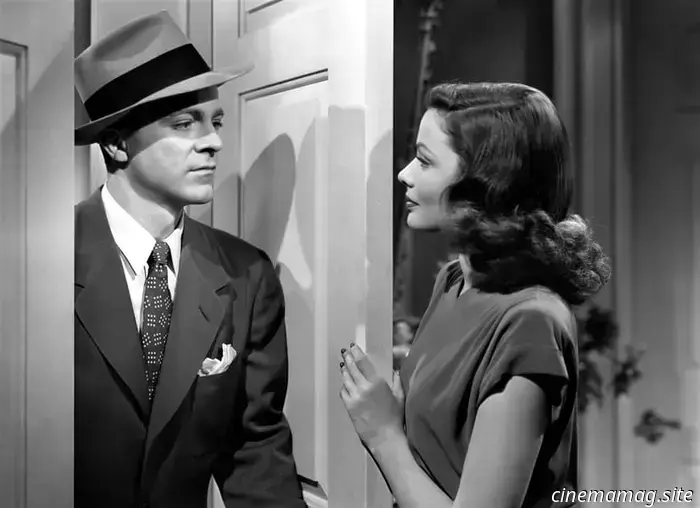
**Laura (1944)**
20th Century Fox
Laura could easily be reimagined today as an incel horror film or a #MeToo narrative. It centers around a young, beautiful, talented executive, Laura Hunt (Gene Tierney), who is discovered murdered outside her apartment.
Her story is narrated by columnist Waldo Lydecker (Clifton Webb), who became her friend and attempted to use his connections to assist her. Would you believe that older men offering to pull strings for attractive younger women — and anticipating something in return — is not just a recent occurrence?
However, with this premise, the twists are only just beginning in Laura, which, against its grim backdrop — spoiler alert — culminates in a happy ending.
**The Lost Weekend (1945)**
Paramount Pictures
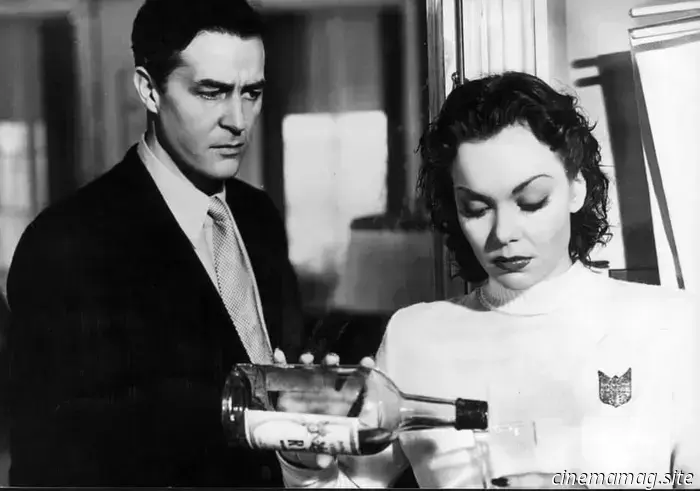
This film noir, directed by Billy Wilder, offers a stark, empathetic depiction of addiction and is based on Charles R. Jackson’s novel influenced by his own battles with alcoholism.
Featuring Ray Milland and Jane Wyman, it presents a candid and gripping examination of talent squandered by alcoholism, serving as a model for countless addiction dramas that followed.
Its brilliance was acknowledged during its release; it is among only three films — along with 1955’s Marty and 2019’s Parasite — to win both the Oscar for Best Picture and the Grand Prix at the Cannes Film Festival, sharing the Grand Prix at its inaugural Cannes with ten other films.
**Christmas in Connecticut (1945)**
Warner Bros.
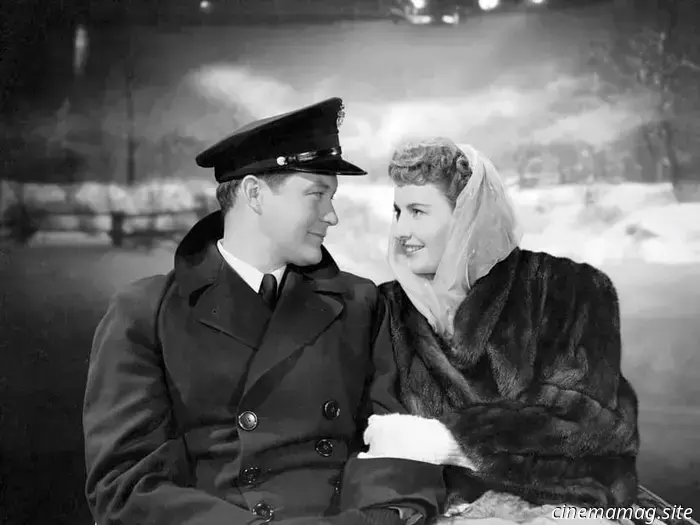
You may have encountered numerous contemporary films or shows (or TikToks?) about influencers who pretend to lead perfect lives while being quite different behind the scenes. They all owe a nod to Elizabeth Lane, the lead character in Christmas in Connecticut, portrayed by Barbara Stanwyck in a role quite different from her part in Double Indemnity.
Lane is a magazine writer who falsely claims to live on a perfectly manicured farm in Connecticut, celebrated for her recipes and narratives of family life. In reality, she


Other articles
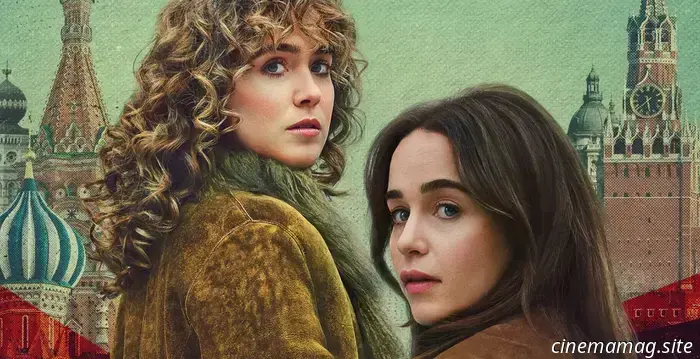 Haley Lu Richardson and Emilia Clarke are the CIA's most closely guarded secrets in Ponies.
Peacock has officially released a poster, trailer, and images for its forthcoming female-led spy series Ponies, which is set to premiere in January. The series was created by Susanna Fogel and David Iserson.
Haley Lu Richardson and Emilia Clarke are the CIA's most closely guarded secrets in Ponies.
Peacock has officially released a poster, trailer, and images for its forthcoming female-led spy series Ponies, which is set to premiere in January. The series was created by Susanna Fogel and David Iserson.
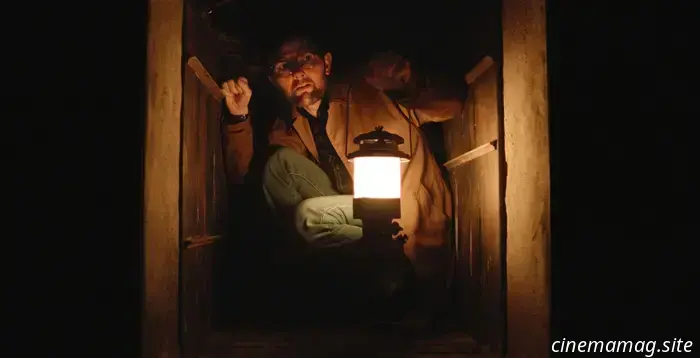 Criterion has rescued another auteur film from the peculiar realm of streaming exclusivity, announcing a March 2026 release date for Martin Scorsese's Killers of the Flower Moon. It will undoubtedly look superior on their 4K disc compared to even the most stable stream on Apple TV+. While a wide release of this two-year-old film, featuring Leonardo DiCaprio and Robert De Niro, is not in immediate danger, when I inquired with Rodrigo Prieto about a physical release, the film's cinematographer could only reply, "I don't know." In short, I'm looking forward to watching Killers in the best possible condition.
March will also see the release of 4K versions of Tsui Hark's The Blade, Claude Sautet's Classe tous risques, and an upgraded edition of Luis Buñuel's Viridiana. Additionally, there will be Blu-rays of Claude Lelouch's A Man and a Woman, a personal favorite of Mort Rifkin, and Lynne Littman's Testament.
See the artwork below and more at Criterion:
Neon has released the initial teaser trailer for Hokum, the forthcoming supernatural horror film by writer-director Damian McCarthy. The story centers on Ohm (Adam Scott), a solitary novelist who journeys to Ireland…
Criterion has rescued another auteur film from the peculiar realm of streaming exclusivity, announcing a March 2026 release date for Martin Scorsese's Killers of the Flower Moon. It will undoubtedly look superior on their 4K disc compared to even the most stable stream on Apple TV+. While a wide release of this two-year-old film, featuring Leonardo DiCaprio and Robert De Niro, is not in immediate danger, when I inquired with Rodrigo Prieto about a physical release, the film's cinematographer could only reply, "I don't know." In short, I'm looking forward to watching Killers in the best possible condition.
March will also see the release of 4K versions of Tsui Hark's The Blade, Claude Sautet's Classe tous risques, and an upgraded edition of Luis Buñuel's Viridiana. Additionally, there will be Blu-rays of Claude Lelouch's A Man and a Woman, a personal favorite of Mort Rifkin, and Lynne Littman's Testament.
See the artwork below and more at Criterion:
Neon has released the initial teaser trailer for Hokum, the forthcoming supernatural horror film by writer-director Damian McCarthy. The story centers on Ohm (Adam Scott), a solitary novelist who journeys to Ireland…
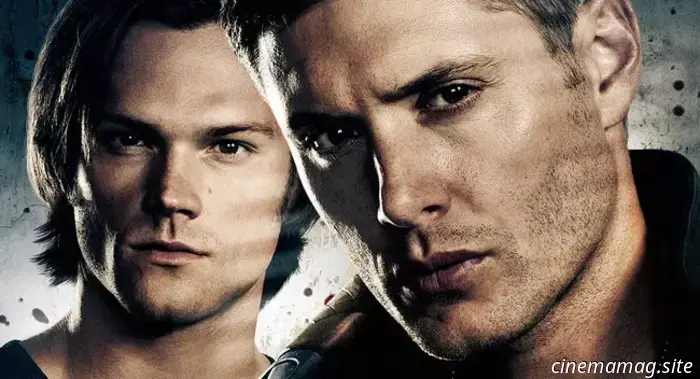 Comic Book Sneak Peek – Supernatural #3
Dynamite Entertainment will release Supernatural #3 on Wednesday, and you can check out the official preview of the issue below… Sam and Dean arrive in a small town in Massachusetts, w…
Comic Book Sneak Peek – Supernatural #3
Dynamite Entertainment will release Supernatural #3 on Wednesday, and you can check out the official preview of the issue below… Sam and Dean arrive in a small town in Massachusetts, w…
 As Martin Scorsese famously stated, “Music and cinema naturally complement each other. There’s an inherent musicality in how moving images come together. It has been suggested that cinema and music share a close relationship as art forms, and I believe that’s accurate.” The right musical piece––whether it’s an original score or a thoughtfully chosen song––can significantly enhance a scene, and today we are highlighting the 25 films that best demonstrated this idea in 2025.
From experienced composers to talented musicians, along with a variety of soundtracks, each transport us beautifully. Check out our list of the top 25, which includes links to each soundtrack in its entirety where possible. We’ve credited the primary composers, but our selections feature soundtracks from multiple artists as well.
25. Anemone (Bobby Krlic)
24. Harvest (Caleb Landry Jones, Nicolas Becker, and Ian Hassett)
23. Die My Love (George Vjestica)
22. The Smashing Machine (Nala Sinephro)
21. Happyend (Lia Ouyang Rusli)
20. The Mastermind (Rob Mazurek)
19. Grand Tour (Various)
18. Black Bag (David Holmes)
17. Weapons (Ryan Holladay, Hays Holladay, and Zach Cregger)
16. Sister Midnight (Paul Banks)
15. Bugonia (Jerskin Fendrix)
14. The Shrouds (Howard Shore)
13. Eddington (Bobby Krlic and Daniel Pemberton)
12. 28 Years Later (Young Fathers)
11. Highest 2 Lowest (Howard Drossin)
10. Train Dreams (Bryce Dessner)
9. BLKNWS: Terms & Conditions (Klein and Philesciono Canty)
8. Caught by the Tides (Lim Giong)
7. The Secret Agent (Tomaz Alves Souza Mateus Alves)
6. Resurrection (M83)
5. Sinners (Ludwig Göransson)
4. The Testament of Ann Lee and Below the Clouds (Daniel Blumberg)
3. Marty Supreme (Daniel Lopatin)
2. Sirāt (Kangding Ray)
1. One Battle After Another (Jonny Greenwood)
Discover more of the finest films from 2025.
Rescuing another auteur-driven film from the peculiar realm of streaming exclusivity, Criterion has revealed a March 2026 release date for Martin Scorsese's Killers of the Flower Moon. It's expected to look superior on their 4K disc compared to the most stable Apple TV+ stream. This film, which is two years old, features a wide release and stars Leonardo DiCaprio and Robert.
As Martin Scorsese famously stated, “Music and cinema naturally complement each other. There’s an inherent musicality in how moving images come together. It has been suggested that cinema and music share a close relationship as art forms, and I believe that’s accurate.” The right musical piece––whether it’s an original score or a thoughtfully chosen song––can significantly enhance a scene, and today we are highlighting the 25 films that best demonstrated this idea in 2025.
From experienced composers to talented musicians, along with a variety of soundtracks, each transport us beautifully. Check out our list of the top 25, which includes links to each soundtrack in its entirety where possible. We’ve credited the primary composers, but our selections feature soundtracks from multiple artists as well.
25. Anemone (Bobby Krlic)
24. Harvest (Caleb Landry Jones, Nicolas Becker, and Ian Hassett)
23. Die My Love (George Vjestica)
22. The Smashing Machine (Nala Sinephro)
21. Happyend (Lia Ouyang Rusli)
20. The Mastermind (Rob Mazurek)
19. Grand Tour (Various)
18. Black Bag (David Holmes)
17. Weapons (Ryan Holladay, Hays Holladay, and Zach Cregger)
16. Sister Midnight (Paul Banks)
15. Bugonia (Jerskin Fendrix)
14. The Shrouds (Howard Shore)
13. Eddington (Bobby Krlic and Daniel Pemberton)
12. 28 Years Later (Young Fathers)
11. Highest 2 Lowest (Howard Drossin)
10. Train Dreams (Bryce Dessner)
9. BLKNWS: Terms & Conditions (Klein and Philesciono Canty)
8. Caught by the Tides (Lim Giong)
7. The Secret Agent (Tomaz Alves Souza Mateus Alves)
6. Resurrection (M83)
5. Sinners (Ludwig Göransson)
4. The Testament of Ann Lee and Below the Clouds (Daniel Blumberg)
3. Marty Supreme (Daniel Lopatin)
2. Sirāt (Kangding Ray)
1. One Battle After Another (Jonny Greenwood)
Discover more of the finest films from 2025.
Rescuing another auteur-driven film from the peculiar realm of streaming exclusivity, Criterion has revealed a March 2026 release date for Martin Scorsese's Killers of the Flower Moon. It's expected to look superior on their 4K disc compared to the most stable Apple TV+ stream. This film, which is two years old, features a wide release and stars Leonardo DiCaprio and Robert.
 The Top Scores and Soundtracks of 2025
As Martin Scorsese once remarked, "Music and cinema naturally complement each other. There's an inherent musicality in the way moving images function when combined. It's often stated that cinema and music share a strong connection as art forms, and I believe that's accurate." The appropriate piece of music—be it an original score or a
The Top Scores and Soundtracks of 2025
As Martin Scorsese once remarked, "Music and cinema naturally complement each other. There's an inherent musicality in the way moving images function when combined. It's often stated that cinema and music share a strong connection as art forms, and I believe that's accurate." The appropriate piece of music—be it an original score or a
 The 12 Greatest Football Films We’ve Ever Watched
Touchdown — here are the finest football films we've ever watched.
The 12 Greatest Football Films We’ve Ever Watched
Touchdown — here are the finest football films we've ever watched.
12 Timeless Films from the 1940s That Remain Enjoyable to View
These classic films from the 1940s have aged remarkably well over the years: Despite their imperfections, they acknowledge and explore facets of human nature.