
Lucia Senesi’s Ten Best Films of 2025
After The Film Stage’s collective top 50 films of 2025, which is part of our year-end coverage, our contributors are unveiling their individual top 10 lists.
On Christmas Eve this year, I watched Gone with the Wind and Casablanca with my family. Towards the end of the second film, my father remarked that these were the movies he frequently watched as a child—only great films because, as he stated, "bad films did not yet exist." The straightforwardness of this statement led me to ponder how my generation faced an overwhelming influx of poor audiovisual content (not limited to films) and how today’s children have minimal access to what we might define as true cinema, engulfed by an array of mediocre content that society pressure them to consume.
In spite of this situation, some filmmakers persistently create thoughtful films, distanced from marketing practices, in hopes that someone might find them someday—similar to the girl on the bicycle in The Zone of Interest who quietly hid apples for starving Jews inside the concentration camp.
I haven't viewed all the films my colleagues have featured in their lists, but I'm looking forward to watching them without any hurry. One of the most crucial lessons from criticism is that what truly matters endures, while what is insignificant will eventually fade.
First-Time Watching on the Big Screen [my actual top 3 of the year]:
Ludwig (Luchino Visconti, 1973)
Ran (Akira Kurosawa, 1985)
Profondo Rosso (Dario Argento, 1975)
Favorite Essay: “Romance Labor: on Sean Baker’s Anora” by Marla Cruz
Top 10 of 2025:
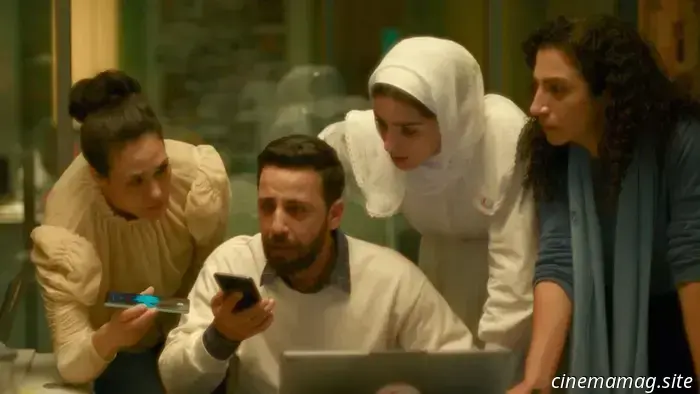
10. Palestine 36 (Annemarie Jacir)
Annemarie Jacir’s film has the significant merit of clarifying vital historical elements of Palestinian territory and British governance, even for those who are already familiar with Ilan Pappe’s The Ethnic Cleansing of Palestine. This retold narrative offers a deeper insight into how personal and collective accountability influences other individuals' lives; an influence that continues to be repeated over time.
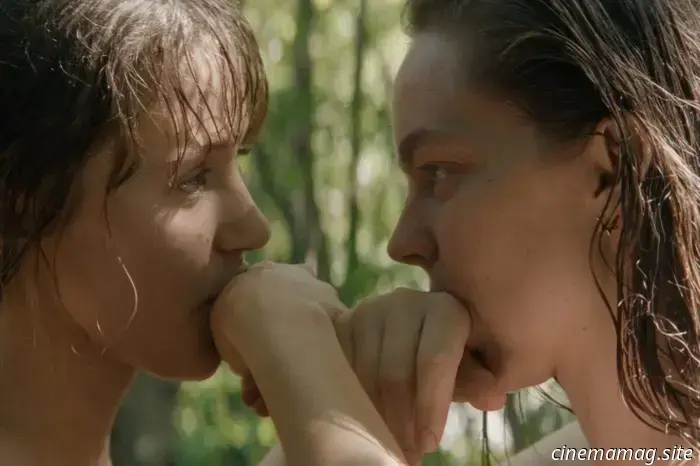
9. Little Trouble Girls (Urška Djukić)
This delightful debut by director Urška Djukić follows introverted 16-year-old Lucija and her fellow members of a Catholic school choir as they navigate their budding identities and sexual urges within a traditional, somewhat outdated society. Presented from a distinctly female viewpoint, the film favors quiet observation over judgment.
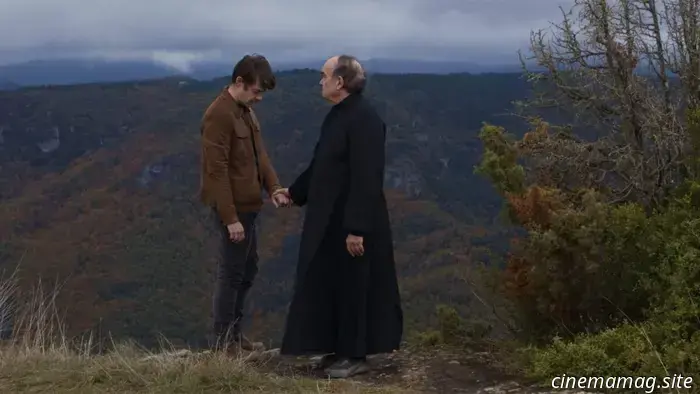
8. Misericordia (Alain Guiraudie)
A small French town seems to provide all Guiraudie needs to create a great film. Jérémie returns to his hometown of Saint-Martial for the funeral of his former employer and is invited to stay with the widow, quickly unsettling the villagers with his presence. Once more, Guiraudie delves into the lives of simple, unassuming characters, whose efforts to navigate daily life subtly reveal the challenges of coexisting.
7. Frankenstein (Guillermo del Toro)
Del Toro presents a heartfelt and visually stunning adaptation of Mary Shelley’s Frankenstein (a story I wish could play out over four hours). Shelley’s narrative, a sharp critique of patriarchy, remains strikingly contemporary, and it is no surprise that it continues to disturb audiences with its psychological and physical violence. Remaining true to the novel, del Toro crafts a raw depiction of blind individualism and the repercussions of rampant ambition.
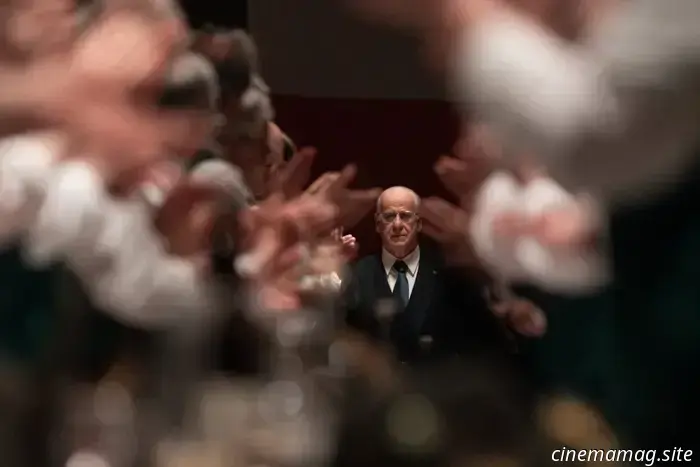
6. La grazia (Paolo Sorrentino)
With La grazia, Paolo Sorrentino revisits the meticulous writing and directing of his earlier films. The narrative centers on Mariano De Santis (Tony Servillo), an aging and devoutly Catholic President of the Italian Republic in the twilight of his term. Faced with significant moral and political dilemmas—whether to grant clemency to two convicted murderers or sign a contentious euthanasia bill—he is compelled to contemplate duty, conscience, and the essence of mercy, while also grappling with personal grief and family dynamics. The script is witty and Servillo, as always, is unparalleled.
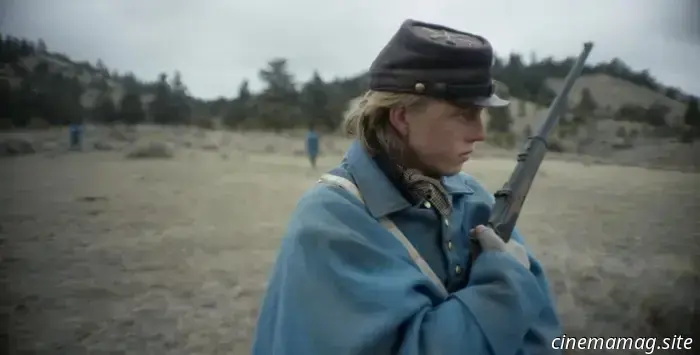
5. The Damned (Roberto Minervini)
I was captivated by the filmmaking, cinematography, and costumes of this dreamlike Western. Set against the stark landscapes of rural America, Minervini depicts a group of desperate soldiers, who are ultimately revealed to be just kids thrust into war. The film provides an intimate look into their days, isolated and estranged in a snowy void, awaiting death. Simultaneously, their solitude reconnects them with nature, as their most meaningful moments unfold with their horses, the river, or the snow gradually covering their beards. The film's poetic essence lingers long after the credits roll.
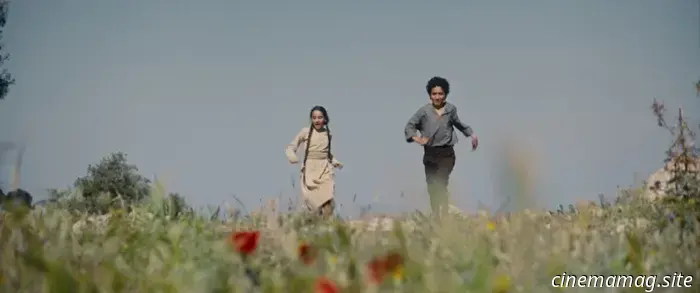
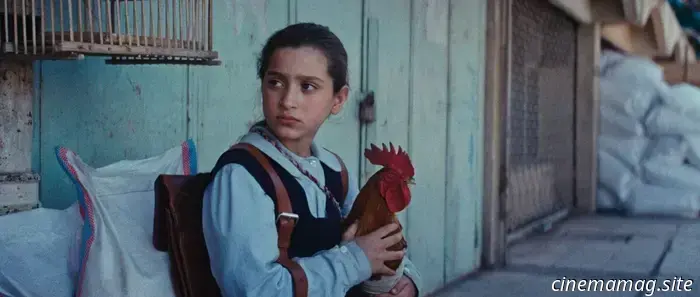
4. The President’s Cake (Hasan Hadi)
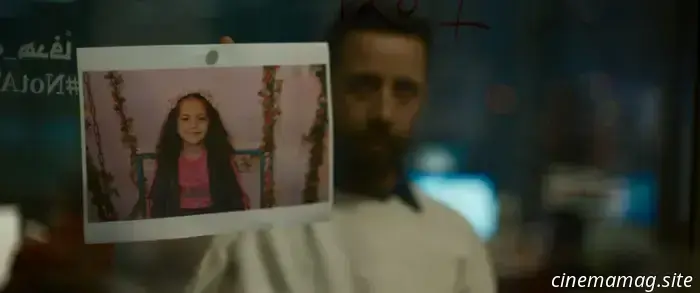
It was a joy to experience the beautiful cinematography of this film, set against the gentle allure of Southern Iraq. Set in the 1990s during Saddam


Other articles
.jpg) Blu-ray Review – Him (2025)
Him, 2025. Directed by Justin Tipping. Featuring Marlon Wayans, Tyriq Withers, Julia Fox, Jim Jefferies, Heather Lynn Harris, Tim Heidecker. SYNOPSIS: Following an invitation to undergo training at the compound of a...
Blu-ray Review – Him (2025)
Him, 2025. Directed by Justin Tipping. Featuring Marlon Wayans, Tyriq Withers, Julia Fox, Jim Jefferies, Heather Lynn Harris, Tim Heidecker. SYNOPSIS: Following an invitation to undergo training at the compound of a...
.jpg) Film Review – All You Need Is Kill (2026)
All You Need Is Kill, 2026. Directed by Ken’ichirô Akimoto and Yukinori Nakamura. With voice performances by Ai Mikami, Natsuki Hanae, Kana Hanazawa, Hiccorohee, and Mo Chugakusei. SYNOPSIS:…
Film Review – All You Need Is Kill (2026)
All You Need Is Kill, 2026. Directed by Ken’ichirô Akimoto and Yukinori Nakamura. With voice performances by Ai Mikami, Natsuki Hanae, Kana Hanazawa, Hiccorohee, and Mo Chugakusei. SYNOPSIS:…
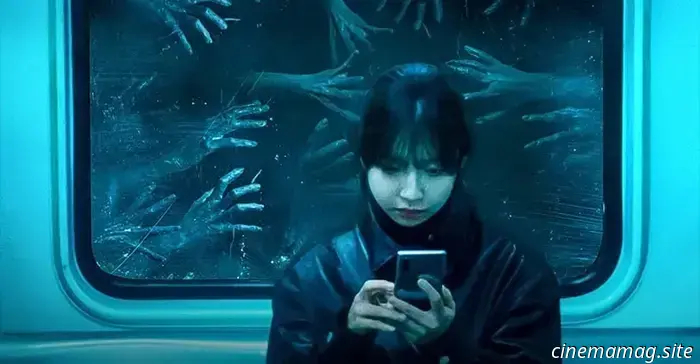 The trailer for the Korean horror anthology Ghost Train has been released.
Well Go USA has released a trailer for the Korean horror anthology Ghost Train. Directed by Se-woong Tak, the film follows Da-kyong (Joo Hyun-young), an aspiring YouTube content creator, as she visits a haunted…
The trailer for the Korean horror anthology Ghost Train has been released.
Well Go USA has released a trailer for the Korean horror anthology Ghost Train. Directed by Se-woong Tak, the film follows Da-kyong (Joo Hyun-young), an aspiring YouTube content creator, as she visits a haunted…
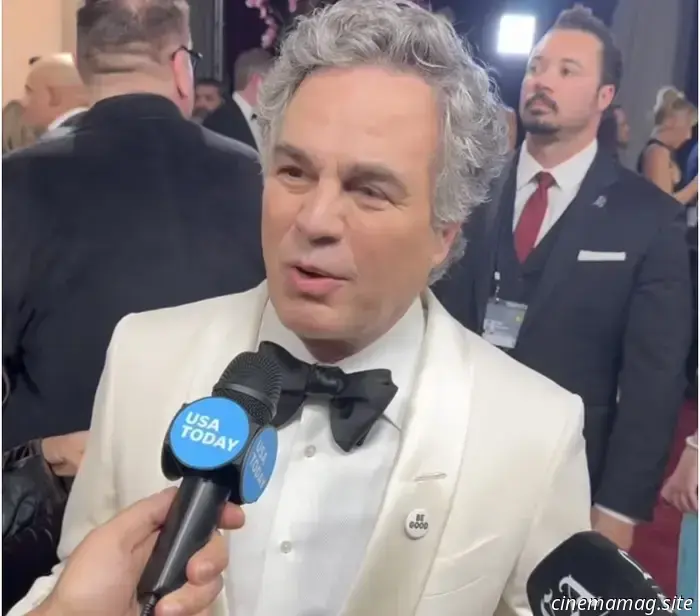 'Be Good': Celebrities Sport Anti-ICE Pins at the Golden Globes
Mark Ruffalo, Wanda Sykes, and Natasha Lyonne were some of the Golden Globes attendees who sported black-and-white pins featuring the phrases "BE GOOD" and "ICE OUT" to express their opposition to ICE.
'Be Good': Celebrities Sport Anti-ICE Pins at the Golden Globes
Mark Ruffalo, Wanda Sykes, and Natasha Lyonne were some of the Golden Globes attendees who sported black-and-white pins featuring the phrases "BE GOOD" and "ICE OUT" to express their opposition to ICE.
 Mondo introduces the sixth scale figure of Cheetara from ThunderCats.
Mondo has introduced the deluxe limited edition sixth scale Cheetara figure, which includes several interchangeable parts and weapons, along with Baby Lion-O and Ro-Bear-Bill figures. The ThunderCats collaboration...
Mondo introduces the sixth scale figure of Cheetara from ThunderCats.
Mondo has introduced the deluxe limited edition sixth scale Cheetara figure, which includes several interchangeable parts and weapons, along with Baby Lion-O and Ro-Bear-Bill figures. The ThunderCats collaboration...
Lucia Senesi’s Ten Best Films of 2025
As part of our year-end features, following The Film Stage's list of the top 50 films of 2025, our contributors are presenting their individual top 10 selections. On Christmas Eve this year, I viewed Gone with the Wind and Casablanca with my family, and towards the end of the latter film, my father remarked that these were the movies