
'Break Room' Writer-Director Emily Goss: The Reasons Behind My 45-Second Film — and Why You Should Create One as Well
Emily Goss is an actor, producer, writer, and director based in Los Angeles, committed to telling impactful stories. Her acting experience includes film, television, theater, and voiceover work. Her debut short film as a writer/director, "A Little House In Aberdeen," is a 7-minute single take that portrays a woman's stream of consciousness while speaking to her abortion provider during the procedure. Her most recent work, “Break Room,” is a powerful 45-second short that has been showcased at Cinequest, Dances With Films, and Indy Shorts, with more festivals on the horizon.
Amidst a trend of flashy productions, grand spectacles, AI, and major intellectual properties, “Break Room” embraces a minimalist approach. The film delves into both censored and uncensored pain, reminding us that we can never truly know what someone else is experiencing—and that’s sufficient.
I cherish the freedom that comes with creating short films. There’s no strict structure, no box office demands, and typically no pressure to achieve a return on investment. The stakes aren't as high, allowing for exploration in identifying what you want to create.
While taking “Break Room” through the festival circuit, I’ve encountered numerous conversations about finding the right format for your idea. Can you adapt your pilot into a feature? Is it a short film or merely a proof of concept for a series? I believe that a 45-second micro short is the ideal format for the story I wish to convey, and I’d like to explain how I reached this conclusion.
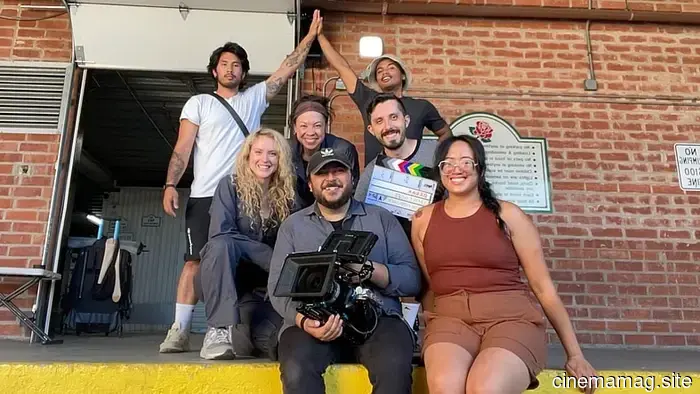
The team behind “Break Room.” Back row: Ryan Pham (gaffer/colorist), Kevin Garrard (grip); middle: Emily Goss (writer/director/actor), Kwana Martinez (actor), Shayan Ebrahim (producer/editor); front: Areon Mobasher (director of photography), Sabrina Lim (production sound). Photo courtesy of the filmmaker.
In 2021, I experienced severe depression after getting a new IUD. While the hormones didn’t create any new issues, they amplified existing ones. (I removed it a year later). Many can relate to going through a tough time while simultaneously observing themselves in the process. Although I felt trapped in a newfound depression, I found it intriguing. I couldn’t shake my emotions. I understood the desire to unleash rage… It could serve as the backdrop for a film set in a rage room.
As those dealing with mental health struggles often express, there's a disconcerting disconnect between private emotions and public perception. This contradiction felt like a narrative in itself—a film idea… but was it substantial enough? What had I gathered thus far? A woman is sad. Everything I’d seen indicated there had to be more… but what if there wasn’t?
If my objective is to create a film that leaves the audience feeling more humane, it can be that straightforward. A micro short can still connect an audience to the human experience, and its concise nature can leave a lasting impact. My favorite films are those that don’t explain everything and feel like a dialogue between the movie and me. A micro short can promote audience engagement by placing much of the interpretive responsibility on viewers. Plus, a brief film won’t overstay its welcome.
Emily Goss on Writing the One-Page Script for Her 45-Second Film, “Break Room”
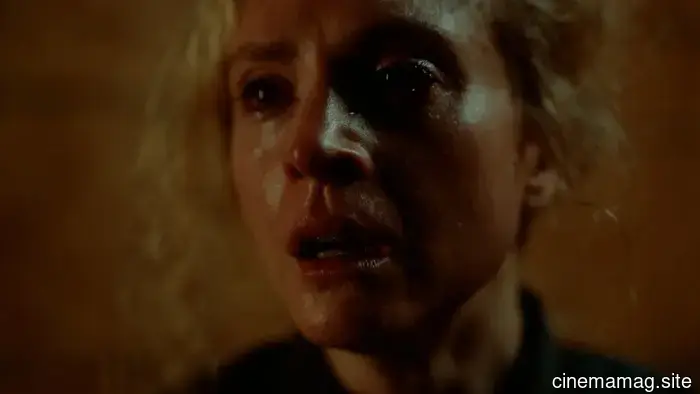
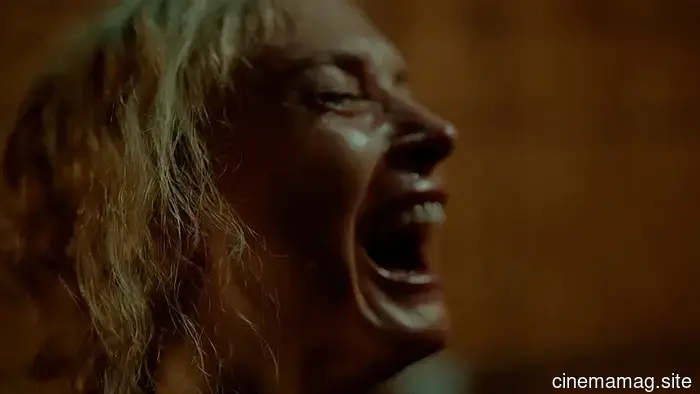
Emily Goss as writer, director, and star in “Break Room.” Photo courtesy of the filmmaker.
I took the time to write the script, keeping it to one page. It was liberating, empowering, manageable, and budget-friendly. "Break Room" tells a story in three segments but is structured more as a Setup, Punchline, and Question than a traditional Beginning, Middle, and End. I am pleased with these three segments, making it hard to remember that it wasn’t always structured this way.
Interestingly, the original version of this 45-second film was a full 60 seconds. It included a final scene where the character exits the rage room and encounters another woman (played by the talented Kwana Martinez) on her way in. They shared a significant moment of connection before continuing on with their lives—still unhealed, but with a glimmer of hope.
When my producer, editor, friend, and all-around genius Shayan Ebrahim and I presented the first cut to a test audience, we faced universal confusion. Everyone seemed perplexed by the final scene. Who was the second woman? What was their relationship? This confusion was unrelated to Kwana’s performance; the scene simply didn’t resonate. Although that scene encapsulated the film’s initial message—that we heal by truly seeing one another—I prioritized creating a film that functioned well over sticking to the original concept. We decided to remove that scene, and now I’m convinced our 45-second version offers the strongest iteration of the story.
The advantage of a 45-second film is that viewers are more likely to watch it!
Other articles
 Lurker Director Alex Russell on Executing the Ideal Crash Out
"The house where we filmed was consumed by the Altadena fires," says writer-director Alex Russell, whose first feature, Lurker, is being released in theaters today. "I suppose
Gambling Heists in Film: Top Casino Robbery Movies - MovieMaker Magazine
Casino heists are infrequently depicted on screen, for reasons that remain unclear. Directors have inundated audiences with films about bank heists, armored truck robberies, and jewel thefts.
Lurker Director Alex Russell on Executing the Ideal Crash Out
"The house where we filmed was consumed by the Altadena fires," says writer-director Alex Russell, whose first feature, Lurker, is being released in theaters today. "I suppose
Gambling Heists in Film: Top Casino Robbery Movies - MovieMaker Magazine
Casino heists are infrequently depicted on screen, for reasons that remain unclear. Directors have inundated audiences with films about bank heists, armored truck robberies, and jewel thefts.
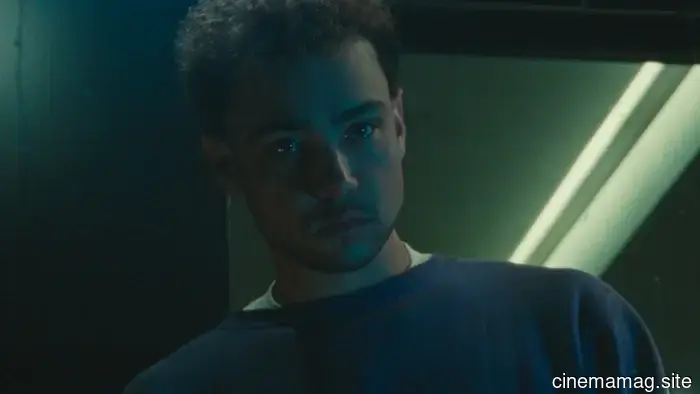 Lurker Director Alex Russell on Creating the Ideal Crash Out
“The home where we filmed was destroyed in the Altadena fires,” shares writer-director Alex Russell, whose first feature, Lurker, is released in theaters today. “I suppose
Lurker Director Alex Russell on Creating the Ideal Crash Out
“The home where we filmed was destroyed in the Altadena fires,” shares writer-director Alex Russell, whose first feature, Lurker, is released in theaters today. “I suppose
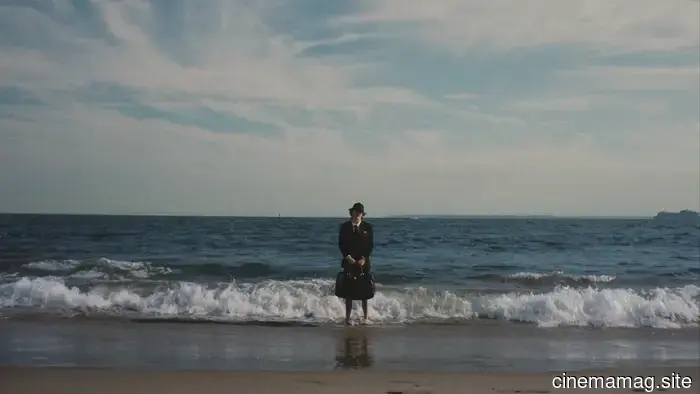 With 'kamikaze,' Director Ray Smiling Ensures No One is Bored
"Like everyone else, I spend a lot of time on the internet," states writer-director Ray Smiling, whose most recent short film, "kamikaze," has just received the award for best experimental short.
With 'kamikaze,' Director Ray Smiling Ensures No One is Bored
"Like everyone else, I spend a lot of time on the internet," states writer-director Ray Smiling, whose most recent short film, "kamikaze," has just received the award for best experimental short.
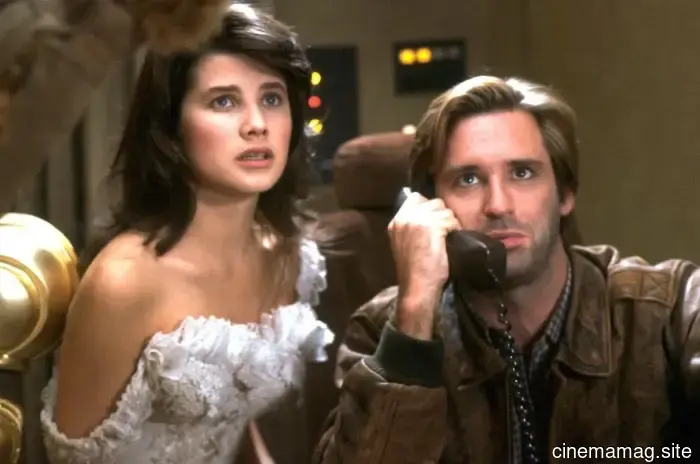 In Celebration of Spaceballs 2, Here Are 12 Tales from Mel Brooks' Original Spaceballs
In celebration of the recently announced Spaceballs 2, here are 12 behind-the-scenes tales from the original Spaceballs.
In Celebration of Spaceballs 2, Here Are 12 Tales from Mel Brooks' Original Spaceballs
In celebration of the recently announced Spaceballs 2, here are 12 behind-the-scenes tales from the original Spaceballs.
'Break Room' Writer-Director Emily Goss: The Reasons Behind My 45-Second Film — and Why You Should Create One as Well
Primary image: Emily Goss in "Break Room." Image provided by the filmmaker.