
8 Horror Movie Remakes That Were Unnecessary
Here are seven remakes of horror films that attempted to enhance already good movies.
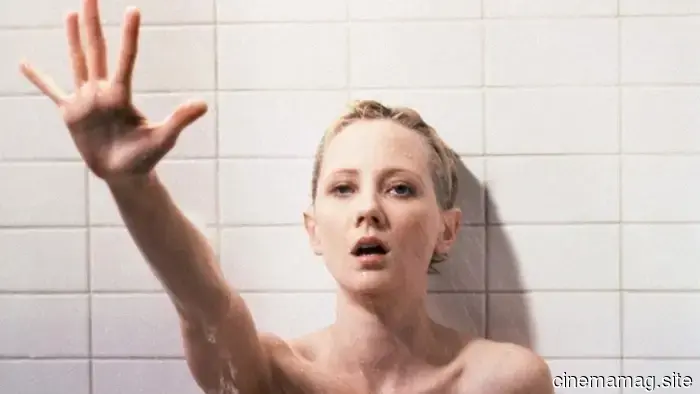
In some cases, even a well-crafted remake cannot match the gritty, grassroots charm of a low-budget horror classic. Additionally, certain major studio productions, such as Psycho, are better off unchanged.
We live… and hopefully learn. Here are eight horror movie remakes that were unnecessary.
**Night of the Living Dead (1990)**
Columbia Pictures
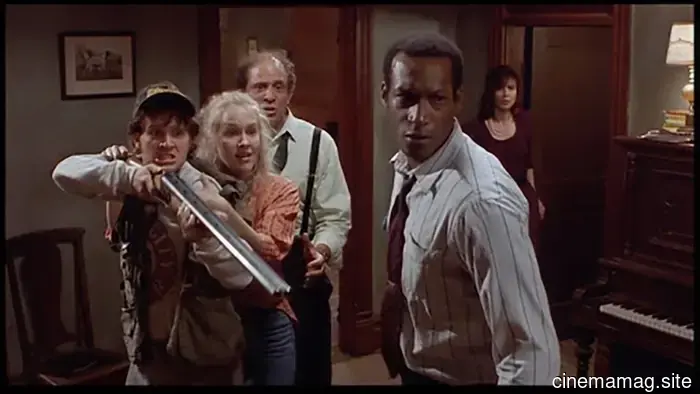
We appreciate Tony Todd, known from Candyman, as the lead and makeup artist Tom Savini as the director. However, this film was unnecessary as the original 1968 version is perfect in its DIY, low-budget, black and white simplicity.
George A. Romero’s influential work is not terrible, but feels somewhat superfluous—especially since Romero remained as screenwriter and executive producer.
While the basic plot—survivors barricading themselves in an abandoned farmhouse during a zombie outbreak—stays intact, the original's unsettling documentary-style realism is replaced with a standard horror movie vibe.
In this version, Barbara (Patricia Tallman) is not a vulnerable woman terrified for her life, but a skilled zombie slayer. Although the special effects have notably improved (thanks to Savini), this rendition fails to deliver the shocking and powerful finale of the original. (By the way, the original is featured in our list of 12 Movies That Made Over 100 Times Their Budget.)
When it comes to horror remakes, we will always prefer those that enhance the strong points of a flawed original—like 2004’s Dawn of the Dead—over films that attempt to fix what is not broken.
**The Haunting (1999)**
DreamWorks Pictures
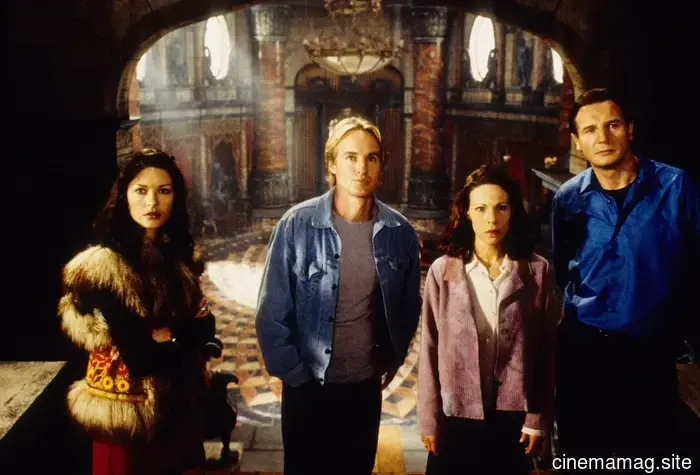
In this remake, Robert Wise’s haunting 1963 film (adapted from Shirley Jackson’s acclaimed novel, The Haunting of Hill House) is turned into a big-budget Hollywood disappointment. The movie portrays the struggle between a group of paranormal investigators (including Liam Neeson and Catherine Zeta-Jones) and the sinister mansion where they try to spend several nights.
The original Haunting is a brilliant example of implied horror, showing very little on screen. Instead, it relies on eerie sound effects and disorienting camera techniques to create fear. In contrast, this poorly executed remake replaces the subtle horror of the original with ineffective CGI effects.
Directors of horror remakes—indeed all remakes—should use this film as a lesson on how CGI can detract from a viewer’s immersion. This film emerged during the awkward early days of the millennium when CGI had just become available, but wasn’t convincingly done.
**The Wicker Man (2006)**
Warner Bros. Pictures
Some may argue that the 1973 Christopher Lee cult classic doesn’t need to be reimagined, as it epitomizes creepy, gradual horror.
However, thanks to Nicolas Cage's ability to maintain a serious demeanor while delivering absurd lines, the film has a twisted fascination. Cage plays a police officer who uncovers a secretive community while looking into the disappearance of a young girl on a mysterious island.
We also enjoy Angelo Badalamenti’s score from Twin Peaks, as we appreciate all of his soundtracks.
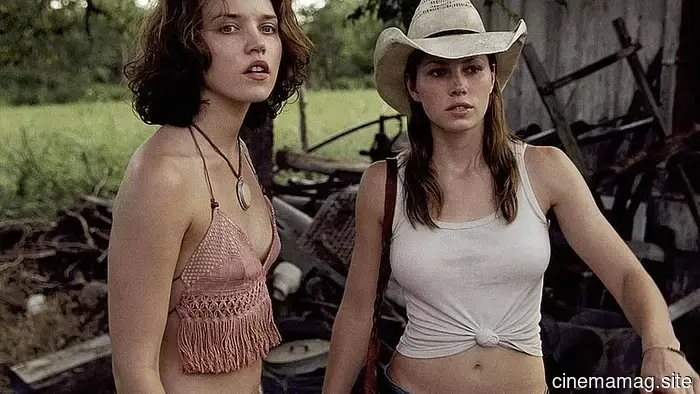
**Last House on the Left (2009)**
Universal Pictures – Credit: C/O
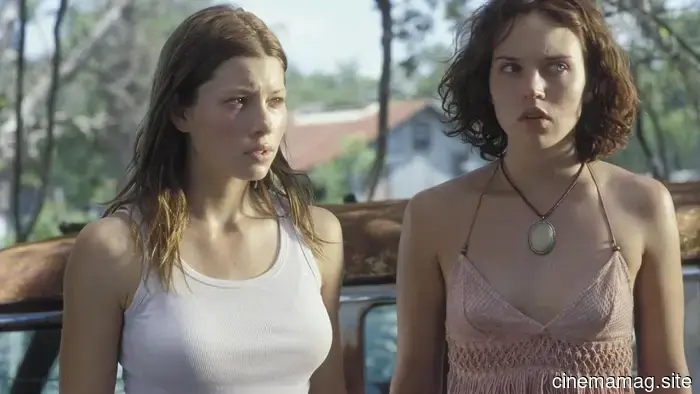
This reimagining of the 1972 Wes Craven film is skillfully made, consistently suspenseful, and frightening, along with strong performances. So why is it included here? Because it fails to capture the raw, shocking terror of the original. The original’s disturbing, 1970s hippie-cult sadism remains profoundly unsettling, and its dark edge continues to leave an impression today.
The main drawback we can point out is that this version ends on a somewhat hopeful note, which diminishes the original's perfect bleakness. Some films are so powerful that remaking them is unnecessary, and Last House on the Left falls into that category. Nonetheless, director Dennis Iliadis executed it as well as anyone could, especially with support from original director Wes Craven.
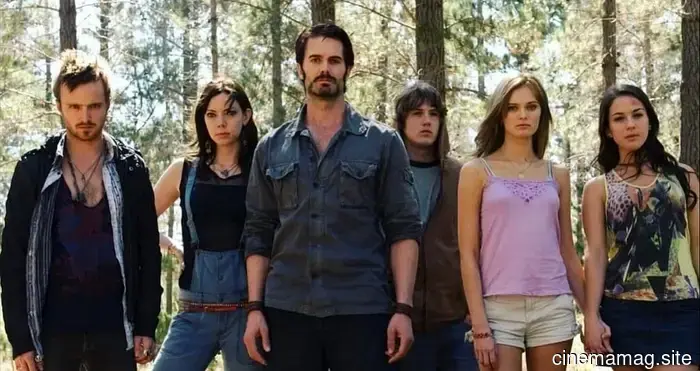
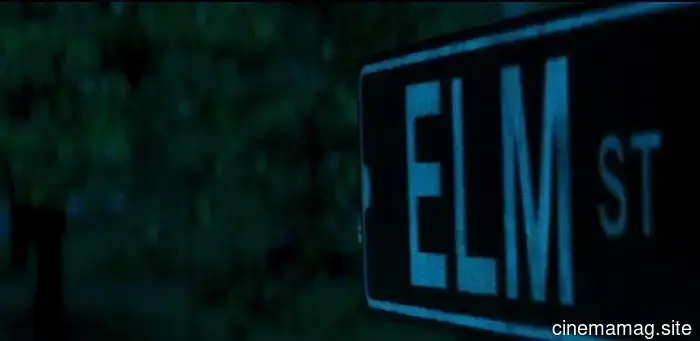
**A Nightmare on Elm Street (2010)**
New Line Cinema – Credit: C/O
When Wes Craven expresses disapproval toward a remake of one of his films, it’s wise to heed his words. The 1984 Nightmare on Elm Street is nearly flawless—its imperfections only add to its distinct appeal.
“It does hurt,” Craven shared with IGN about the remake. “It does because it’s such an important film for me that, unfortunately, when I signed the original contract, I gave up all rights to it and so there’s nothing I can do about it.”
The new film features Jackie Earle Haley as Freddie Krueger, but it falls short. There is only one Freddie, and that is Robert Englund. Moreover, the choice to use CGI for Freddie and eliminate his dark humor made the character significantly less memorable.
Rooney Mara,

Other articles
 Daryl Hannah Criticizes Her depiction in the Love Story as 'Textbook Misogyny'
Daryl Hannah claims that the new FX series Love Story: John F. Kennedy Jr. & Carolyn Bessette, where she plays a character, is replete with falsehoods about her.
Daryl Hannah Criticizes Her depiction in the Love Story as 'Textbook Misogyny'
Daryl Hannah claims that the new FX series Love Story: John F. Kennedy Jr. & Carolyn Bessette, where she plays a character, is replete with falsehoods about her.
 Setting the Tone: The Role of Music in Influencing the Atmosphere of Neo-Noir and Independent Films - MovieMaker Magazine
Music in film serves not merely as an auditory component, but as an emotional guide. In neo-noir thrillers, late-night character-driven dramas, and independent genre films, soundtracks
Setting the Tone: The Role of Music in Influencing the Atmosphere of Neo-Noir and Independent Films - MovieMaker Magazine
Music in film serves not merely as an auditory component, but as an emotional guide. In neo-noir thrillers, late-night character-driven dramas, and independent genre films, soundtracks
 Andy Jurgensen on the Managed Disorder of Continuous Battles
Editor Andy Jurgensen of One Battle After Another states that no topic was off-limits.
Andy Jurgensen on the Managed Disorder of Continuous Battles
Editor Andy Jurgensen of One Battle After Another states that no topic was off-limits.
 The Genuine Techniques for Transforming a $10K Film into a $1M Production - MovieMaker Magazine
Creating films independently has always revolved around creativity, perseverance, and maximizing available resources. While large studios require substantial budgets,
The Genuine Techniques for Transforming a $10K Film into a $1M Production - MovieMaker Magazine
Creating films independently has always revolved around creativity, perseverance, and maximizing available resources. While large studios require substantial budgets,
 11 Adorable Brunette Friends in '80s Films
Adorable brunette best friends are a key element of '80s films.
11 Adorable Brunette Friends in '80s Films
Adorable brunette best friends are a key element of '80s films.
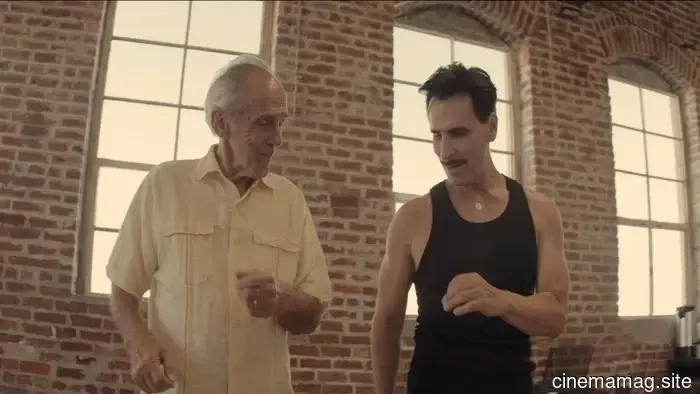 An 85-year-old taking dance lessons in 'Disco Beats' stands out as a key feature of NFMLA's InFocus: Counter-Ageism initiative - MovieMaker Magazine.
"Disco Beats" tells the tale of an 85-year-old man discovering disco, while the Oscar-nominated "The Singers" focuses on a group of overlooked men in a bar who rediscover their voices.
An 85-year-old taking dance lessons in 'Disco Beats' stands out as a key feature of NFMLA's InFocus: Counter-Ageism initiative - MovieMaker Magazine.
"Disco Beats" tells the tale of an 85-year-old man discovering disco, while the Oscar-nominated "The Singers" focuses on a group of overlooked men in a bar who rediscover their voices.
8 Horror Movie Remakes That Were Unnecessary
Here are eight horror movie remakes that are completely unnecessary.