

8 Horror Movie Remakes That Weren't Truly Necessary
Here are seven horror movie remakes that attempted to enhance films that were already pretty good.
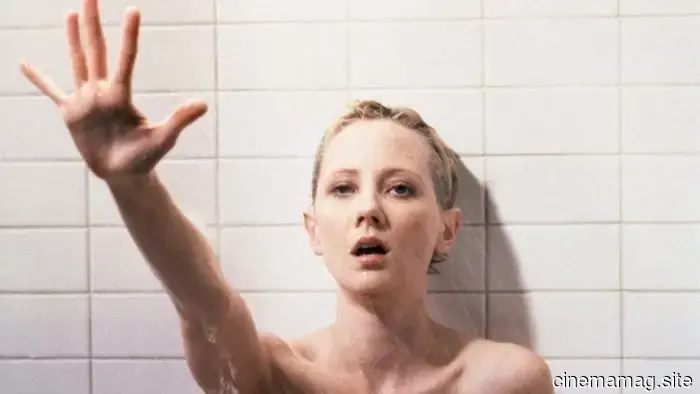
Sometimes, even a well-executed remake struggles to match the gritty, grassroots essence of a low-budget horror film that later becomes a classic. Additionally, some major studio productions, like Psycho, are better left untouched.
We live... hopefully... and learn. Here are eight horror movie remakes that were unnecessary.
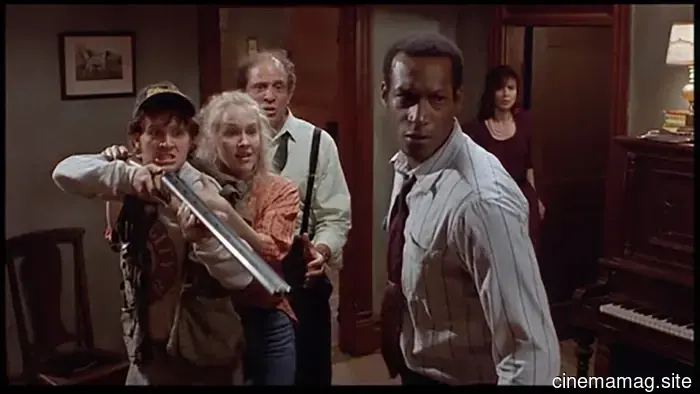
**Night of the Living Dead (1990)**
Columbia Pictures
We appreciate Candyman alum Tony Todd in the lead role and makeup wizard Tom Savini as the director. However, this movie wasn’t needed because the original from 1968 is — in its grassroots, low-budget, black-and-white brilliance — flawless.
This remake of George A. Romero's landmark genre film isn't bad but feels somewhat pointless — particularly since Romero was involved as screenwriter and executive producer.
Though the plot remains largely unchanged — survivors barricade themselves in an abandoned farmhouse during a zombie siege — the original's unsettling, documentary-like authenticity is replaced with a clichéd horror movie feel.
In this version, Barbara (Patricia Tallman) transforms from a scared, vulnerable woman into a capable monster slayer. While the zombie makeup effects are noticeably enhanced (thanks to Savini), this remake loses the emotional weight of the original's shocking, impactful ending. (For context, that original is on our list of 12 Movies That Made More than 100 Times Their Budget.)
In terms of horror remakes, we often favor films that build on the best elements of an imperfect original — like 2004’s Dawn of the Dead — rather than those that try to fix something that isn't broken.
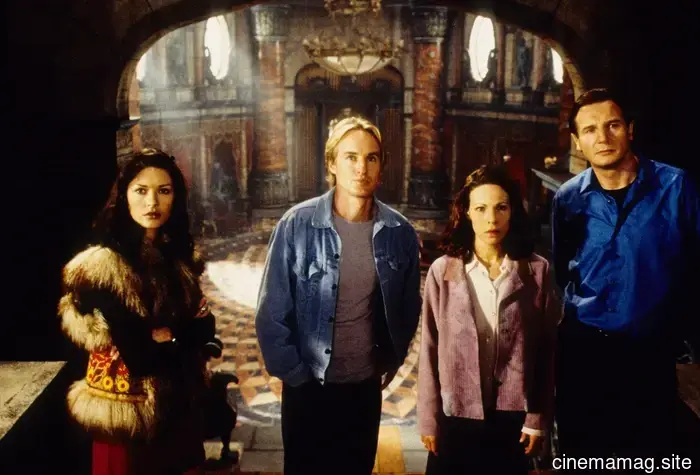
**The Haunting (1999)**
DreamWorks Pictures
In this remake, Robert Wise’s eerie 1963 haunted house film (adapted from Shirley Jackson's highly regarded novel, The Haunting of Hill House) is turned into a costly Hollywood misfire. The movie revolves around a group of paranormal investigators (including Liam Neeson and Catherine Zeta-Jones) who brave the menacing mansion for several nights.
The original Haunting is a triumph of subtle horror, revealing very little. Instead, its disquieting sound effects and disorienting camera techniques create genuine dread. In contrast, this ill-conceived remake replaces the subtle terror of the original with ineffective CGI effects.
Filmmakers should view this movie as a cautionary example of how CGI can disengage audiences. Released during the early phases of the new millennium when CGI was available but not yet convincing, this film suffers significantly.
**The Wicker Man (2006)**
Warner Bros. Pictures
Some might argue there’s no need to reinterpret the 1973 Christopher Lee cult classic, which exemplifies eerie, gradual horror.
Yet, thanks to Nicolas Cage’s ability to maintain a straight face while delivering the most ridiculous lines, the film has a peculiar appeal. Cage plays a police officer who uncovers a secretive community while searching for a missing girl on an enigmatic island.
We also enjoy the score by Twin Peaks composer Angelo Badalamenti, as we appreciate all of his work.
**Last House on the Left (2009)**
Universal Pictures – Credit: C/O
This remake of the 1972 Wes Craven film is expertly crafted, consistently suspenseful and unsettling, and features strong performances. So why is it on this list? Because it still lacks the raw terror of the original. The unsettling hippie-cult sadism of the 1972 Last House on the Left is deeply disturbing, and the original maintains an unsettling tension that lingers today.
The biggest downside of this version is that it takes on a hopeful tone, which diminishes the original's perfect sense of bleakness. Some films are so effective that attempts to remake them should be avoided, and Last House on the Left falls into that category. Still, we must acknowledge that Dennis Iliadis, the remake's director, did the best he could. He also received guidance from Wes Craven, the original filmmaker.
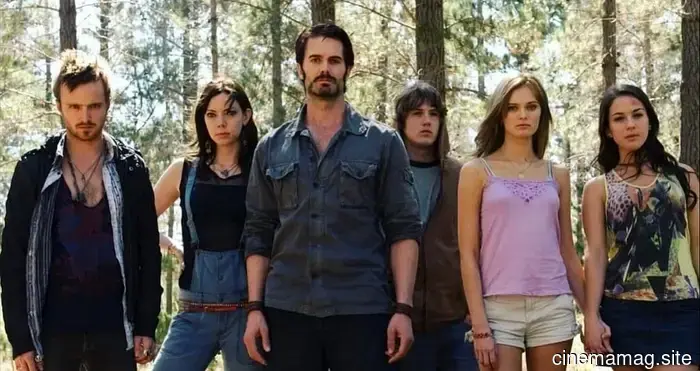
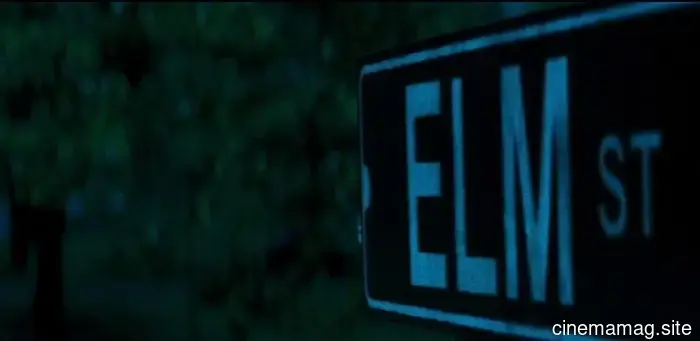
**A Nightmare on Elm Street (2010)**
New Line Cinema – Credit: C/O
Conversely, when Wes Craven expresses concerns about a remake of his work, it might be wise to heed his words. The 1984 Nightmare on Elm Street is nearly a flawless horror film, and its flaws only contribute to its unique charm.
“It does hurt,” Craven shared with IGN regarding the remake. “It does because it’s such an important film for me; unfortunately, I relinquished all rights to it when I signed the original contract, and there’s nothing I can do.”
The new version featured the talented Jackie Earle Haley as Freddy Krueger, but let’s be honest. There’s only one Freddy, and that’s Robert Englund. Additionally, the choice to employ CGI for Freddy and eliminate his darkly humorous quips rendered the character markedly less memorable.
Moreover, Rooney

Other articles
 André Is an Idiot, The Marching Band Awarded Best of Fest at Sedona International Film Festival
The Sedona International Film Festival awarded the titles of Best of Fest for 2026 to André Is an Idiot and The Marching Band.
André Is an Idiot, The Marching Band Awarded Best of Fest at Sedona International Film Festival
The Sedona International Film Festival awarded the titles of Best of Fest for 2026 to André Is an Idiot and The Marching Band.
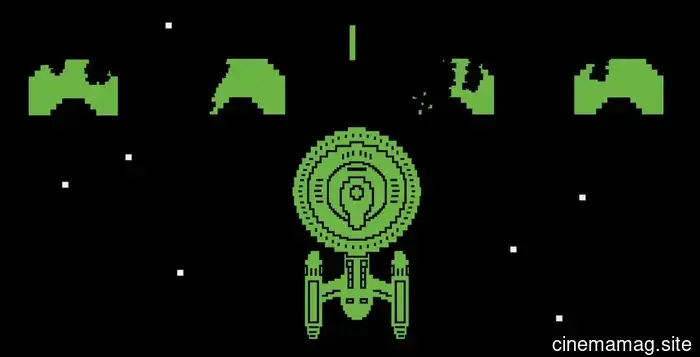 Preview of the Comic Book – Star Trek: Lower Decks #17
IDW Publishing will release Star Trek: Lower Decks #17 on Wednesday, and you can check out a sneak peek of the issue with the official preview below… Captain Freeman and Mariner engage in the battle…
Preview of the Comic Book – Star Trek: Lower Decks #17
IDW Publishing will release Star Trek: Lower Decks #17 on Wednesday, and you can check out a sneak peek of the issue with the official preview below… Captain Freeman and Mariner engage in the battle…
 8 Horror Movie Remakes That Were Unnecessary
Here are eight horror movie remakes that are completely unnecessary.
8 Horror Movie Remakes That Were Unnecessary
Here are eight horror movie remakes that are completely unnecessary.
 Bingo on the Big Screen - MovieMaker Magazine
A bingo hall has an undeniably cinematic quality. The sound of plastic chips clattering, the ceremonial sequence of numbers being drawn one at a time, and the hushed concentration all contribute to the atmosphere.
Bingo on the Big Screen - MovieMaker Magazine
A bingo hall has an undeniably cinematic quality. The sound of plastic chips clattering, the ceremonial sequence of numbers being drawn one at a time, and the hushed concentration all contribute to the atmosphere.
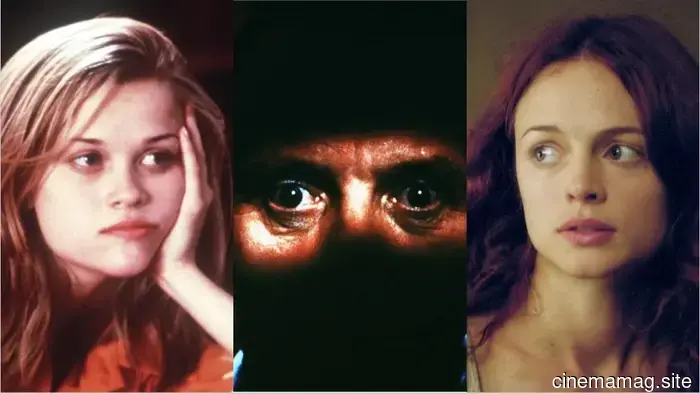 The Top 13 Ranked Movies About Serial Killers
Here are the 13 greatest serial killer films ever produced. Some of these are regarded as some of the finest films ever made, in general.
The Top 13 Ranked Movies About Serial Killers
Here are the 13 greatest serial killer films ever produced. Some of these are regarded as some of the finest films ever made, in general.
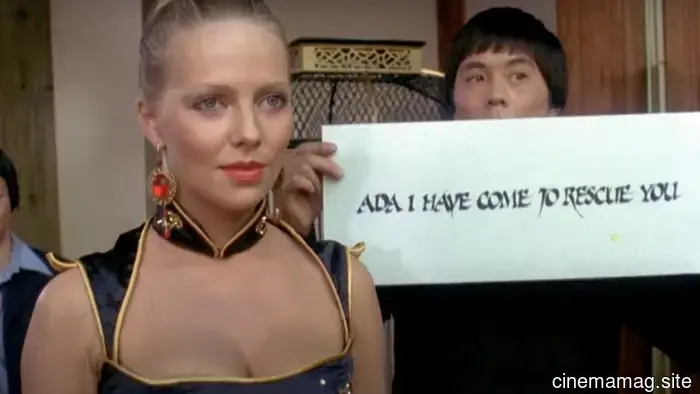 12 Behind-the-Scenes Tales from Kentucky Fried Movie, the Comedy That Gave Rise to Airplane! and Animal House
If it weren't for Kentucky Fried Movie, the debut film by Jim Abrahams along with his collaborators Jerry and David Zucker, we might not have seen the creation of Animal House, Airplane!,
12 Behind-the-Scenes Tales from Kentucky Fried Movie, the Comedy That Gave Rise to Airplane! and Animal House
If it weren't for Kentucky Fried Movie, the debut film by Jim Abrahams along with his collaborators Jerry and David Zucker, we might not have seen the creation of Animal House, Airplane!,
8 Horror Movie Remakes That Weren't Truly Necessary
Here are eight horror movie remakes that serve no purpose.