
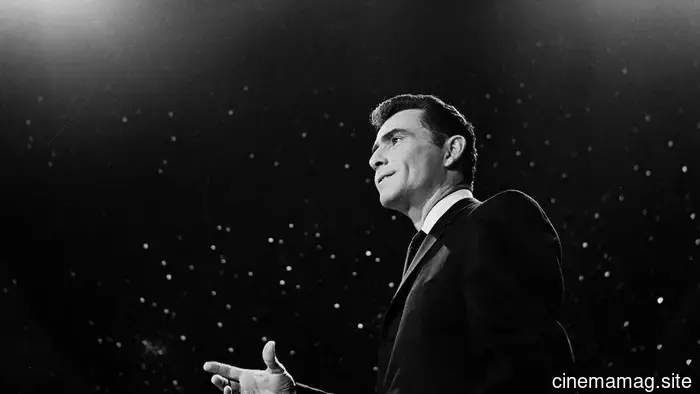
In New Doc, Rod Serling Illustrates From Beyond the Grave How We Came to Exist in The Twilight Zone.
Years prior to creating The Twilight Zone, Rod Serling attempted to craft a narrative inspired by Emmet Till, the Black teenager who was lynched in Mississippi in 1955 for supposedly whistling at a white woman. TV executives had their own feedback, which amounted to demands.
They asked Serling if he could tell the story without referencing the South or Black individuals.
The absurdity of this encounter fueled Serling's desire to develop The Twilight Zone, where he concealed tales of social justice within the safety of genre and metaphor. For instance, he couldn’t address the struggles of immigrants on network television, but he could depict aliens. Alternatively, he could create stories where "we" were the aliens. The objective was always to foster empathy.
The captivating new documentary Serling, debuting Monday at SXSW, achieves the remarkable feat of having Serling narrate his own life story. Director Jonah Tulis came up with the concept upon discovering the extensive audio recordings Serling left behind when he passed away in 1975 at the young age of 50.
Rod Serling in Serling. Courtesy of Appian Way
“Thanks to the vast archive of recordings we found, we could narrate this story predominantly in Rod Serling’s own voice. We didn’t employ AI to recreate his voice, nor did we hire an actor to mimic it,” Tulis explains to MovieMaker.
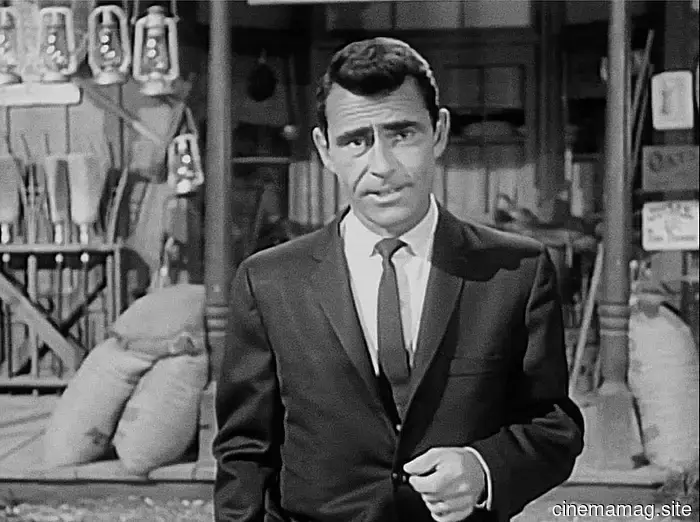
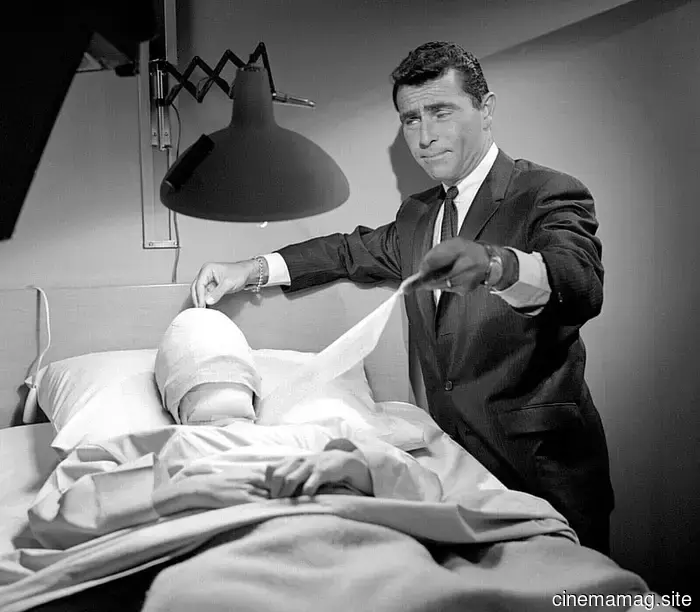
The documentary features numerous segments from Serling’s television appearances, including his introductions to episodes of The Twilight Zone. It also includes impressively effective reenactments that resonate with the spirit of the beloved series, which aired on CBS from 1959 to 1964 and has thrived in syndication and streaming since.
“We filmed visually atmospheric recreations — in 4:3, black-and-white, just like The Twilight Zone — with an actor,” Tulis continues. “However, everything you hear in the film is solely Rod Serling, in his own moment. Allowing Rod to lead the audience through his life felt like the most genuine way to unfold this story. Ultimately, who better to narrate Rod Serling's story than Rod Serling himself?”
We spoke with Tulis about Serling’s striking relevance today, his methods for bypassing censors and critics, and the process of collaborating with Leonardo DiCaprio’s production company, Appian Way.
Serling Director Jonah Tulis discusses Rod Serling and The Twilight Zone
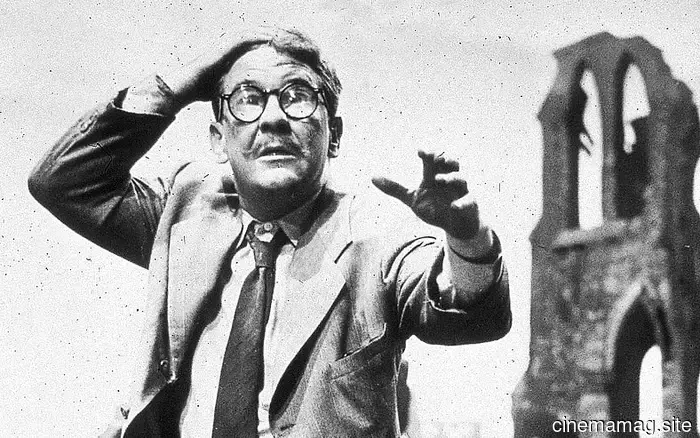
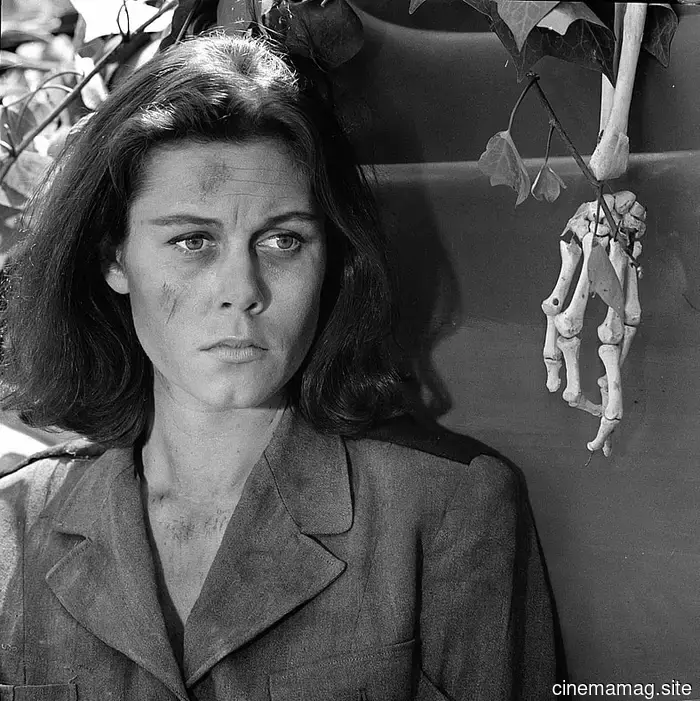
Burgess Meredith in “Time Enough at Last,” one of the most renowned episodes of The Twilight Zone. CBS
MovieMaker: You mentioned that Leonardo DiCaprio and his company Appian Way played a crucial role in making this film possible — they had been in discussions with Serling’s estate and assisted in securing funding for the documentary. What reasons did they give for believing you were the right person to direct it?
Jonah Tulis: We all recognized that Rod Serling led an extraordinary life and career that deserved cinematic representation, but the challenge lay in figuring out how to tell it in a way that felt fresh and engaging. Many of the significant figures from that era have since passed, so the conventional talking-head documentary format would not adequately capture Rod's energy.
I conducted preliminary research and discovered remarkable archival materials, much of which had never been viewed or heard before. This included dictations from different stages of Rod’s life, such as letters, script notes, and personal reflections. It became evident that Rod had, in a way, left behind his own narration of his life. I then realized that his voice could effectively tell the story. The concept evolved into: what if the film largely unfolded through Rod narrating his own experiences?
Rod Serling in a promotional behind-the-scenes image from The Twilight Zone. CBS
When I presented this approach to Appian Way, the Serling family, and our collaborators at Verdi Productions, they quickly grasped the creative strategy. What resonated most with them was the idea of Rod guiding the audience through the film. His voice, thoughts, and words would serve as the documentary's backbone. They believed this approach honored his identity as a writer and storyteller.
Ultimately, they conveyed to me that they felt I was the right director for the project because my interest went beyond creating a mere biography; I aimed to construct a cinematic experience that allowed Rod Serling to directly engage with audiences again.
MovieMaker: What parallels and differences do you perceive between Serling’s struggles with television executives — as he sought to address racial justice and other progressive themes — and the current conflicts between TV stars and their networks? I’m particularly thinking of Jimmy Kimmel's temporary removal from the air, and Stephen Colbert's show being canceled.
Jonah Tulis: The similarities are actually one of the primary reasons I believe telling this story today is more crucial than ever. Although Rod operated within a very different television landscape, the themes of control and censorship still pervade all media. Networks and platforms continue
Other articles
 Wild Horse Nine Trailer: John Malkovich and Sam Rockwell Star in Martin McDonagh’s Dark Comedy
After the success of 2022's The Banshees of Inisherin, Martin McDonagh is back with Wild Horse Nine, featuring John Malkovich, Sam Rockwell, Steve Buscemi, Mariana di Girolamo, Ailín Salas, Tom Waits, and Parker Posey. Although the film is not scheduled to be released until November 6, Searchlight Pictures has begun its promotional efforts with the release of the first trailer.
Wild Horse Nine Trailer: John Malkovich and Sam Rockwell Star in Martin McDonagh’s Dark Comedy
After the success of 2022's The Banshees of Inisherin, Martin McDonagh is back with Wild Horse Nine, featuring John Malkovich, Sam Rockwell, Steve Buscemi, Mariana di Girolamo, Ailín Salas, Tom Waits, and Parker Posey. Although the film is not scheduled to be released until November 6, Searchlight Pictures has begun its promotional efforts with the release of the first trailer.
 12 Films from the 1950s That Remain Enjoyable to View
These films from the 1950s are not only excellent but also entertaining.
12 Films from the 1950s That Remain Enjoyable to View
These films from the 1950s are not only excellent but also entertaining.
 Wild Horse Nine Trailer: John Malkovich and Sam Rockwell Star in Martin McDonagh’s Dark Comedy
After the 2022 release of The Banshees of Inisherin, Martin McDonagh is back with Wild Horse Nine, featuring John Malkovich, Sam Rockwell, Steve Buscemi, Mariana di Girolamo, Ailín Salas, Tom Waits, and Parker Posey. While it’s not scheduled to hit theaters until November 6, Searchlight Pictures has begun promoting the film, releasing the first trailer.
Wild Horse Nine Trailer: John Malkovich and Sam Rockwell Star in Martin McDonagh’s Dark Comedy
After the 2022 release of The Banshees of Inisherin, Martin McDonagh is back with Wild Horse Nine, featuring John Malkovich, Sam Rockwell, Steve Buscemi, Mariana di Girolamo, Ailín Salas, Tom Waits, and Parker Posey. While it’s not scheduled to hit theaters until November 6, Searchlight Pictures has begun promoting the film, releasing the first trailer.
 “The Film Is More Clever Than I Am”: Christian Petzold Discusses Miroirs No. 3
I have conducted interviews in a variety of locations: multiplexes, screening rooms, green rooms, distributor offices, post-production facilities, cafés, hotels—quite a few hotels—or any available space at the moment. (One discussion with a true architect of contemporary cinema even took place in a coat closet.) Christian Petzold is the first to have expressed regret about the room. I observed
“The Film Is More Clever Than I Am”: Christian Petzold Discusses Miroirs No. 3
I have conducted interviews in a variety of locations: multiplexes, screening rooms, green rooms, distributor offices, post-production facilities, cafés, hotels—quite a few hotels—or any available space at the moment. (One discussion with a true architect of contemporary cinema even took place in a coat closet.) Christian Petzold is the first to have expressed regret about the room. I observed
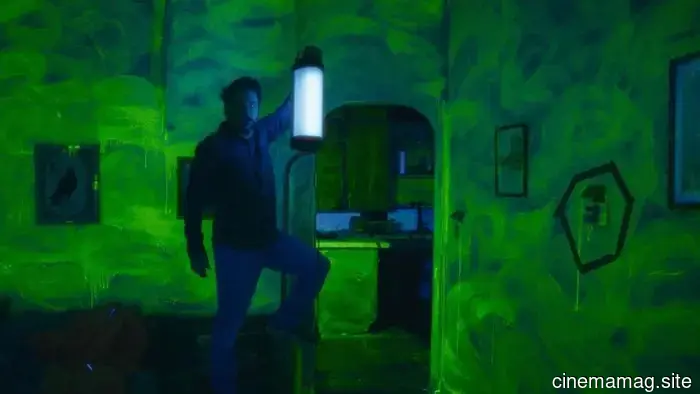 In Kill Me, Charlie Day portrays a man who is convinced that he did not attempt to take his own life.
Kill Me, a captivatingly intricate dark comedy featuring Charlie Day, had a path to the screen that was nearly as convoluted as the film itself, according to writer-director Peter Warren.
In Kill Me, Charlie Day portrays a man who is convinced that he did not attempt to take his own life.
Kill Me, a captivatingly intricate dark comedy featuring Charlie Day, had a path to the screen that was nearly as convoluted as the film itself, according to writer-director Peter Warren.
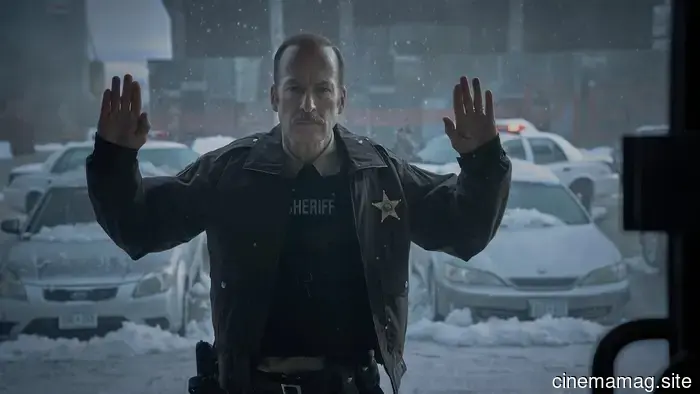 Normal With Bob Odenkirk Is an Instant Classic in Action
Normal, which was shown on Sunday at SXSW, follows a well-known premise: A new sheriff arrives in town. Fortunately, he is portrayed by the actor from Mr. Show, Breaking Bad, and Better Call.
Normal With Bob Odenkirk Is an Instant Classic in Action
Normal, which was shown on Sunday at SXSW, follows a well-known premise: A new sheriff arrives in town. Fortunately, he is portrayed by the actor from Mr. Show, Breaking Bad, and Better Call.
In New Doc, Rod Serling Illustrates From Beyond the Grave How We Came to Exist in The Twilight Zone.
Long before he developed The Twilight Zone, Rod Serling attempted to narrate a tale influenced by Emmet Till, the Black teenager who was lynched in Mississippi in 1955 for