
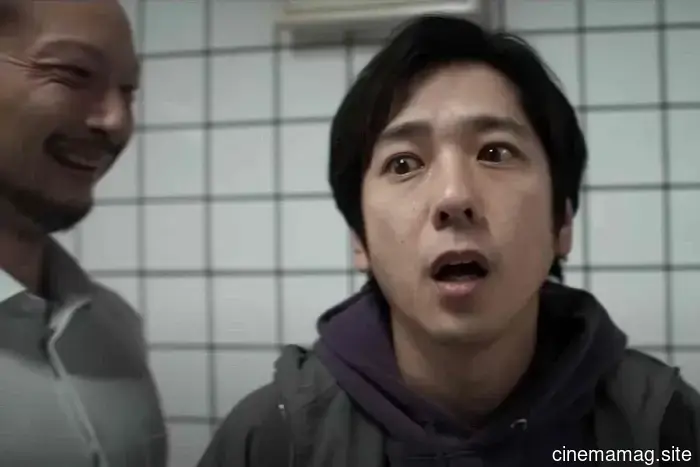
Blending Distinctions Between Mediums: An Exclusive Interview with Exit 8 Director Genki Kawamura
Robert Kojder speaks with Exit 8 director Genki Kawamura...
A prolific producer in Japanese cinema, having contributed to the works of Hirokazu Koreeda and Makoto Shinkai among others, Genki Kawamura is venturing into writing and directing. With one feature film and a short to his credit so far (the latter sharing themes with his current project), the much-acclaimed Cannes selection Exit 8 (adapted from the Kotake Create video game) not only garnered well-deserved praise but indicates that adapting from video games can be successful if the filmmaker has a strong perspective.
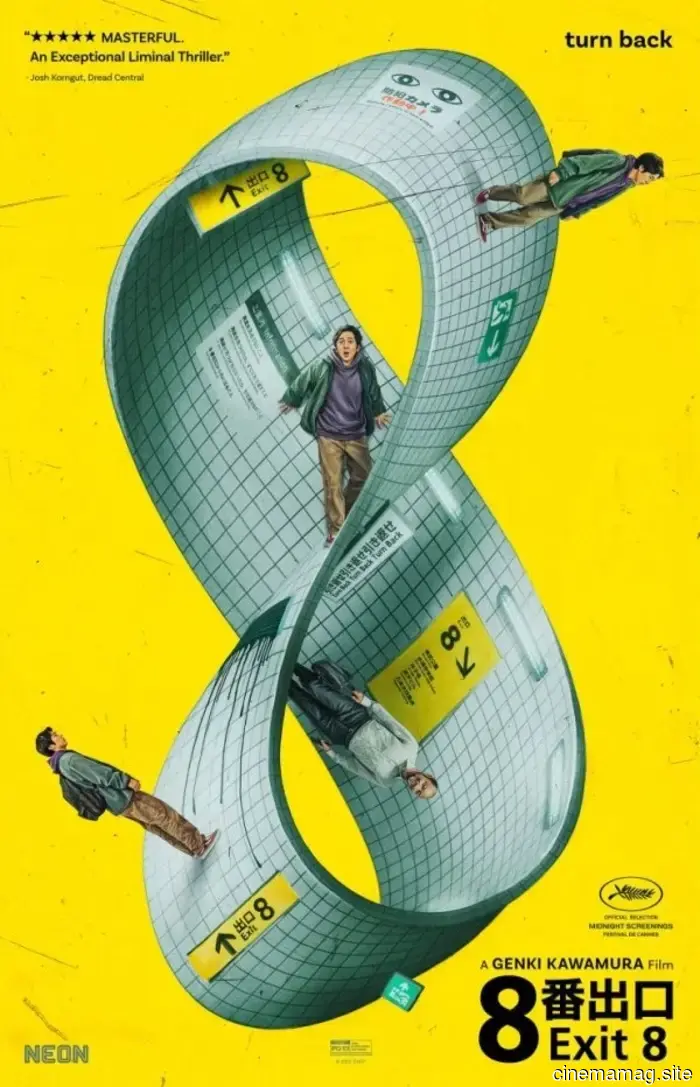
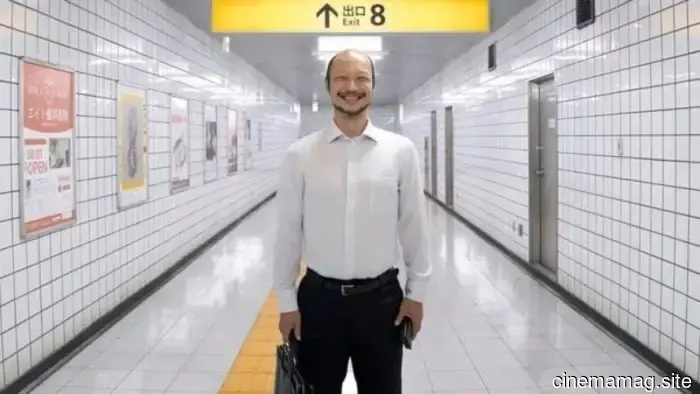
This is evident in his adaptation of the 2023 walking simulator, which lacks a narrative and functions more as a looping puzzle where players uncover physical or auditory anomalies in a subway corridor. A story has been introduced (co-written with Kentaro Hirase), skillfully woven in without compromising the gameplay, which translates smartly to the screen, complementing his psychological horror narrative that seemingly punishes characters with guilt. While declaring something the best video game adaptation may not set a high standard, it does illustrate that gameplay can transition into another medium effectively.
It was refreshing to discuss with Genki Kawamura how he achieved this and what inspired him. The film represents a blend of both media and stands out as psychologically intriguing. We also talked about the immersive experience (similar to playing a game while watching a film), the difficulties of filming scenes in endlessly looping hallways (he cleverly assigned nicknames to the hallways for the sake of clarity for the actors), a conversation with Nintendo's Shigeru Miyamoto, casting choices, and the creative thought behind some of the more haunting visuals. Enjoy the interview below:
This is an excellent psychological horror piece! In my experience, most adaptations of video games tend to strip out or reduce the gameplay. Here, you preserved the gameplay and transformed it into a cinematic experience that aligns with the story you're telling. I didn’t believe this could be achieved until I saw your adaptation of Exit 8. What led you to believe it could be done?
As you pointed out, it's a significant challenge, which is why I moved away from the idea of directly adapting a video game into a film. I aimed to blur the lines between the video game and film mediums to create a new type of viewing experience. I drew a lot of insights from a conversation with Nintendo’s Shigeru Miyamoto, who mentioned that great games need to entertain players but should also be enjoyable for those watching others play. In the film, I wanted to place the audience in the players’ perspectives, making it feel as if they were viewing a live stream of someone engaged in a game. My goal was to reflect the trends occurring within the gaming industry, involving players, streamers, and viewers, and portray that in film form.
I appreciate your perspective, as while watching, I indeed felt like I was on a Twitch stream searching for anomalies.
That was entirely intentional. I wanted the audience to search for anomalies alongside the characters on screen. I employed various camera angles during the actors' performances to create situations where viewers might spot anomalies before the protagonists do, and vice versa. This was done with a clear strategy in mind.
The narrative you’ve developed appears to suggest that some characters are facing consequences for their moral shortcomings in the real world, reminiscent of elements in the Silent Hill games. Was that a source of inspiration, and did you draw from any other games for your story?
I'm a fan of the Silent Hill games, but a significant portion of my inspiration stemmed from Dante’s Divine Comedy and the concept of purgatory, where individuals are evaluated for their sins. I see the corridor as a judge of the players who enter, reflecting their everyday guilt back at them.
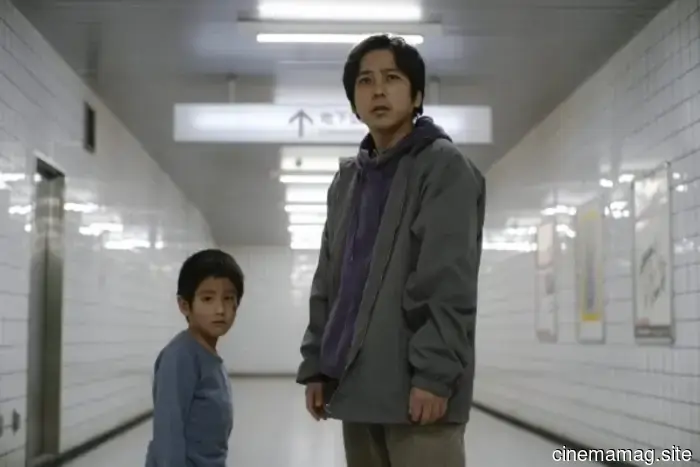
You've taken a courageous step in shifting perspectives to two different characters in the film. What gave you the assurance that this would work structurally and that audiences would connect with The Walking Man and The Boy?
While writing the screenplay, I watched numerous Twitch streams and recordings of various players engaging with Exit 8. I realized that there are countless stories depending on the player and the drama they create. The game's simplicity allows for varied reactions and interactions, leading me to understand that this game serves as a lens into human nature itself. Hence, I aimed to make the corridor almost a principal character in the film, with the yellow Exit 8 sign acting as a god figure overseeing this domain as players wandered through.
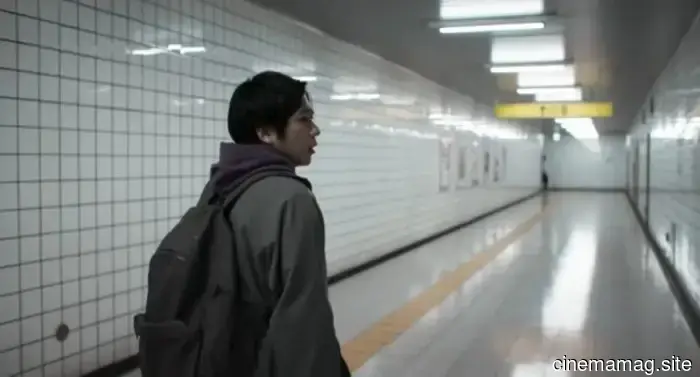
Regarding the corridor being like a character, I gather that it is inspired by an actual Japanese subway station. I assume you didn’t film there, but can you elaborate on the production design and any challenges you faced in recreating these endless hallways?
That's correct. Much of that was achieved through our set design, where we constructed two identical corridors. This replication allowed us to execute long takes and physically loop within the space. For example, The Walking Man, portrayed by Yamato Kochi
Other articles
 Blurring the Lines Between Mediums: Exclusive Interview with Exit 8 Director Genki Kawamura
Robert Kojder talks with Exit 8 director Genki Kawamura… He is a prolific producer in Japanese cinema, having contributed to the projects of Hirokazu Koreeda, Makoto Shinkai, and others…
Blurring the Lines Between Mediums: Exclusive Interview with Exit 8 Director Genki Kawamura
Robert Kojder talks with Exit 8 director Genki Kawamura… He is a prolific producer in Japanese cinema, having contributed to the projects of Hirokazu Koreeda, Makoto Shinkai, and others…
 Criminal Record unveils a thrilling trailer for season 2.
Apple TV has unveiled the trailer for the second season of Criminal Record, the popular crime drama featuring Peter Capaldi (Doctor Who) and Cush Jumbo (The Good Fight) as they strive to prevent a possible…
Criminal Record unveils a thrilling trailer for season 2.
Apple TV has unveiled the trailer for the second season of Criminal Record, the popular crime drama featuring Peter Capaldi (Doctor Who) and Cush Jumbo (The Good Fight) as they strive to prevent a possible…
 Top 5 Online Casinos in Australia for Real Money 2026: Best Aussie Casinos for Pokies and Quick Payouts
Discovering the top online casino in Australia is straightforward when you concentrate on the key aspects. Australian players seek substantial welcome bonuses along with an extensive
Top 5 Online Casinos in Australia for Real Money 2026: Best Aussie Casinos for Pokies and Quick Payouts
Discovering the top online casino in Australia is straightforward when you concentrate on the key aspects. Australian players seek substantial welcome bonuses along with an extensive
.jpg) Film Review – Hamlet (2025)
Hamlet, 2025. Directed by Aneil Karia. Featuring Riz Ahmed, Morfydd Clark, Timothy Spall, Art Malik, Jasmine Jobson, Sheeba Chaddha, Joe Alwyn, and Avijit Dutt. SYNOPSIS: Hamlet returns home for his father's…
Film Review – Hamlet (2025)
Hamlet, 2025. Directed by Aneil Karia. Featuring Riz Ahmed, Morfydd Clark, Timothy Spall, Art Malik, Jasmine Jobson, Sheeba Chaddha, Joe Alwyn, and Avijit Dutt. SYNOPSIS: Hamlet returns home for his father's…
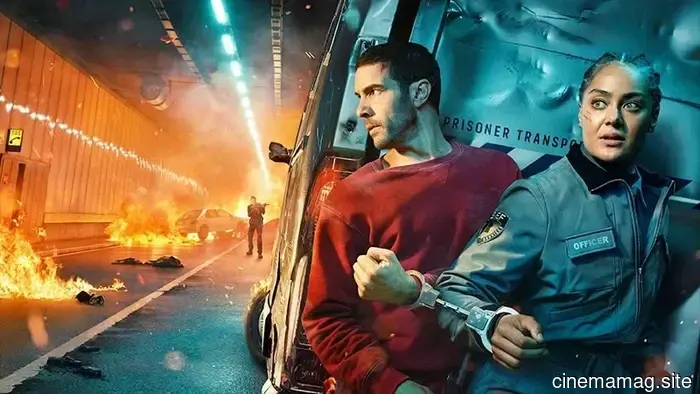 Trailer for the Sky action series Prisoner featuring Izuka Hoyle and Tahar Rahim.
Sky has unveiled a trailer for Prisoner, an upcoming action thriller series created by writer Matt Charman (Bridge of Spies) and director Otto Bathurst (Peaky Blinders). The story focuses on a young prisoner...
Trailer for the Sky action series Prisoner featuring Izuka Hoyle and Tahar Rahim.
Sky has unveiled a trailer for Prisoner, an upcoming action thriller series created by writer Matt Charman (Bridge of Spies) and director Otto Bathurst (Peaky Blinders). The story focuses on a young prisoner...
 Legally Blonde is making a comeback in theaters to celebrate its 25th anniversary, along with a sneak peek of the Elle prequel series.
Prior to Elle Woods’ return in the prequel series Elle, Amazon MGM Studios will commemorate the 25th anniversary of Legally Blonde by re-releasing it in theaters with a special preview…
Legally Blonde is making a comeback in theaters to celebrate its 25th anniversary, along with a sneak peek of the Elle prequel series.
Prior to Elle Woods’ return in the prequel series Elle, Amazon MGM Studios will commemorate the 25th anniversary of Legally Blonde by re-releasing it in theaters with a special preview…
Blending Distinctions Between Mediums: An Exclusive Interview with Exit 8 Director Genki Kawamura
Robert Kojder speaks with Exit 8 director Genki Kawamura… A prolific producer in Japanese cinema, he has contributed to the works of renowned filmmakers like Hirokazu Koreeda, Makoto Shinkai, and others…