
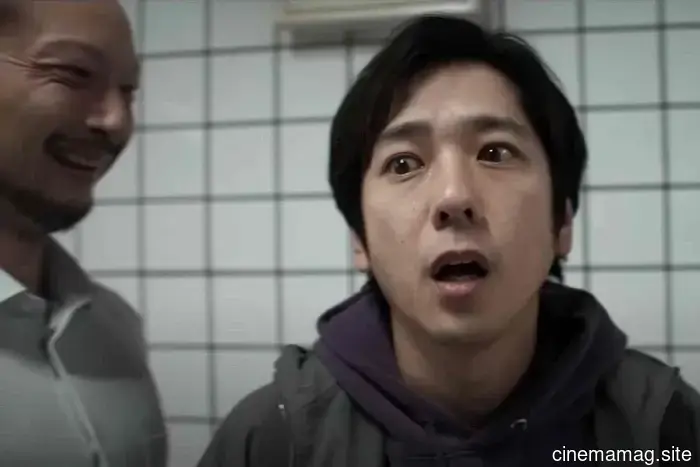
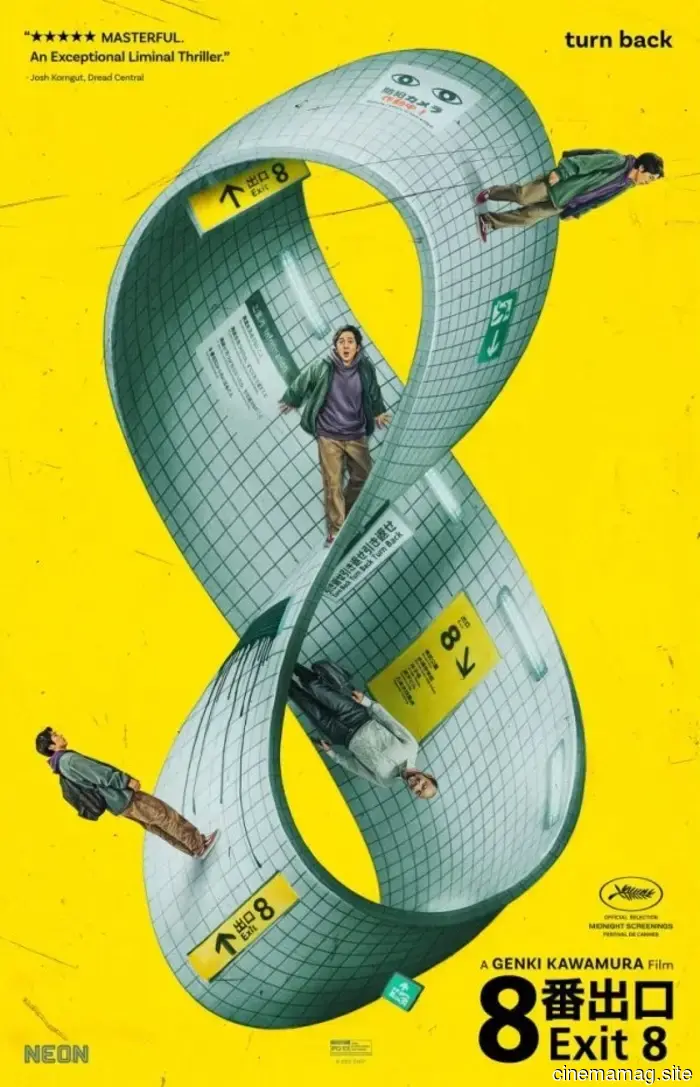
Blurred Lines Between Mediums: An Exclusive Interview with Genki Kawamura, Director of Exit 8
Robert Kojder speaks with Exit 8 director Genki Kawamura…
A prolific producer in Japanese cinema, contributing to the works of Hirokazu Koreeda, Makoto Shinkai, and others, Genki Kawamura is now stepping into the roles of writer and director. With one feature film and one short film to his credit (the latter sharing similar themes to this project), the highly regarded Cannes selection Exit 8 (inspired by the video game from Kotake Create) not only garnered significant praise but also suggests that adapting from video games isn't necessarily doomed to fail, provided the filmmaker has a unique perspective.
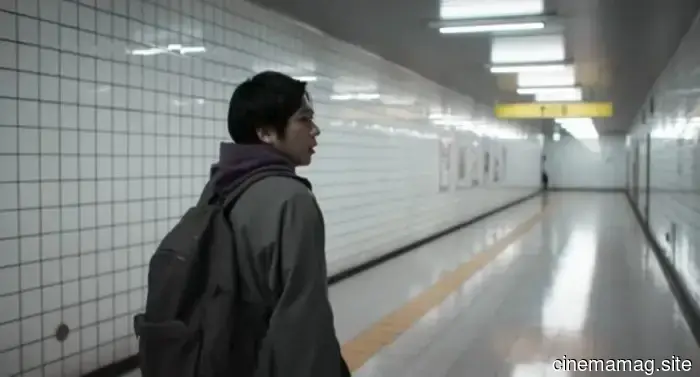
This is evident in Kawamura's adaptation of the 2023 walking simulator, which has no narrative but functions as a looping puzzle requiring players to detect physical or auditory anomalies in a subway station corridor. A narrative has been crafted (co-written with Kentaro Hirase), brilliantly integrated without compromising the gameplay essence, which has been skillfully translated into a cinematic format, simultaneously serving his psychological horror story by seemingly inflicting guilt on the characters. While calling it one of the finest video game adaptations isn't a lofty standard to meet, it does demonstrate that gameplay can be adapted into another medium without losing its core elements.
Thus, it was a pleasure to converse with Genki Kawamura about achieving this fusion and the inspirations behind it. The film represents a dynamic blend of both mediums and is psychologically engaging on its own. We also delved into the immersive experience (which feels like playing a game while watching a film), the difficulties of filming scenes with endlessly looping corridors (he has clever nicknames for each to help the actors), his conversation with Nintendo’s Shigeru Miyamoto, casting choices, and the creative process behind crafting some of the visually striking imagery. Enjoy the interview below:
This is impressive psychological horror! From my experience, many adaptations of games tend to strip down or eliminate gameplay elements. However, you retained the gameplay and transformed it into a cinematic experience within the narrative you presented. I wasn’t aware this could be done successfully until I watched your adaptation of Exit 8. What made you believe it was feasible?
As you pointed out, it’s a significant challenge, which led me to abandon the notion of adapting a video game into a film. Instead, I concentrated on blending the distinctions between video game and film mediums to create a new movie experience. I gathered many insights from my discussion with Nintendo’s Shigeru Miyamoto; he highlighted that great games should entertain players while also being enjoyable for those observing them play. In the film, I aimed to place the audience in the players’ roles and create an experience that felt like watching a livestream of someone else engaging with a video game. The goal was to encapsulate the dynamics within the video game industry involving players, streamers, and viewers, and translate that into film.
I appreciate how you articulated that because while watching the film, I felt like I was on a Twitch stream searching for anomalies as well.
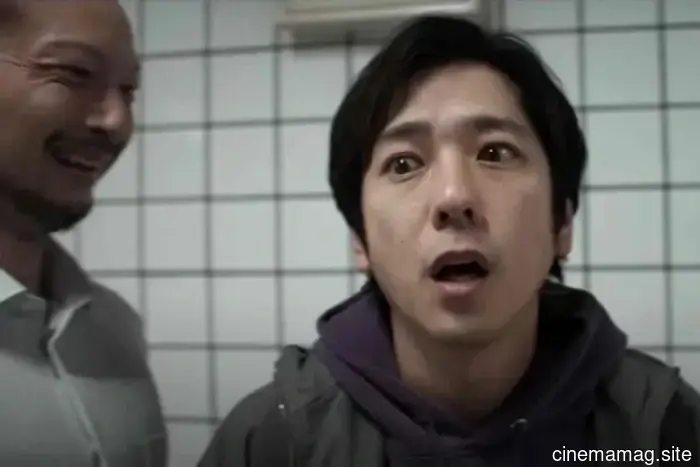
That was a deliberate choice. I wanted the audience to be engaged in searching for anomalies alongside the film’s characters. I achieved this through various camera angles during the actors’ performances. There are moments where the audience might spot certain anomalies before our protagonists do, as well as times when the protagonists notice something that the audience has yet to recognize. This was all meticulously planned.
The narrative you’ve created suggests that some characters are facing consequences for their real-world moral shortcomings, similar to themes present in the Silent Hill games. Was that one of the inspirations for your story, and did you draw from any other games?
I am a fan of the Silent Hill games as well, but much of my inspiration came from Dante’s Divine Comedy and the concept of purgatory, where individuals are judged for their sins. I believe the corridor serves as a judge for the players who enter it, based on the guilt they carry each day, reflecting it back at them.
You made an audacious decision to shift perspectives to two other characters throughout the film. What gave you the assurance that this structural approach would resonate with the audience and that they would connect with The Walking Man and The Boy?
During the screenplay writing process, I watched numerous Twitch streams and recordings of different players engaging with Exit 8. I realized that each player creates a unique story and drama. Given the game's simple design, it allows for diverse reactions and interactions. This realization highlighted how the game serves as a lens to explore human nature. Thus, I wanted the corridor to almost be a main character of the film, with the yellow Exit 8 sign acting as a god observing the domain of this corridor while various players entered.
Regarding the corridor being a character, I understand this is based on a real Japanese subway station. I assume you didn’t film there, but can you discuss the production design and the challenges of recreating these looping hallways?
That’s
Other articles
 Uma Thurman voltará na segunda temporada de Dexter: Resurrection.
The second season of Dexter: Resurrection will feature the return of another well-known character, with Uma Thurman returning to her role as Charley in the series. Charley served as the head of security an…
Uma Thurman voltará na segunda temporada de Dexter: Resurrection.
The second season of Dexter: Resurrection will feature the return of another well-known character, with Uma Thurman returning to her role as Charley in the series. Charley served as the head of security an…
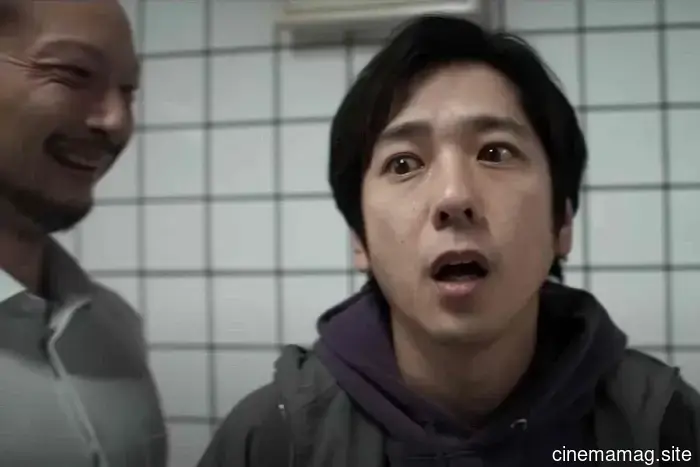 Blending Distinctions Between Mediums: An Exclusive Interview with Exit 8 Director Genki Kawamura
Robert Kojder speaks with Exit 8 director Genki Kawamura… A prolific producer in Japanese cinema, he has contributed to the works of renowned filmmakers like Hirokazu Koreeda, Makoto Shinkai, and others…
Blending Distinctions Between Mediums: An Exclusive Interview with Exit 8 Director Genki Kawamura
Robert Kojder speaks with Exit 8 director Genki Kawamura… A prolific producer in Japanese cinema, he has contributed to the works of renowned filmmakers like Hirokazu Koreeda, Makoto Shinkai, and others…
 Take an initial look at Legendary’s Pacific Rim: Final Breach.
This May, humanity confronts its greatest danger as the Precursors launch a new series of destructive Kaiju attacks on Earth in Pacific Rim: Final Breach, an original graphic novel by Legendary Comics…
Take an initial look at Legendary’s Pacific Rim: Final Breach.
This May, humanity confronts its greatest danger as the Precursors launch a new series of destructive Kaiju attacks on Earth in Pacific Rim: Final Breach, an original graphic novel by Legendary Comics…
.jpg) Film Review – Hamlet (2025)
Hamlet, 2025. Directed by Aneil Karia. Featuring Riz Ahmed, Morfydd Clark, Timothy Spall, Art Malik, Jasmine Jobson, Sheeba Chaddha, Joe Alwyn, and Avijit Dutt. SYNOPSIS: Hamlet returns home for his father's…
Film Review – Hamlet (2025)
Hamlet, 2025. Directed by Aneil Karia. Featuring Riz Ahmed, Morfydd Clark, Timothy Spall, Art Malik, Jasmine Jobson, Sheeba Chaddha, Joe Alwyn, and Avijit Dutt. SYNOPSIS: Hamlet returns home for his father's…
.jpg) Film Review – Hamlet (2025)
Hamlet, 2025. Directed by Aneil Karia. Featuring Riz Ahmed, Morfydd Clark, Timothy Spall, Art Malik, Jasmine Jobson, Sheeba Chaddha, Joe Alwyn, and Avijit Dutt. SYNOPSIS: Hamlet returns home for his father…
Film Review – Hamlet (2025)
Hamlet, 2025. Directed by Aneil Karia. Featuring Riz Ahmed, Morfydd Clark, Timothy Spall, Art Malik, Jasmine Jobson, Sheeba Chaddha, Joe Alwyn, and Avijit Dutt. SYNOPSIS: Hamlet returns home for his father…
 In the trailer for the comedy-drama, Alexandria Daddario, Daveed Diggs, Josh Gad, and Ashley Park face challenges during a Couples Weekend.
In anticipation of its release this May, Vertical has unveiled a poster and trailer for the forthcoming comedy-drama Couples Weekend. The film is penned and helmed by Nora Kirkpatrick and features Alexandria Daddario, Dav…
In the trailer for the comedy-drama, Alexandria Daddario, Daveed Diggs, Josh Gad, and Ashley Park face challenges during a Couples Weekend.
In anticipation of its release this May, Vertical has unveiled a poster and trailer for the forthcoming comedy-drama Couples Weekend. The film is penned and helmed by Nora Kirkpatrick and features Alexandria Daddario, Dav…
Blurred Lines Between Mediums: An Exclusive Interview with Genki Kawamura, Director of Exit 8
Robert Kojder engages in a conversation with Exit 8 director Genki Kawamura… An active producer who has significantly contributed to Japanese cinema, marking his presence on the projects of Hirokazu Koreeda, Makoto Shinkai, and more…