
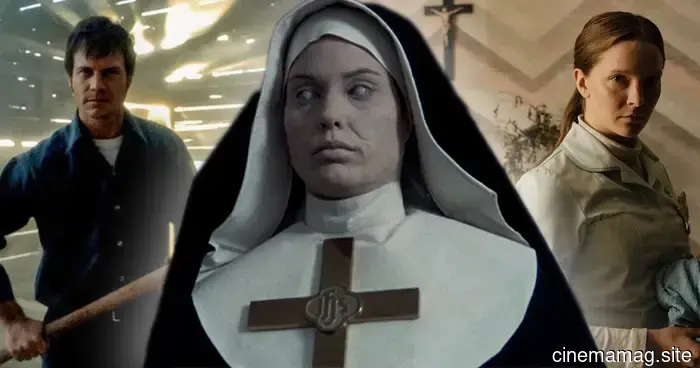
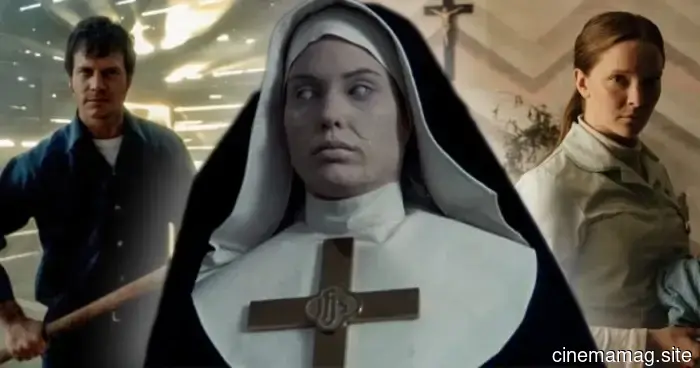
10 Frightening Religious Horror Films You Might Have Overlooked
Casey Chong presents ten chilling religious horror films you might have overlooked…
The horror genre is characterized by its ability to address a variety of themes, allowing filmmakers the freedom to delve into specific topics or combine multiple elements creatively. A prevalent theme within this genre is religious horror, which often delves into aspects like faith, guilt, doubt, and trauma, utilizing them for traditional scares or psychological and supernatural effects.
Classic religious horror films, such as Rosemary’s Baby, The Exorcist, The Omen, and The Conjuring, have played a significant role in shaping the horror landscape, influencing numerous subsequent films, whether positively or negatively. However, several religious horror titles have regrettably faded into obscurity or failed to garner sufficient attention at the time of their release. With this in mind, here are ten lesser-known religious horror films that deserve a spot on your watchlist…
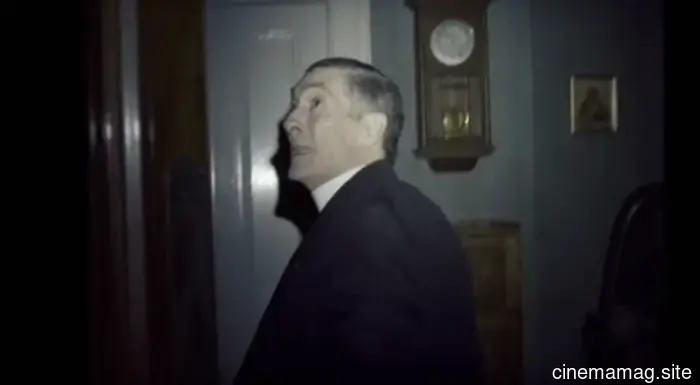
God Told Me To (1976)
Screenwriter-director Larry Cohen begins with a chilling opening sequence: a shooter random murder of innocent pedestrians from a water tower using a rifle. The disquieting part is his odd rationale, asserting that "God told me to."
The film initiates as a police procedural, centering on a Catholic NYPD detective, Lieutenant Peter Nicholas (played by Tony Lo Bianco), as he investigates a series of peculiar murders, all involving the killers confessing to the same disturbing statements. Cohen’s versatile direction deftly shifts between genres, touching on themes like religious fanaticism and alien abduction, creating a series of tonal transitions that may feel like a blend of disparate elements. This unconventional, genre-defying style elevates God Told Me To beyond standard religious horror conventions.
Saint Maud (2019)
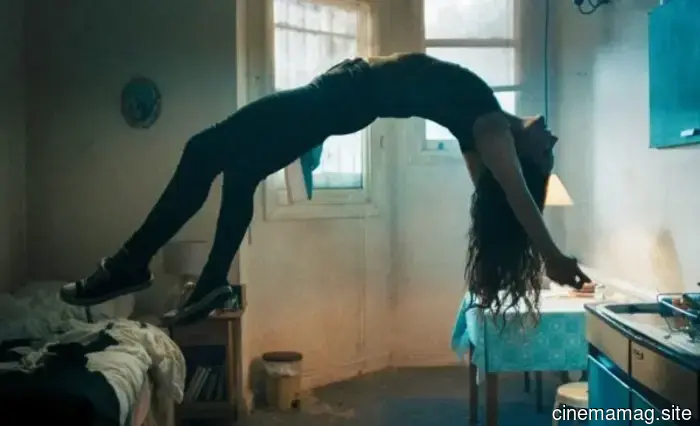
Rose Glass' directorial debut tells the tale of a devout character named Katie (Morfydd Clark), who adopts the name Maud upon starting her new role as a private nurse providing palliative care for a terminally ill patient, Amanda (Jennifer Ehle). Maud soon believes she has been chosen by God to save Amanda's soul, blurring the line between rational thought and blind faith. Glass employs a deliberate slow-burn approach, exploring the character’s complex psyche, suggesting that Maud’s deep faith serves as a coping mechanism for her guilt and social isolation.
The film amplifies its ominous atmosphere through Clark’s committed performance and Glass’ minimalist direction, utilizing sound design, static shots, lingering close-ups, and religious imagery to create a disquieting environment. She prioritizes psychological tension over traditional jump scares, saving those for a visceral climax.
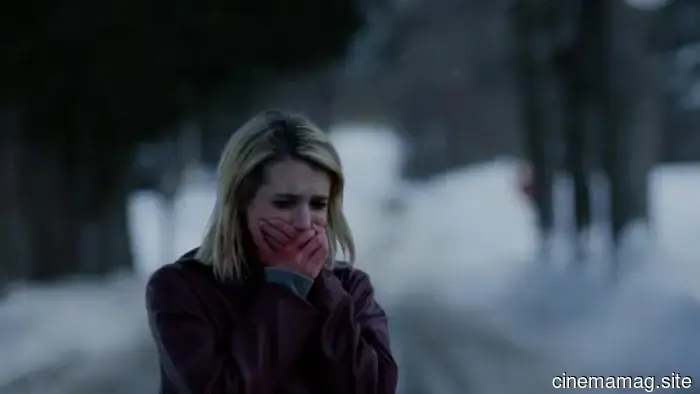
The Blackcoat’s Daughter (2015)
A promising but underappreciated debut, Osgood Perkins demonstrates strong storytelling skills as he crafts this 93-minute slow-burn horror. Utilizing visual silence and stillness, he avoids conventional jump scares which may deter viewers expecting a typical religious horror film.
Instead, Perkins' atmosphere-centric direction keeps the narrative engaging, employing a non-linear structure that intertwines the timelines of characters Kat (Kiernan Shipka), Rose (Lucy Boynton), and Joan (Emma Roberts). The isolation experienced by Kat and Rose, the remaining students at an all-girls Catholic boarding school as others leave for winter break, allows Perkins to delve into themes of existential dread rooted in loneliness, abandonment, and vulnerability. Joan’s character serves as a meticulous twist, ultimately shifting audience expectations as the story unfolds.
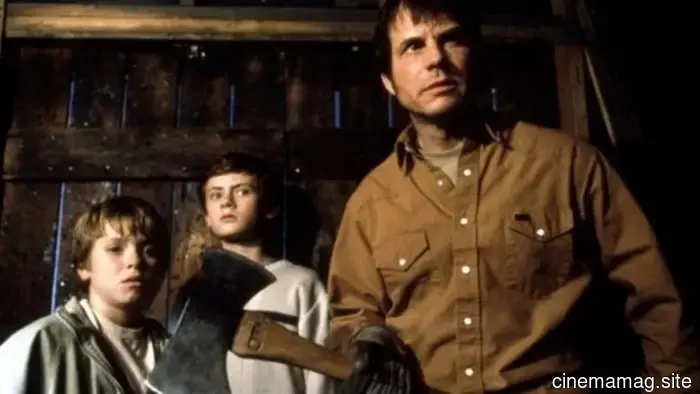
Frailty (2001)
Bill Paxton proves himself not just a talented character actor but also a capable director with his feature debut, Frailty. This story unfolds from the perspective of Fenton Meiks (Matthew McConaughey), alternating between the present—where he confesses to an FBI agent (Powers Boothe) about the identity of a serial killer known as “God’s Hand”—and flashbacks to his childhood alongside his brother Adam, under the guidance of their mechanic father (Paxton), who claims to have been visited by an angel of God tasked with eliminating demons disguised as humans.
Paxton skillfully creates an atmosphere where lines blur between reality and delusion, making us question whether his father's actions are God's will or a manifestation of severe mental illness. Frailty elicits discomfort through its ambiguity, opting for an atmospheric dread rather than jump scares while tackling themes of questionable faith and fanaticism.
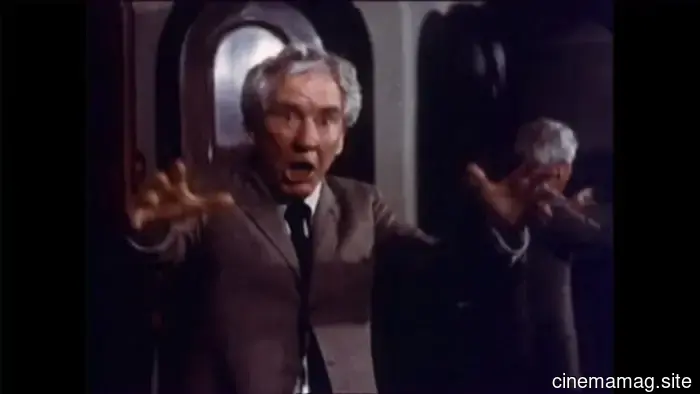
The Sentinel (1977)
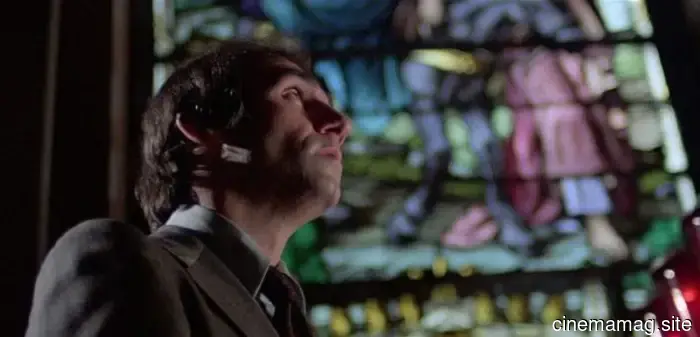
While Michael Winner is mainly recognized for directing the first three Death Wish films featuring Charles Bronson, he also effectively ventures into horror with The Sentinel. Released during the peak of the religious horror trend, the narrative follows a young fashion model, Alison Parker (Cristina Raines), who encounters a series of strange events after moving into a peculiar apartment complex inhabited by odd neighbors, including the flamboyant Charles Chazen (Burgess Meredith).
Despite some familiar elements, Winner skillfully constructs a slow-burn tension that melds psychological unease with surreal shock moments. The film's increasingly dark ending makes bold choices, including Winner
Other articles
 The 12 Most Alluring Films We've Ever Watched
Here are the 12 most alluring films we have encountered.
The 12 Most Alluring Films We've Ever Watched
Here are the 12 most alluring films we have encountered.
 Marvel will highlight Alex Ross' Marvel Dimensions through a series of variant covers.
Renowned artist Alex Ross is reinterpreting the Marvel Universe this September with the original graphic novel Marvel Dimensions. To celebrate its release, there will be eighteen breathtaking painted artworks...
Marvel will highlight Alex Ross' Marvel Dimensions through a series of variant covers.
Renowned artist Alex Ross is reinterpreting the Marvel Universe this September with the original graphic novel Marvel Dimensions. To celebrate its release, there will be eighteen breathtaking painted artworks...
 Hasbro has revealed the Transformers Flame Toys Kuro Kara Kuri White Ultra Magnus action figure.
Hasbro has officially begun accepting pre-orders for the Transformers Flame Toys Kuro Kara Kuri White Ultra Magnus, a high-end 8.3-inch collector’s edition figure that reinterprets the Autobot leader…
Hasbro has revealed the Transformers Flame Toys Kuro Kara Kuri White Ultra Magnus action figure.
Hasbro has officially begun accepting pre-orders for the Transformers Flame Toys Kuro Kara Kuri White Ultra Magnus, a high-end 8.3-inch collector’s edition figure that reinterprets the Autobot leader…
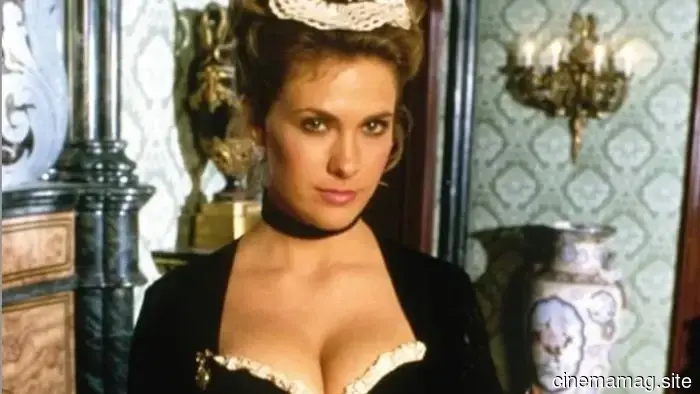 13 Timeless Films That Failed at the Box Office
Here are 12 classic films that struggled at the box office. Over the years and decades following their release, their reputations have significantly improved.
13 Timeless Films That Failed at the Box Office
Here are 12 classic films that struggled at the box office. Over the years and decades following their release, their reputations have significantly improved.
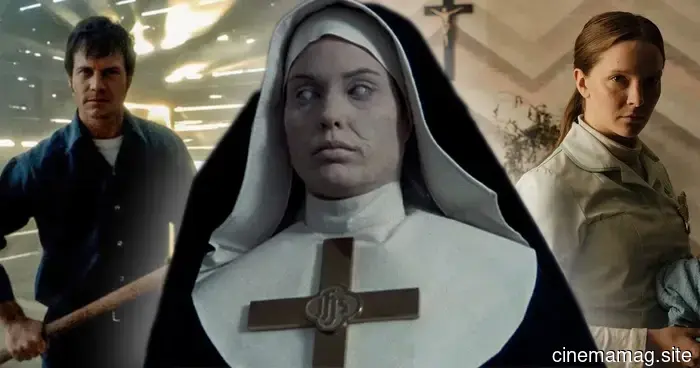 10 Scary Religious Horror Films You Might Have Overlooked
Casey Chong presents ten haunting religious horror films you might have overlooked... The horror genre includes a diverse array of themes that enable filmmakers to delve into particular topics or blend elements together...
10 Scary Religious Horror Films You Might Have Overlooked
Casey Chong presents ten haunting religious horror films you might have overlooked... The horror genre includes a diverse array of themes that enable filmmakers to delve into particular topics or blend elements together...
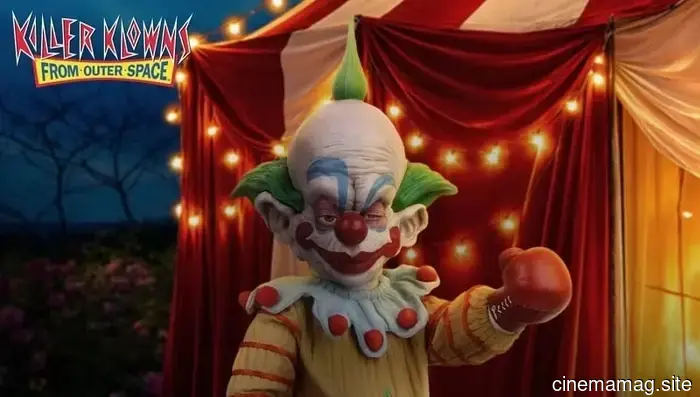 Shorty becomes part of Mezco Toyz's plush collection for Killer Klowns from Outer Space.
Mezco Toyz has revealed that Shorty will soon be added to the MDS Mega Scale plush collection, joining the previously launched Slim, both inspired by the cult classic 1988 sci-fi horror-comedy Killer…
Shorty becomes part of Mezco Toyz's plush collection for Killer Klowns from Outer Space.
Mezco Toyz has revealed that Shorty will soon be added to the MDS Mega Scale plush collection, joining the previously launched Slim, both inspired by the cult classic 1988 sci-fi horror-comedy Killer…
10 Frightening Religious Horror Films You Might Have Overlooked
Casey Chong presents ten unsettling religious horror films you might have overlooked... The horror genre includes a diverse array of themes that enable filmmakers to delve into particular topics or combine various elements...