
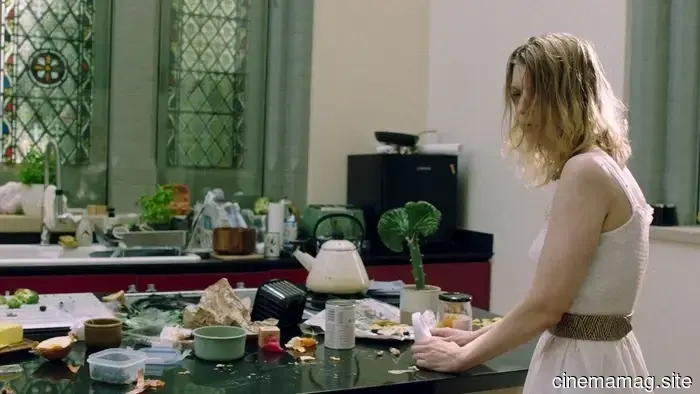
In 'Sleepeater,' Two Women Disavow the Caretaker Role — and Claim Their Father's House Instead
“Sleepeater” director Amrita Acharia highlights that women are frequently assigned caregiver roles, whether they desire them or not — they’re expected to look after children, partners, and elderly parents alike.
In “Sleepeater,” the main characters Ahri and Matilda (portrayed by Jordan Alexandra and Amelia Clay) have no intention of caring for Ahri’s ailing father (Emilio Doorgasingh). When he shows even the slightest signs of decline, they have him admitted to a facility and take over his modernist home, where they have been collaborating on renovations, and commit to raising their new child in that space.
However, guilt begins to set in. Along with it comes an abundance of slugs. Their seemingly perfect life is disrupted by an unforeseen sleeplessness.
The film is being screened today at the Poppy Jasper International Film Festival as part of LGBTQ Day. We spoke with Acharia and her co-writer, Max Krupski, about themes of sleep, the complexity of character likability, and finding an appropriate substitute for slugs.
Amrita Acharia and Max Krupski Discuss Creating ‘Sleepeater’
MovieMaker: I’m intrigued by the title — a quick search reveals sleep eating is a disorder akin to sleepwalking, where individuals eat unconsciously during sleep. However, that doesn't appear to be the main focus of the film, except perhaps on a metaphorical level. Can you elaborate on how you came to select this title?
Amrita Acharia: Both Max and I have dealt with insomnia and its effects on one’s physical and mental well-being. The title emerged before the entire story was fleshed out, stemming from a concept Max devised about two women trapped in a continuous state of sleeplessness. The narrative intertwines the guilt that gnaws at the women with the paranoia that escalates as the film progresses.
Max Krupski: Amrita and I often compile extensive lists of fragmented moments or images that we then develop into full stories. For “Sleepeater,” we consistently returned to the theme of guilt. The character's insomnia deteriorates their mental state and relationship uncontrollably, making the title both a literal and metaphorical reflection of this experience.
MovieMaker: Amrita, this is your second short film that explores the dynamics of caring for aging parents. In your earlier work, “Carer,” a daughter feels overwhelmed by her responsibilities towards her mother. In contrast, this film features a daughter (and her partner) who reject that obligation. What draws you to this theme?
Amrita Acharia: Society often assigns caregiving roles to women as a default expectation, irrespective of the circumstances. Opting for what may be the “better” choice often invites judgment, guilt, and feelings of neglect. In “Sleepeater,” the choices made lead to sleeplessness — whether viewed as a curse, guilt, or in another light by the audience. Ultimately, the focus isn’t solely on this specific issue but on portraying women in "unpleasant" situations that may evoke discomfort in viewers.
MovieMaker: Traditionally, audiences are inclined to root for protagonists who are portrayed as loving partners and parents. Yet, right from the beginning, the couple’s seemingly callous act of sending the elderly father away and taking possession of the house they were renovating raises questions, especially since he doesn't obviously seem to need professional care. As the women's situation darkens, we empathize with their plight but also can't help but think of the man they've sent away. How did you navigate creating characters that are both sympathetic and unsympathetic, and how does this dynamic serve the story?
Amrita Acharia: Max and I strive to uncover the most honest, human aspects of our characters, while purposely not shying away from revealing their darker, less palatable traits, particularly in women. Rather than concentrating on their likability or how audiences might empathize with them, we aimed to make their actions relatable and at times questionable.
I don't believe it's necessary for viewers to fully support them to resonate with the story — if there’s a perception of balance regarding their sympathy, that ultimately depends on the audience's individual connection to the characters and their circumstances. I think that balance arises from rooting them in realism without fear of them being unlikable.
Max Krupski: People can do terrible things; that’s part of being human. What matters is how you act after making a mistake. We've always believed that if the couple could just experience a moment of clarity and communicate openly, they could have been all right. However, the guilt expressed through their insomnia isolates them and ultimately leads to their downfall.
MovieMaker: Amrita, alongside your directing work, you have a successful acting career. Yet you have not acted in your own films so far. What motivates your decision to keep these roles separate?
Amrita Acharia: I wouldn’t rule it out for the future, but at this stage
Other articles
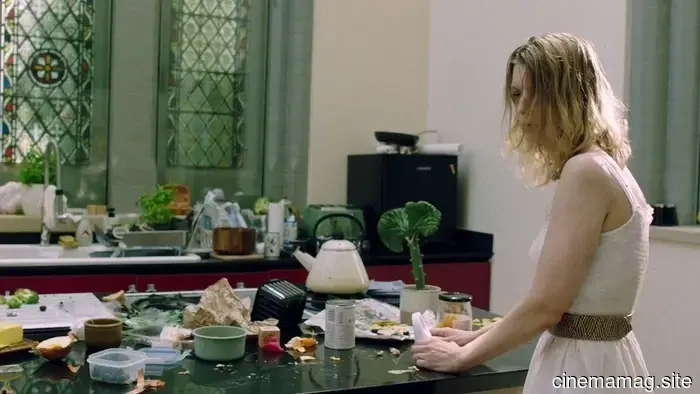 In 'Sleepeater,' Two Women Refuse the Caretaker Role — and Opt for Dad's House Instead.
"Sleepeater" director Amrita Acharia observes that women frequently find themselves in caregiver positions, regardless of their desire to be in such roles — they are expected to provide care for
In 'Sleepeater,' Two Women Refuse the Caretaker Role — and Opt for Dad's House Instead.
"Sleepeater" director Amrita Acharia observes that women frequently find themselves in caregiver positions, regardless of their desire to be in such roles — they are expected to provide care for
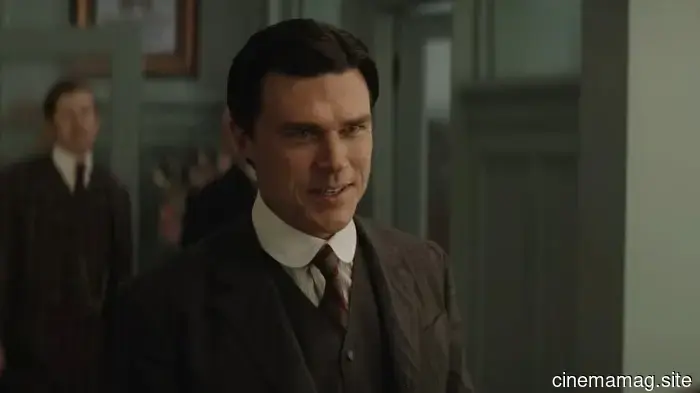 Finn Wittrock is renowned for his role as a chocolate magnate in the trailer for the Hershey biopic.
Angel Studios has put together the trailer for Hershey, which tells the true story of Milton S. Hershey, the real-life Willy Wonka and the founder of the well-known chocolate empire. Directed by Mark Waters (Mr. Popper’s…
Finn Wittrock is renowned for his role as a chocolate magnate in the trailer for the Hershey biopic.
Angel Studios has put together the trailer for Hershey, which tells the true story of Milton S. Hershey, the real-life Willy Wonka and the founder of the well-known chocolate empire. Directed by Mark Waters (Mr. Popper’s…
.jpeg) 4K Ultra HD Review – The Killer (1989)
The Killer, 1989. Directed by John Woo. Featuring Chow Yun-Fat, Danny Lee, Sally Yeh, Barry Wong, Kenneth Tsang, and Chu Kong. SUMMARY: An assassin takes on one final assignment to afford a surgery to regain someone's vision…
4K Ultra HD Review – The Killer (1989)
The Killer, 1989. Directed by John Woo. Featuring Chow Yun-Fat, Danny Lee, Sally Yeh, Barry Wong, Kenneth Tsang, and Chu Kong. SUMMARY: An assassin takes on one final assignment to afford a surgery to regain someone's vision…
 In a Doctor Who adventure, the Ninth Doctor and Rose encounter a Pandemonium.
The Ninth Doctor Adventures: Pandemonium, a fresh adventure featuring the Ninth Doctor, is now available from Big Finish. This installment delivers total chaos to the Powell Estate. The past has b...
In a Doctor Who adventure, the Ninth Doctor and Rose encounter a Pandemonium.
The Ninth Doctor Adventures: Pandemonium, a fresh adventure featuring the Ninth Doctor, is now available from Big Finish. This installment delivers total chaos to the Powell Estate. The past has b...
 Casinos with No Deposit Bonuses: Current Free Spins Promotions & Codes - MovieMaker Magazine
Locating genuine no deposit bonus casinos involves maneuvering through a terrain where regulated markets have become stricter with promotions, alongside offshore and crypto options.
Casinos with No Deposit Bonuses: Current Free Spins Promotions & Codes - MovieMaker Magazine
Locating genuine no deposit bonus casinos involves maneuvering through a terrain where regulated markets have become stricter with promotions, alongside offshore and crypto options.
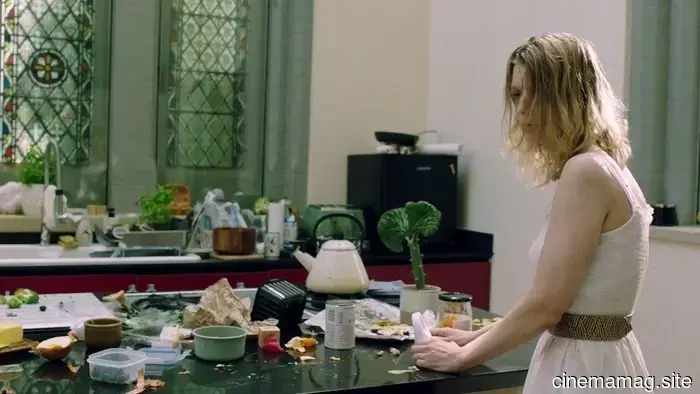 In 'Sleepeater,' Two Women Dismiss the Caregiver Role — and Assume Ownership of Dad's House Instead.
"Sleepeater" director Amrita Acharia points out that women frequently find themselves in caregiver positions, regardless of their preferences — they are expected to not only provide care for
In 'Sleepeater,' Two Women Dismiss the Caregiver Role — and Assume Ownership of Dad's House Instead.
"Sleepeater" director Amrita Acharia points out that women frequently find themselves in caregiver positions, regardless of their preferences — they are expected to not only provide care for
In 'Sleepeater,' Two Women Disavow the Caretaker Role — and Claim Their Father's House Instead
"Sleepeater" director Amrita Acharia observes that women frequently receive caregiver responsibilities, regardless of their desires — they are expected to provide care not only for