

7 Overlooked Serial Killer Films from the 2000s
Casey Chong highlights seven overlooked serial killer films from the 2000s…
The 2000s experienced a boom in thrillers, particularly in the serial killer subgenre, emphasizing the complex psychological and often morally ambiguous motivations of the protagonists. Memorable and critically acclaimed films like American Psycho, Hannibal, Saw, and Memories of Murder left a significant mark on cinema, demonstrating that audiences were more inclined to appreciate darker and more challenging narratives focusing on themes such as obsession, trauma, and revenge. Nevertheless, as with many genres, some films didn't receive the recognition they deserved, overshadowed by more prominent titles. Here, we explore seven of the most underrated serial killer films from the 2000s that merit a second viewing…
Mr. Brooks (2007)
Mr. Brooks represented a notable shift for Kevin Costner, who took a daring step away from his usual roles to portray a psychologically disturbed serial killer. Directed by Bruce A. Evans in his second directorial effort after 1992’s Kuffs, the plot centers on the dual life of the main character: a successful entrepreneur who runs a box-making business and a devoted family man with a lovely wife (Marg Helgenberger) and a teenage daughter (Danielle Panabaker). Secretly, he is addicted to killing, earning himself the moniker "Thumbprint Killer" for leaving a bloody thumbprint of his victims at the crime scene.
While the killer's methodical and unremorseful nature complements Costner's typically stoic demeanor, the film also introduces pitch-black humor through William Hurt's Marshall, who serves as Brooks' witty alter ego and inner voice. Additionally, the plot thickens with a storyline involving a young aspiring killer (Dane Cook) who blackmails Brooks into teaching him how to commit the perfect murder, alongside a police investigation led by Demi Moore’s spirited performance as Detective Tracy Atwood. Intended to be the first film of a trilogy, despite earning $48.1 million on a $20 million budget, it wasn't sufficient to greenlight the subsequent sequels.
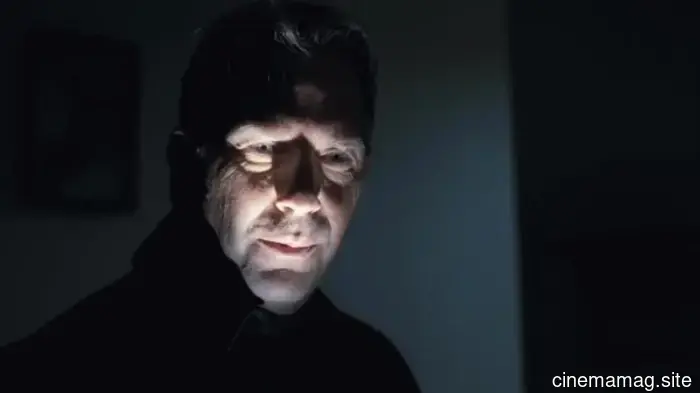
Evilenko (2004)
The film Evilenko, loosely inspired by the real-life Soviet serial killer Andrei Chikatilo, features Malcolm McDowell in the unsettling title role, targeting children and young women for horrific acts of murder, rape, and cannibalism. Directing his feature-length debut is Italian filmmaker David Grieco, who does not shy away from illustrating the abhorrent nature of McDowell’s character as a schoolteacher in Kyiv, where he attempts to molest a student.
The film maintains a stark and unsettling tone as it chronicles Evilenko’s grim modus operandi, with the number of victims escalating. The introduction of Vadim Timurovich Lesiev (a no-nonsense Marton Csokas), a magistrate enlisted to hunt down the serial killer, adds intrigue to the ensuing cat-and-mouse game. Rather than veering into high-octane chase movie clichés, Grieco focuses on the psychological confrontation between Vadim and Evilenko. While the subject matter is graphic, the murders are depicted with a more clinical approach, avoiding the sensationalism often present in Hollywood thrillers.
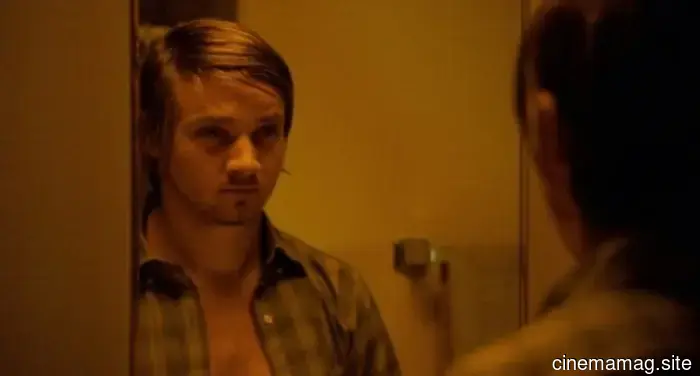
Dahmer (2002)
Before becoming known for his role as Hawkeye in the MCU and other high-profile films like The Hurt Locker and The Bourne Legacy, Jeremy Renner starred in the independent biographical crime drama Dahmer. The film’s title refers to Jeffrey Dahmer, the infamous real-life serial killer responsible for multiple murders from 1978 to 1991. Director and co-writer David Jacobson opts for an intimate character study focusing on Dahmer's present-day crimes, complemented by flashbacks told in a non-linear format.
While this narrative technique may seem like a gimmick, it serves to reflect Dahmer’s cold and fractured emotional state of detachment, loneliness, and social inadequacy. Jacobson avoids sensationalizing Dahmer’s violent actions, capturing an atmosphere of dread instead. Much of the film's impact can be attributed to Renner’s understated performance, whose glassy stare and indifferent demeanor become increasingly unsettling during his actions. This role garnered him an Independent Spirit Award nomination for Best Male Lead.
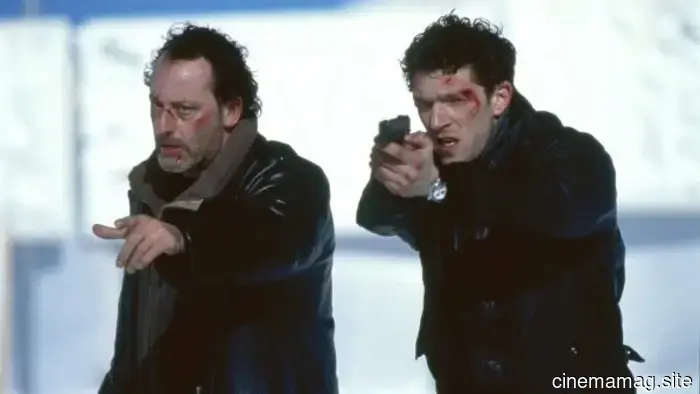
Antibodies (2005)
Prior to his brief Hollywood stint seen in Pandorum and Case 39, German director Christian Alvart created a Silence of the Lambs-style crime thriller and police procedural titled Antibodies. The film opens with a gripping police raid aimed at apprehending the serial killer and child molester Gabriel Engel (brilliantly portrayed by André Hennicke), who is responsible for the deaths of 13 boys. The narrative centers on the psychological manipulation between the imprisoned Engel and the devoted officer Michael Martens (Wotan Wilke Möhring, delivering a compelling performance), who grapples with his moral and faith convictions.
Alvart prioritizes the psychological warfare between Engel and Martens over the gruesome




Other articles
 Best PayID Casinos in Australia 2026 - Top 5 Australian Casinos for Quick PayID Withdrawals & Genuine Money Bonuses -
In addition to quicker and more secure payouts, the top PayID casinos in Australia provide a range of additional benefits. These include impressive welcome bonuses, high RTP pokies, and
Best PayID Casinos in Australia 2026 - Top 5 Australian Casinos for Quick PayID Withdrawals & Genuine Money Bonuses -
In addition to quicker and more secure payouts, the top PayID casinos in Australia provide a range of additional benefits. These include impressive welcome bonuses, high RTP pokies, and
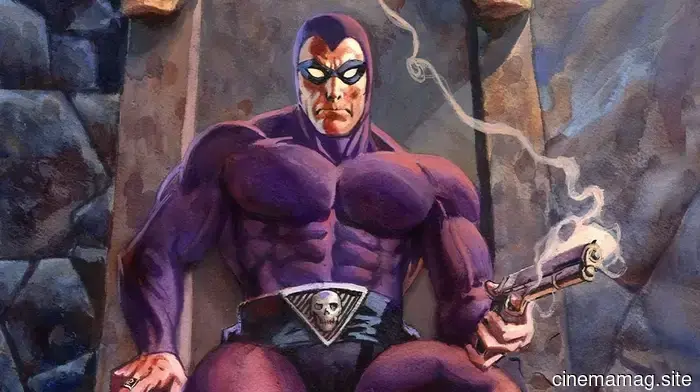 The classic comic The Phantom is getting a live-action television series.
The legendary comic character The Phantom is poised for another opportunity at live-action success through a television series created by the director of Candy Cane Lane. Variety has reported that Regin…
The classic comic The Phantom is getting a live-action television series.
The legendary comic character The Phantom is poised for another opportunity at live-action success through a television series created by the director of Candy Cane Lane. Variety has reported that Regin…
 Infinity Studio presents the Arwen 1:2 scale collectible statue from The Lord of the Rings.
Infinity Studio has officially introduced its 1:2 scale Arwen statue, drawing inspiration from Liv Tyler's portrayal of the Lady of Rivendell in Peter Jackson's epic fantasy trilogy, The Lord of t...
Infinity Studio presents the Arwen 1:2 scale collectible statue from The Lord of the Rings.
Infinity Studio has officially introduced its 1:2 scale Arwen statue, drawing inspiration from Liv Tyler's portrayal of the Lady of Rivendell in Peter Jackson's epic fantasy trilogy, The Lord of t...
 Hasbro brings the Marvel Legends Series to life with Moon Knight, Jeff the Land Shark, Venom, Spider-Man, and Luna Snow from Marvel Rivals.
Hasbro has officially announced a new collection of Marvel Legends Series action figures from the popular video game Marvel Rivals during its Fanstream earlier this week, featuring Moon Knight along with 2-p…
Hasbro brings the Marvel Legends Series to life with Moon Knight, Jeff the Land Shark, Venom, Spider-Man, and Luna Snow from Marvel Rivals.
Hasbro has officially announced a new collection of Marvel Legends Series action figures from the popular video game Marvel Rivals during its Fanstream earlier this week, featuring Moon Knight along with 2-p…
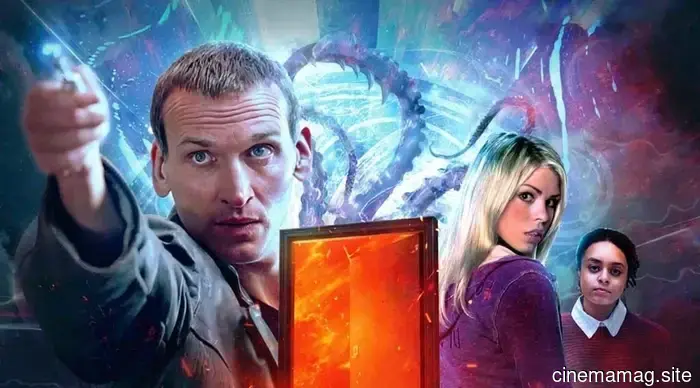 It's Thirteen O'Clock for The Ninth Doctor and Rose in a fresh Doctor Who adventure.
Frequent listeners of the Ninth Doctor's escapades from Big Finish will recognize that the Doctor and Rose Tyler have been drawn back to the Powell Estate numerous times, experiencing a variety of events…
It's Thirteen O'Clock for The Ninth Doctor and Rose in a fresh Doctor Who adventure.
Frequent listeners of the Ninth Doctor's escapades from Big Finish will recognize that the Doctor and Rose Tyler have been drawn back to the Powell Estate numerous times, experiencing a variety of events…
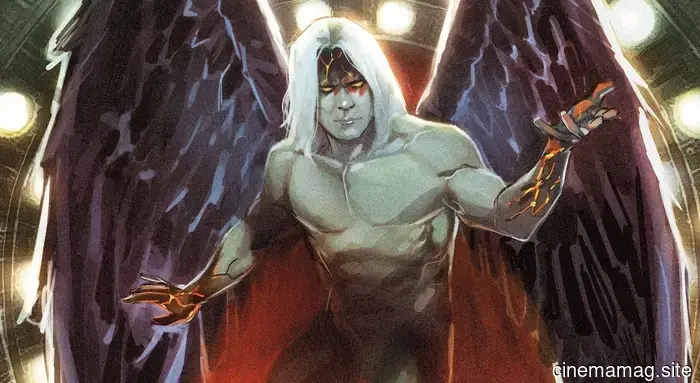 Comic Book Sneak Peek – Event Horizon: Inferno #1
This Wednesday marks the release of IDW Dark’s Event Horizon: Inferno, an official sequel to the beloved 1997 sci-fi horror film, and you can catch a glimpse of the opening…
Comic Book Sneak Peek – Event Horizon: Inferno #1
This Wednesday marks the release of IDW Dark’s Event Horizon: Inferno, an official sequel to the beloved 1997 sci-fi horror film, and you can catch a glimpse of the opening…
7 Overlooked Serial Killer Films from the 2000s
Casey Chong showcases seven lesser-known serial killer films from the 2000s. This decade experienced a rise in thrillers, particularly within the serial killer subgenre, emphasizing the intense psychological aspects…