
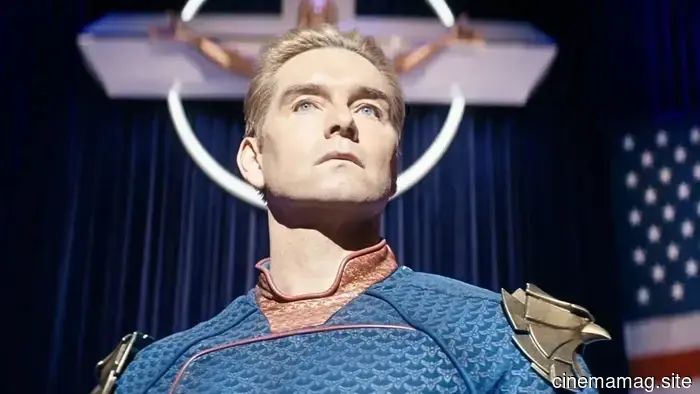
Overstuffed Casts, Unsatisfying Conclusions: The Reasons The Boys and other major shows struggle to conclude effectively.
Anghus Houvouras discusses The Boys and the reasons many major shows struggle to deliver a satisfying conclusion. A recurring issue plaguing the final seasons of beloved television series is evident. We witnessed it diminish Game of Thrones, and we're currently seeing it affect Stranger Things and The Boys. While it's not fair to blame the decline of these popular shows on just one creative mistake, they do share a significant commonality: an excess of characters.
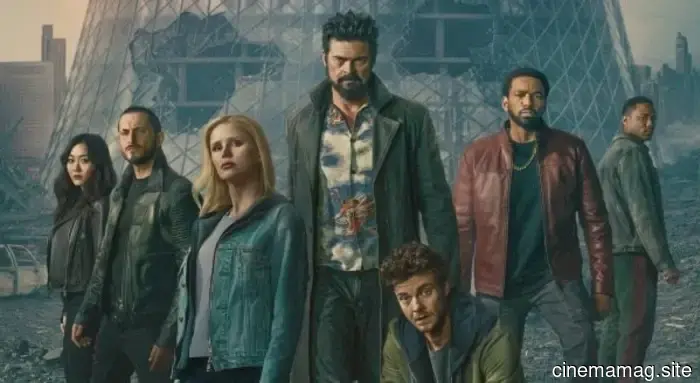
Hughie, Butcher, Frenchie, Mother’s Milk, Starlight, Kimiko, A-Train, Homelander, The Deep, Ashley, Black Noir, Soldier Boy.
As a series expands to grand proportions, it accumulates a considerable narrative debt. When the final season arrives, it’s time to settle that debt. Unfortunately, under the modern streaming model, showrunners are attempting to repay that debt with insufficient resources.
Streaming Shrinkflation
The numbers simply don’t add up anymore. During the peak of network television, a showrunner could work with 22 to 24 episodes in a season. With an ensemble cast, it was possible to dedicate an entire subplot in episode 14 to allow a secondary character to complete their personal journey. Nowadays, we only see eight to ten episodes every couple of years, yet there are still a dozen characters involved in intricate A, B, and C storylines that have been developed over nearly a decade. When the final season comes, creators are compelled to rush everyone to the finish line.
The issue is that TV writers seldom write with the conclusion in mind; they write to endure. A writers' room tackles a show season by season, striving to fill episodes and achieve a seasonal finale. They often introduce new characters like fuel to keep the show going, hardly considering the fallout their choices will lead to later.
Ryan George humorously captured this structural absurdity in his Screen Rant Pitch Meeting for the last season of Game of Thrones. When a studio executive suggests that HBO would happily provide more episodes or seasons to properly conclude the storyline, the writer adamantly responds, “Dang it, we just don’t have any time!”
It's amusing because it rings true. Showrunners often trap themselves in a situation where delivering a satisfying conclusion becomes mathematically unfeasible. There are too many plots to resolve, too many character arcs to complete, and simply insufficient time.
The “Fewer Clients” Manifesto
What’s the solution? It’s hard to claim there’s a straightforward fix for this issue; numerous factors can influence a successful outcome in any creative process. However, I believe there is a common element among these failures that could lessen the chances of a flawed final season. This notion stems from an unexpected source: a late-night existential crisis in a Miami hotel room showcased in one of the 20th century’s finest films.
In Jerry Maguire, the main sports agent experiences a moment of clarity. He reflects on a flawed, overgrown industry and writes a vision statement titled “The Things We Think and Do Not Say.” His primary argument is that the chase for “more” has stripped the essence from his career. His proposition to save the company? Fewer clients. Less money. More care.
Television today urgently needs its own version of that manifesto, centered on a simple principle: fewer characters.
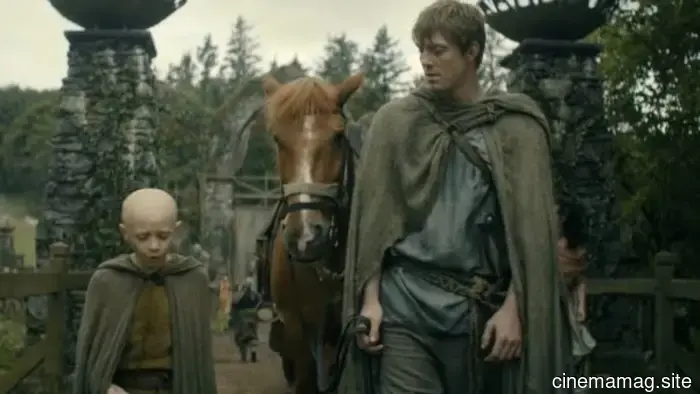
We can already see the positive impact of this change. Consider the excitement surrounding A Knight of the Seven Kingdoms. Unlike its vast, dragon-filled predecessors, Game of Thrones and House of the Dragon, which demand extensive casts of scheming blonde characters to portray the epic scope of Westeros, this series focuses primarily on Dunk and Egg.
With a narrower focus, the creative direction becomes highly concentrated. While there are supporting characters, their roles are specifically to enhance the primary duo. Although it might lack the monumental grandeur of the flagship shows, crafting satisfying television becomes inherently simpler when you’re not juggling a multitude of characters. With fewer threads to intertwine, creating the final tapestry becomes much more manageable.
The Deep Bench Dilemma
The issue of overstuffed ensembles isn’t limited to serious dramas; it has also infiltrated contemporary comedies.
Bill Lawrence (Scrubs, Ted Lasso, Shrinking) is a master of the “deep bench” in humor. He skillfully develops shows filled with lovable, quirky characters, crafting fast-paced episodes that transition seamlessly between various plots. Audiences become enamored with these characters from the start.
However, a crowded cast eventually leads to a management dilemma. Over several seasons, the showrunner must make difficult choices about who gets featured prominently and who gets sidelined.
I’ve observed that recent shows from Bill Lawrence, like Shrinking and Ted Lasso, struggle with the deep-bench dilemma and series shrinkflation. Shows that initially show promise begin to stumble as the need to highlight multiple cast members grows. Storylines for secondary characters often feel rushed and forced, making their

Other articles
 Hot Toys reveals the sixth scale figure of Queen Amidala from Star Wars: Episode I – The Phantom Menace.
Hot Toys has revealed a sixth scale figure of Queen Amidala, drawing inspiration from Natalie Portman's portrayal of the Queen of Naboo in Star Wars: Episode I – The Phantom Menace. The collectible…
Hot Toys reveals the sixth scale figure of Queen Amidala from Star Wars: Episode I – The Phantom Menace.
Hot Toys has revealed a sixth scale figure of Queen Amidala, drawing inspiration from Natalie Portman's portrayal of the Queen of Naboo in Star Wars: Episode I – The Phantom Menace. The collectible…
 Art the Clown celebrates the holidays with NECA’s Terrifier 3 Ultimate action figure.
NECA has introduced the Ultimate Bloody Santa Suit Art the Clown 7-inch action figure, drawing inspiration from the look of the unsettling murderer in the third installment of Damien Leone's slasher horror film series.
Art the Clown celebrates the holidays with NECA’s Terrifier 3 Ultimate action figure.
NECA has introduced the Ultimate Bloody Santa Suit Art the Clown 7-inch action figure, drawing inspiration from the look of the unsettling murderer in the third installment of Damien Leone's slasher horror film series.
 Preview of Comic Book – Star Trek: Starfleet Academy – Lost Contact #2
IDW Publishing is set to release Star Trek: Starfleet Academy – Lost Contact #2 this Wednesday, and you can check out a sneak peek of the issue in the official preview below… A large transv…
Preview of Comic Book – Star Trek: Starfleet Academy – Lost Contact #2
IDW Publishing is set to release Star Trek: Starfleet Academy – Lost Contact #2 this Wednesday, and you can check out a sneak peek of the issue in the official preview below… A large transv…
Overstuffed Casts, Unsatisfying Conclusions: The Reasons The Boys and other major shows struggle to conclude effectively.
Anghus Houvouras discusses The Boys and explores why numerous major shows struggle to conclude effectively. There is a notable, recurring specter that lingers over the final seasons of our beloved large television series. W…