
Jinsei Review: Ryuya Suzuki's Solo Animation is Both Stark and Aspirational
Presenting the end of the world in a calm manner might be more challenging than it seems, particularly within a span of just 93 minutes. This is one of the key accomplishments of the new, relatively low-budget anime film Jinsei. Over the course of a century—viewed through the lens of pop music and Japanese identity—it becomes evident how much the doom-and-gloom mentality of millennials and Gen Z is also prevalent in Japan.
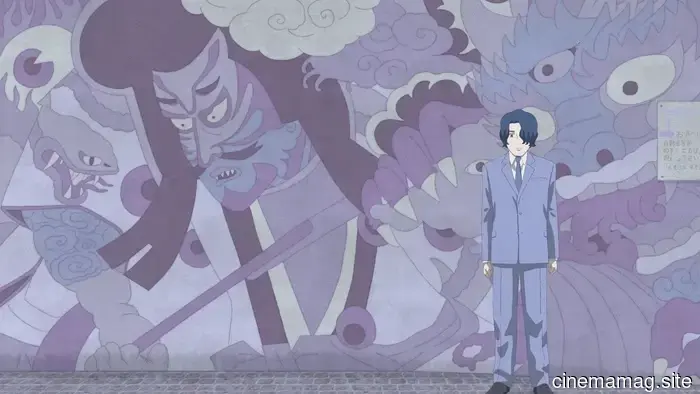
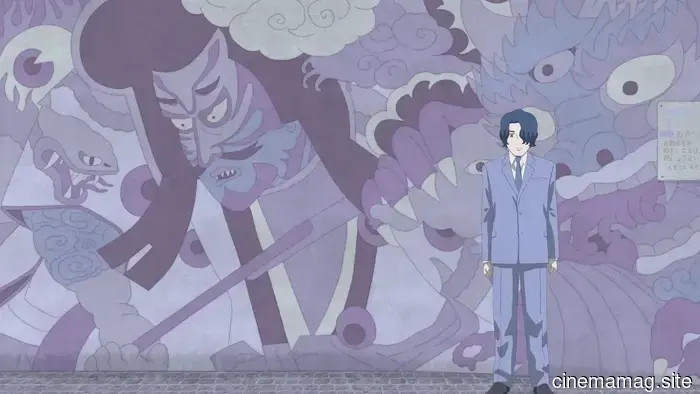
A notable aspect that distinguishes this film is that it isn’t a conventional studio production; instead, it’s the work of a single creator. Jinsei proudly states in its promotional materials that it is entirely hand-drawn by anime prodigy Ryuya Suzuki. At times, the film exhibits a somewhat austere quality, as if the limited budget imposed certain constraints on the amount of visual detail. However, it can’t be deemed imprecise, especially since the action consistently unfolds at the center of a square frame, giving it a somewhat whimsical, Wes Anderson-esque flair.
In the narrative, reminiscent of Tenet, the main character is simply known as Protagonist (voiced by rapper ACE COOL). From a young age, he appears both inclined toward and destined for pop stardom; Jinsei revolves around the theme of the protagonist captivated by a dancing pop icon, reminiscent of Michael Jackson, displayed on a damaged television screen. Pursuing a vague awareness of his desires, he is led through the fail-safe fame of pop stardom toward prestigious film roles and artistic fulfillment as the ultimate reward. Yet, there remains an emptiness at the core, both regarding his aspirations and the character himself. Jinsei has a cool, detached quality; it is not structured as a typical rise-and-fall tale filled with triumph and tragedy.
His tragedy lies in never achieving genuine happiness and lacking control over his fate, as illustrated by his placement in a soulless boy band by external forces. The sterile world of pop music, primarily governed by older men in sleek yet unsettling corporate boardrooms, compounds these issues and clearly outlines the trajectory of his life. As the story transitions into the distant future and the protagonist achieves his goals in both music and film, his rise into elite circles only leaves him disheartened. He becomes merely an observer of celebratory toasts while a futuristic war, featuring soldiers reminiscent of Master Chief, rages outside.
The collapse of society unfolds in the background, but it’s easy for the audience to deduce what’s happening. This kind of cynicism is certainly simple and doesn’t demand much from viewers, but fortunately, Suzuki doesn’t linger on this approach. As the film progresses toward a more cosmic conclusion, the visual creativity intensifies, raising further questions. This aspect may explain why Jinsei is so captivating, even if it doesn’t completely satisfy dramatically. Suzuki’s film hints at the promise of greater things to come. Nevertheless, the vision remains impressive, even if certain elements feel missing.
Jinsei will have a limited release on Friday, June 5.
Jinsei Review: Ryuya Suzuki's Solo Animation is Both Stark and Aspirational
It might be more challenging than it appears to portray the end of the world in a composed manner, particularly within a 93-minute timeframe. This is one of the significant accomplishments of the new, somewhat low-budget anime film Jinsei. Spanning over a century—viewed through the lens of pop music and Japanese identity—it's quickly evident how deeply entrenched the millennial and zoomer doomsday mindset is.