
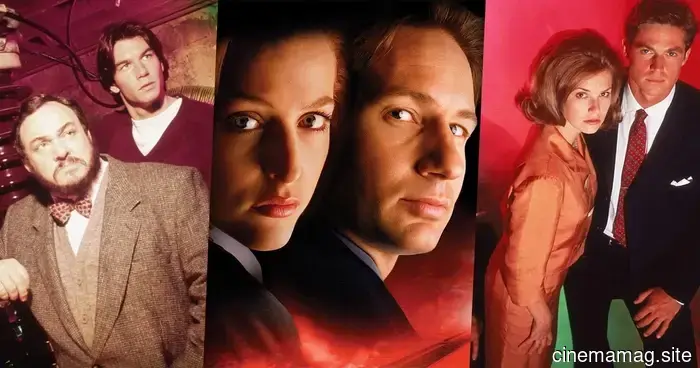
The TV Shows That Took Risks with Complexity Before It Was Accepted
Adam Page reflects on the groundbreaking television shows that explored complexity before it became popular…
I want to discuss something that many people may have overlooked from the nineties, or if you’re younger, might not even know about. I'm not referring to the polished, nostalgic portrayals like the glossy version of Friends you might find on Netflix. I'm talking about the authentic nineties, which were filled with the smell of cigarette smoke and an air of conspiracy. During this decade, television—often regarded as a mere babysitter or a product for the lowest common denominator—began to quietly, albeit with some hesitation, venture into remarkable territory. As expected, it wouldn’t receive acknowledgment until much later, often credited to others.
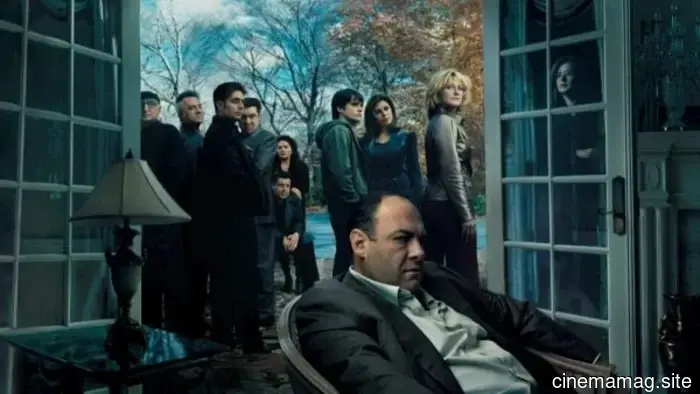
The usual narrative suggests that television was a dull, uninspired landscape until Tony Soprano took his seat in his psychiatrist's office, marking a shift. The Sopranos debuted in 1999 and supposedly introduced complexity, bringing moral ambiguity and serialized storytelling with its antihero and long narrative arcs. Before Tony, it is claimed, there was nothing but laugh tracks, procedural dramas, and quick murder resolutions in 43 minutes alongside a punchline.
That narrative is absurd, and it is frustrating for anyone who spent their Friday nights in the mid-nineties engrossed in shows that were far stranger, more paranoid, and arguably more ambitious than what prestige television would later provide.
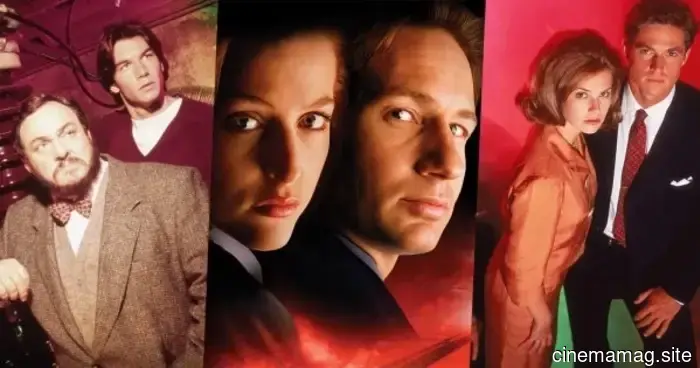
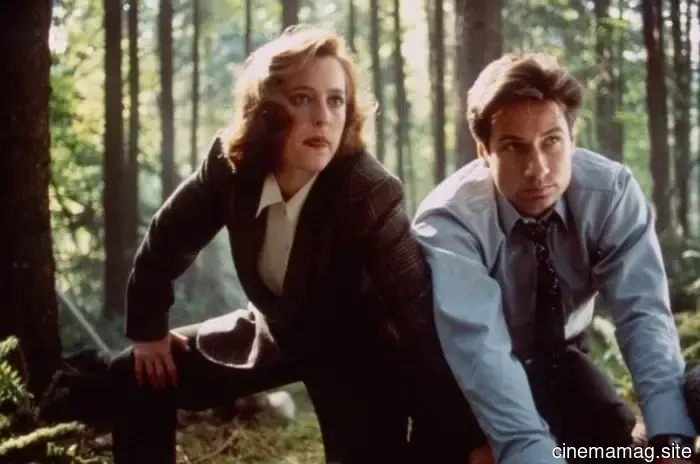
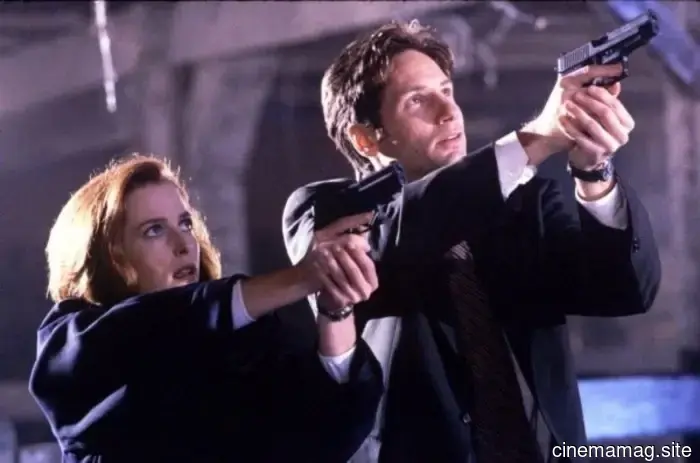
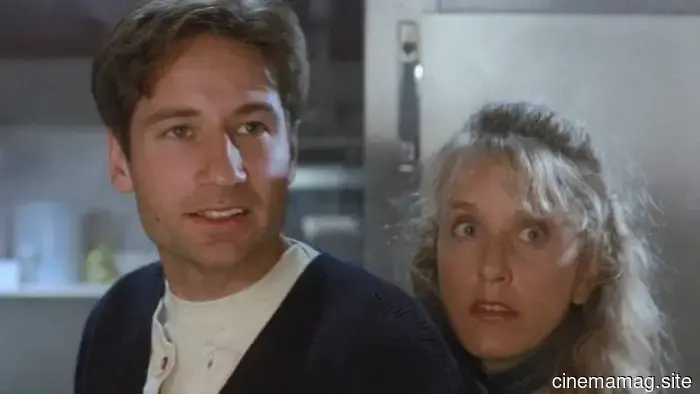
Let’s start with The X-Files. That brilliant creation from Chris Carter premiered in September 1993 on Fox, a network with little institutional credibility at the time. Expectations were low, but the show revealed a crucial understanding that many writers had yet to recognize: the audience was much more intelligent than the executives believed. Viewers could maintain a complex mythology over the seasons, and a story didn’t need resolution by the end of an episode. The X-Files wove an intricate overarching narrative about alien conspiracies over nine seasons, involving government cover-ups, plans for Earth colonization, black oil, and a shadowy group of powerful men committing vile acts for ever-changing reasons. Was it always coherent? Absolutely not. Did it sometimes get tangled in its own mythology? Certainly. But it was striving for something significant, treating serialized television like a novel or a dynamic document to follow, even in 1993—four years before The Sopranos was even pitched.
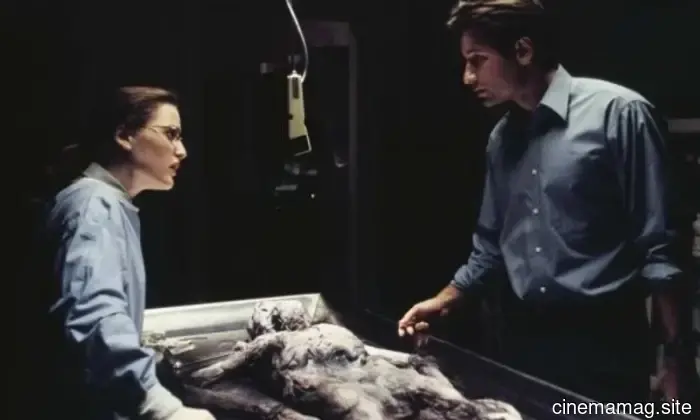
However, what people often overlook is that The X-Files was about more than just mythology; it featured incredible “monster of the week” episodes. Titles like “Jose Chung's From Outer Space”, “Clyde Bruckman’s Final Repose”, “Bad Blood”, and “Home”, the latter of which remains one of the most disturbing episodes ever produced. These were not mere genre pieces in a dismissive sense; they were groundbreaking and audacious works of television art.
Darin Morgan deserves to be mentioned alongside David Chase or Matthew Weiner; he was experimenting with unreliable narrators, tragi-comic horror, and postmodern deconstruction long before these concepts took root in prestige television. The X-Files served as a testing ground for ideas that shouldn’t have flourished within the constraints of network television.
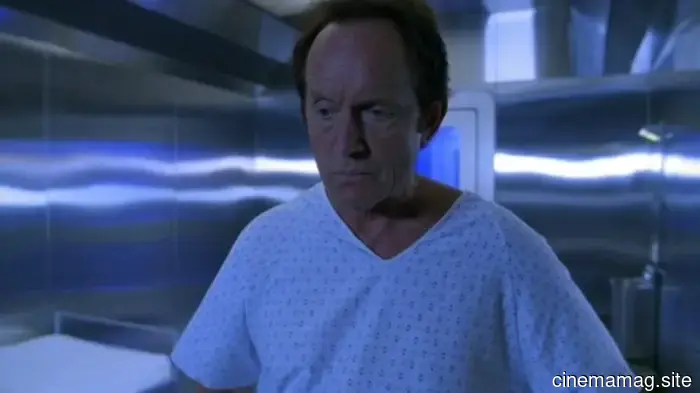
Next came Millennium, Chris Carter’s second show that debuted in 1996 and is perhaps the most criminally underrated series in American television history. The legendary Lance Henrickson portrayed Frank Black, a former FBI profiler who can see through the eyes of murderers, struggling to protect his wife and daughter from the encroaching darkness he senses. Millennium was challenging to watch, delving into darkness only shows truly contemplating evil can explore. It lacked the grand, stylized darkness of prestige television that glamorizes its villains; instead, it delved into a gray, exhausted, spiritually drained atmosphere that depicted a man who has seen humankind’s potential for cruelty.
In my view, the first season stands as one of the most disciplined and serious achievements in television. Following that, the second season was handed over to The X-Files team and transformed into something even weirder and more complex. The tumultuous third season, arriving after a mid-season cancellation notice, morphed into a peculiar, sorrowful reflection. No other show in the nineties displayed more overt ambition or paid more for it. It was canceled in 1999, leaving its primary mythology unresolved, characters adrift, and a dedicated but small audience abandoned amid the wreckage. Frank Black deserved more, and so did we all.
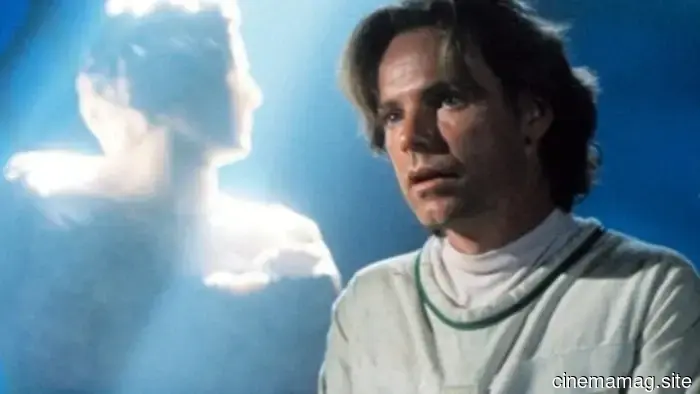
We also had series that never even gained a retrospective reputation. Nowhere Man aired on UPN for a single season from 1995 to 1996. Bruce Greenwood played Thomas Veil, a photojournalist who steps out for a smoke during dinner with his wife only to return and find his identity erased. His wife doesn’t recognize him, his bank accounts are nonexistent, and his friends have no clue who he is. The reason stems from a single photo he took in
Other articles
 Comic Book Sneak Peek – Predator: Bloodshed #5
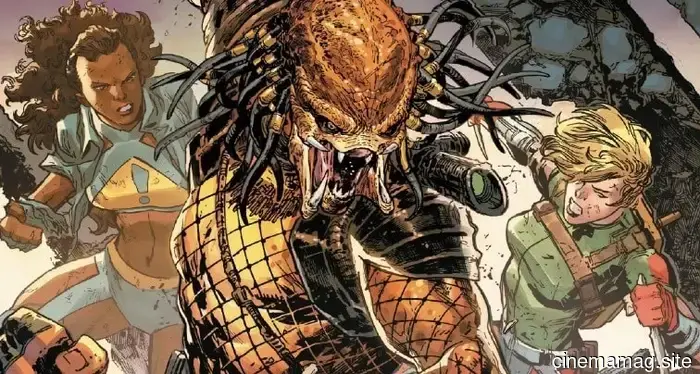
The fifth and concluding issue of Marvel’s Predator: Bloodshed will be released this Wednesday, and we have the official preview for you below; take a look… One by one, the inhabitants of Earth…
Comic Book Sneak Peek – Predator: Bloodshed #5
The fifth and concluding issue of Marvel’s Predator: Bloodshed will be released this Wednesday, and we have the official preview for you below; take a look… One by one, the inhabitants of Earth…
.jpg) 4K Ultra HD Critique – 36 Hours (1953)
36 Hours, 1953, directed by Montgomery Tully, features Dan Duryea, Elsie Albiin, Gudrun Ure, Eric Pohlmann, Kenneth Griffith, Harold Lang, and John Chandos. SUMMARY: An American pilot who is absent without leave from the States...
4K Ultra HD Critique – 36 Hours (1953)
36 Hours, 1953, directed by Montgomery Tully, features Dan Duryea, Elsie Albiin, Gudrun Ure, Eric Pohlmann, Kenneth Griffith, Harold Lang, and John Chandos. SUMMARY: An American pilot who is absent without leave from the States...
 Hasbro has unveiled the Star Wars: The Vintage Collection 2-pack featuring Anakin Skywalker and Clone Commander Cody from Revenge of the Sith.
Hasbro has officially announced its Star Wars: The Vintage Collection action figure 2-pack that includes Anakin Skywalker and Clone Commander Cody from Star Wars: Episode III – Revenge of the Sith.
Hasbro has unveiled the Star Wars: The Vintage Collection 2-pack featuring Anakin Skywalker and Clone Commander Cody from Revenge of the Sith.
Hasbro has officially announced its Star Wars: The Vintage Collection action figure 2-pack that includes Anakin Skywalker and Clone Commander Cody from Star Wars: Episode III – Revenge of the Sith.
 In the trailer for a psychological horror-thriller, a social media sensation aims to take revenge on The Troll.
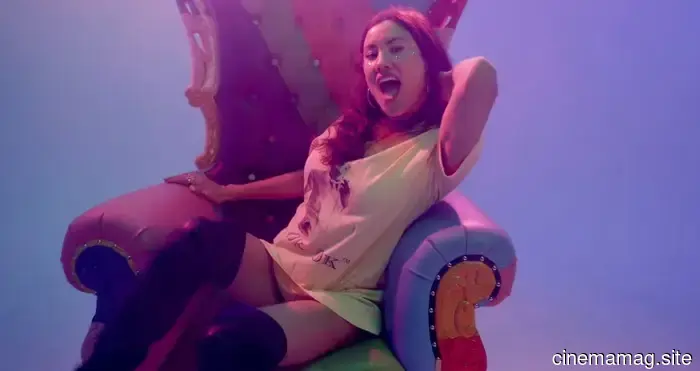
Prior to its world premiere next week at the Raindance Film Festival, a trailer and images have surfaced online for the psychological horror-thriller The Troll. The film is penned and directed by Brian…
In the trailer for a psychological horror-thriller, a social media sensation aims to take revenge on The Troll.
Prior to its world premiere next week at the Raindance Film Festival, a trailer and images have surfaced online for the psychological horror-thriller The Troll. The film is penned and directed by Brian…
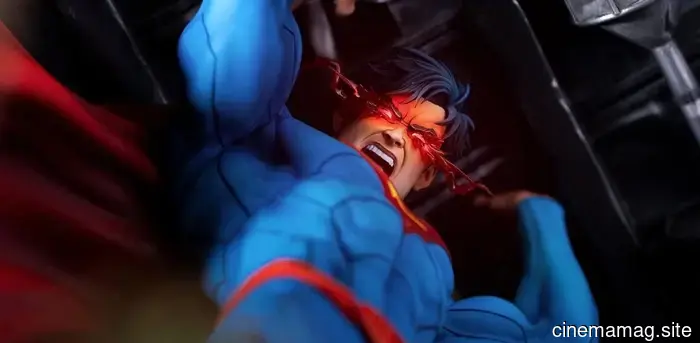 Tsume Art introduces a new Ultra HQS collectible statue of Superman, inspired by Jim Lee's artwork.
Tsume Art has unveiled the Superman Ultra HQS statue, drawing inspiration from the illustrations of comic book artist Jim Lee. With only 200 pieces available, this DC collectible can now be pre-ordered, priced at…
Tsume Art introduces a new Ultra HQS collectible statue of Superman, inspired by Jim Lee's artwork.
Tsume Art has unveiled the Superman Ultra HQS statue, drawing inspiration from the illustrations of comic book artist Jim Lee. With only 200 pieces available, this DC collectible can now be pre-ordered, priced at…
The TV Shows That Took Risks with Complexity Before It Was Accepted
Adam Page reflects on the groundbreaking TV shows that embraced complexity at a time when it wasn’t widely accepted. I’d like to discuss a topic that I believe many have overlooked regarding the nineties…