
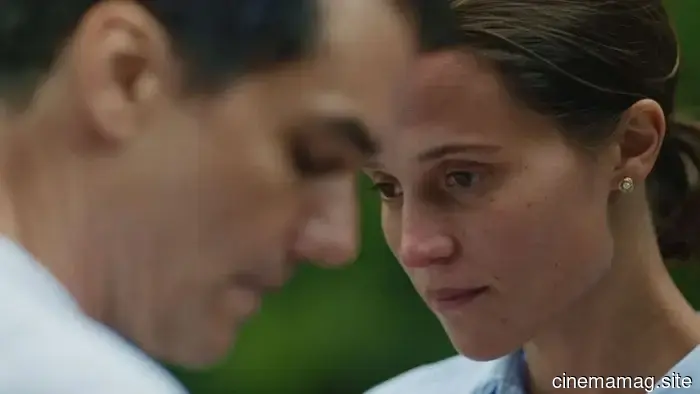
Tribeca Review: Alicia Vikander Delivers a Subtle, Multi-faceted Performance in The Last Day
Rachel Rose’s directorial debut, The Last Day, is a somber two-hander set on the Fourth of July. It features Alicia Vikander as Julia and Victoria Pedretti as Taylor, two mothers who experience the same day in vastly different ways, with a gradual unfolding of the narrative. Rose drew inspiration from Virginia Woolf’s Mrs. Dalloway, starting with Vikander’s character, Julia, an affluent woman in the wealthy northern suburbs of New York City who is preparing for her annual party. The film largely focuses on Julia, although Taylor might present a more intriguing character study, which highlights the imbalance in The Last Day.
Rose’s direction includes moments of significant stylistic flair. She captures the women in slow motion, particularly as Julia navigates the city while grappling with, or evading, the sorrow from her father's passing. This approach lends a reflective quality rather than a mechanical one, allowing the audience to pause and contemplate what they have witnessed and what may lie ahead. As Julia juggles cakes, catering, and her teenage daughter's plans, she crosses paths with Taylor, who is in a frantic state after losing her wallet—an indication that this chaos is part of Taylor’s everyday life.
Taylor, a young mother of three, is engulfed in deep exhaustion, postpartum depression, and feelings of household neglect. She struggles to find peace, either internally or externally. Her medication is ineffective as well. Rose rigorously maintains focus on Taylor, ensuring that the camera remains fixed on her pain and struggles. It can be almost unbearable at times to observe; Taylor desperately needs a moment of relief and compassion from anyone willing to provide it. Her descent only seems to lead in one direction, and Rose compellingly makes the audience confront this reality.
Pedretti shines in her portrayal of a woman grappling with daily challenges. She embodies a profound level of fatigue and exudes a frazzled sorrow, tapping into a well of emotion that is captivating. The film would benefit from allocating more time to Taylor and, by extension, to Pedretti.
Julia’s narrative is more nuanced: a person who feels lost due to loss, unable to progress, and drawn back into memories by the people she encounters on the Fourth. Wagner Moura appears for a brief scene as one of these figures—Julia’s former lover, Peter. Their dialogue as they stroll through Central Park and reflect on their relationship’s choices and consequences is a beautifully crafted segment by Rose. It is an intimate exchange, rich with frustration, regret, and affection. Moura is excellent in his limited appearance.
Vikander’s performance is much more subdued, conveying her emotions through subtle facial twitches and slight reactions. This role has many layers, and Vikander rises to the challenge, delivering one of her finest performances in recent years, reminiscent of her ability to shine when given a substantial role.
The Last Day’s third act falters somewhat. With greater emphasis on Julia, Rose swiftly concludes each woman's story, which does a disservice to Taylor (and Pedretti’s performance) by hastening the resolution and diminishing the impact of her downward spiral. Despite the film’s intense plot, it eventually loses momentum as Rose’s atmospheric piece becomes overly dramatic. Nonetheless, it remains a commendable debut featuring two strong, impactful performances, making The Last Day deserving of viewers' attention.
The Last Day premiered at the 2026 Tribeca Festival.
Other articles
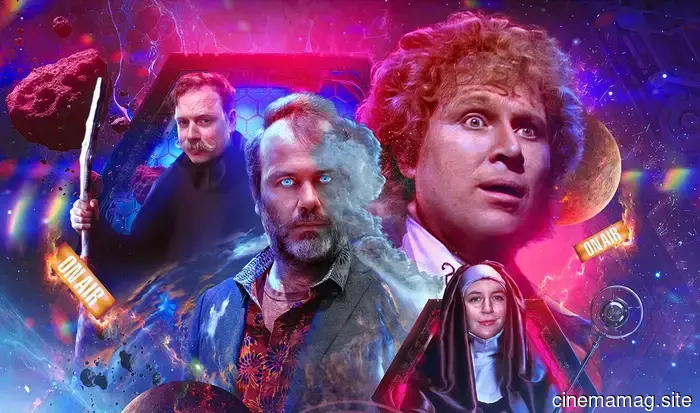 The conclusion of Doctor Who: Dark Gallifrey - The Meddling Monks features a recognizable character.
The conclusion of the Doctor Who story Dark Gallifrey: The Meddling Monks is now released by Big Finish, delivering the eagerly awaited ending to the Monk’s (Rufus Hound) and t...
The conclusion of Doctor Who: Dark Gallifrey - The Meddling Monks features a recognizable character.
The conclusion of the Doctor Who story Dark Gallifrey: The Meddling Monks is now released by Big Finish, delivering the eagerly awaited ending to the Monk’s (Rufus Hound) and t...
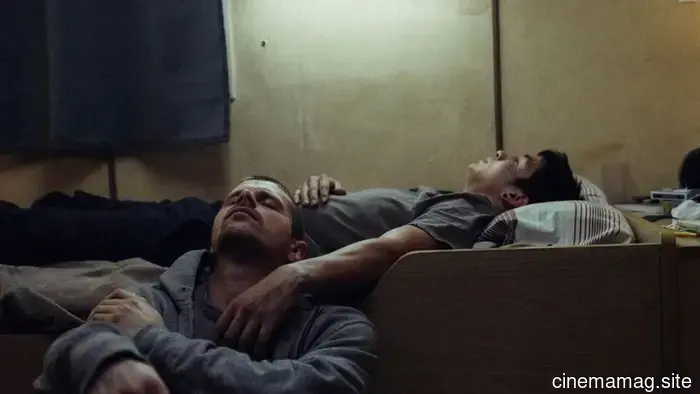 Tribeca Review: Labrador: Autopsy of Silence Is a Touching, Complex Procedural Drama
Labrador: Autopsy of Silence is a carefully constructed exploration of the subtleties of silence and solitude, capturing the prolonged, shadowy rhythms of existence in the Arctic and aboard a cargo ship. Helmed by Québécois director Rodrigue Jean, it stands out as one of only two Indigenous-themed films being showcased at this year's Tribeca festival, with the other being Elle Sofe.
Tribeca Review: Labrador: Autopsy of Silence Is a Touching, Complex Procedural Drama
Labrador: Autopsy of Silence is a carefully constructed exploration of the subtleties of silence and solitude, capturing the prolonged, shadowy rhythms of existence in the Arctic and aboard a cargo ship. Helmed by Québécois director Rodrigue Jean, it stands out as one of only two Indigenous-themed films being showcased at this year's Tribeca festival, with the other being Elle Sofe.
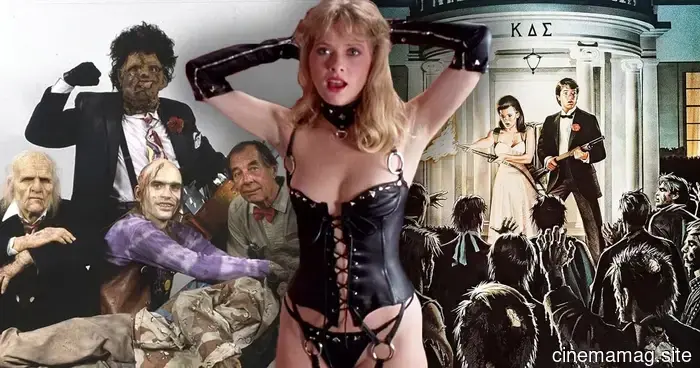 10 Must-See Horror Films from 1986
It's time to reflect on some crucial horror films from 1986… Horror is experiencing a resurgence, especially indie horror, which has found notable success with films like Obsessi…
10 Must-See Horror Films from 1986
It's time to reflect on some crucial horror films from 1986… Horror is experiencing a resurgence, especially indie horror, which has found notable success with films like Obsessi…
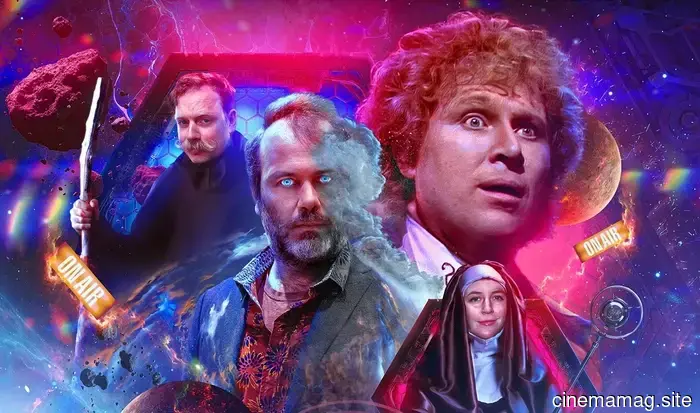 The conclusion of Doctor Who: Dark Gallifrey - The Meddling Monks features a recognizable character.
The conclusion of the Doctor Who story Dark Gallifrey: The Meddling Monks has been released by Big Finish, delivering the eagerly awaited ending to the Monk’s (Rufus Hound) storyline.
The conclusion of Doctor Who: Dark Gallifrey - The Meddling Monks features a recognizable character.
The conclusion of the Doctor Who story Dark Gallifrey: The Meddling Monks has been released by Big Finish, delivering the eagerly awaited ending to the Monk’s (Rufus Hound) storyline.
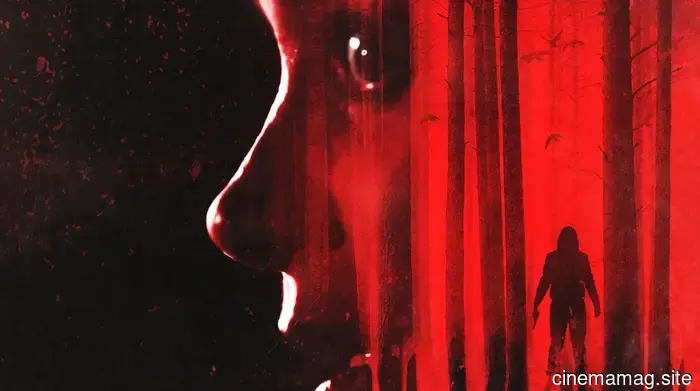 Trailer for the thriller Capps Crossing: Wrong Side of Dead featuring Sabina Gadecki and Beverly D’Angelo.
In anticipation of its digital launch this July, Lionsgate has unveiled a trailer for the psychological thriller Capps Crossing: Wrong Side of Dead. The movie focuses on Amber, who is compelled to utilize her abilities...
Trailer for the thriller Capps Crossing: Wrong Side of Dead featuring Sabina Gadecki and Beverly D’Angelo.
In anticipation of its digital launch this July, Lionsgate has unveiled a trailer for the psychological thriller Capps Crossing: Wrong Side of Dead. The movie focuses on Amber, who is compelled to utilize her abilities...
Tribeca Review: Alicia Vikander Delivers a Subtle, Multi-faceted Performance in The Last Day
Rachel Rose's directorial debut, The Last Day, is a atmospheric two-character story set on the Fourth of July. It features Alicia Vikander as Julia and Victoria Pedretti as Taylor, two mothers who are navigating the same day in contrasting ways, and the narrative unfolds at a deliberate pace. Rose drew inspiration from Virginia Woolf's Mrs. Dalloway, with the film commencing on