

12 Must-See Road Trip Films
Embark on a journey with these twelve must-see road trip films...
In the realm of cinema, a road trip isn't just about arriving at the destination; it's also a reflection of how experiences, truths, and relationships shape a person, regardless of distance. Road trip films have been captivating audiences since the black-and-white era, offering themes that range from self-discovery to the quest for human connection and a yearning for freedom. With that in mind, we present twelve crucial road trip movies worthy of exploration…
**Little Miss Sunshine (2006)**
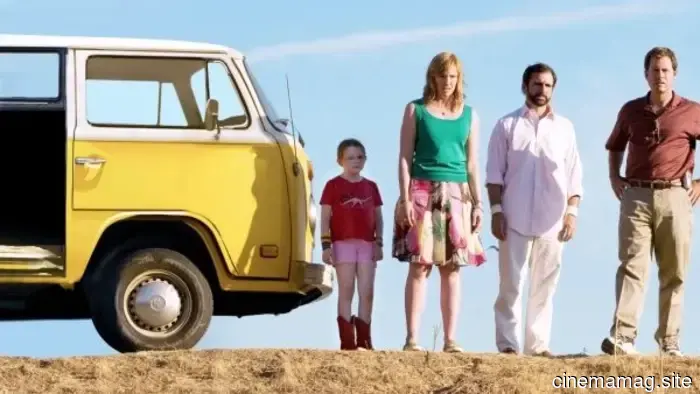
Directors Jonathan Dayton and Valerie Faris, known for their music video work with artists like R.E.M., The Smashing Pumpkins, and Red Hot Chili Peppers, depict life in a dysfunctional family in *Little Miss Sunshine*. The title references a beauty pageant in Redondo Beach, California, and follows 7-year-old Olive (played by the charming Abigail Breslin) from Albuquerque who finds out she qualifies. This sparks a long journey for the Hoover family in their yellow Volkswagen van, as flying is not an option for them.
The 800-mile road trip evolves into a story about how a family like the Hoovers copes with each other through messy, enforced bonding. The family members, with their conflicting personalities, are quirky yet relatable, introducing us to characters like Sheryl, the frustrated mother played by Toni Collette, and Dwayne, the emotionally distant eldest son portrayed by Paul Dano, who has vowed silence until he fulfills his dream of becoming a fighter pilot. Dayton and Faris skillfully highlight the strengths of their ensemble cast, blending humor and heartfelt moments in a sincere dramedy that stays with you long after the credits roll. *Little Miss Sunshine* earned two Oscars, including Best Supporting Actor for Alan Arkin as the foul-mouthed yet supportive grandfather, and secured a deserved Best Original Screenplay.
**Sideways (2004)**
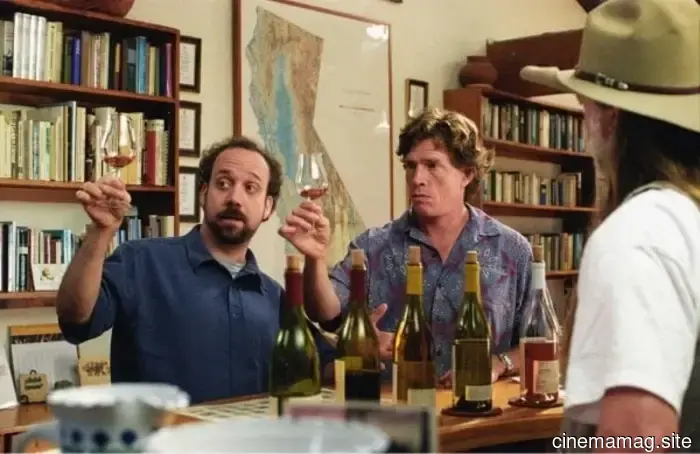
Adapted from Rex Pickett’s 2004 novel, director and co-writer Alexander Payne follows Miles (Paul Giamatti) and Jack (Thomas Haden Church) on a week-long road trip through California's Santa Barbara County wine region, framing it as a journey of personal and emotional growth. Beyond the leisurely activities of wine tasting, fine dining, and golfing, Payne explores Miles’ struggles with depression and trauma stemming from his difficult divorce, from which he's still struggling to heal. Miles' emotional insecurities contrast with Jack’s jovial and carefree nature, especially knowing Jack is set to marry at the week's end.
Their friendship feels authentic and understanding, as Payne balances a grounded narrative with broadly comedic moments, including a scene where Jack mistakes an encounter with a woman. The film also cleverly uses Miles’ affection for Pinot Noir as a metaphor reflecting his own vulnerabilities. *Sideways* stands out as one of Payne’s best films, winning an Oscar for Best Adapted Screenplay, though it unfortunately lost Best Picture and Best Director to Clint Eastwood’s *Million Dollar Baby*.
**Planes, Trains and Automobiles (1987)**
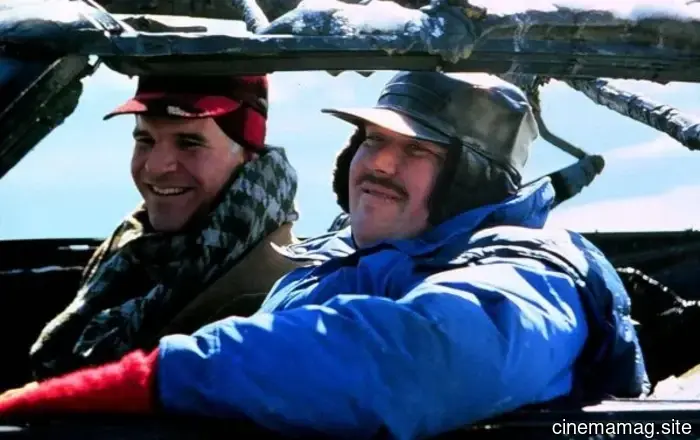
This late ’80s road trip comedy classic signifies John Hughes’ shift from teenage dramedies to adult themes, spotlighting the relatable challenges of public transportation in America during the holiday season. In this instance, it's a Thanksgiving disaster as Steve Martin’s marketing executive Neal Page strives to make it home from New York to Chicago. The series of chaotic rush-hour hurdles presents a genuine source of humor through the numerous absurd situations Neal endures during his journey, including a dramatic outburst at a car rental agent over poor service.
Adding to the chaos is John Candy’s character, Del Griffith, a shower-curtain ring salesman whose endearing yet annoying demeanor contrasts sharply with Neal’s uptight nature. Their odd-couple dynamic showcases both actors at their finest. Beyond the comedy, Hughes manages to weave in a heartfelt narrative about human connection and accepting life’s imperfections, especially when things do not go as planned.
**Thelma & Louise (1991)**
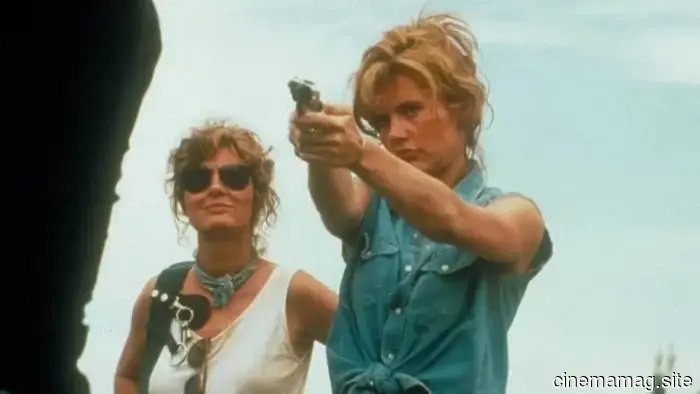
Ridley Scott offers a feminist twist on the road trip genre with a buddy comedy featuring Geena Davis as the timid housewife Thelma and Susan Sarandon as the spirited waitress Louise. Their adventure begins with a planned fun weekend trip in a 1966 Thunderbird, but swiftly takes a dark turn when Louise kills a rapist, propelling them into a life of fugitives. This pivotal moment alters Thelma and Louise’s personalities, illustrating how a single event can transform lives.
Both actresses deliver some of the best performances of their careers, with Scott reinforcing his direction by capturing the American Southwest’s rich landscape while maintaining a balance between female empowerment and character-driven drama, culminating in a well-known ending that profoundly encapsulates the essence of freedom.
**The Straight Story (1999)**
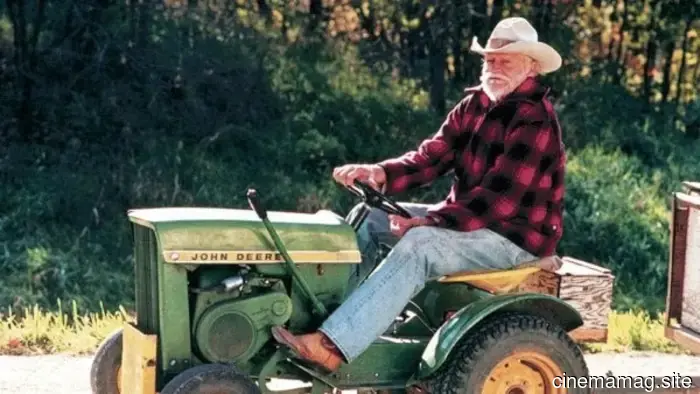
Breaking away from David Lynch’s signature dreamlike and surreal styles, *The Straight Story* marks an unexpected departure for the director presenting a


12 Must-See Road Trip Films
Set off on an adventure with these twelve must-see road trip films… In the realm of cinema, a road trip is not merely about getting to the end point; it also acts as a mirror to how a…