
3 Film Festival Directors Share Their Expectations for Filmmakers
Keep it concise, craft a distinctive narrative, and avoid sending unpleasant emails if your film gets declined: These were three essential points shared by festival directors at the Waco Independent Film Festival on Friday regarding film submissions.
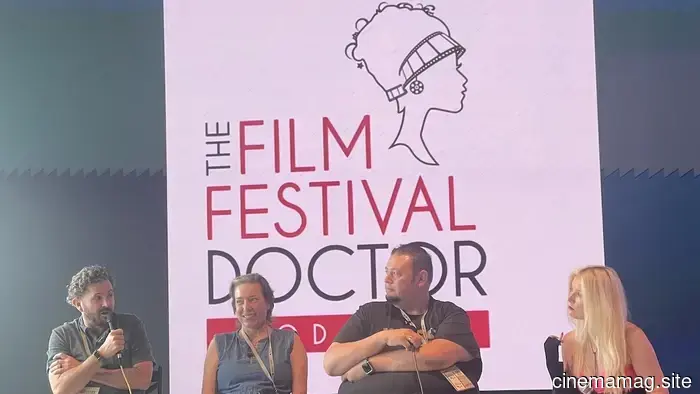
Louis Hunter, co-founder of the Waco Independent Film Festival, Heather Older, executive director of the McMinnville Short Film Festival, and Ashton Campbell, director of the Oak Cliff Film Festival, participated in a discussion with Rebekah Louisa Smith, which she recorded for her podcast, The Film Festival Doctor.
All three directors are filmmakers as well, having experienced both programming festivals and submitting their own work. They unanimously agreed that the story is the most vital aspect in determining a film's acceptance into a festival.
“Story is crucial, and often within the first minute or two, you can discern whether it's a story worth including in my festival,” Hunter remarked.
It speaks volumes about the Waco Indie Film Festival that it organized a panel at its own event to support other festivals and guide filmmakers on how to gain entry. This collaborative spirit is one reason why Waco Indie, celebrating its 10th anniversary this year, has appeared on lists like the 50 Film Festivals Worth the Entry Fee and the 25 Coolest Film Festivals.
Film Festival Directors on Basic Dos and Don'ts
The three festival directors collectively agreed that filmmakers should refrain from submitting films before they are ready, just to adhere to festival deadlines. They stated that submitting a work in progress is acceptable only if there is an existing relationship with the festival, allowing programmers to envision the finished product.
They also suggested that filmmakers should consider the festival directors themselves as a resource when selecting festivals to submit to. Once accepted, it’s wise to ask the festival team about other suitable festivals.
“If you get into a festival and are present, discuss with the programmer or director why they chose your film,” Older advised. “We typically know the cultures of various festivals and can recommend others that are a good match.”
They highlighted the importance of the Film Festivals subreddit, where filmmakers and festival organizers candidly discuss their experiences.
Campbell recommended that filmmakers examine past festival programming to understand the types of films favored and their typical runtimes. He mentioned that his festival, Oak Cliff, embraces unconventional selections, but not all submissions need to be "weird."
“If you’re a short filmmaker submitting to a festival, check what they programmed last year, especially regarding runtime,” Campbell stated. “If they’re not showcasing 19-minute shorts, and their selections are mostly 10 or 11 minutes, that’s a crucial insight.”
Hunter noted that for feature films, keeping them under 90 minutes is optimal. He explained why longer films are trickier to schedule.
“When programming, we think about having a 90-minute feature followed by a 20-minute Q&A. Additional time means logistical challenges. A two-hour film complicates things,” he said.
He added that programmers can sometimes curate an entire shorts block around a standout film if it connects thematically with others.
However, they emphasized that the story remains paramount, whether presenting a unique narrative or a familiar one told in an innovative manner. Rarely, a film that seems lengthy can succeed based solely on its storytelling.
The directors also underscored that a substantial budget is not necessary for creating a compelling film.
“It doesn’t matter what the budget is. You can effectively tell your story with the resources you have. It doesn't need to be the most polished production or feature high-level equipment,” Older said. “It's about narrating your story and managing the production effectively within your budget.”
If a film doesn’t make it into a festival, filmmakers should remember that there are various reasons for this—often related to length and timing.
Festival directors might have to decline films if there is an oversaturation of films on similar topics. Recently, they noted a surge in submissions addressing themes like dementia, the afterlife, and deportation.
“Don’t take it personally,” Campbell advised. “And please refrain from sending a sarcastic email to the programming team.”
You can find additional festival coverage here.
Main image: (L-R) Oak Cliff Film Festival director Ashton Campbell, McMinnville Short Film Festival executive director Heather Older, Waco Independent Film Festival co-founder Louis Hunter, and moderator Rebekah Louisa Smith.
Other articles
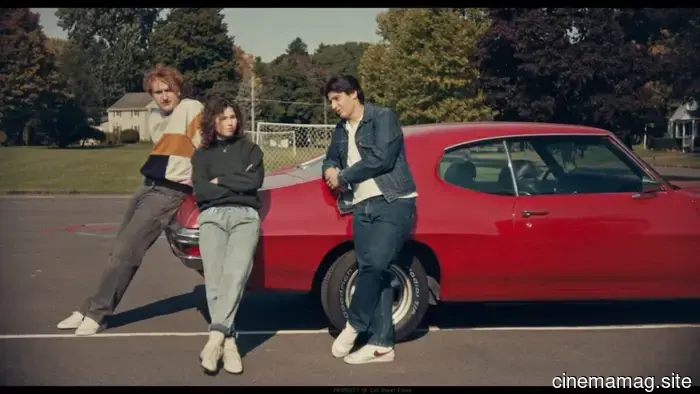 The Legend of Juan Jose Mundo: Director Michael Walker Discusses Reinterpreting the '80s
The Legend of Juan Jose Mundo is a film that takes place in 1984 and has an authentic feel of that era — as if it could have actually been produced in 1984, provided the high school students of that time had the capability.
The Legend of Juan Jose Mundo: Director Michael Walker Discusses Reinterpreting the '80s
The Legend of Juan Jose Mundo is a film that takes place in 1984 and has an authentic feel of that era — as if it could have actually been produced in 1984, provided the high school students of that time had the capability.
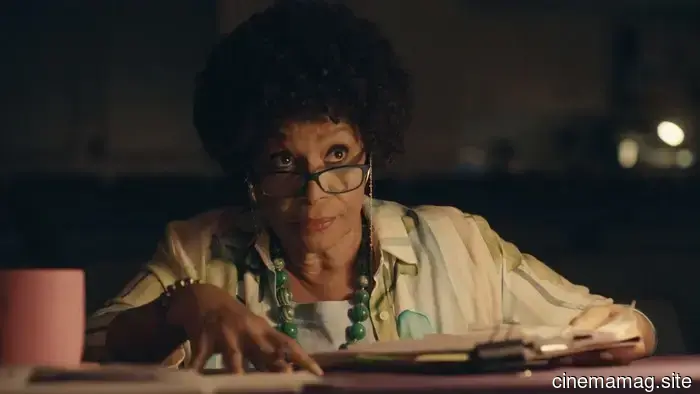 Sam Henderson's Remarkable 'Ado' Returns to the Waco Indie Film Festival
Sam Henderson's "Ado," a remarkable short film featuring Jenifer Lewis as a drama instructor confronting a school shooter, has been showcased globally, from
Sam Henderson's Remarkable 'Ado' Returns to the Waco Indie Film Festival
Sam Henderson's "Ado," a remarkable short film featuring Jenifer Lewis as a drama instructor confronting a school shooter, has been showcased globally, from
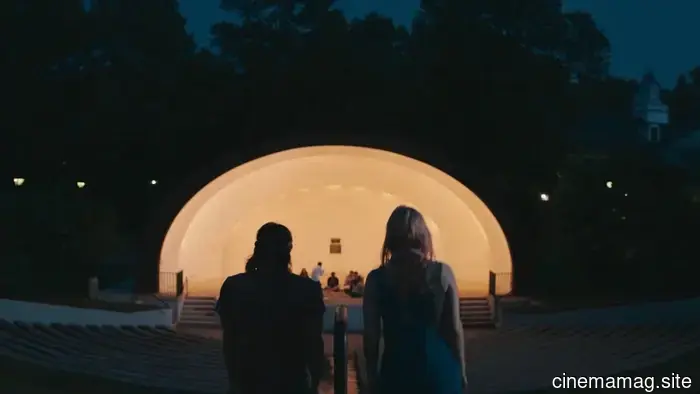 Chris Alan Evans' 'Hivemind Deluxe' Utilizes UFOs to Explore Propaganda
Chris Alan Evans' short film "Hivemind Deluxe" is a sci-fi satire that, despite its genre, delivers a message that is both genuine and unsettling:
Chris Alan Evans' 'Hivemind Deluxe' Utilizes UFOs to Explore Propaganda
Chris Alan Evans' short film "Hivemind Deluxe" is a sci-fi satire that, despite its genre, delivers a message that is both genuine and unsettling:
.jpg) Blu-ray Review – The Counsellor (1973)
The Counsellor, 1973. Directed by Alberto De Martino. Featuring Tomas Milian, Martin Baslam, Dagmar Lassander, Francisco Rabal, and Carlo Tamberlani. SYNOPSIS: When the godson of San Francisco’s…
Blu-ray Review – The Counsellor (1973)
The Counsellor, 1973. Directed by Alberto De Martino. Featuring Tomas Milian, Martin Baslam, Dagmar Lassander, Francisco Rabal, and Carlo Tamberlani. SYNOPSIS: When the godson of San Francisco’s…
3 Film Festival Directors Share Their Expectations for Filmmakers
Stay concise, narrate a distinct story, and refrain from sending an unkind email if your film is turned down: These were three important insights shared by three festival directors who