
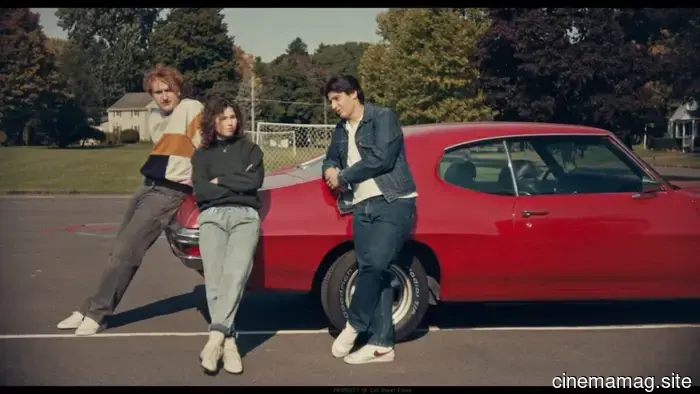
The Legend of Juan Jose Mundo: Director Michael Walker Discusses Reinterpreting the '80s
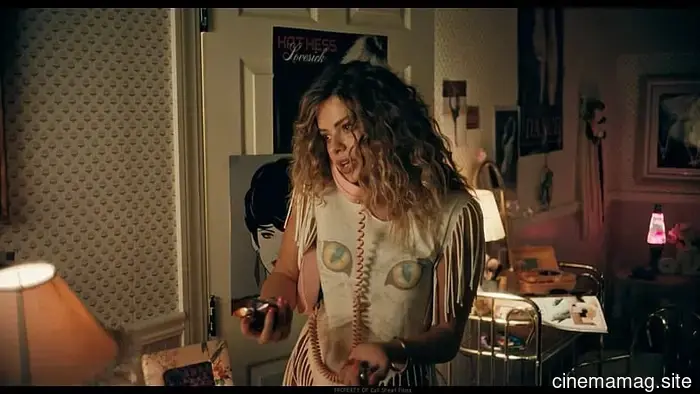
The Legend of Juan Jose Mundo is a film set in 1984 that possesses a nostalgic quality, reminiscent of films made during that year—if only high school students at the time could portray their experiences with the insights that come from memory. Co-written by married couple Michael Walker and Susan Gomes, the narrative revolves around a teenage girl's complex feelings for a Spanish exchange student, influenced by legends from Gomes’ high school days in the suburbs of New York City.
In our latest installment of Films at Any Budget, Walker, who directed the movie, shares how this thoughtful, humorous, and genuinely delightful film was created. One of the most enchanting films we’ve encountered in years, it will screen Saturday at the Waco Independent Film Festival and will be released in theaters on August 20.—M.M.
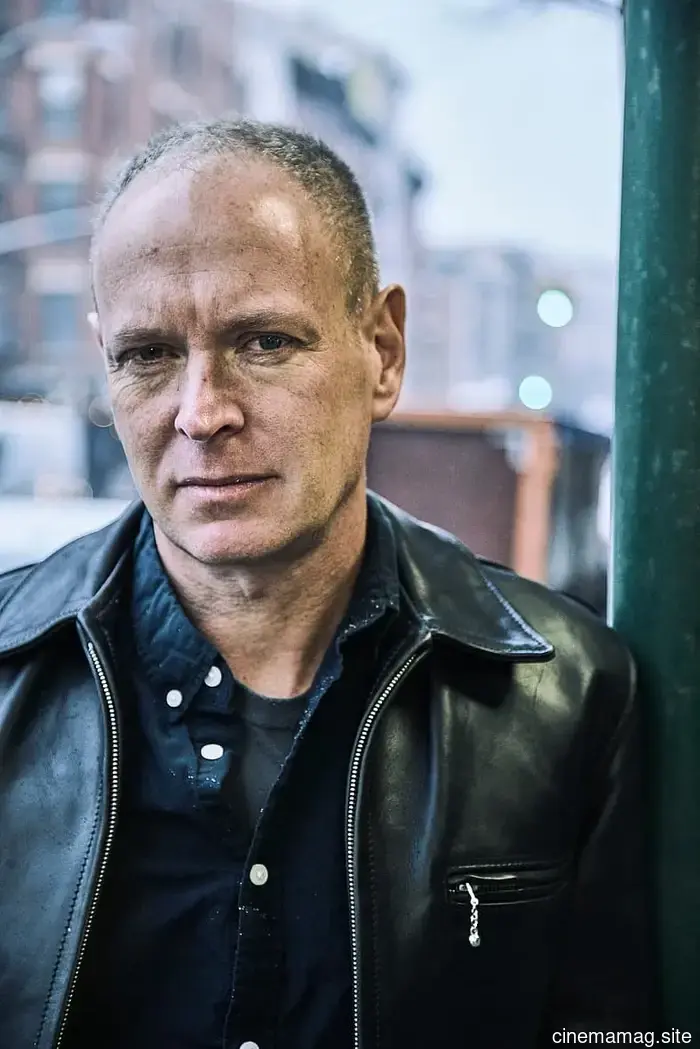
My debut film, Chasing Sleep, featuring Jeff Daniels, had a budget of $2 million, funded by a French studio, and was shot on film since it was 1999 — an altogether different landscape for filmmaking. The entire story unfolded within a house, and I originally intended to film it in my home in Seattle to keep costs low until a producer called me, having read the script, expressing interest in producing it.
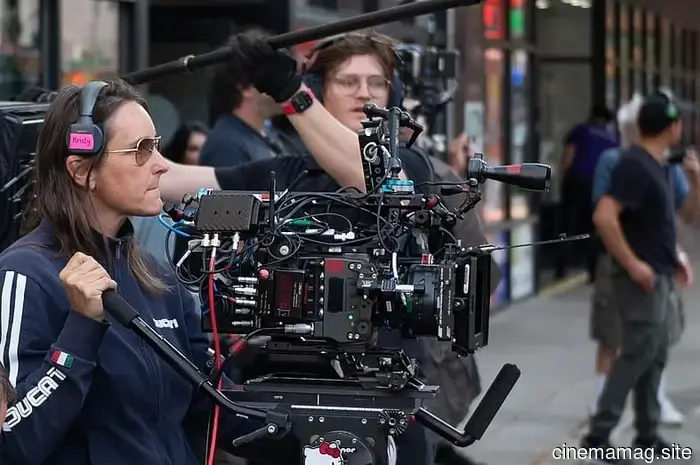
I expected my budgets to increase following that, but after a decade of inactivity in getting films made, I adapted and reduced my budgets instead. I made two films under a million dollars — Price Check and The Maid’s Room. My subsequent projects, Cut Shoot Kill and Paint (not the one featuring Owen Wilson), cost around $250,000. As the budgets decreased, I realized the necessity of striking a balance between what I desired and what was feasible financially. I remain consistently impressed with what can be achieved within a limited budget. I’ve viewed films with significantly higher costs that didn’t look nearly as good. My experiences with low-budget filmmaking taught me a lot.
The Legend of Juan Jose Mundo is a high school film set in 1984, focusing on Julie, a girl who welcomes a Spanish exchange student into her home. While he engages with numerous girls at school, Julie grapples with her emotions toward him. The budget for this film was approximately $2.5 million, which marked my largest budget to date, but it felt stretched given the needs of the production. One of producer Ted Hope’s many guidelines for creating a low-budget film is to limit the number of characters and locations. We had both, alongside the complexities of the '80s.
Once funding was secured, I contacted the production company American High. In 2017, producer Jeremy Garelick acquired an unused school in Syracuse, intending to produce high school comedies, a goal he has maintained alongside his producing partner Will Phelps. Although we had submitted our script to them a couple of years earlier with no success, they were nonetheless enthusiastic. I informed them we were still developing a high school movie and inquired if they would be interested in collaborating, given their possession of a soundstage that qualified for New York state tax incentives. They agreed to come on board as executive producers, and we leased their school during breaks in their productions.
For The Legend of Juan Jose Mundo, we managed to cast the film without relying on major stars. This was somewhat by choice, but also because there simply weren't many recognizable young actors available who fit the roles and could help finance the movie. Hiring big names costs money, so in a way, we saved by not casting stars. However, stars also attract financing and can aid in marketing the film.
The most crucial aspect of filming any movie, after the script, is casting. Finding actors for low-budget films is often challenging, as agents, managers, and casting directors typically lack interest. These productions usually don’t offer much pay, can fall through, are often subpar, and may vanish — it begs the question: why would anyone want to engage with such films? I’ve been fortunate to have had a few noteworthy experiences at Sundance, which helps convey seriousness in my endeavors. Additionally, I have a talented, award-winning casting director, Paul Schnee, who co-runs Barden/Schnee Casting with Kerry Barden, who cast Chasing Sleep. They help establish credibility with agents. Many cast members in our film are still emerging talents, but they are bound to become stars soon.
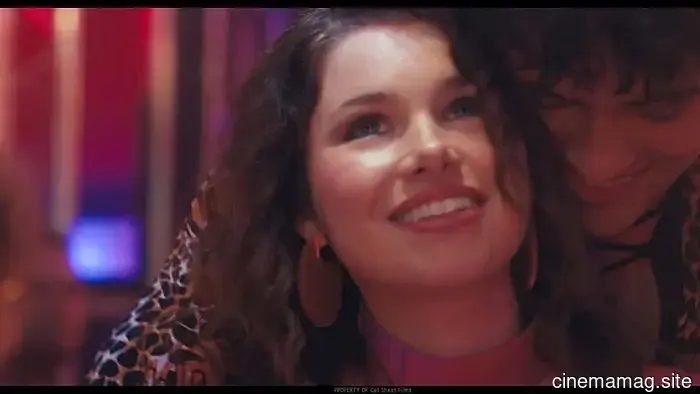
Alexandro Byrd, a University of Michigan theater program graduate, was working at a steakhouse in Atlanta when we selected him. He had hardly done anything outside of his school experience and landed the title role. Anna Mirodin, who portrays Julie, began as a child actor in Toronto. She possessed an extraordinary quality that set her apart from other auditioning actors, regardless of their capabilities. We had to secure a special visa for her, and we weren't certain she could participate until two days before filming began. She arrived on the very day we commenced shooting.
It would have been great to have the entire cast together for a couple of weeks to help

Other articles
 3 Film Festival Directors Share Their Expectations for Filmmakers
Stay concise, narrate a distinct story, and refrain from sending an unkind email if your film is turned down: These were three important insights shared by three festival directors who
3 Film Festival Directors Share Their Expectations for Filmmakers
Stay concise, narrate a distinct story, and refrain from sending an unkind email if your film is turned down: These were three important insights shared by three festival directors who
 Sam Henderson's Remarkable 'Ado' Returns to the Waco Indie Film Festival
Sam Henderson's "Ado," a remarkable short film featuring Jenifer Lewis as a drama instructor confronting a school shooter, has been showcased globally, from
Sam Henderson's Remarkable 'Ado' Returns to the Waco Indie Film Festival
Sam Henderson's "Ado," a remarkable short film featuring Jenifer Lewis as a drama instructor confronting a school shooter, has been showcased globally, from
 Chris Alan Evans' 'Hivemind Deluxe' Utilizes UFOs to Explore Propaganda
Chris Alan Evans' short film "Hivemind Deluxe" is a sci-fi satire that, despite its genre, delivers a message that is both genuine and unsettling:
Chris Alan Evans' 'Hivemind Deluxe' Utilizes UFOs to Explore Propaganda
Chris Alan Evans' short film "Hivemind Deluxe" is a sci-fi satire that, despite its genre, delivers a message that is both genuine and unsettling:
.jpg) Blu-ray Review – The Counsellor (1973)
The Counsellor, 1973. Directed by Alberto De Martino. Featuring Tomas Milian, Martin Baslam, Dagmar Lassander, Francisco Rabal, and Carlo Tamberlani. SYNOPSIS: When the godson of San Francisco’s…
Blu-ray Review – The Counsellor (1973)
The Counsellor, 1973. Directed by Alberto De Martino. Featuring Tomas Milian, Martin Baslam, Dagmar Lassander, Francisco Rabal, and Carlo Tamberlani. SYNOPSIS: When the godson of San Francisco’s…
The Legend of Juan Jose Mundo: Director Michael Walker Discusses Reinterpreting the '80s
The Legend of Juan Jose Mundo is a film that takes place in 1984 and has an authentic feel of that era — as if it could have actually been produced in 1984, provided the high school students of that time had the capability.