
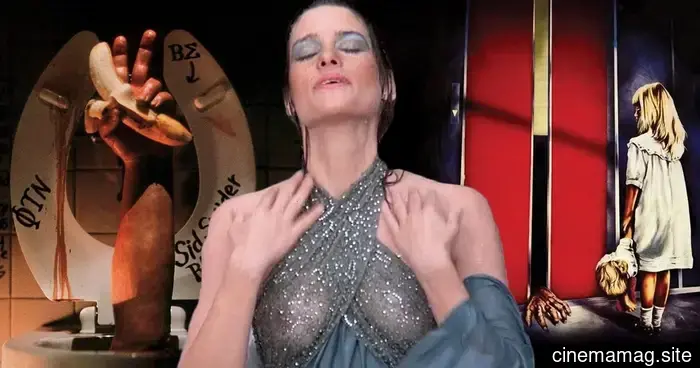
7 Strange Horror Films from the 80s You Must Watch
Casey Chong highlights a collection of unusual horror films from the 1980s that you may have overlooked.
The 1980s was a remarkable era for horror, significantly influenced by practical effects that enabled filmmakers to use substantial amounts of gore, latex makeup, and animatronics, regardless of their budgets. Additionally, the advent of VHS provided an opportunity for filmmakers outside the conventional studio system to experiment with lower-budget horror projects.
This decade gave rise to iconic horror franchises – both good and bad – including sequels to Halloween, Friday the 13th, and A Nightmare on Elm Street, as well as notable classics like The Howling and Poltergeist. Yet, there is a wealth of other films worth exploring, especially for genre enthusiasts. For example, consider the peculiar horror titles that were overlooked at their release or have faded into obscurity in subsequent decades. Here are seven bizarre horror movies from the 80s that you might not have seen.
Society (1989)
Picture having wealthy parents but expressing distrust to your therapist. This is precisely what happens to Bill (Billy Warlock), a teenager who becomes increasingly paranoid about his family, particularly his sister. This paranoia intensifies when her ex-boyfriend (Tim Bartell) presents an audio recording that suggests Bill's family is participating in a bizarre, incestuous orgy.
Society marks Brian Yuzna's directorial debut, who is well-known for producing cult B-movie classics such as Re-Animator and From Beyond in the mid-80s. He skillfully intertwines dark humor and social satire, revealing the darker side of an otherwise picture-perfect affluent family. The secret is slowly revealed, reflecting Bill's unease as he uncovers the truth.
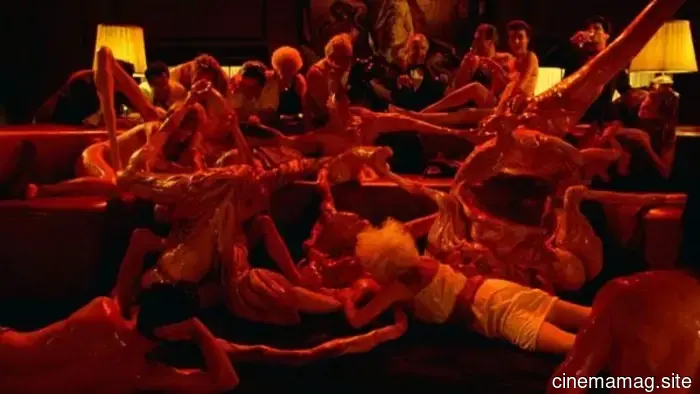
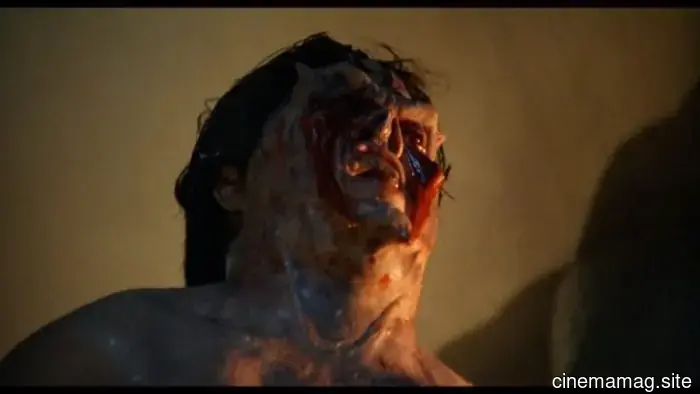
Yuzna also weaves in elements of body horror, particularly in the surreal and grotesque final act. The climactic “shunting” ritual is a depraved nightmare that does not shy away from provocative visuals, using body horror not only to embrace the genre but also as a metaphor for the exploitative and overpowering nature of a wealthy elite.
The Lift (1983)
Dutch filmmaker Dick Maas imparts a distinctly European flavor to the American sci-fi horror genre with The Lift. The title refers to the elevator in a high-rise building in Amsterdam, which becomes a malevolent force that kills its occupants in various ways, including a gruesome instance where a victim becomes decapitated.
Despite the absurd premise, Maas maintains a subdued approach, focusing on an unsettling atmosphere with minimal gore and violence. He paces the narrative akin to a murder mystery, featuring Huub Stapel as Felix Adelaar, a determined lift technician trying to uncover the cause of the mysterious deaths linked to the elevator. Notably, The Lift also explores themes of technological malfunctions and corporate greed, balanced by Maas's inclusion of deadpan and dark comedic elements.
The Lift has since garnered cult status, and in 2001, Maas produced an American remake titled Down a.k.a The Shaft, featuring James Marshall and a pre-fame Naomi Watts.
Video Violence (1987)
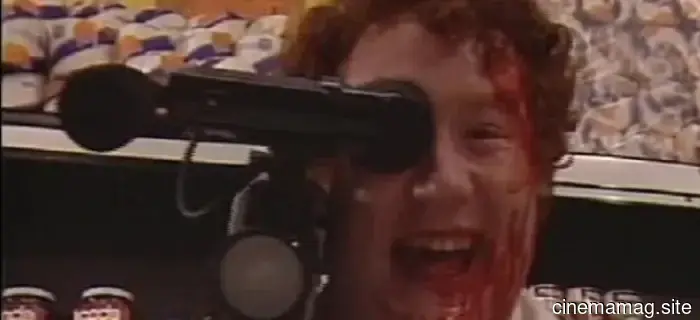
Long before the V/H/S horror anthology series left its mark on the genre, Gary Cohen's low-budget Video Violence utilized a VHS camcorder to explore the obsession with media consumption. The plot centers on a video store owner who senses that something is amiss in his small town, as locals prefer renting gory horror films over mainstream comedies. When he finds an unwanted videotape that turns out to be a homemade snuff film, more such tapes appear as the story unfolds, heightening the protagonist's paranoia.
The grainy VHS aesthetic evokes a profoundly unsettling atmosphere, enhanced by the use of gore and violence. The film is understandably rough around the edges, yet Cohen effectively blends B-movie exploitation horror, dark comedy, and social commentary about the impact of violent media on corrupt minds and desensitization to real-world violence.
The Laughing Dead (1989)
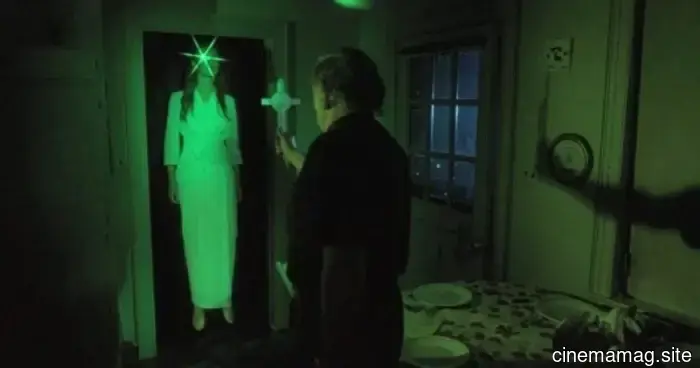
Writer-director Somtow Sucharitkul, credited as S. P. Somtow, takes a wild approach in The Laughing Dead, which merges supernatural and exploitation horror with a vibe reminiscent of Evil Dead. The narrative follows a group led by the disgraced priest, Father O’Sullivan (Tim Sullivan), on a bus trip to Mexico for an archaeological expedition, where they encounter the deranged Dr. Um-tzec (played by Sucharitkul himself) who aims to unleash chaos through occult rituals.
The film is populated with quirky characters, including two nerdy New Age students, Larry Kagen and Krista Keim. The horror is unapologetically exaggerated, filled with enough blood and gore to fulfill genre fans' desires. Standout moments include an unexpected “basketball” scene and a climactic finale that is visually outrageous and must be witnessed.
Pledge Night (1988)
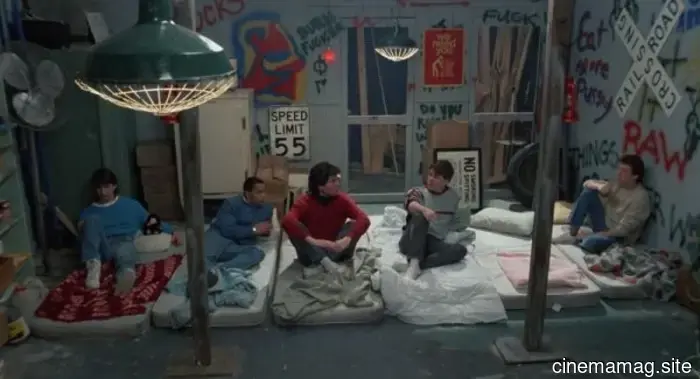
What if National Lampoon’s Animal House received a zany slasher twist
Other articles
 Cozy Farm cannabis featuring the trailer for Jay and Silent Bob's Joint Venture.
The independent video game studio Nitrate Games has partnered with Kevin Smith to introduce an adult-themed cozy farming experience titled Jay and Silent Bob’s Joint Venture, which was revealed at the San Diego Co…
Cozy Farm cannabis featuring the trailer for Jay and Silent Bob's Joint Venture.
The independent video game studio Nitrate Games has partnered with Kevin Smith to introduce an adult-themed cozy farming experience titled Jay and Silent Bob’s Joint Venture, which was revealed at the San Diego Co…
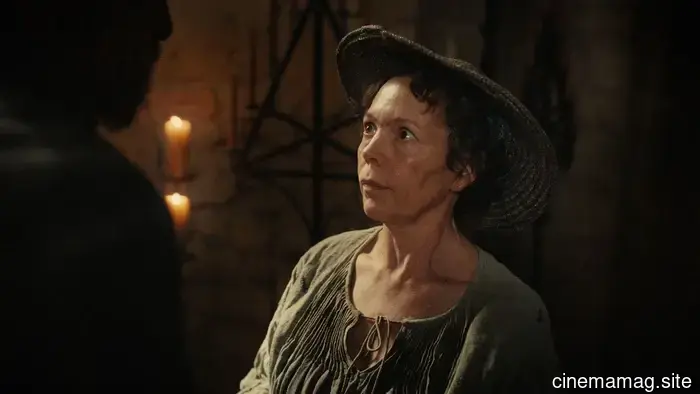 Olivia Colman Brings Alexander Skarsgård to Life in the Initial Trailer for Wicker
A unique love story this year, "Wicker" by Alex Huston Fischer and Eleanor Wilson features a narrative in which a woman (Olivia Colman) requests a wicker husband (Alexander Skarsgård) to be crafted by the local basketmaker (Peter Dinklage). With Elizabeth Debicki in the cast and cinematography by Lol Crawley (The Brutalist), the film is set to receive a
Olivia Colman Brings Alexander Skarsgård to Life in the Initial Trailer for Wicker
A unique love story this year, "Wicker" by Alex Huston Fischer and Eleanor Wilson features a narrative in which a woman (Olivia Colman) requests a wicker husband (Alexander Skarsgård) to be crafted by the local basketmaker (Peter Dinklage). With Elizabeth Debicki in the cast and cinematography by Lol Crawley (The Brutalist), the film is set to receive a
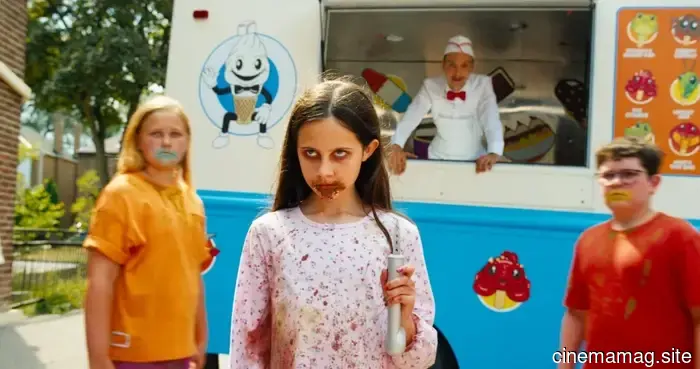 Exclusive Interview – Eli Roth States Ice Cream Man Comes With a Single Warning: “There Will Be Blood…”
EJ Moreno talks with filmmaker Eli Roth regarding Ice Cream Man… In Ice Cream Man, director Eli Roth acknowledges that he's continually attempting to surpass his own limits concerning blood and gore. Is this his bl...
Exclusive Interview – Eli Roth States Ice Cream Man Comes With a Single Warning: “There Will Be Blood…”
EJ Moreno talks with filmmaker Eli Roth regarding Ice Cream Man… In Ice Cream Man, director Eli Roth acknowledges that he's continually attempting to surpass his own limits concerning blood and gore. Is this his bl...
 Cozy farm cannabis featuring the trailer for Jay and Silent Bob's Joint Venture.
The independent video game studio Nitrate Games is collaborating with Kevin Smith to offer an adult-themed interpretation of cozy farming through the game Jay and Silent Bob’s Joint Venture, which was revealed at the San Diego Comic-Con.
Cozy farm cannabis featuring the trailer for Jay and Silent Bob's Joint Venture.
The independent video game studio Nitrate Games is collaborating with Kevin Smith to offer an adult-themed interpretation of cozy farming through the game Jay and Silent Bob’s Joint Venture, which was revealed at the San Diego Comic-Con.
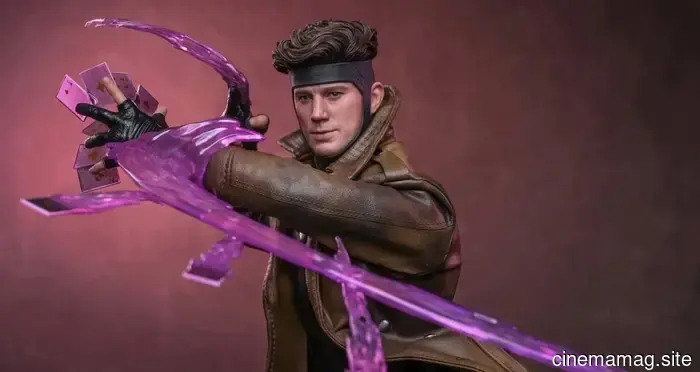 Channing Tatum's Gambit is now part of Hot Toys' sixth scale action figure collection based on Avengers: Doomsday.
Continuing the series of collectibles for Avengers: Doomsday, Hot Toys has unveiled the sixth scale figure of Gambit, drawing inspiration from Channing Tatum's portrayal…
Channing Tatum's Gambit is now part of Hot Toys' sixth scale action figure collection based on Avengers: Doomsday.
Continuing the series of collectibles for Avengers: Doomsday, Hot Toys has unveiled the sixth scale figure of Gambit, drawing inspiration from Channing Tatum's portrayal…
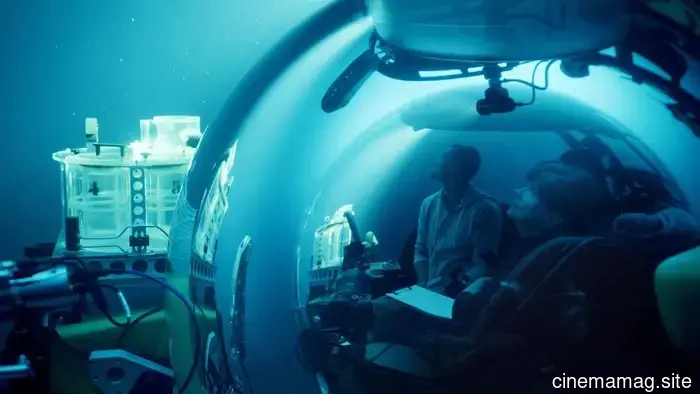 In Life Illuminated, a marine biologist witnesses an unprecedented sight that no one else has observed before.
While viewing A Life Illuminated, the beautiful new documentary featuring marine biologist Dr. Edith Widder, I couldn't help but recall a scene from the 1997 film Contact, in which
In Life Illuminated, a marine biologist witnesses an unprecedented sight that no one else has observed before.
While viewing A Life Illuminated, the beautiful new documentary featuring marine biologist Dr. Edith Widder, I couldn't help but recall a scene from the 1997 film Contact, in which
7 Strange Horror Films from the 80s You Must Watch
Casey Chong offers a collection of unusual horror films from the 80s that you may have overlooked… The 1980s were a remarkable era for the horror genre, largely due to the use of practical effects, which…