
10 Awful Horror Movie Sequels
Casey Chong presents a list of ten dreadful horror movie sequels…
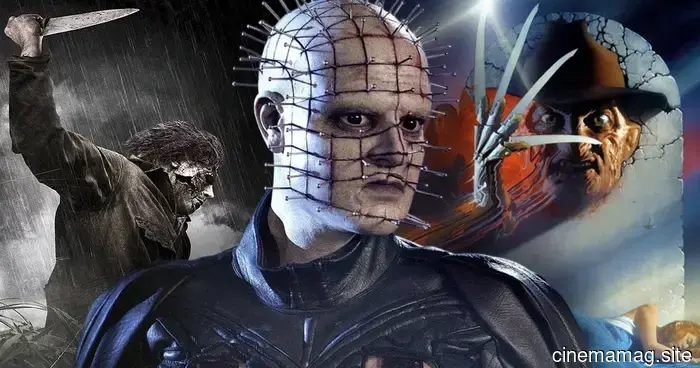
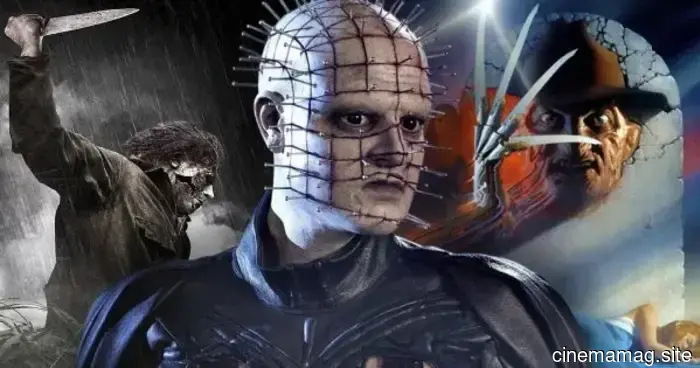
Not every horror franchise maintains consistent quality, as evident in renowned series like Evil Dead, Scream, and Final Destination. Compiling a list of the ten worst horror sequels is no easy task, but here it is, including the dismal entries from slasher franchises featuring Jason Voorhees, Freddy Krueger, and Michael Myers—along with the significantly lesser sequels that fail to match the excellence of the original films.
An American Werewolf in Paris (1997)
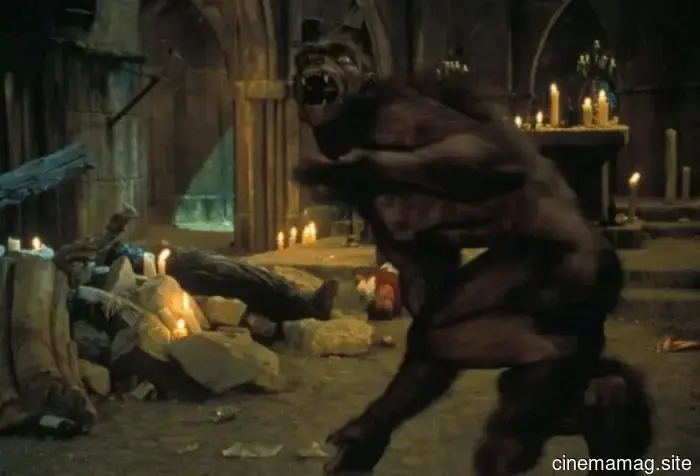
One of the reasons An American Werewolf in London has become a timeless classic in the genre is due to Rick Baker’s iconic practical effects for the werewolf transformation, along with John Landis’s cynical blend of horror and comedy. Sixteen years later, director and co-writer Anthony Waller, who made an impressive debut in 1995’s clever Mute Witness, presents a poorly conceived sequel that is more of a name reuse than a true continuation.
Waller attempts to keep the horror-comedy elements but fails to combine them effectively since the werewolf menace lacks authentic terror. Transitioning to a frat-boy comedy angle comes off as silly and tiresome. The film suffers further from slapdash werewolf effects that depend heavily on video game-esque CGI, especially in bright scenes (like the subway train attack). The plot also becomes unnecessarily complicated with the introduction of a secret werewolf society and the notion that werewolves can change with a special serum rather than the classic full-moon tale.
Friday the 13th Part VIII: Jason Takes Manhattan (1989)
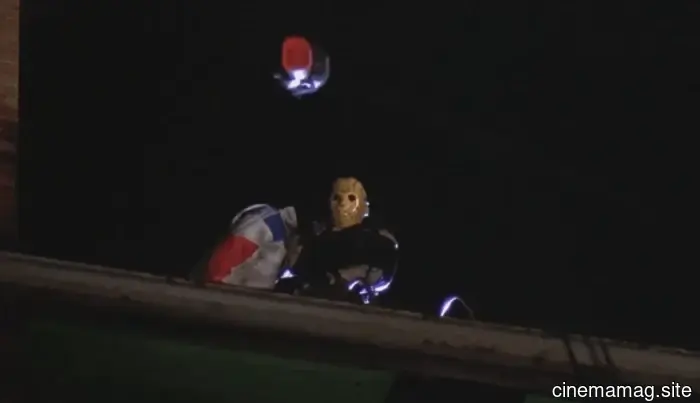
The thought of the seemingly invincible Jason Voorhees embarking on a killing spree in the bustling city of Manhattan, as opposed to the typical rural settings, holds a lot of gory potential. However, Rob Hedden, in his directorial debut with Friday the 13th Part VIII: Jason Takes Manhattan, faced significant constraints due to a drastically reduced $5 million budget, making it impossible to deliver on that promise. As a result, most of the film is set aboard the SS Lazarus cruise ship, traveling from Crystal Lake to New York City.
The standard stalk-and-slash plot matters less in a Friday the 13th movie than the high body count and graphic kills. Unfortunately, this film suffers from severely diluted violence and gore, with many scenes occurring off-screen. Even a moment where Jason punches a victim's head off looks more like a parody than effective horror. Plus, the jarring placement of Metropolis’s soft rock track “The Darkest Side of the Night” during the opening credits would fit better in a teen drama. The film concludes with a lackluster, anticlimactic third act set in the sewer where Jason’s defeat occurs.
Freddy’s Dead: The Final Nightmare (1991)
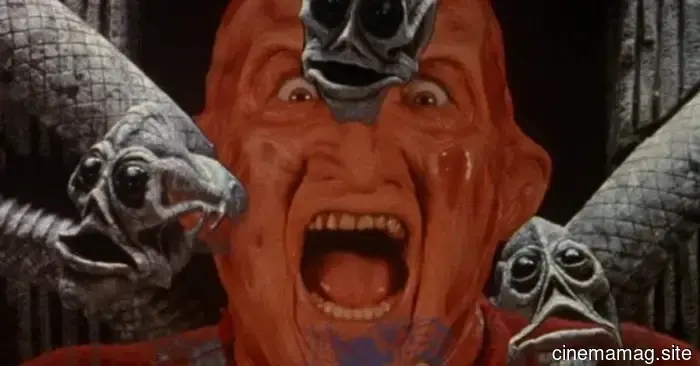
Chuck Russell successfully rejuvenated the Nightmare on Elm Street series in the third installment by portraying Freddy Krueger as a sardonic monster, managing a balance between dark humor and playful gore. However, the sixth and supposedly final film, Freddy’s Dead: The Final Nightmare, aptly deserves the tagline “They Saved the Worst for Last.” Rachel Talalay’s directorial debut reduced Freddy Krueger to a mere joke, devoid of his former menace.
The unnecessary bait-and-switch narrative involving “the only surviving teenager from Springwood,” named John Doe (Shon Greenblatt), feels like a cheap trick, especially after viewers invest time wondering about his amnesia and ties to Freddy, only to discover it was all a smokescreen. This gimmick fails to warrant the audience's time, and when the narrative begins to take shape, the well-worn focus on Lisa Zane’s Maggie feels like an awkward addition designed solely to flesh out Freddy's past. The kills become laughable (notably the infamous pixelated video game sequence), stripped of fear and tension.
Halloween II (2009)
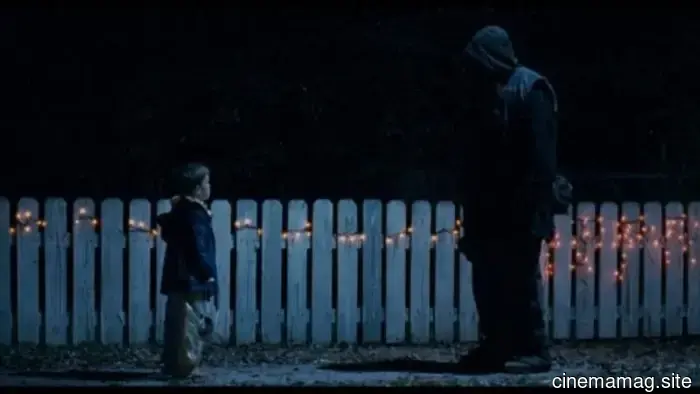
Although Rob Zombie’s 2007 Halloween reboot provides a solid origin story for Michael Myers, he entirely derails the franchise with its follow-up, Halloween II. The film opens with a thrilling hospital scene that pays homage to Rick Rosenthal’s 1981 sequel, creating anticipation for a promising direction. Yet, the rest of the movie devolves, featuring unlikable characters and transforming Laurie Strode, played by Scout-Taylor Compton, into a cynical protagonist suffering from PTSD.
The sequel additionally strips Michael Myers of his iconic appearance, opting for an unmasked, hobo-like figure with an unkempt beard. Zombie confuses mean-spirited violence and brutality with genuine terror, resulting in something hollow, compounded by the inclusion of supernatural elements—like bizarre imagery of a white horse and the ghost of Sheri Moon Zombie’s Deborah Myers—that further derail the series.
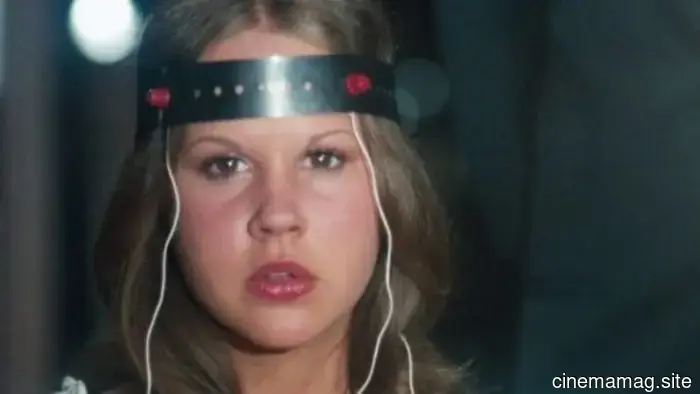
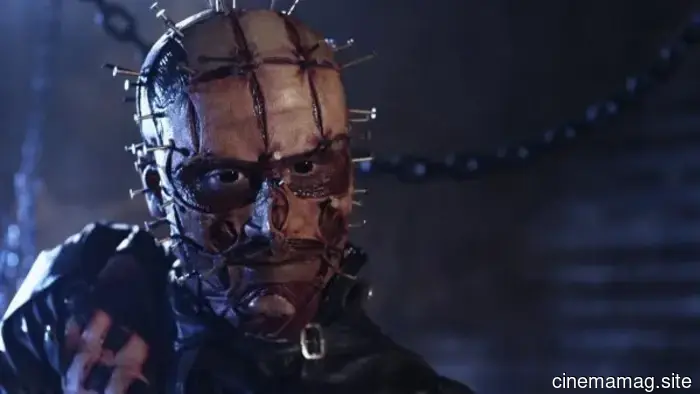
Exorcist II: The Heretic (1977)
What do you get when a director who loathed the original film takes the helm of the sequel?
Otros artículos
 Si Marvel vuelve a elegir a Blade, estos 5 actores deberían encabezar la lista.
Joseph Jenkinson con cinco sugerencias para Marvel Studios si deciden volver a elegir a Blade… El reboot de Blade, que ha tenido muchos problemas en Marvel Studios, finalmente ha llegado a una conclusión desafortunada. Después de varios…
Si Marvel vuelve a elegir a Blade, estos 5 actores deberían encabezar la lista.
Joseph Jenkinson con cinco sugerencias para Marvel Studios si deciden volver a elegir a Blade… El reboot de Blade, que ha tenido muchos problemas en Marvel Studios, finalmente ha llegado a una conclusión desafortunada. Después de varios…
 Vista previa del cómic – Star Wars: La caída de Kylo Ren #1
Marvel Comics lanza la nueva serie Star Wars: The Fall of Kylo Ren #1 este próximo miércoles, y puedes echar un vistazo al primer número con la vista previa oficial a continuación… THE LEGA…
Vista previa del cómic – Star Wars: La caída de Kylo Ren #1
Marvel Comics lanza la nueva serie Star Wars: The Fall of Kylo Ren #1 este próximo miércoles, y puedes echar un vistazo al primer número con la vista previa oficial a continuación… THE LEGA…
 Los influencers juegan juegos mortales en el tráiler del thriller de suspenso.
Miracle Media ha compartido un tráiler, un cartel y imágenes del thriller de suspense Juegos Mortales antes de su estreno en el Reino Unido este próximo lunes. Dirigido por Ojan Missaghi y protagonizado por Vanessa Angel, Gilles Ma…
Los influencers juegan juegos mortales en el tráiler del thriller de suspenso.
Miracle Media ha compartido un tráiler, un cartel y imágenes del thriller de suspense Juegos Mortales antes de su estreno en el Reino Unido este próximo lunes. Dirigido por Ojan Missaghi y protagonizado por Vanessa Angel, Gilles Ma…
 Exquisita serie básica Mechagodzilla de Godzilla: Tokyo S.O.S. presentada por Hiya Toys
Hiya Toys ha revelado la figura de acción Mechagodzilla de la Exquisite Basic Series de Godzilla: Tokyo S.O.S., la 27ª película de la icónica franquicia kaiju de Toho. La figura de acción está disponible para pre-…
Exquisita serie básica Mechagodzilla de Godzilla: Tokyo S.O.S. presentada por Hiya Toys
Hiya Toys ha revelado la figura de acción Mechagodzilla de la Exquisite Basic Series de Godzilla: Tokyo S.O.S., la 27ª película de la icónica franquicia kaiju de Toho. La figura de acción está disponible para pre-…
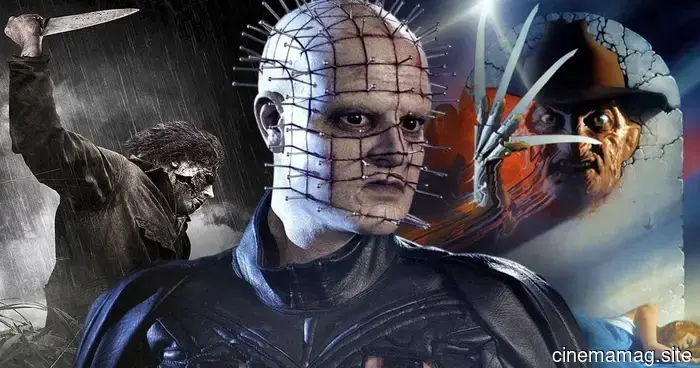 10 Terribles Secuelas de Películas de Terror
Casey Chong con diez terribles secuelas de películas de terror…. No todas las franquicias de terror son consistentes con sus cualidades, lo que se puede ver en series de películas notables como Evil Dead, Scream y Final De…
10 Terribles Secuelas de Películas de Terror
Casey Chong con diez terribles secuelas de películas de terror…. No todas las franquicias de terror son consistentes con sus cualidades, lo que se puede ver en series de películas notables como Evil Dead, Scream y Final De…
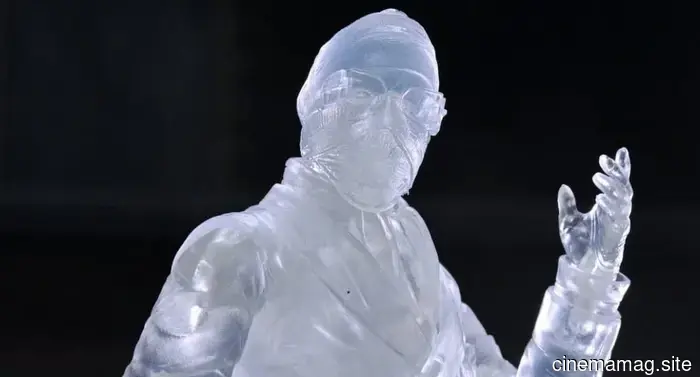 El Hombre Invisible recibe una nueva figura de acción Ultimate de Universal Monsters de NECA.
Recientemente, tras la revelación de su figura de Son of Frankenstein, NECA ha desvelado otro próximo lanzamiento en su colección de Monstruos Universales, ya que El Hombre Invisible recibe el tratamiento Ultimate de 7 pulgadas con un transluc…
El Hombre Invisible recibe una nueva figura de acción Ultimate de Universal Monsters de NECA.
Recientemente, tras la revelación de su figura de Son of Frankenstein, NECA ha desvelado otro próximo lanzamiento en su colección de Monstruos Universales, ya que El Hombre Invisible recibe el tratamiento Ultimate de 7 pulgadas con un transluc…
10 Awful Horror Movie Sequels
Casey Chong presents ten dreadful sequels in horror movies... Not all horror franchises maintain a consistent level of quality, as evident in well-known series like Evil Dead, Scream, and Final Destination...