
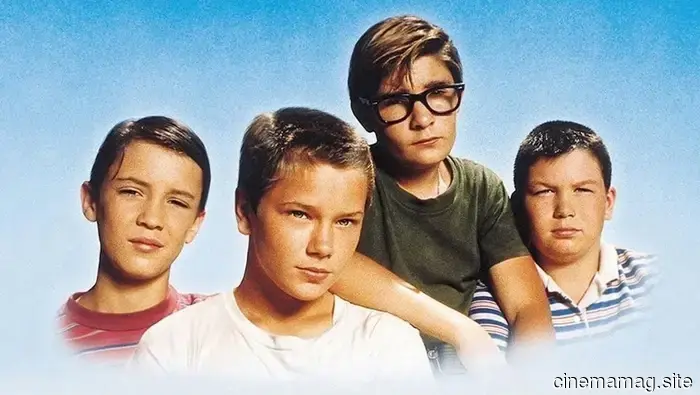
Stand by Me at 40: The Background of the Iconic Coming-of-Age Classic
As the film commemorates its 40th anniversary, Hasitha Fernando explores the story behind Rob Reiner’s legendary adaptation of Stephen King’s Stand By Me…
Stand By Me is often regarded as one of the finest films to emerge from the 1980s, serving as a standard for coming-of-age dramas in film. Since its debut four decades ago, the movie has continued to enchant and connect with audiences across generations through its enduring themes of friendship and loss. In celebration of its 40th anniversary, we revisit the behind-the-scenes moments that contributed to this beloved pop culture classic…
Stand By Me was inspired by a Stephen King novella
Stand By Me is based on Stephen King’s novella The Body, which was part of a 1982 collection of four stories titled Different Seasons. The narrative unfolds over one summer in 1960 in the fictional town of Castlerock, Maine. Film producer Bruce A. Evans, charmed by King’s novella, gifted a copy to Karen Gideon, his friend’s wife, on her birthday, August 29, 1983. The couple quickly fell in love with the story and soon reached out to Kirby McCauley, King’s agent at the time, to acquire the film rights. Unfortunately, King’s asking price of $100,000 plus 10% of the gross profits was deemed too high for a studio to manage, especially without any notable talent attached. As a result, Evans and Gideon sought out Adrian Lyne, a successful filmmaker known for Foxes and Flashdance, to lend credibility to the project. Despite multiple attempts with various studios, only Martin Shafter at Embassy Pictures responded positively to their pitch. After much negotiation, Embassy Pictures was able to finalize an agreement with McCauley, while Evans and Gideon dedicated eight weeks to developing the screenplay. Following Embassy Pictures' counsel, they brought Andrew Sheineman onto the production, and it was he who sent the script to Rob Reiner after Lyne exited the project due to salary disagreements.
Rob Reiner was an emerging talent when he was selected for the role
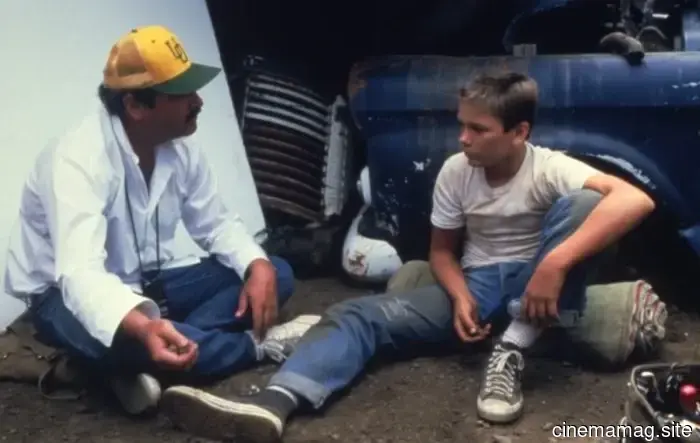
A glance at the late Rob Reiner’s film career, which includes works like The Princess Bride, When Harry Met Sally, Misery, and A Few Good Men, reveals that he was a adept storyteller across multiple genres. Before taking the helm of Stand By Me, Reiner had only directed the mockumentary This is Spinal Tap and the romantic comedy The Sure Thing. Drawing from his acting background, he recognized early on that the script needed greater “focus.” Once Reiner agreed to direct, he proposed positioning Gordie as the emotional core and narrator of the story, as he resonated the most with this character. The writing duo embraced Reiner's suggestions, resulting in a new script that satisfied both the director and the producers.
Production faced challenges just before filming began
Despite securing a director and a script, production faced significant doubt just before filming was set to begin. This uncertainty arose when Columbia Pictures acquired Embassy Pictures in the summer of 1985 and opted to cancel the project. However, Norman Lear, one of Embassy’s co-owners, chose to invest $7.5 million of his own funds into the production due to his confidence in Reiner and the screenplay. The absence of Embassy in the production raised concerns about distribution, prompting Columbia Pictures to step in. Following a private screening where his daughters gave positive feedback, Guy McElwaine, head of Columbia Pictures, became convinced that they should manage the distribution of Reiner’s film.
Columbia Pictures had reservations about the film's original title
Similar to the source material, the film was initially going to be titled The Body. However, Columbia Pictures worried that such a title would mislead audiences regarding the film’s content. During an interview, screenwriter Raynold Gideon expressed these concerns, stating, “it sounded like either a sex film, a bodybuilding film, or another Stephen King horror film.” Rob Reiner then suggested the alternative title Stand By Me, inspired by the beloved Ben E. King song, which was ultimately embraced.
Measures were taken to foster camaraderie among the young actors
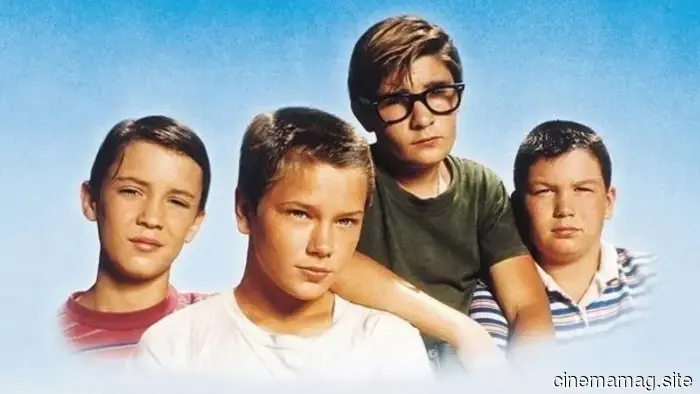
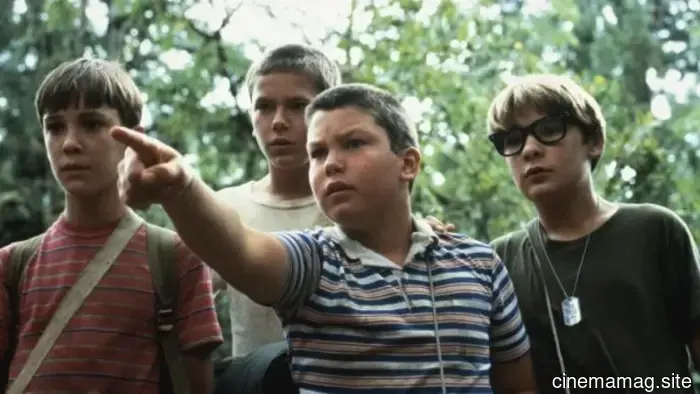
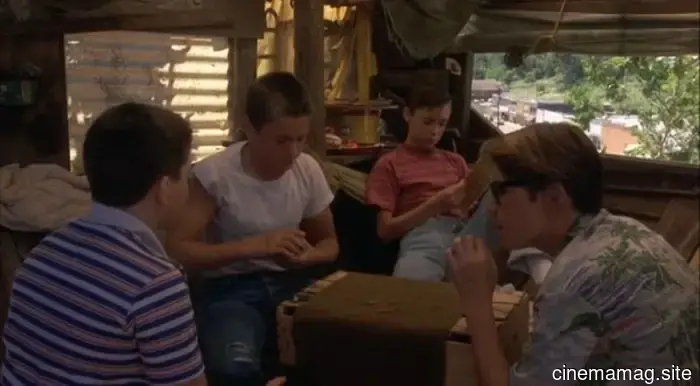
Stand By Me’s success can be largely attributed to the excellent casting choices made by the director. Reiner and the producers auditioned over 70 boys out of around 300 who tried out for the four principal roles, eventually selecting Will Wheaton, River Phoenix, Corey Feldman, and Jerry O’Connell for the leads. While Wheaton, Phoenix, and Feldman had prior acting experience, it was O’Connell’s debut in a feature film. To promote camaraderie among the young actors, Reiner took extra steps to encourage them to bond prior to filming. He brought them to Brownsville, Oregon, where the movie was shot, and engaged them in various “games and exercises” from Viola Spolin’s book “Improvisations for the Theater.” One activity involved blind



Other articles
 Did Jeffrey Dahmer Actually Watch Exorcist III 'Every Day'? Nearly.
Did Jeffrey Dahmer actually watch Exorcist III: Legion every day, as shown in Dahmer — Monster: The Jeffrey Dahmer Story? It’s close, but not entirely accurate.
Did Jeffrey Dahmer Actually Watch Exorcist III 'Every Day'? Nearly.
Did Jeffrey Dahmer actually watch Exorcist III: Legion every day, as shown in Dahmer — Monster: The Jeffrey Dahmer Story? It’s close, but not entirely accurate.
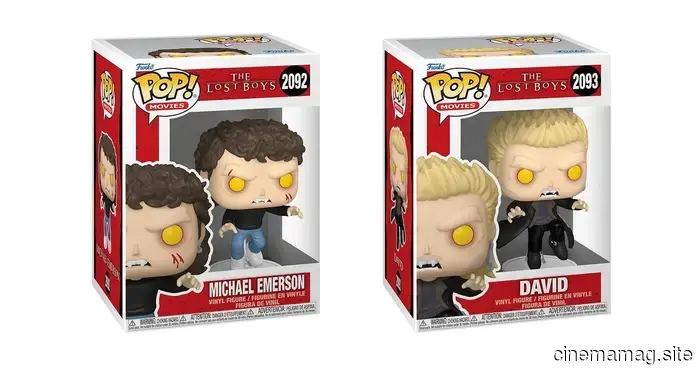 The Lost Boys are being given the Pop! makeover with new figures from Funko.
Funko has introduced two new Pop! Movies vinyl figures from Joel Schumacher’s cult classic vampire horror film, The Lost Boys, showcasing Kiefer Sutherland’s character David and Jason Patric’s character Michael E...
The Lost Boys are being given the Pop! makeover with new figures from Funko.
Funko has introduced two new Pop! Movies vinyl figures from Joel Schumacher’s cult classic vampire horror film, The Lost Boys, showcasing Kiefer Sutherland’s character David and Jason Patric’s character Michael E...
 Comic Book Teaser – Star Trek: Starfleet Academy – Lost Contact #5
IDW Publishing will release the fifth and final issue of Star Trek: Starfleet Academy – Lost Contact this Wednesday. You can take a look at the official preview below for an early glimpse… The conclusion…
Comic Book Teaser – Star Trek: Starfleet Academy – Lost Contact #5
IDW Publishing will release the fifth and final issue of Star Trek: Starfleet Academy – Lost Contact this Wednesday. You can take a look at the official preview below for an early glimpse… The conclusion…
 New trailer and images released for the Netflix anime series Fool Night.
Netflix has unveiled a trailer, featurette, and images for Fool Night, the forthcoming adaptation of Kasumi Yasuda’s renowned manga. The anime series takes place in a distant future where Earth is trapped...
New trailer and images released for the Netflix anime series Fool Night.
Netflix has unveiled a trailer, featurette, and images for Fool Night, the forthcoming adaptation of Kasumi Yasuda’s renowned manga. The anime series takes place in a distant future where Earth is trapped...
 Take a first glance at the young Poirot in the origin series, "Hercule."
BritBox has unveiled the initial glimpse of Edward Bluemel (from Agatha Christie’s Seven Dials) portraying the young Hercule Poirot in the origin series titled Hercule. Developed by Benji Walters, the series draws inspiration from A…
Take a first glance at the young Poirot in the origin series, "Hercule."
BritBox has unveiled the initial glimpse of Edward Bluemel (from Agatha Christie’s Seven Dials) portraying the young Hercule Poirot in the origin series titled Hercule. Developed by Benji Walters, the series draws inspiration from A…
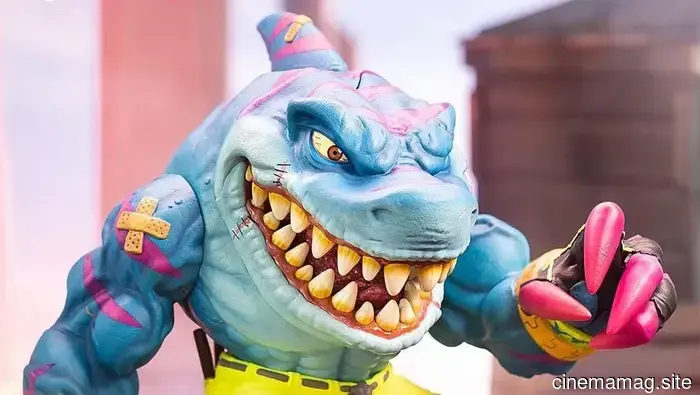 Streex becomes part of Mondo’s Street Sharks collection with a premium soft vinyl figure.
Mondo has introduced the second entry in its collection of deluxe soft vinyl figures inspired by the cult animated series Street Sharks from the 1990s, with Streex joining the previously launched Ripster.
Streex becomes part of Mondo’s Street Sharks collection with a premium soft vinyl figure.
Mondo has introduced the second entry in its collection of deluxe soft vinyl figures inspired by the cult animated series Street Sharks from the 1990s, with Streex joining the previously launched Ripster.
Stand by Me at 40: The Background of the Iconic Coming-of-Age Classic
As the film marks its 40th anniversary, Hasitha Fernando examines the background of Rob Reiner’s legendary adaptation of Stephen King, Stand By Me… Stand By Me is frequently regarded as one of t…