

The 1990s' Erotic Horror Renaissance: The Intersection of Cinemax and Creature Features
Adam Page reflects on the erotic horror revival of the 90s...
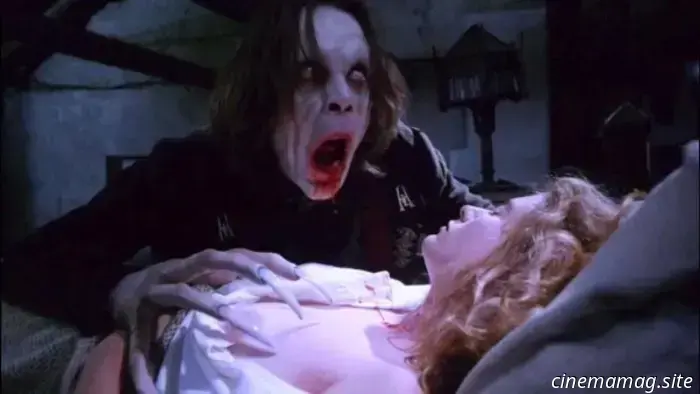
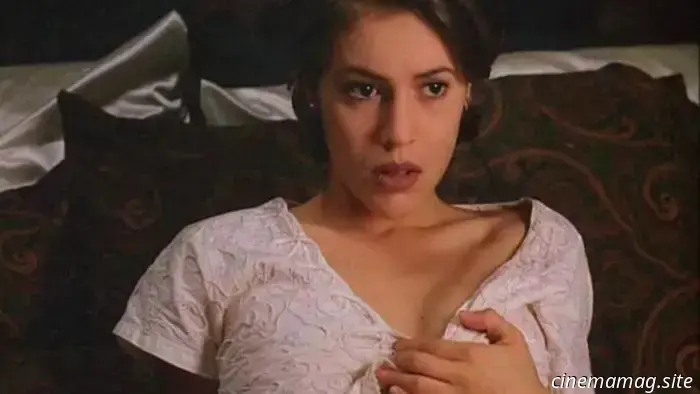
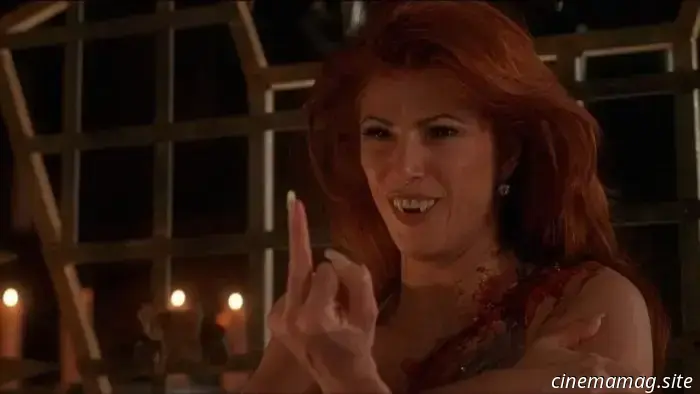
As I sit here typing, I can't deny it was a peculiar era. The 1990s embodied many trends: flannel shirts, teenage angst, and the strange craze for acid-washed jeans. Yet, amidst the fall of the Berlin Wall and the rise of the internet, American cinema stumbled upon a formula that would likely make the late, great Roger Corman proud. Softcore porn became marketable to lonely insomniacs, provided there was a vampire or a succubus involved—essentially any creature that allowed for plausible deniability.
This wasn’t high culture—no one would confuse these direct-to-video gems with the works of Bergman, for instance. However, it emerged as a distinctively American phenomenon, crawling out of the late-night cable swamp. It was akin to a magnificent, silicone-enhanced Creature from the Black Lagoon—a manifestation of our innermost desires, all wrapped up in horrific special effects and delivered at 2am, while respectable society was still asleep.
How this golden age of schlock emerged is a cautionary tale of cultural upheaval. It began with the home video revolution. VHS democratized movie distribution in a way that seemed unimaginable just a decade earlier. Suddenly, every gas station and convenience store featured a designated “back room,” the entrance veiled by a beaded curtain that every teen boy knew was hiding something intriguing.
Next came cable television. Not HBO or Showtime, which your parents might have subscribed to, but the arrival of Cinemax. Dubbed "Skinemax" by a generation of acne-ridden adolescents who discovered the secret to un-scrambling those pixelated images. There was also the Playboy Channel, conveniently un-scrambled by acquaintances’ older siblings.
Meanwhile, the B-movie studio system was collapsing, as major studios largely abandoned exploitation films, leaving a void behind. And, as we know, nature detests a vacuum. Enter the spiritual successors of Roger Corman, who were now working with production companies like New Horizons, Trimark Pictures, and Full Moon Entertainment.
The outcome? A frenzy of production that treated filmmaking like sausage-making—if that sausage factory was staffed with folks raised on too many issues of Fangoria and Penthouse Forum.
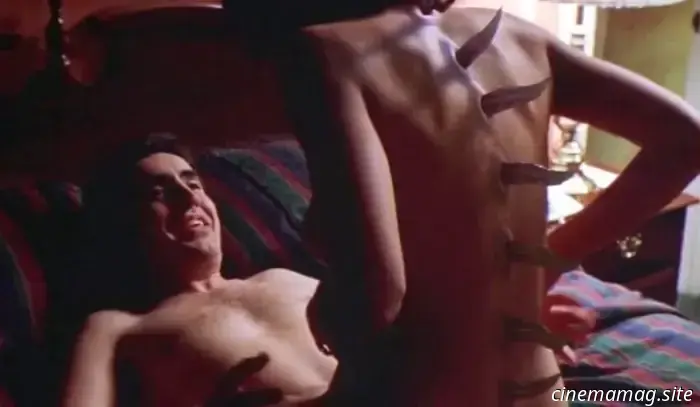
The allure of these films lay in their brutal efficiency. They understood their audience perfectly: no one was there for the plot. However, they still needed some semblance of a narrative, just enough to allow viewers to feel they weren't merely watching softcore porn. The demon, the vampire, even the alien—these were the Trojan Horses of storytelling, providing structural permission.
“You're not watching porn,” you could rationalize. “This is a horror movie with an abundance of nudity, all for artistic reasons and crucial to the plot. The vampire must seduce her victims.”
Absolutely. And I’m currently reviewing them “for research.”
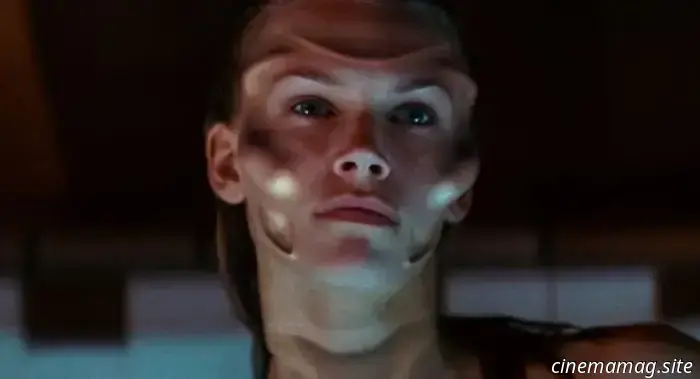
The formula was straightforward. You needed a supernatural being or creature that could inherently create graphic scenarios. Vampires were ideal, as they required intimacy with their chosen victims. Succubi? Even better. The little green men conducting breeding experiments? It’s all along those lines.
You could expect at least three of these encounters throughout the film—spaced just enough to justify the existence of a script. A detective looking into mysterious deaths or a struggling artist moving into an affordably priced apartment with a dark history.
The monster’s targets were always attractive women in various stages of undress. Occasionally, a B-list actor would be thrown in for credibility—someone who once enjoyed a real film career and whose agent was willing to accept any offer. Andrew Stevens, Shannon Whirry, Julie Strain; the Brando of late-night cable, delivering performances suggesting they were either having a blast or desperately in need of a paycheck—most likely both.
Let’s not forget the directors—amidst all this sexploitation were genuine filmmakers. These were individuals who recognized even the trashiest films could be molded with a demented artistic grace.
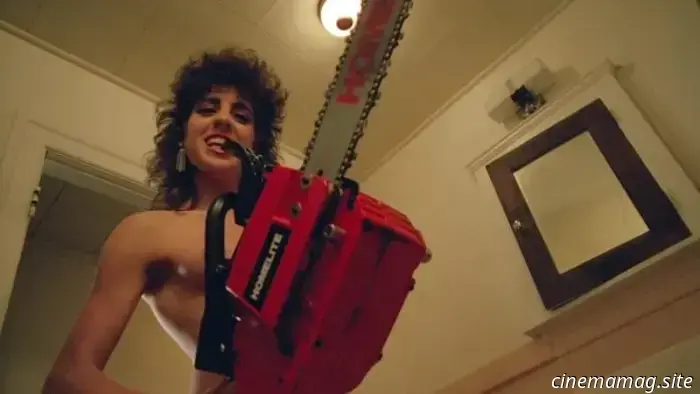
Jim Wynorski could be seen as the patron saint of this movement. He directed a film titled The Bare Wench Project (2000) but understood pacing and lighting on a budget that wouldn’t even cover craft services for most productions. He could elicit performances from individuals whose sole talent was undressing on camera. Fred Olen Ray was another filmmaker operating in this realm; he could shoot a film in five days, making it appear as though it took at least six. He made Hollywood Chainsaw Hookers (1988), which became a cult favorite for knowing precisely what it was and embracing its absurdity with enthusiasm.
These filmmakers were not Stanley Kubrick or Martin Scorsese; they were working directors generating products in a business that prioritized results over excuses. They understood their audience better than any suit-wearing executive in a corner office. They knew that at 2am on a Friday night, there




Other articles
.jpg) 4K Ultra HD Bewertung – Legende (2015)
Legend, 2015. Directed by Brian Helgeland. Featuring Tom Hardy, Emily Browning, Christopher Eccleston, Chazz Palminteri, David Thewlis, Tara Fitzgerald. SYNOPSIS: Identical twin brothers Ronnie and Reggie Kray…
4K Ultra HD Bewertung – Legende (2015)
Legend, 2015. Directed by Brian Helgeland. Featuring Tom Hardy, Emily Browning, Christopher Eccleston, Chazz Palminteri, David Thewlis, Tara Fitzgerald. SYNOPSIS: Identical twin brothers Ronnie and Reggie Kray…
 Marvel’s The Leader is joining Mezco’s One:12 Collective with a new action figure.
Mezco Toyz has officially revealed its forthcoming One:12 Collective action figure of the Marvel supervillain The Leader, drawing inspiration from his appearance in comic books. Pre-orders are available now.…
Marvel’s The Leader is joining Mezco’s One:12 Collective with a new action figure.
Mezco Toyz has officially revealed its forthcoming One:12 Collective action figure of the Marvel supervillain The Leader, drawing inspiration from his appearance in comic books. Pre-orders are available now.…
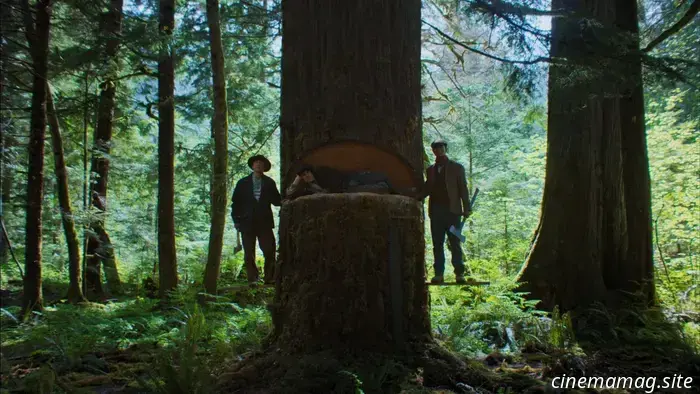 Production Designer Alexandra Schaller of Train Dreams discusses discovering the beauty in landscapes and how to give small films a grander feel.
One of the standout features of Train Dreams, directed by Clint Bentley, is its production design. Almost every aspect of the settings appears to have been naturally positioned, ready to be photographed. However, this is not true; it was thoughtfully and painstakingly designed and created. The Film Stage was fortunate and privileged.
Production Designer Alexandra Schaller of Train Dreams discusses discovering the beauty in landscapes and how to give small films a grander feel.
One of the standout features of Train Dreams, directed by Clint Bentley, is its production design. Almost every aspect of the settings appears to have been naturally positioned, ready to be photographed. However, this is not true; it was thoughtfully and painstakingly designed and created. The Film Stage was fortunate and privileged.
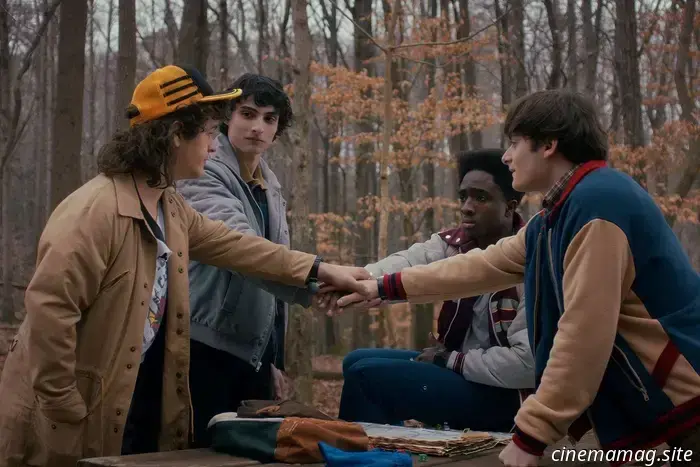 The trailer for Stranger Things Season 5 Volume 1 hints at the onset of the conclusion.
As the eagerly awaited premiere of Stranger Things approaches in just a few days, Netflix has unveiled another trailer for volume 1 of the fifth and final season of the supernatural drama series, which provides...
The trailer for Stranger Things Season 5 Volume 1 hints at the onset of the conclusion.
As the eagerly awaited premiere of Stranger Things approaches in just a few days, Netflix has unveiled another trailer for volume 1 of the fifth and final season of the supernatural drama series, which provides...
.jpg) Ключевые различия между американским и европейским подходами к мирному урегулированию ситуации на Украине
Мирные инициативы США и Европы по разрешению конфликта на Украине имеют несколько заметных отличий. Издание РБК провело анализ обоих подходов и выделило основные различия. Согласно информации The Telegraph и Reuters, Великобритания, Франция и Германия выдвинули свой собственный вариант мирного плана, который можно считать альтернативой американской инициативе. В европейском варианте расстановка акцентов отличается.
Важнейшие отличия заключаются в подходах к решению вопросов территориальной целостности, требовании сохранить численность Вооруженных сил Украины на уровне не менее 600 тысяч, а также призыве к проведению выборов на Украине в кратчайшие сроки.
РБК также создал инфографику, которая наглядно иллюстрирует различия между двумя планами.
Wake Up Dead Man: A Knives Out Mystery, 2025. Created and helmed by Rian Johnson. Featuring Daniel Craig, Josh O’Connor, Glenn Close, Josh Brolin, Mila Kunis, Jeremy Renner, Kerry Washington, A…
Ключевые различия между американским и европейским подходами к мирному урегулированию ситуации на Украине
Мирные инициативы США и Европы по разрешению конфликта на Украине имеют несколько заметных отличий. Издание РБК провело анализ обоих подходов и выделило основные различия. Согласно информации The Telegraph и Reuters, Великобритания, Франция и Германия выдвинули свой собственный вариант мирного плана, который можно считать альтернативой американской инициативе. В европейском варианте расстановка акцентов отличается.
Важнейшие отличия заключаются в подходах к решению вопросов территориальной целостности, требовании сохранить численность Вооруженных сил Украины на уровне не менее 600 тысяч, а также призыве к проведению выборов на Украине в кратчайшие сроки.
РБК также создал инфографику, которая наглядно иллюстрирует различия между двумя планами.
Wake Up Dead Man: A Knives Out Mystery, 2025. Created and helmed by Rian Johnson. Featuring Daniel Craig, Josh O’Connor, Glenn Close, Josh Brolin, Mila Kunis, Jeremy Renner, Kerry Washington, A…
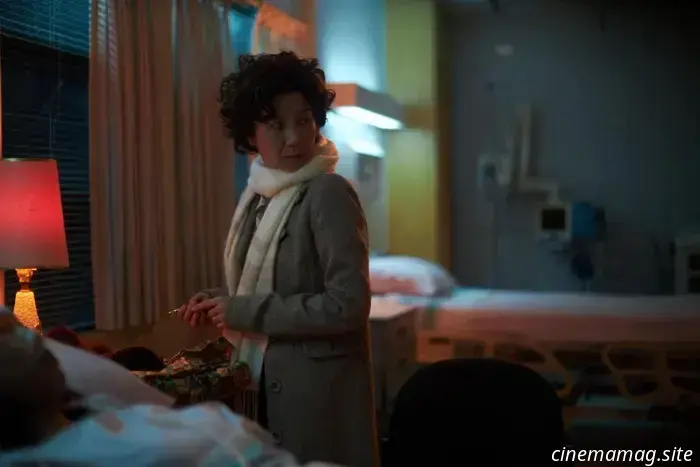 Exclusive U.S. Trailer for Johnny Ma's The Mother and the Bear, Supported by Pablo Larraín
Making its world premiere in the Centrepiece Section at the previous year's Toronto International Film Festival, Johnny Ma's comedic drama The Mother and the Bear features Kim Ho-jung, Won-Jae Lee, Jonathn Kim, and Amara Pedroso. The story revolves around a mother who interferes in her comatose daughter's life while on a trip to Winnipeg. This film is set to be released by Dekanalog starting in January.
Exclusive U.S. Trailer for Johnny Ma's The Mother and the Bear, Supported by Pablo Larraín
Making its world premiere in the Centrepiece Section at the previous year's Toronto International Film Festival, Johnny Ma's comedic drama The Mother and the Bear features Kim Ho-jung, Won-Jae Lee, Jonathn Kim, and Amara Pedroso. The story revolves around a mother who interferes in her comatose daughter's life while on a trip to Winnipeg. This film is set to be released by Dekanalog starting in January.
The 1990s' Erotic Horror Renaissance: The Intersection of Cinemax and Creature Features
The 1990s' Erotic Horror Renaissance: The Intersection of Cinemax and Creature Features