
Imogen Poots Discusses Turning Down Roles and Welcoming The Chronology of Water
Imogen Poots is selective about the roles she takes on, only committing to those she truly believes in.
“In my twenties, I didn’t grasp the idea of gut feeling and instinct because I lacked sufficient life experience,” reflects the star of Kristen Stewart's directorial debut, The Chronology of Water.
Poots also feels that actors often face undue pressure to accept roles they believe will lead to more significant opportunities in the future. However, she emphasizes that the one aspect they can genuinely control is the projects they choose to be involved with.
“I mainly work in independent cinema, which has always been my aspiration,” she clarifies.
She particularly enjoys the element of risk inherent in indie filmmaking.
“The attractive aspect of independent film is collaborating with someone like Kristen and other amazing directors; there’s uncertainty about whether it will succeed, yet we all share the same vision and intent,” she elaborates. “You hope for a long journey ahead, despite the pressures that can lead to rushing things, which is easy to fall into when you're younger, even when you sense a project isn’t right for you.”
If other actors prefer a different approach, she respects that.
“You should go out, have fun, make money, and care for yourself and those you love,” she states. “I simply can’t engage in things that don’t resonate with me. I’d rather find alternative ways to earn a living.”
Poots has portrayed numerous compelling roles—one of her most celebrated performances was in Jeremy Saulnier’s 2015 horror film Green Room—but she’s experiencing a career peak thanks to her roles in Nia DaCosta’s new Hedda and The Chronology of Water.
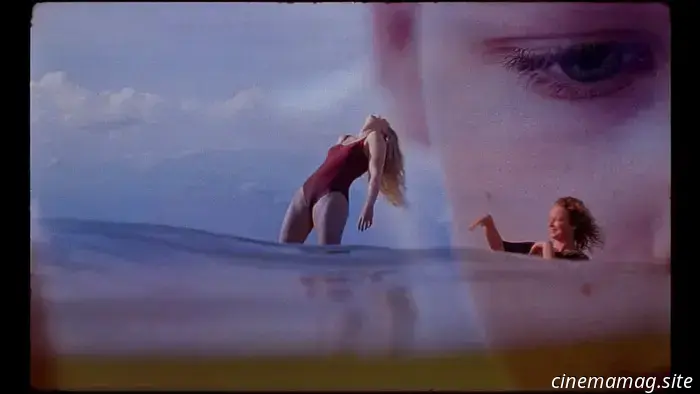
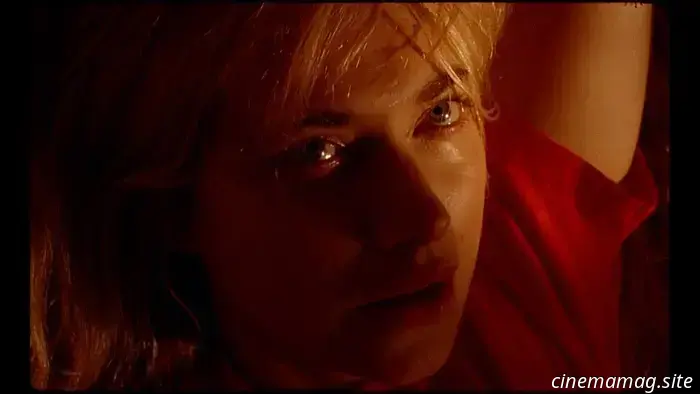
Based on Lidia Yuknavitch’s 2011 memoir of the same name, The Chronology of Water narrates a tale of trauma, healing, survival, pain, sexuality, queerness, and art. The film eschews a linear narrative in favor of a collage of raw emotions—a story Poots has long wanted to tell.
She was involved in the project for about two-and-a-half years before Stewart was able to piece everything together to create the film she envisioned, without compromise.
Poots expressed her admiration for her director's transition from acting in a famous franchise like the Twilight series to directing a deeply personal film that explores inner emotions.
“To be acknowledged in this way and given this opportunity is incredibly meaningful to me, to the point where I become emotional, and it's difficult to articulate,” Poots shares. “I take great pride in this film, and I’m immensely proud of Kristen. It feels distinct from my other work because of that emotional investment and the affection I have for the person I created this with.”
One of the toughest challenges she faced was delivering most of her performance in silence.
“You should never just play tone or visuals; it's more about capturing a person’s life. I wasn’t concentrating on fragments other than perhaps abstract shots,” Poots explains. “One thing I admire about Lydia is her ability to write while constantly thinking. There’s this misconception that introverts are not deep thinkers. In reality, they’re often thinking the whole time. Misinterpreting silence for a lack of thought can be a significant issue in our current times.”
After screenings, audience members have approached her to share their own experiences. Poots mentions that Stewart emphasized that the character in the film is not just Lidia the person, but a blend of that individual with Stewart and Poots, representing every woman.
“It’s incredible to witness these responses, and it’s also gratifying because the film doesn’t feel self-indulgent,” Poots comments. “We created this work, and people are responding to it physically and finding release. When you spend money on a movie, you want to experience something that resonates with you. The fact that this film achieves that means a lot. That is what cinema is about.”
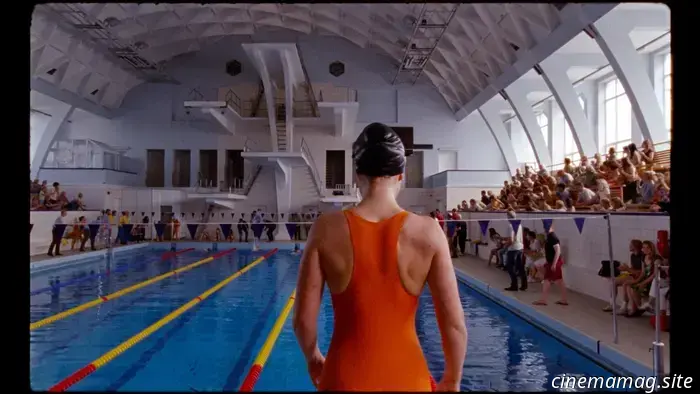
To portray Lidia Yuknavitch authentically, Poots underwent extensive training in New York City pools to develop a swimmer’s physique, enduring challenges including a hernia, but she feels thankful for the experience.
She delved into Yuknavitch’s writings along with those of her influences and communicated with the author, although they did not meet prior to filming.
“Her writing flows in a beatnik style, often without punctuation,” Poots points out. “It was fascinating to observe that she tells the same story repeatedly. Like many writers, she revolves around recurring themes and is on a quest.”
Poots values that the film places audiences in sometimes uncomfortable situations and encourages them to question rather than depicting Lidia’s journey in a simplistic manner.
“It’s crucial for independent films to continue being made,” she adds. “It’s exciting to give audiences a chance to feel inspired again and to experience the types of films that resonated with us in our youth. Audiences are much more perceptive and imaginative than the current industry tends
Other articles
 Jackpot Joy: 5 Enjoyable Films That Captivate Us with Gambling Triumph - MovieMaker Magazine
Gambling has consistently fascinated people in different cultures around the world, enchanting them with tales of risk, reward, and excitement.
Jackpot Joy: 5 Enjoyable Films That Captivate Us with Gambling Triumph - MovieMaker Magazine
Gambling has consistently fascinated people in different cultures around the world, enchanting them with tales of risk, reward, and excitement.
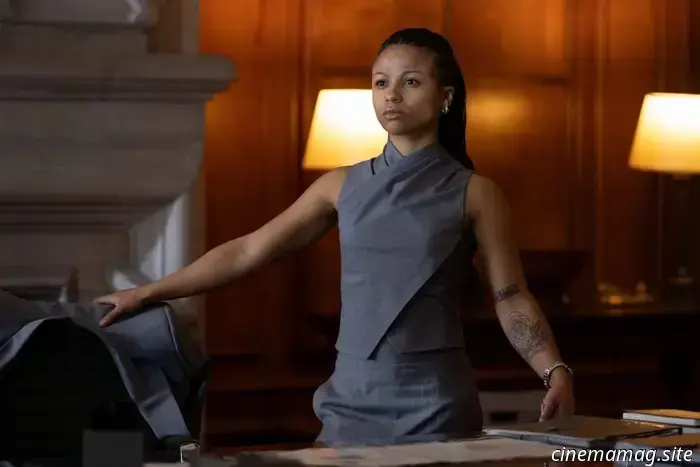 The industry and The Pitt are both returning this weekend, marking our television Barbenheimer.
Happy Pitt and Industry weekend! For us, it's akin to the television equivalent of Barbenheimer.
The industry and The Pitt are both returning this weekend, marking our television Barbenheimer.
Happy Pitt and Industry weekend! For us, it's akin to the television equivalent of Barbenheimer.
 Comic Book Sneak Peek – Star Trek: Lower Decks #15
IDW Publishing is set to release Star Trek: Lower Decks #15 on Wednesday, and you can take a look at a sneak preview of the issue below… When Commander Jack Ransom made a promise to Boimler c…
Comic Book Sneak Peek – Star Trek: Lower Decks #15
IDW Publishing is set to release Star Trek: Lower Decks #15 on Wednesday, and you can take a look at a sneak preview of the issue below… When Commander Jack Ransom made a promise to Boimler c…
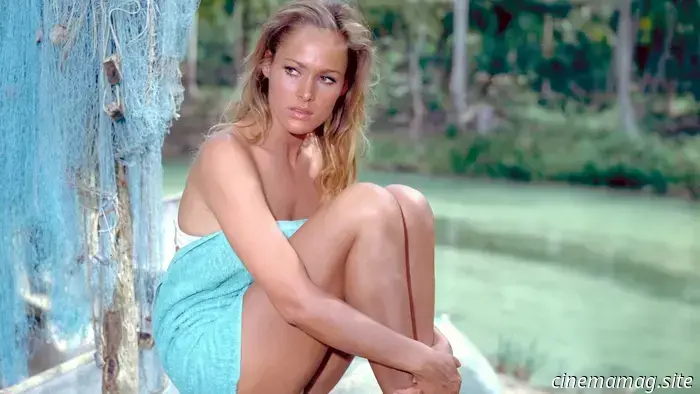 Dr. No: 12 Images from the Initial James Bond 007 Movie
Ursula Andress and Sean Connery featured in Dr. No, the film that kicked off the James Bond 007 franchise.
Dr. No: 12 Images from the Initial James Bond 007 Movie
Ursula Andress and Sean Connery featured in Dr. No, the film that kicked off the James Bond 007 franchise.
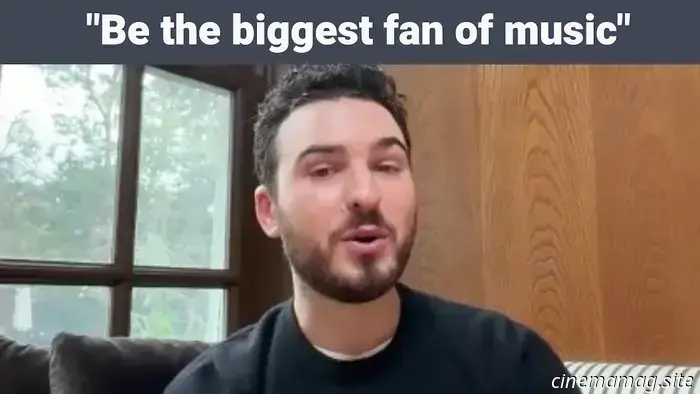 'Drive' producer Blake Slatkin discusses creating the F1 anthem alongside musical legends Ed Sheeran and John Mayer.
At the age of 10, Blake Slatkin began playing songs by Ed Sheeran and John Mayer on his guitar. He is now part of the discussion for an Oscar nomination for "Drive," a song he
'Drive' producer Blake Slatkin discusses creating the F1 anthem alongside musical legends Ed Sheeran and John Mayer.
At the age of 10, Blake Slatkin began playing songs by Ed Sheeran and John Mayer on his guitar. He is now part of the discussion for an Oscar nomination for "Drive," a song he
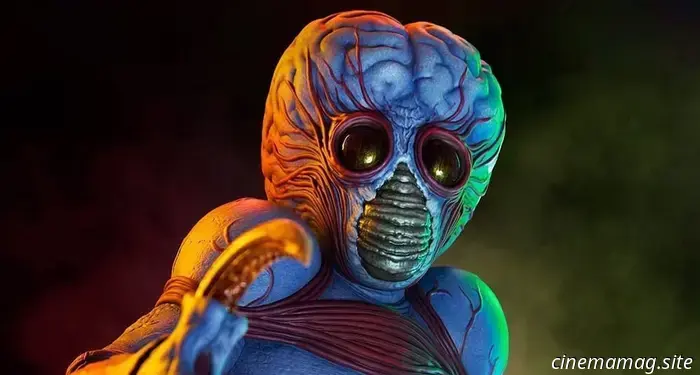 The Metaluna Mutant from This Island Earth is now part of Sideshow’s Universal Monsters Premium Format Figure collection.
Sideshow has officially revealed the latest entry in its Universal Monsters series, featuring the Metaluna Mutant from the 1955 science fiction film This Island Earth, now receiving the Premium Format Figure treatment with…
The Metaluna Mutant from This Island Earth is now part of Sideshow’s Universal Monsters Premium Format Figure collection.
Sideshow has officially revealed the latest entry in its Universal Monsters series, featuring the Metaluna Mutant from the 1955 science fiction film This Island Earth, now receiving the Premium Format Figure treatment with…
Imogen Poots Discusses Turning Down Roles and Welcoming The Chronology of Water
Imogen Poots, the star of The Chronology of Water, only accepts roles that she truly believes in — such as her part in Kristen Stewart's directorial debut.