
10 Must-Watch Road Movies from the 1990s
Casey Chong showcases a vital collection of 90s road movies...
The characteristics of the 1990s road movie genre revolve around the characters' journeys of self-discovery, highlighting thought-provoking themes such as the search for freedom, identity, rebellion, adventure, and friendship. Depending on the specific films, some conclude positively, while others end tragically, showcasing the genre's ability to blend various elements, merging comedy with drama. Let's revisit ten of the finest road movies from the 1990s...
**Wild at Heart (1990)**
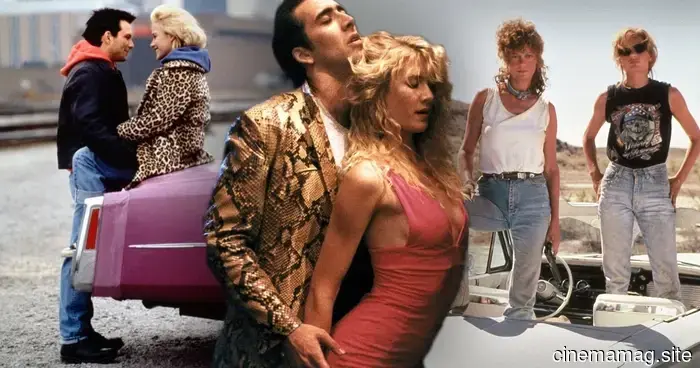
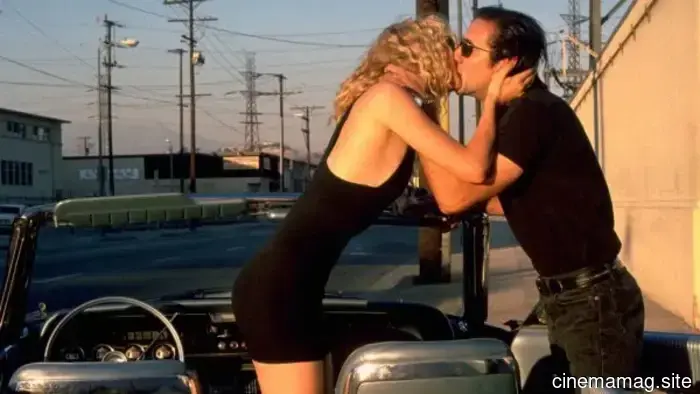
Initially perceived as a lesser-known work by David Lynch, Wild at Heart generated mixed reactions and was even booed after claiming the Palme d’Or at Cannes, but it has since been reevaluated. Employing typical road-movie elements as a primary foundation, Lynch navigates his adapted screenplay from Barry Gifford's 1989 novel, crafting a surreal and dreamlike narrative about the rebellious love between Nicolas Cage’s Elvis-admiring Sailor and Laura Dern’s spirited Lula. Lynch heavily references The Wizard of Oz, notably through Lula's hallucinations of her controlling mother (Diane Ladd) as a Wicked Witch, reflecting their dysfunctional mother-daughter dynamics. The film also features Willem Dafoe, who appears as the chaotic Bobby Peru in the latter half.
**Thelma & Louise (1991)**
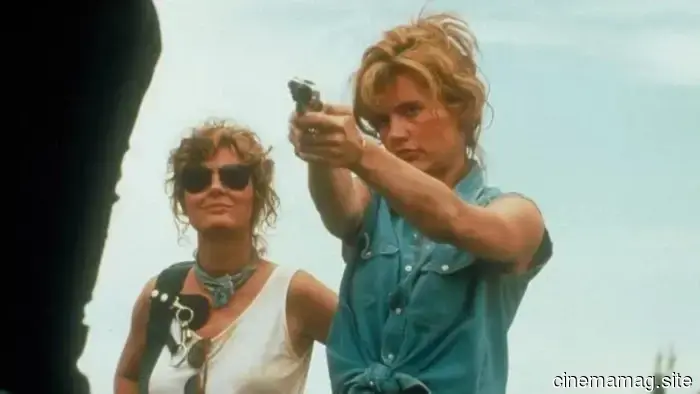
Feminist cinema carved a niche in the 1990s, but Ridley Scott’s captivating interpretation stands out as one of his finest works. Among the top road movies from this decade, it follows best friends – housewife Thelma Dickinson (Geena Davis) and waitress Louise Sawyer (Susan Sarandon) – on a weekend getaway to a fishing cabin, which takes a dark turn when a man tries to assault Thelma, leading Louise to fatally shoot him. The two soon find themselves on a lawless path as fugitives. Thelma & Louise thrives on the strong chemistry between Davis and Sarandon, and their character arcs develop in unexpected ways; Thelma transforms from naïve to rebellious amidst their adventures. The film culminates in a legendary ending, where Thelma and Louise choose to drive their 1966 Ford Thunderbird off a canyon, symbolizing their relentless quest for freedom and control over their lives.
**My Own Private Idaho (1991)**
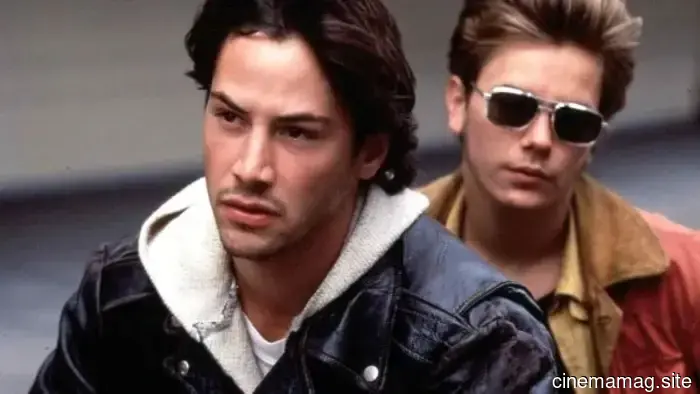
The cult classic My Own Private Idaho, released in 1991, remains a significant film in Gus Van Sant’s career, marking his third directorial effort following Mala Noche and Drugstore Cowboy. The road-movie themes intertwine within this indie drama, as Van Sant's screenplay follows Mike Waters (River Phoenix, in one of his standout performances) and Scott Favor (Keanu Reeves, showcasing his dramatic range) on a quest from Portland to Idaho and then to Rome to seek Mike's missing mother. The dynamic between Phoenix and Reeves captures the essence of youthful rebellion as they navigate their identities. The film also explores queer themes, highlighted by Mike's unrequited love for Scott, emphasizing his desperate search for belonging. Van Sant cleverly incorporates Mike’s narcolepsy not only to depict his struggles but also as a metaphor for his fragmented emotional state.
**True Romance (1993)**
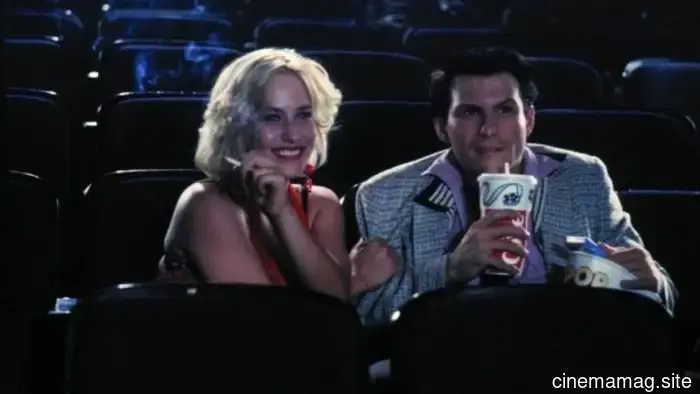
In a perfect world, Quentin Tarantino would have directed True Romance instead of selling the screenplay to finance Reservoir Dogs. However, Tony Scott adeptly brought the screenplay to life, merging his dynamic visual style with Tarantino's sharp, genre-bending narrative. The film follows Elvis-enthusiast Clarence (Christian Slater) and call girl Alabama (Patricia Arquette), who find themselves in trouble after stealing a suitcase full of cocaine from Alabama’s pimp, Drexl (played menacingly by Gary Oldman). Their escape from Detroit to Los Angeles to sell the drugs leads to numerous complications from both sides of the law. The fairytale romance between Clarence and Alabama is juxtaposed with a violent and unpredictable plot, blending crime drama with road movie and action-thriller elements. The film boasts memorable supporting characters, including James Gandolfini’s volatile mob enforcer and Dennis Hopper’s Clifford, whose iconic dialogue with Christopher Walken’s consigliere marks a cinematic highlight. Scott and Tarantino enrich the film with pop culture nods, from Clarence's passion for Sonny Chiba films to Val Kilmer’s Elvis apparition.
**The Adventures of Priscilla, Queen of the Desert (1994)**
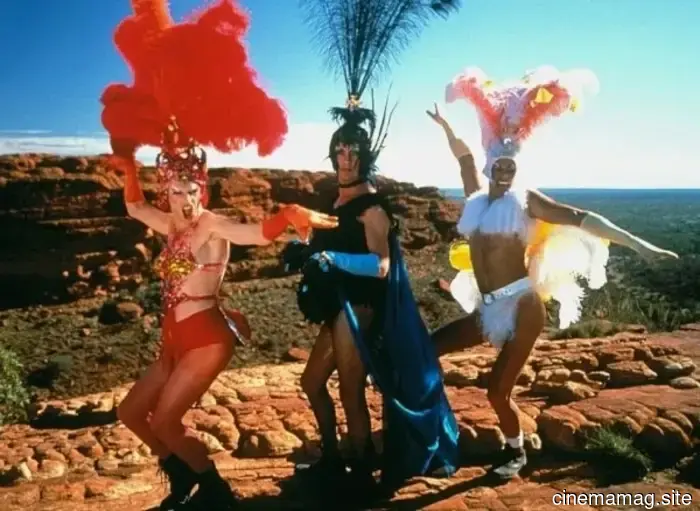
From Australia, writer-director Stephan Elliott’s second feature marked his international breakthrough by combining road-movie conventions with a heartfelt portrayal of queer characters. Starring Terence Stamp, Hugo Weaving, and Guy Pearce, their portrayals of a trans woman and two drag queens step beyond superficial stereotypes to show their flaws and vulnerabilities. Elliott uses the characters' tour bus journey from Sydney to Alice Springs as a metaphor for friendship, self-discovery, and overcoming prejudice. The Adventures of Priscilla, Queen
Other articles
 The survival thriller Pitfall has released a trailer in anticipation of its upcoming launch.
With only a month left until its premiere, a poster and trailer for the upcoming survival thriller Pitfall have been released online. Directed by James Kondelik, the film focuses on a young man who finds himself…
The survival thriller Pitfall has released a trailer in anticipation of its upcoming launch.
With only a month left until its premiere, a poster and trailer for the upcoming survival thriller Pitfall have been released online. Directed by James Kondelik, the film focuses on a young man who finds himself…
 Shudder releases trailer for Indonesian folk horror film Smothered.
Shudder has released a trailer for Smothered, a contemporary reinterpretation of the Indonesian folktale Malin Kundang. Directed by Kevin Rahardjo and Rafki Hidayat, this folk horror focuses on Alif, a man enduring…
Shudder releases trailer for Indonesian folk horror film Smothered.
Shudder has released a trailer for Smothered, a contemporary reinterpretation of the Indonesian folktale Malin Kundang. Directed by Kevin Rahardjo and Rafki Hidayat, this folk horror focuses on Alif, a man enduring…
 The survival thriller Pitfall has released a trailer in anticipation of its launch.
With only a month remaining before its debut, a poster and trailer for the forthcoming survival thriller Pitfall have been released online. Directed by James Kondelik, the movie focuses on a young man who becomes…
The survival thriller Pitfall has released a trailer in anticipation of its launch.
With only a month remaining before its debut, a poster and trailer for the forthcoming survival thriller Pitfall have been released online. Directed by James Kondelik, the movie focuses on a young man who becomes…
 Comic Book Sneak Peek – Star Wars: Rogue One – Cassian Andor #1
Marvel Comics is commemorating the tenth anniversary of Rogue One: A Star Wars Story with a collection of one-shot comics, beginning this Wednesday with Star Wars: Rogue One – Cassian Andor #1; get…
Comic Book Sneak Peek – Star Wars: Rogue One – Cassian Andor #1
Marvel Comics is commemorating the tenth anniversary of Rogue One: A Star Wars Story with a collection of one-shot comics, beginning this Wednesday with Star Wars: Rogue One – Cassian Andor #1; get…
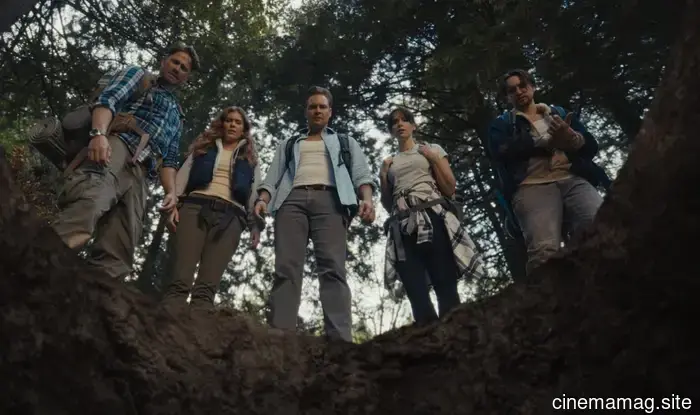 The survival thriller Pitfall has unveiled a trailer in anticipation of its release.
With only a month remaining before its premiere, a poster and trailer for the forthcoming survival thriller Pitfall have been released online. Directed by James Kondelik, the film focuses on a young man who finds himself…
The survival thriller Pitfall has unveiled a trailer in anticipation of its release.
With only a month remaining before its premiere, a poster and trailer for the forthcoming survival thriller Pitfall have been released online. Directed by James Kondelik, the film focuses on a young man who finds himself…
10 Must-Watch Road Movies from the 1990s
Casey Chong offers a crucial collection of road movies from the 90s. The characteristics of 90s road films define the genre by emphasizing the characters' journeys of self-discovery and featuring intellectually engaging themes.