
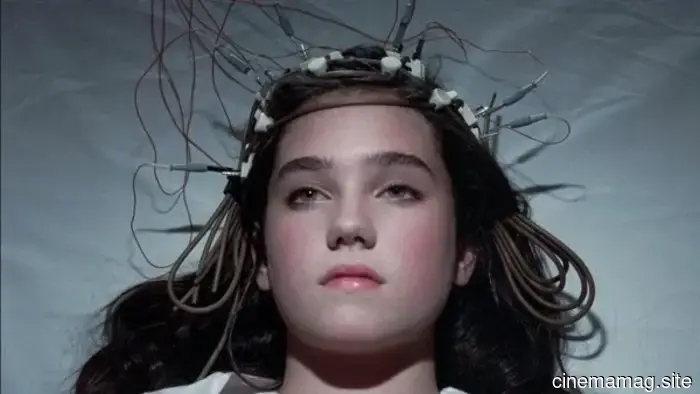
10 Must-Watch Italian Horror Films from the 1980s
Casey Chong presents ten must-see Italian horror films from the 1980s...
While the 1970s were the pinnacle of Italian horror, bringing forth genre-defining masterpieces like The Bird with the Crystal Plumage, Deep Red, and the iconic Suspiria, the 1980s can be viewed as the peak of Italy's unique style within the genre. Though this decade had its drawbacks, it also had its standout moments. The distinctive visuals, surreal ambiance, and striking imagery dominated this period, largely thanks to genre legends like Dario Argento and Lucio Fulci. Below is our thoughtfully curated selection of ten essential Italian horror films from the 1980s...
**Inferno (1980)**
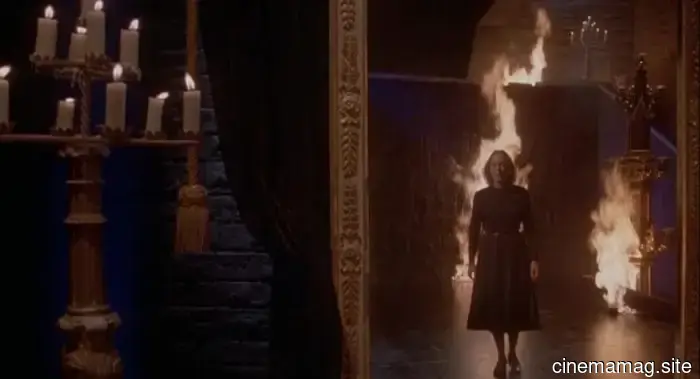
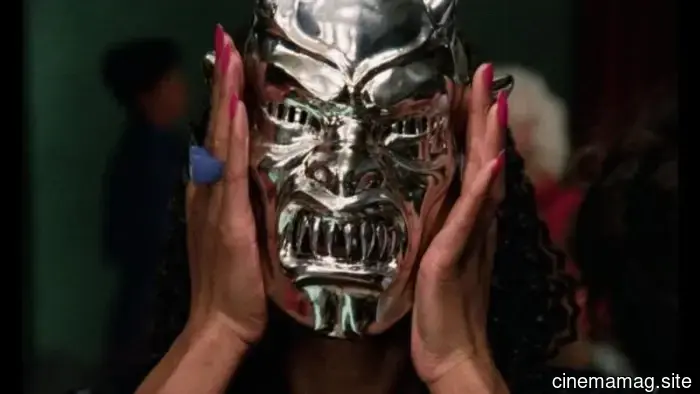
Though not as celebrated as Suspiria, Dario Argento’s quasi-sequel to that 1977 giallo classic is still impressive. From the outset, Argento presents Rose (Irene Miracle), a poet in New York City, who discovers an ancient book called “The Three Mothers,” piquing her interest to search for clues. The initial sequence masterfully builds tension and suspense, especially when Rose finds an opening in the floor beneath the building, leading her to swim through a submerged ballroom to retrieve a key.
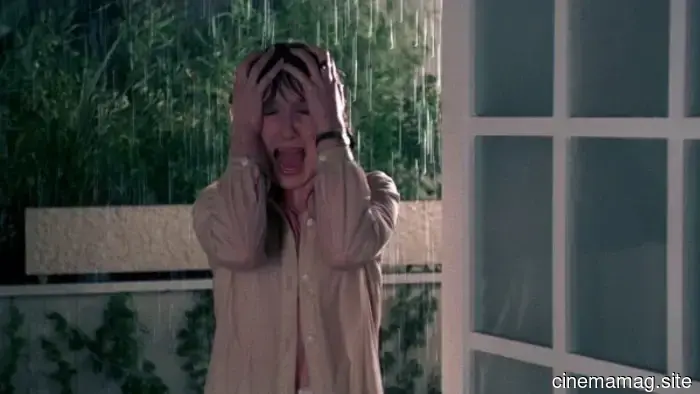
As the story unfolds, more characters appear, including Rose’s brother Mark (Leigh McCloskey) and his friend Sara (Eleonora Giorgi), challenging viewers with a somewhat fragmented narrative. However, Inferno is best understood as a fever dream of supernatural horror, with Argento’s garish red and blue visuals immersing viewers in an alternate reality. Vivid violence permeates the film, exemplified by a particularly gruesome rat attack.
**City of the Living Dead (1980)**
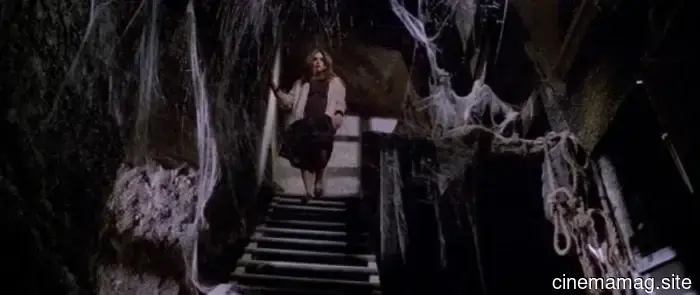
Lucio Fulci’s first entry in the Gates of Hell trilogy, City of the Living Dead merges familiar zombie conventions with plenty of gruesome scenes. The eerie tone is established immediately during a séance, where psychic Mary Woodhouse (Catriona MacColl) has a haunting vision of a priest hanging himself in a Dunwich cemetery. This priest's suicide opens a gateway to hell, allowing Fulci to fill the film with dread and violence.
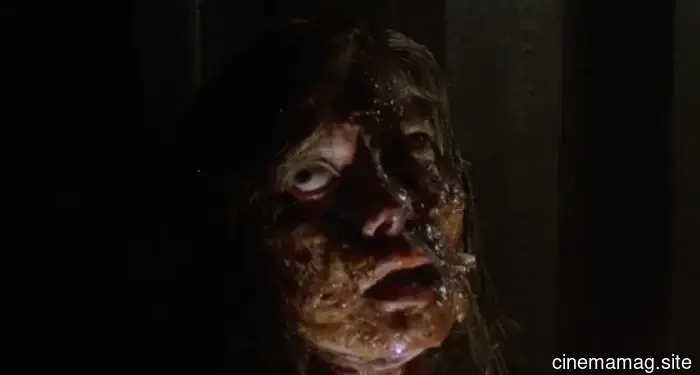
Graphic and unsettling imagery, including scenes of maggots and a girl crying blood, alongside a drill piercing a young man's head, pervades the film. The climax thrusts viewers into chaos, as Mary and the remaining survivors confront a horde of the undead terrorizing the city. Fulci’s bleak depiction of hell suggests a nihilistic perspective where hope is futile, a recurring idea that continues in The Beyond and The House by the Cemetery.
**The Beyond (1981)**
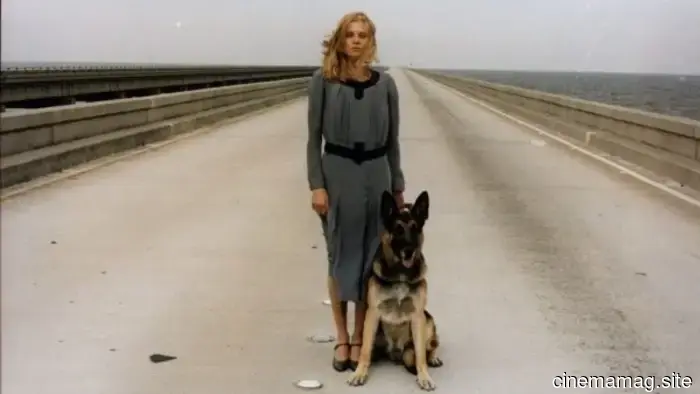
Among Lucio Fulci’s Gates of Hell trilogy, The Beyond is often regarded as the standout. It’s easy to understand why; Fulci fully embraces nightmare logic and the surreal, deliberately steering away from grounded reality to deliver a hellish cinematic experience. The story involves a New York protagonist, played by Catriona MacColl, who inherits a hotel in rural Louisiana, cursed by its location over a gateway to hell linked to the seven gates of damnation.
As bizarre occurrences unfold, the film escalates into a series of shocking and violent deaths, with a particularly disturbing scene involving tarantulas standing out as one of the most unsettling moments in Italian horror. Fulci’s dreamlike visuals elevate The Beyond, combining visceral shock with an atmosphere of dread to great effect.
**The House by the Cemetery (1981)**
As the last installment in the Gates of Hell trilogy, Lucio Fulci effectively merges a ghost story with haunted-house tropes in a giallo manner. It centers on the Boyle family—Norman (Paolo Malco), his wife Lucy (Catriona MacColl), and their son Bob (Giovanni Frezza)—who move into a rural house with a violent past related to Norman’s former colleague, who committed suicide after killing his mistress.
The pacing resembles that of a supernatural thriller, laden with ominous dread and a haunting atmosphere. True to Fulci’s style, the film delivers ample gory murders, including a particularly shocking scene where a young woman is stabbed through her mouth and the back of her head. The tone remains pessimistic, leading to a violent conclusion as the film reveals the malevolent force haunting the family.
**Tenebrae (1982)**
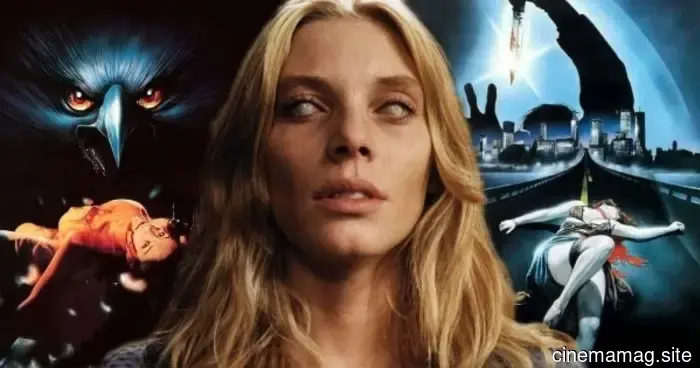
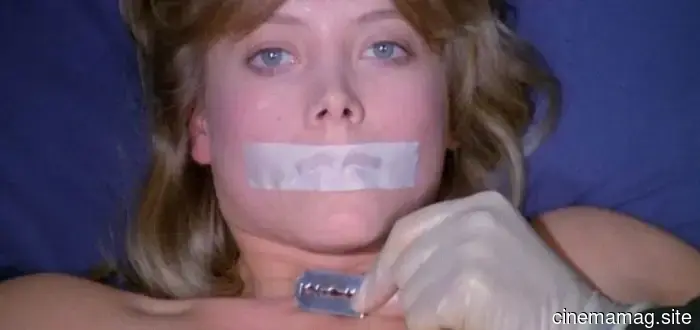
In Tenebrae, a killer obsessively murders victims, emulating the actions described in a horror novel by the protagonist (Anthony Franciosa). This giallo film showcases Dario Argento’s mastery of the subgenre, intricately weaving together elements of whodunit and themes of identity, obsession, and voyeurism. A quintessential Argento film wouldn’t be complete without a meticulously crafted opening: a young woman (Ania Pieroni) hitching a ride home only to encounter a lewd vagrant. After seemingly escaping danger
Other articles
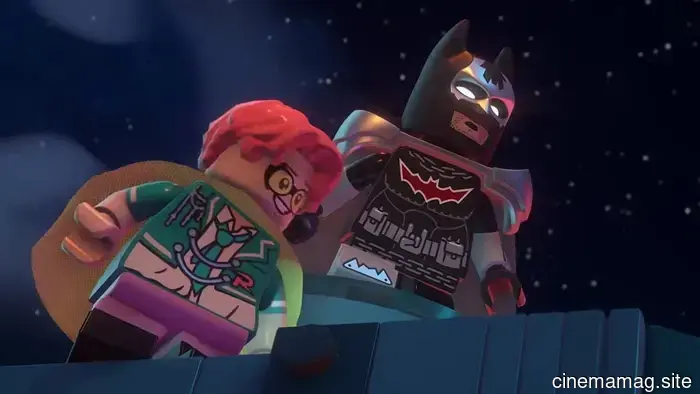 The latest trailer for LEGO Batman: Legacy of the Dark Knight showcases the extras included in the Deluxe Edition.
Warner Bros. Games has unveiled a new trailer (see below) that highlights all the bonus features available in the Deluxe Edition of LEGO Batman: Legacy of the Dark Knight. There's a wealth of extra content to explore…
The latest trailer for LEGO Batman: Legacy of the Dark Knight showcases the extras included in the Deluxe Edition.
Warner Bros. Games has unveiled a new trailer (see below) that highlights all the bonus features available in the Deluxe Edition of LEGO Batman: Legacy of the Dark Knight. There's a wealth of extra content to explore…
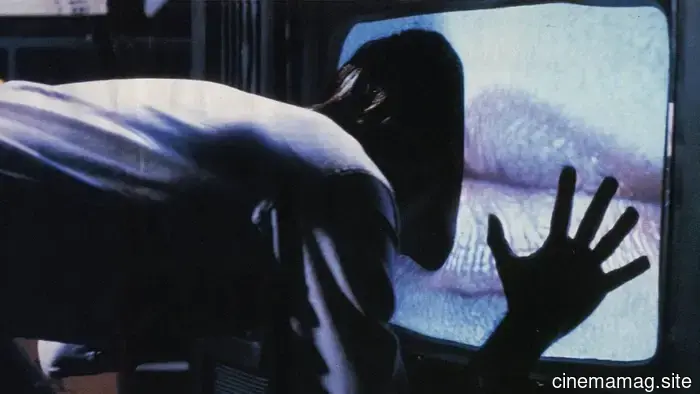 Peak Paranoia: The Timeliness of David Cronenberg's 1980s Body Horror Films
Adam Page discusses the relevance of David Cronenberg’s body horror films from the 1980s. A notable moment in Videodrome (1983) features James Woods as he reaches into his own abdomen. Not thr...
Peak Paranoia: The Timeliness of David Cronenberg's 1980s Body Horror Films
Adam Page discusses the relevance of David Cronenberg’s body horror films from the 1980s. A notable moment in Videodrome (1983) features James Woods as he reaches into his own abdomen. Not thr...
 Cannes Review: Asghar Farhadi’s Parallel Tales Offers an Ambitious Yet Tedious Interpretation of Kieślowski
After twenty years of filmmaking, Iranian Oscar laureate Asghar Farhadi has made it very clear: he exists in the grey area, and we ought to as well. Parallel Tales, Farhadi’s tenth film (and his second in French), combines elements of Rear Window, Stranger Than Fiction, and Peeping Tom (with a hint of The Godfather) without
Cannes Review: Asghar Farhadi’s Parallel Tales Offers an Ambitious Yet Tedious Interpretation of Kieślowski
After twenty years of filmmaking, Iranian Oscar laureate Asghar Farhadi has made it very clear: he exists in the grey area, and we ought to as well. Parallel Tales, Farhadi’s tenth film (and his second in French), combines elements of Rear Window, Stranger Than Fiction, and Peeping Tom (with a hint of The Godfather) without
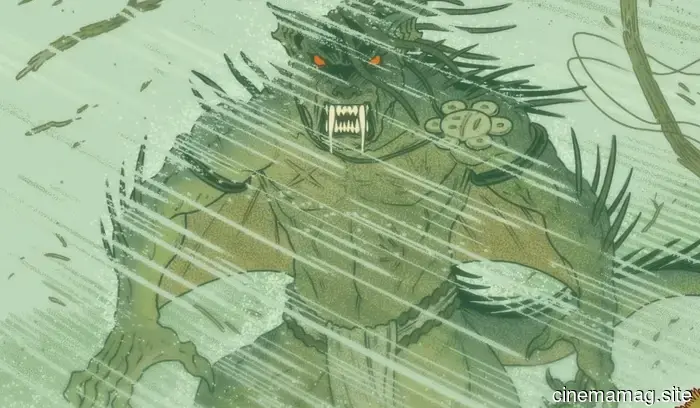 Exclusive Interview – Julio Anta, the writer of Beast of Borikén, and artist Daniel Irizarri.
Rachel Bellwoar speaks with Julio Anta and Daniel Irizarri regarding their forthcoming comic book series, Beast of Borikén. Loli is not the only one frustrated that developers are aiming to construct a resort in...
Exclusive Interview – Julio Anta, the writer of Beast of Borikén, and artist Daniel Irizarri.
Rachel Bellwoar speaks with Julio Anta and Daniel Irizarri regarding their forthcoming comic book series, Beast of Borikén. Loli is not the only one frustrated that developers are aiming to construct a resort in...
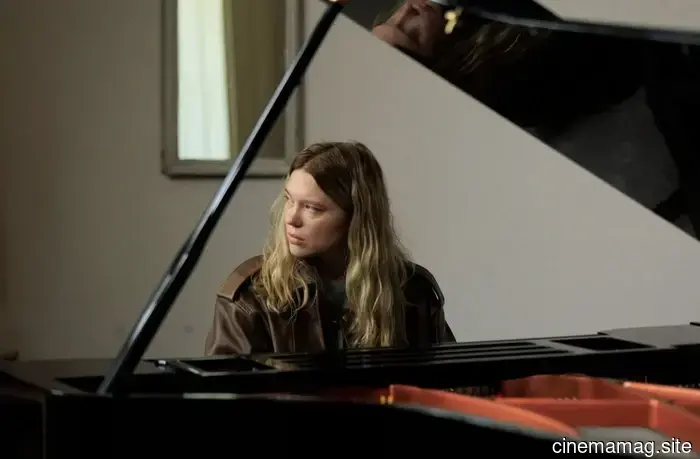 Cannes Review: Gentle Monster Is a Skillfully Executed Drama Following Betrayal
“Gaze into my eyes / can you notice they’re wide open / would I deceive you?” These lyrics hang momentarily in the air like a gentle whisper before the piano melodies gently usher them away, leading us into Gentle Monster, the newest work from Corsage director Marie Kreutzer. One could
Cannes Review: Gentle Monster Is a Skillfully Executed Drama Following Betrayal
“Gaze into my eyes / can you notice they’re wide open / would I deceive you?” These lyrics hang momentarily in the air like a gentle whisper before the piano melodies gently usher them away, leading us into Gentle Monster, the newest work from Corsage director Marie Kreutzer. One could
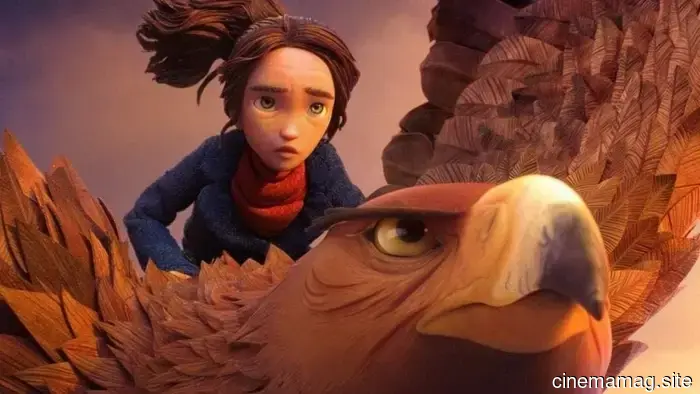 Laika's Wildwood releases its initial trailer.
Laika Studios has released the first teaser trailer for Wildwood, the forthcoming adaptation by director Travis Knight of the bestselling children’s book by writer Colin Meloy and illustrator Carson Ellis.
Laika's Wildwood releases its initial trailer.
Laika Studios has released the first teaser trailer for Wildwood, the forthcoming adaptation by director Travis Knight of the bestselling children’s book by writer Colin Meloy and illustrator Carson Ellis.
10 Must-Watch Italian Horror Films from the 1980s
Casey Chong presents ten must-see Italian horror films from the 1980s. While the 1970s represented the peak of Italian horror, providing us with genre-defining masterpieces like The Bird with the Crystal Plumage...