
Exclusive Interview – Julio Anta, writer of Beast of Borikén, and artist Daniel Irizarri
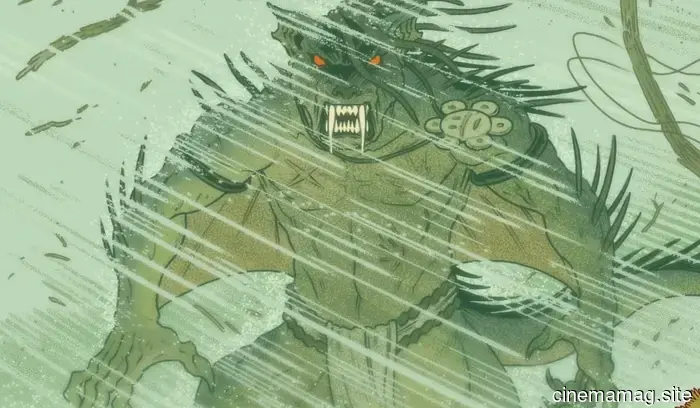
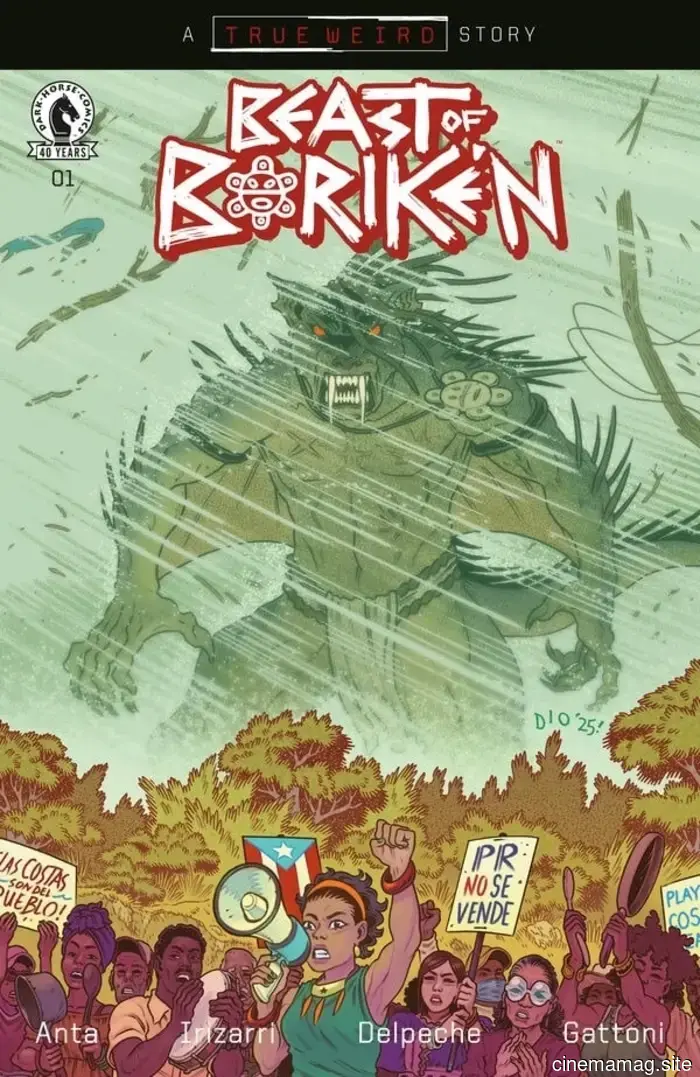
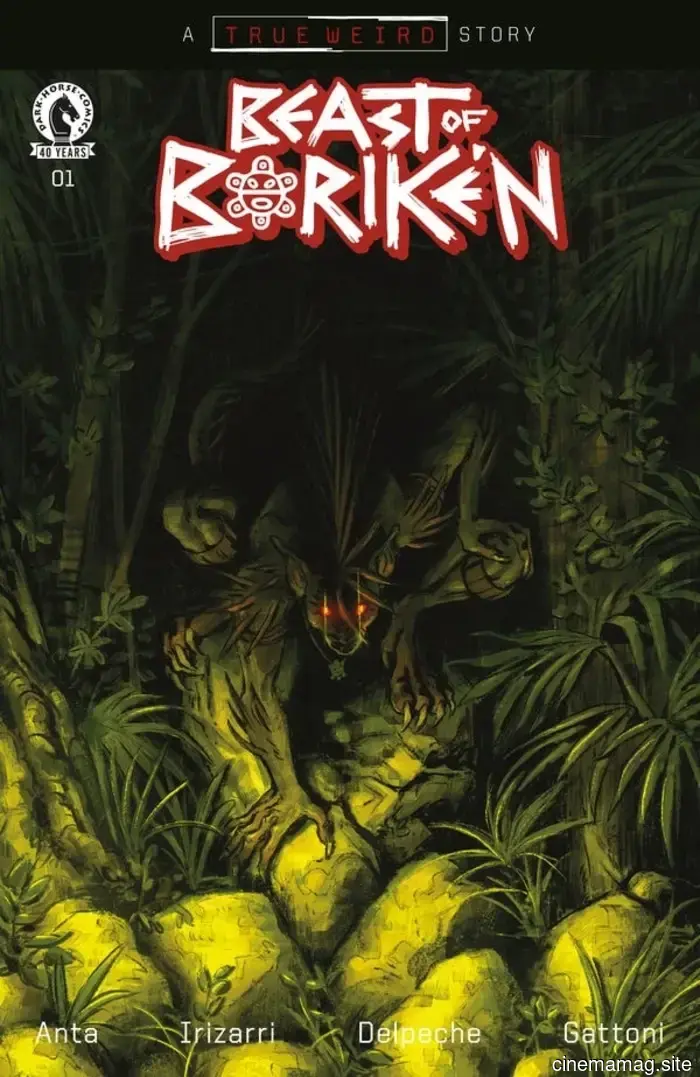
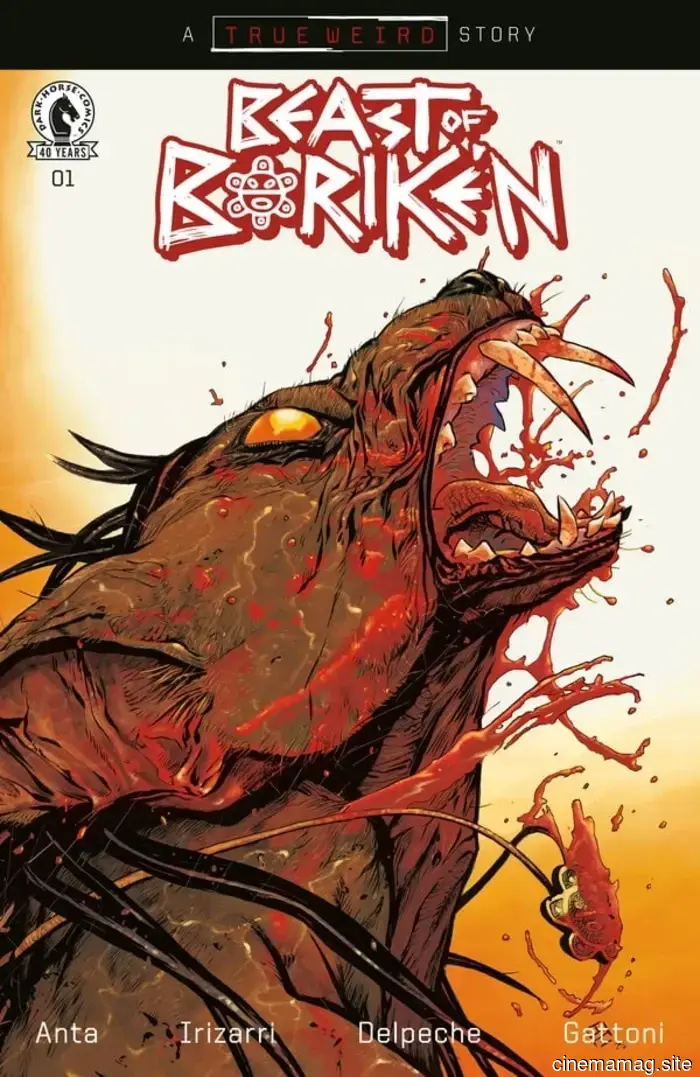
Rachel Bellwoar speaks with Julio Anta and Daniel Irizarri about their upcoming comic book series, Beast of Borikén. Loli isn't the sole individual concerned about the development of a resort in her hometown; the construction is also upsetting el Chupacabra. Will this cryptid be an ally or an adversary to the protesters? Set in Puerto Rico, Anta and Irizarri’s new series, Beast of Borikén, debuts in July, featuring colors by Patricio Delpeche and letters by Lucas Gattoni. Here's what Anta and Irizarri shared regarding their interpretation of the monster:
Beast of Borikén is part of Tiny Onion’s True Weird line. Did this influence the initial idea for the comic, or did the concept come first, with True Weird being a fitting match?
Julio Anta: The concept for this comic originated first! Beast of Borikén is a tropical horror comic inspired by the Universal Monsters and Creature Features I grew up with. For years, I wanted to create my own interpretation of a classic monster and wondered which publisher would be interested in my pointed and political take on the Chupacabra. When Tiny Onion and the True Weird line emerged, I realized it would be the perfect home for this story. From there, it was just a matter of contacting James [Tynion] and Eric [Harburn] (Tiny Onion’s Editorial Director), and we were off!
The solicitation text clearly indicates what kind of “beast” the “beast of Borikén” is, but as someone with limited knowledge of cryptids, I appreciate the title's ambiguity. How familiar were you with El Chupacabra before starting this series?
JO: Like many Latino children in the U.S. and Latin America, I grew up watching Spanish-language tabloid news shows like Primer Impacto, which obsessively covered the Chupacabra throughout the 90s. They would go into the field and report on eyewitness accounts from Mexico, El Salvador, Guatemala, and the Caribbean. As a child fascinated by the supernatural, I developed a strong interest in the Chupacabra.
I had a fair understanding of the legend, but researching for this book opened up historical elements we explore in the series – particularly the connection to the Taino, the indigenous population of Puerto Rico, and their struggles against Spanish and American invaders.
Daniel Irizarri: The chupacabra has been part of modern Puerto Rican culture for decades. Every few years, there would be a flurry of sensationalist news reports whenever farm animals were found dead. I first heard about it through eerie stories from other kids when I was 10-13 years old, and my family lived in the mountains of Yauco. Each night was filled with diverse animal sounds, and at that age, I genuinely believed one of those sounds could belong to the Chupacabra.
I also learned that “Borikén” was the original name for Puerto Rico. How has it been to set this series there, and are there any insider details you are particularly proud of that those in the know will appreciate?
JO: Placing this series in Puerto Rico is vital to telling this story. At its heart, Beast of Borikén addresses colonialism and resistance through the perspective of a creature that, much like many Puerto Ricans, is weary of displacement. Our main character, Loli, is an activist striving to protect the land from a real estate developer. Her character draws inspiration from the thousands of Puerto Ricans doing similar work. I hope readers will see themselves reflected in the story, and that non-Puerto Ricans will gain insight into their struggle for liberation.
DI: Yes! Borinquen, or Boriken, if we trace it back to its Taino roots as we do in our story. Puerto Ricans identify as Boricuas to express their love for the island, and ‘Bori’ even becomes a prefix for things that are ‘of the island.’ I enjoy filling the book's backgrounds with authentic details, like the diverse people you encounter on the street. I believe Puerto Ricans will appreciate a more genuine and less “tropical vacation paradise” portrayal of the island.
In the press release, Julio, you mentioned that “no one’s ever seen a Chupacabra this horrifyingly human.” What drew you to the idea of a humane monster, and how did that influence your character design, Daniel?
JO: Earlier, I mentioned my admiration for Universal Monster films, particularly Creature from the Black Lagoon. I love the inherent humanity in the Gil Man's design and character. The evolution of the character into the Amphibian Man in Guillermo Del Toro’s The Shape of Water also influenced me greatly in crafting this character.
When Daniel joined as the series artist, we discussed how important it was for our Chupacabra to embody humanity first. I wanted him to
Other articles
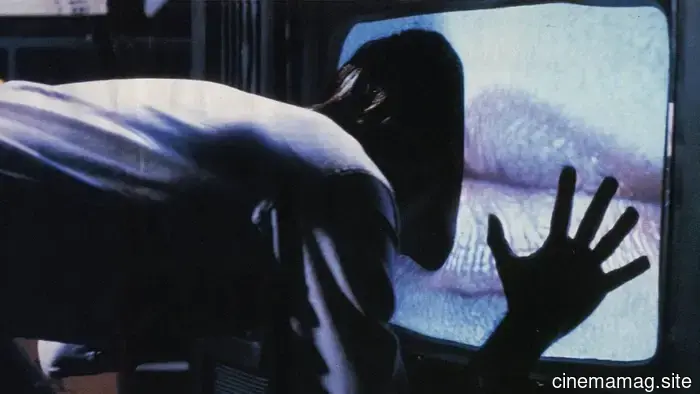 Peak Paranoia: The Timeliness of David Cronenberg's 1980s Body Horror Films
Adam Page discusses the relevance of David Cronenberg’s body horror films from the 1980s. A notable moment in Videodrome (1983) features James Woods as he reaches into his own abdomen. Not thr...
Peak Paranoia: The Timeliness of David Cronenberg's 1980s Body Horror Films
Adam Page discusses the relevance of David Cronenberg’s body horror films from the 1980s. A notable moment in Videodrome (1983) features James Woods as he reaches into his own abdomen. Not thr...
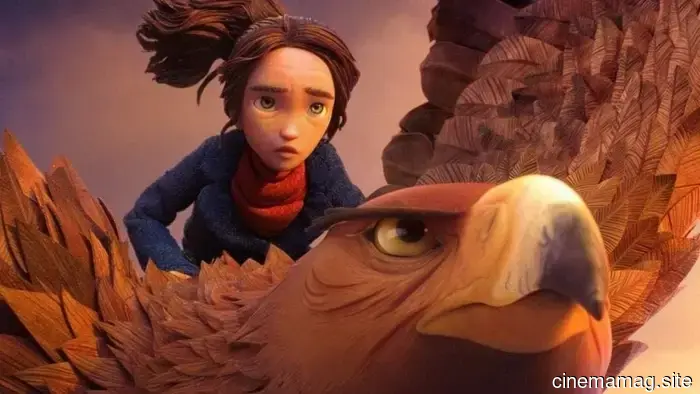 Laika's Wildwood releases its initial trailer.
Laika Studios has released the first teaser trailer for Wildwood, the forthcoming adaptation by director Travis Knight of the bestselling children’s book by writer Colin Meloy and illustrator Carson Ellis.
Laika's Wildwood releases its initial trailer.
Laika Studios has released the first teaser trailer for Wildwood, the forthcoming adaptation by director Travis Knight of the bestselling children’s book by writer Colin Meloy and illustrator Carson Ellis.
 Kate Beckinsale is set to star in George A. Romero's Twilight of the Dead.
Kate Beckinsale has battled her fair share of movie monsters over the years, but she is now set to take on zombies in George A. Romero’s long-awaited Twilight of the Dead. According to Deadline…
Kate Beckinsale is set to star in George A. Romero's Twilight of the Dead.
Kate Beckinsale has battled her fair share of movie monsters over the years, but she is now set to take on zombies in George A. Romero’s long-awaited Twilight of the Dead. According to Deadline…
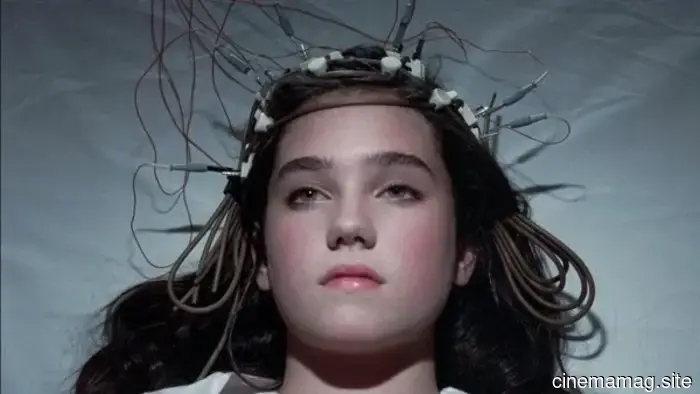 10 Must-Watch Italian Horror Films from the 1980s
Casey Chong presents ten must-see Italian horror films from the 1980s. While the 1970s represented the peak of Italian horror, providing us with genre-defining masterpieces like The Bird with the Crystal Plumage...
10 Must-Watch Italian Horror Films from the 1980s
Casey Chong presents ten must-see Italian horror films from the 1980s. While the 1970s represented the peak of Italian horror, providing us with genre-defining masterpieces like The Bird with the Crystal Plumage...
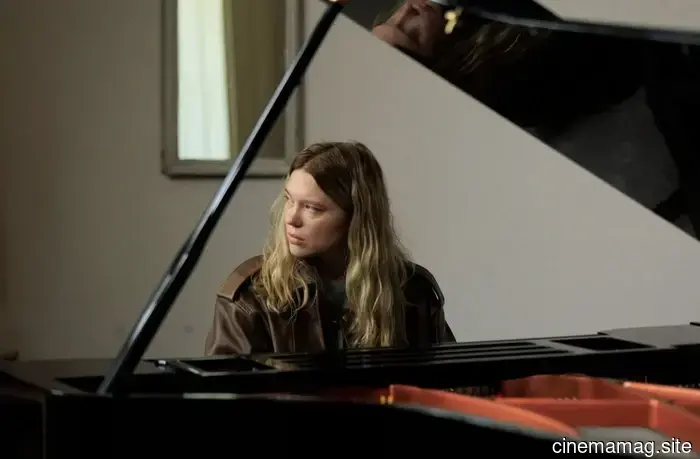 Cannes Review: Gentle Monster Is a Skillfully Executed Drama Following Betrayal
“Gaze into my eyes / can you notice they’re wide open / would I deceive you?” These lyrics hang momentarily in the air like a gentle whisper before the piano melodies gently usher them away, leading us into Gentle Monster, the newest work from Corsage director Marie Kreutzer. One could
Cannes Review: Gentle Monster Is a Skillfully Executed Drama Following Betrayal
“Gaze into my eyes / can you notice they’re wide open / would I deceive you?” These lyrics hang momentarily in the air like a gentle whisper before the piano melodies gently usher them away, leading us into Gentle Monster, the newest work from Corsage director Marie Kreutzer. One could
 The Most Popular New Pokies That Australians Are Playing Right Now - MovieMaker Magazine
New pokies seem like miniature genre films, complete with bonus rounds.
The Most Popular New Pokies That Australians Are Playing Right Now - MovieMaker Magazine
New pokies seem like miniature genre films, complete with bonus rounds.
Exclusive Interview – Julio Anta, writer of Beast of Borikén, and artist Daniel Irizarri
Rachel Bellwoar talks with Julio Anta and Daniel Irizarri regarding their forthcoming comic book series, Beast of Borikén. Loli is not the only one frustrated by the developers' plans to construct a resort in…