
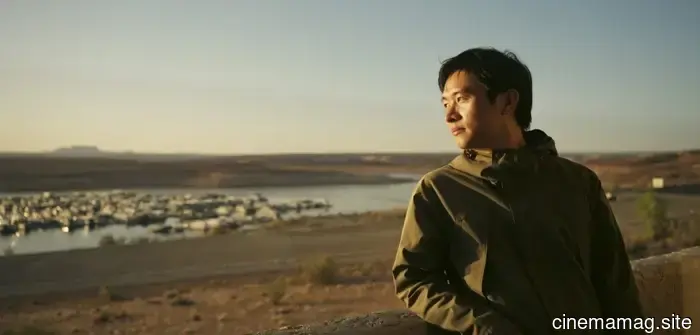
Restraint as Reflection, Light and Shadow Convey Emotion: A Conversation with Cinematographer Ru He on
Interviewee: Ru He, Cinematographer
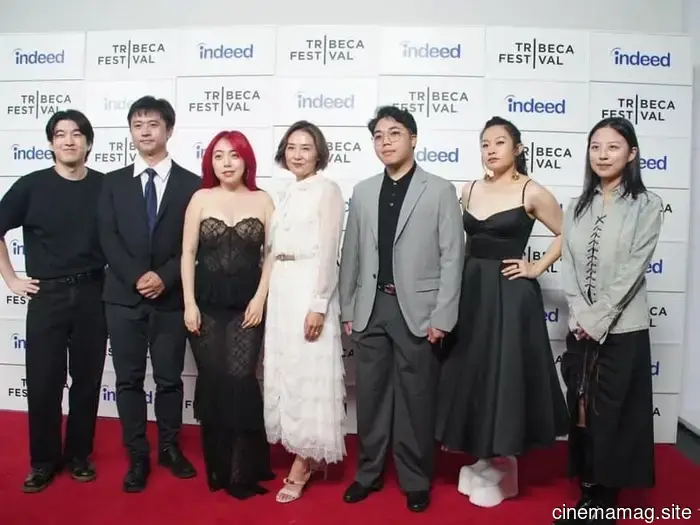
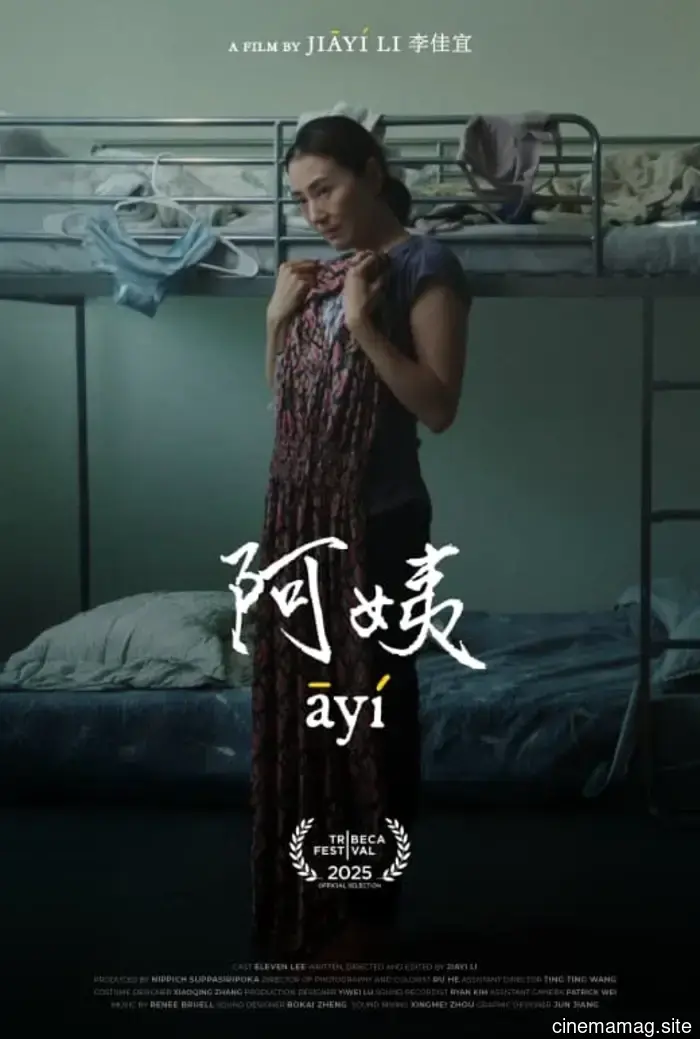
At last year’s Tribeca Festival, äyí made a remarkable impression. While many films aimed for high contrast, dramatic lighting, and dynamic camera movements – the usual suspects – äyí took a different approach. It was quiet and subdued, almost as if you were witnessing life unfold naturally. There was no forced drama. Just natural light, everyday textures, and a great deal of emotion. We spoke with cinematographer Ru He about his methodology – how he merges realism with poetry, navigates low budgets, and his belief that human stories will always hold significance, even in the age of AI.
Q: Should we refer to you as Heru or Ru He? Which name do you prefer?
A: If you directly translate my Chinese name by pronunciation, it sounds like Heru. In Chinese culture, the surname precedes the given name, so my formal English name is Ru He. I use Ru He for all official and professional contexts.
Q: At Tribeca last year, äyí immediately captured our attention. Many films attempt to evoke strong emotions through big contrasts and flashy techniques. Yours felt entirely different—remarkably quiet and observational. You didn’t overwhelm us with visuals, instead allowing subtle details—like a room's nuances and small gestures—to convey deep feelings. Was that the vision from the beginning?
A: Yes, definitely. The director and I agreed on that approach early on. The film portrays ordinary people and their genuine lives. Their struggles aren’t overtly dramatic; they’re often concealed within cramped living spaces, repetitive tasks, and unnoticed moments of loneliness. Such quiet suffering doesn't require exaggerated camera techniques.
I avoided anything that seemed contrived or formulaic. We relied almost exclusively on natural light and handheld shots to maintain the raw, authentic essence of a real city. We positioned ourselves as observers, aiming to present suffering without making it seem more tragic than it is, or everyday life appearing more idyllic than it truly is. Realism serves as the foundation of the story, while subtle shifts in lighting, shadow, and color provide an insight into the characters' internal experiences. That’s always been my focus: realism establishes the body, while suggestion provides it with a soul.
Q: A short film like this necessitates a strong alignment between director and cinematographer. äyí has received recognition not just at the Tribeca Festival but also garnered a Special Mention at the 40th Mar del Plata International Film Festival and a Special Jury Mention at the Hainan Island International Film Festival, along with selections for the Hawai‘i International Film Festival and others. How did you and the director arrive at that shared aesthetic? And was this restrained Eastern approach intentionally crafted to achieve festival accolades?
A: To begin with, no, this wasn’t a strategic style crafted for awards. It emerged naturally from the story and characters. From the outset, the director and I recognized that this is about ordinary people and their subtle strength. Their emotions run deep but often remain unexpressed. Consequently, the visuals needed to reflect that—no extravagance, no exaggeration. The form must follow the content.
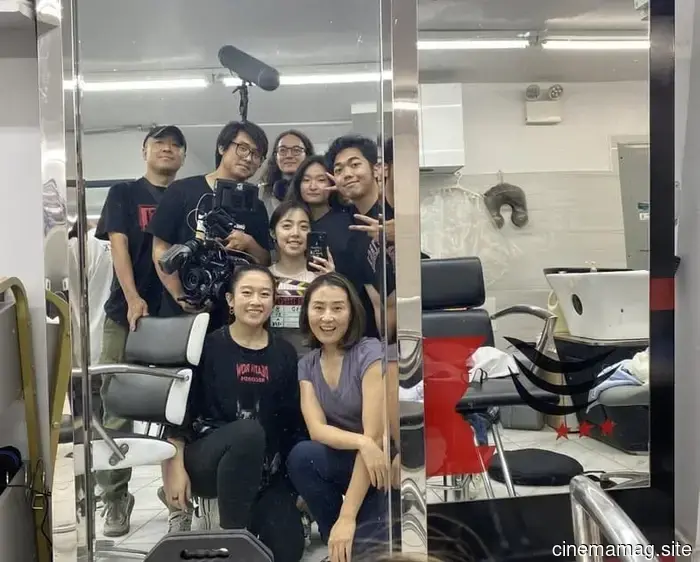
We engaged in constant dialogue. During pre-production, we dismissed conventional dramatic formulas and settled on three key descriptors: real, restrained, empathetic. Every lighting decision, camera movement, and visual element needed to support the characters' authentic lives and internal worlds. There was no room for showboating or forced conflict. On set, the director concentrated on performances, pacing, and emotional authenticity. My role was to translate that into imagery by utilizing slight adjustments in natural light, unobtrusive handheld shots, and the everyday textures to reveal the resilience, loneliness, and tenderness that exists in plain sight.
That restraint, the vacant spaces, the minimalism—it didn’t feel like a style we imposed. It was about honoring the story and the individuals within it. We never overdramatize suffering or amplify emotions. We simply aim to document life as truthfully as possible. The fact that äyí has received acclaim at numerous festivals? That indicates to me that what resonates with people across cultures transcends any market-driven formula. It’s human storytelling that remains faithful to the narrative and the characters. Awards come as a result of that authenticity, not as an endpoint.
Q: Another of your films, So Long Mom, was chosen for the Cannes Film Festival’s Short Film Corner | Rendez-vous Industry, the New York International Short Film Festival, and numerous other festivals, winning several Best Cinematography awards. While äyí weighs the complexities of daily survival, So Long Mom emphasizes gentle connections within a typical neighborhood. Despite their differing tones, both films employ a similar approach: grounded realism combined with delicate lighting for a poetic touch. How do you achieve that in such modest, everyday settings?
A: I adhere to a straightforward principle: realism enables the audience to believe in the story, while suggestion evokes emotions. You cannot have one
Restraint as Reflection, Light and Shadow Convey Emotion: A Conversation with Cinematographer Ru He on
Interviewee: Ru He, Director of Photography