

12 Timeless Movies from the 1940s That Remain Enjoyable to View
These timeless films from the 1940s have aged remarkably well over the years: despite their imperfections, they explore elements of human nature that remain unchanged, perhaps providing solace that amid contemporary challenges, certain things endure.
A note of caution: Even the most progressive films of the 1940s featured portrayals that may appear outdated and stereotypical today — although, at the time, audiences likely viewed them as an unbiased reflection of reality.
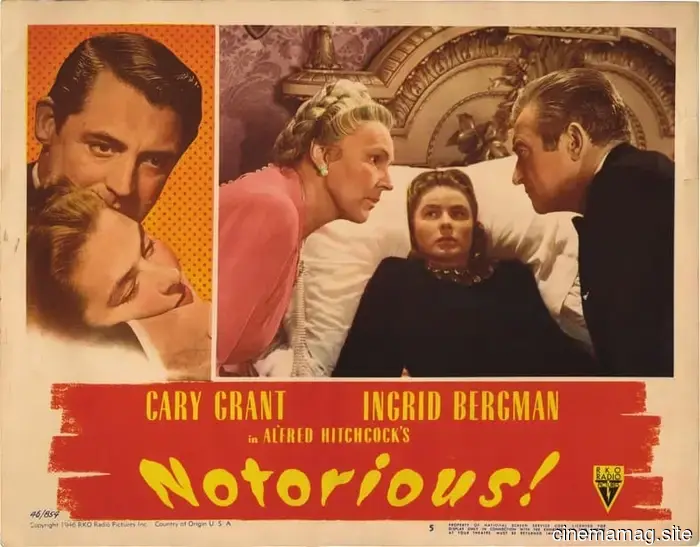
Indeed, many of these classic films present differing expectations for men and women. However, the best among them — such as Notorious, one of our all-time favorites — cleverly subvert those expectations.
With that said, here are the films.
**Citizen Kane (1941)**
Produced by RKO Radio Pictures
Often hailed as one of the greatest films ever made, Orson Welles’ Citizen Kane reinterprets the life of real media mogul William Randolph Hearst, who detested it so much that he attempted to limit its box office performance and influence.
A dominant figure trying to wield his wealth and the legal system to suppress criticism? To borrow a line from another film on this list: “I’m shocked, shocked.”
If you find yourself losing interest during the more reflective segments, consider that Orson Welles was just 26 when he released it, and ponder how he accomplished that.
**Casablanca (1942)**
Produced by Warner Bros.
When people talk about their adoration for classic films from the 1940s, this is probably one they envision.
Ingrid Bergman, who also appears later in this list in Notorious, shines as Ilsa Lund, a woman caught between her love and her duty to combat fascism. Humphrey Bogart, as her former lover Rick, delivers one of the finest performances for a male lead in cinema history.
Yet, Casablanca is a film where every character stands out, from director Michael Curtiz to writers Howard Koch and Julius and Philip Epstein. Everyone has their favorite scene, but ours is, as you may have inferred from our previous entry, “I’m shocked, shocked.”
Casablanca certainly belongs on our list of Ingrid Bergman films that remain enjoyable to watch, alongside another title mentioned here.
**Double Indemnity (1944)**
Produced by Paramount Pictures
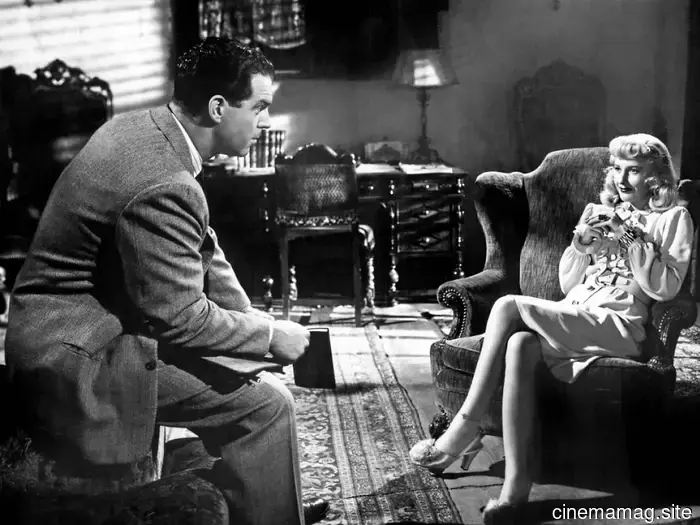
The most entertaining film ever made about insurance, this noir spectacle ignites in scenes like the anklet scene — also known as the “how fast was I going” moment — between Fred MacMurray as an insurance agent and Barbara Stanwyck as a conniving client.
It never rushes, which somehow enhances its allure. It inspired many (often color) films, including 1981’s excellent Body Heat, but the original 1940s version remains our favorite.
**Laura (1944)**
Produced by 20th Century Fox
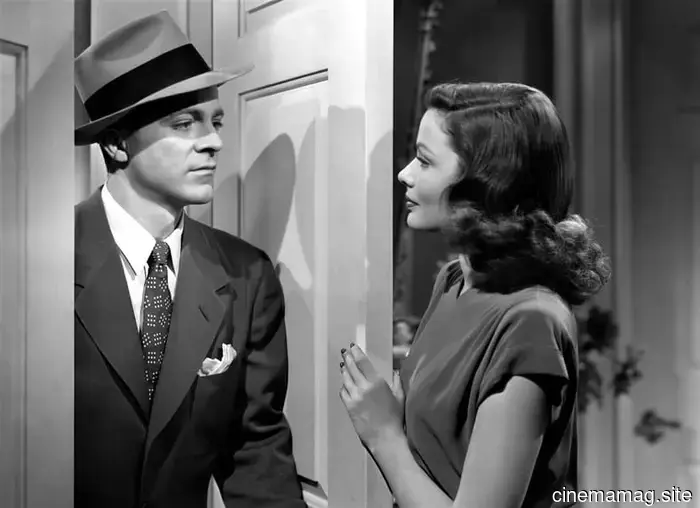
Laura could easily be reimagined today as an incel horror film or a #MeToo drama: it’s the tale of a strikingly beautiful, talented executive, Laura Hunt (Gene Tierney), found murdered near her apartment.
Her narrative is soon recounted by newspaper columnist Waldo Lydecker (Clifton Webb), who became her friend and attempted to leverage his connections to support her. Can you believe that predatory older men extending favors to attractive younger women — and expecting something in return — isn't a recent issue?
However, with that premise, the plot twists are just beginning in Laura, which, despite its dark beginning — spoiler alert — concludes on a positive note.
**The Lost Weekend (1945)**
Produced by Paramount Pictures
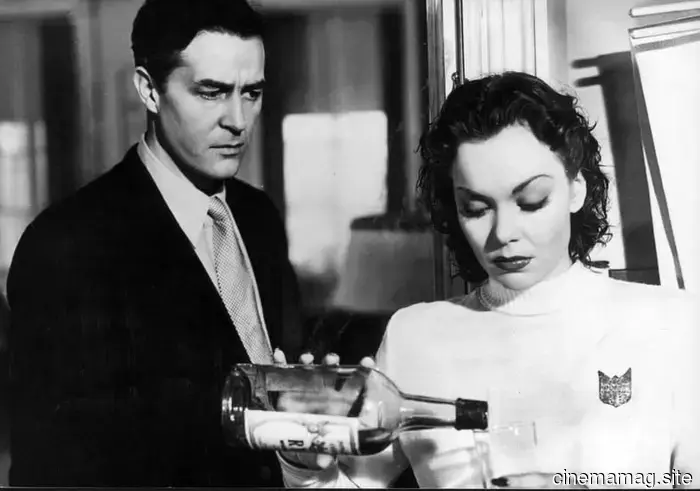
A stark and sympathetic depiction of addiction, this film noir directed by Billy Wilder was based on Charles R. Jackson’s 1944 novel, which reflects his own struggles with alcoholism.
Starring Ray Milland and Jane Wyman, it offers a candid and compelling examination of talent squandered by alcohol addiction, serving as a prototype for numerous addiction dramas that have followed.
Its excellence was recognized at the time: It is one of only three films — alongside 1955’s Marty and 2019’s Parasite — to win both the Oscar for Best Picture and the Cannes Film Festival's Grand Prix (it shared the Grand Prix at the inaugural Cannes with ten other films).
**Christmas in Connecticut (1945)**
Produced by Warner Bros.
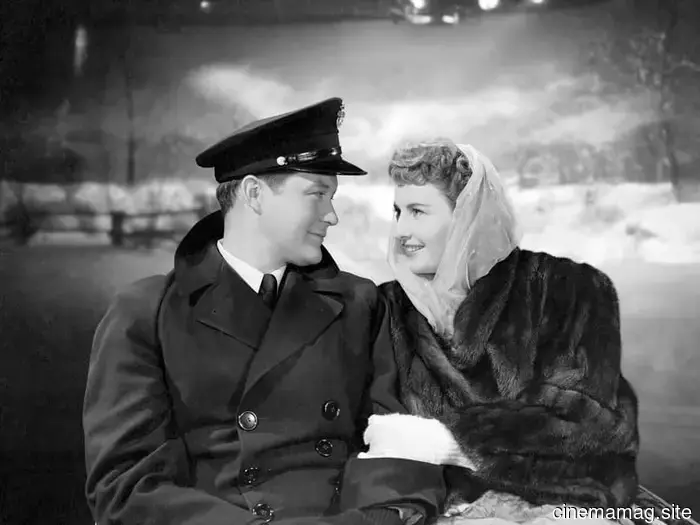
You’ve likely watched many modern movies or shows (or TikToks?) about influencers who present idealized lives but lead vastly different ones behind the scenes. They all owe a nod to Elizabeth Lane, the central character in Christmas in Connecticut, portrayed by Barbara Stanwyck, who takes on a role quite different from her portrayal in Double Indemnity.
Lane is a magazine writer who pretends to reside on a perfectly maintained farm in Connecticut and is adored for her recipes and stories about her family and child. However, in reality, she is a single woman living in a small apartment in New York City.
We recently discovered that Arnold Schwarzen





Other articles
 Cease the Pleading on Kickstarter: Your Independent Film Must Approach Audience Retention as a Critical Digital Challenge.
The typical Kickstarter page for an indie film often resembles an apology note. The creator outlines the reasons behind the loss of funding, accompanied by a brief trailer and emotive background music.
Cease the Pleading on Kickstarter: Your Independent Film Must Approach Audience Retention as a Critical Digital Challenge.
The typical Kickstarter page for an indie film often resembles an apology note. The creator outlines the reasons behind the loss of funding, accompanied by a brief trailer and emotive background music.
 Crime thriller "Crooks" releases trailer in anticipation of its premiere at Tribeca.
Before its world premiere at the Tribeca Film Festival this weekend, a trailer has been unveiled for the upcoming crime thriller Crooks, which centers on a young couple that robs a casino, but when one of…
Crime thriller "Crooks" releases trailer in anticipation of its premiere at Tribeca.
Before its world premiere at the Tribeca Film Festival this weekend, a trailer has been unveiled for the upcoming crime thriller Crooks, which centers on a young couple that robs a casino, but when one of…
 Top 5 Real Money & Pokies Online Casinos in Australia - MovieMaker Magazine
Australian players currently have an unprecedented selection of online casino options, as contemporary gaming platforms feature thousands of games and provide flexible banking alternatives.
Top 5 Real Money & Pokies Online Casinos in Australia - MovieMaker Magazine
Australian players currently have an unprecedented selection of online casino options, as contemporary gaming platforms feature thousands of games and provide flexible banking alternatives.
 Quick Payout Casinos in Australia 2026 - Best 5 Sites - MovieMaker Magazine
There's nothing more frustrating than scoring a four-figure pokies win at midnight, only to find out that your withdrawal is placed in a pending queue until next week. That's
Quick Payout Casinos in Australia 2026 - Best 5 Sites - MovieMaker Magazine
There's nothing more frustrating than scoring a four-figure pokies win at midnight, only to find out that your withdrawal is placed in a pending queue until next week. That's
12 Timeless Movies from the 1940s That Remain Enjoyable to View
These iconic movies from the 1940s have aged remarkably well over the years: Despite their shortcomings, they acknowledge and explore facets of human nature that remain relevant.