
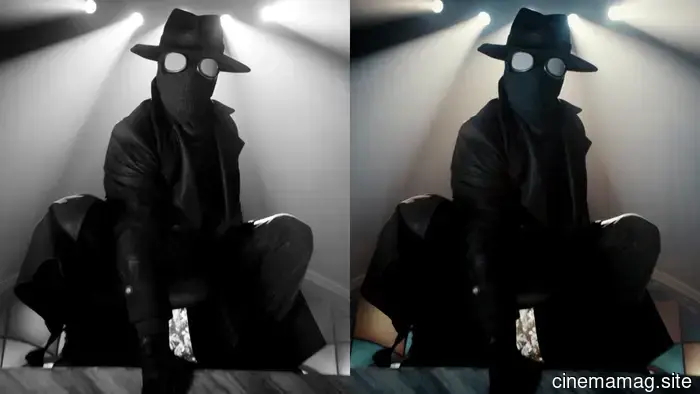
How Spider-Noir Achieved Both Color and Black-and-White Versions of the Series
Spider-Noir was a passion project for Oren Uziel and his team, who faced the unique task of creating both a black-and-white and a colorized version of the new superhero series featuring Nicolas Cage.
“It’s an unprecedented endeavor, and now that I’ve completed it, I understand why that is,” Uziel, the co-showrunner and executive producer of the series, explains. “Doing it correctly requires finding a very peculiar balance between the two formats.
“When preparing for black-and-white shoots, sometimes we ended up using green lipstick and unusual wall colors, as these would appear best in black-and-white. However, in color, it would look absurd. Thus, you have to strike a balance that works for both. It’s definitely a challenge.”
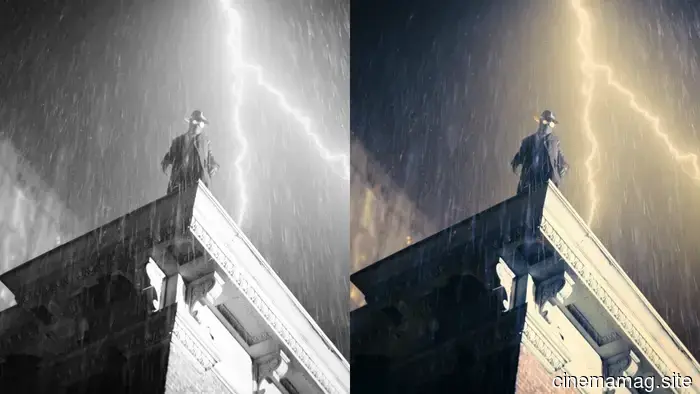
When Uziel started working on the project, which originated from Sony’s Oscar-winning Into the Spider-Verse film, the vision was solely black-and-white, a choice that strongly influenced the aesthetic direction: 1940s film noir, utilizing modern techniques to achieve a rich contrast of deep blacks, extensive shadows, and stark lighting.
The decision to colorize Spider-Noir also emerged during the prep phase, without extending the production timeline, which increased the workload for all department heads. Luckily, a California tax incentive that required filming to begin for a few days in July 2024, prior to the main shoot, provided the team with a vital rehearsal opportunity.
“That allowed us to better understand how to approach both color and black-and-white,” Uziel notes.
Spider-Noir cinematographer Darran Tiernan considers this circumstance “a significant advantage.”
“We got to film a scene with all the textures about two months before we actually began filming,” says Tiernan, who shot the series digitally on the Sony VENICE 2 while using Canon Rangefinder lenses for a grainy look reminiscent of classic noir. “Testing can only demonstrate so much, but when you’re working with actors and actually shooting a scene, it allows us to refine those elements before starting principal photography.”
This refinement process necessitated ongoing adjustments and collaboration between the camera and costume departments, as wardrobe choices directly influenced the intricate interplay of light and shadow in every shot.
“There’s a delicate balance when you’re working with two different formats,” costume designer Trayce Gigi Fields explains. “You need to ensure that in the color version, elements stand out, while in the black-and-white version, there must be enough texture or sheen to maintain interest.”
To fulfill the requirements of all departments during the 100-day shoot while respecting the overall noir commitment, Tiernan configured every monitor on set to black-and-white, except for color DIT monitors, which were typically reserved for his and Uziel’s use only.
“Additionally, to assist the art and costume departments,” Tiernan clarifies, “I set up cameras that matched the color science and the lookup tables of the final show, allowing them to explore how a red item appears in black and white, and consequently, what it looks like in color.”
Dressing the Characters of Spider-Noir
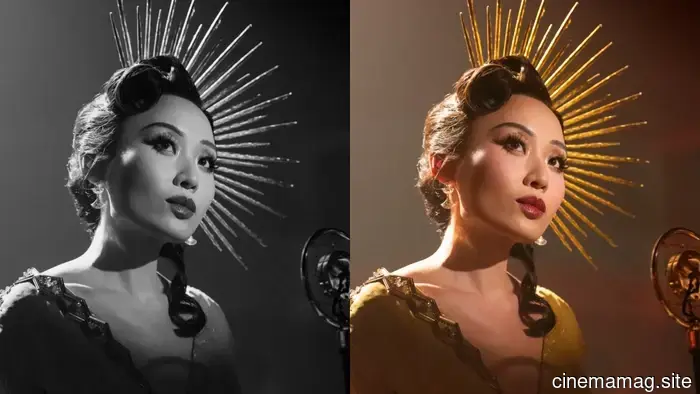
Li Jun Li as Cat Hardy in Spider-Noir. Prime Video and MGM+
For the principal characters alone, Fields and her team created over 1,000 unique clothing pieces, and at times they outfitted up to 300 extras in one day to bring vibrancy to the 1933 setting in New York City.
“It was a monumental task,” she says, noting that her greatest challenge was determining how each clothing item would look across both color palettes.
“We had to camera test almost everything with a specific lens,” she mentions. “The color has a somewhat Technicolor feel to it, transitioning from black and white to color. To me, that’s incredibly exciting, as it’s something I haven’t seen done often.”
Tiernan adds, “The color possesses a unique quality. It’s certainly not typical.”
The combination of the pulp detective genre with the superhero framework merges two popular American cultural elements.
“One is associated with black and white, while the other is known for its vibrant colors,” Uziel explains. This marks Uziel’s first venture into television after a career in screenwriting (22 Jump Street, Mortal Kombat, The Lost City) and directing one feature film (Shimmer Lake). “When creating a color version of the show, the aim was to present a noir interpretation with a color palette that noir enthusiasts haven’t encountered before, and for the black-and-white version, the intention was to craft a comic book film that fans have never seen.”
His objective was to bridge the gap between fans of each cinematic style, and both sides have much to enjoy in the detective story centering around Cage’s character, Ben Reilly. He differs significantly from the youthful Peter Parker iteration of Spider-Man and also varies from the character Cage voiced in Spider-Verse. He embodies a blend of newness and familiarity.
“I’ve moved far beyond high school, so I can’t quite relate to that narrative, which
Other articles
 Tom McCullagh from A Knight of the Seven Kingdoms discusses the process of minimizing Westeros and building connections - MovieMaker.
Tom McCullagh talks about his intricate set design for A Knight of the Seven Kingdoms, offering a closer look at Westeros.
Tom McCullagh from A Knight of the Seven Kingdoms discusses the process of minimizing Westeros and building connections - MovieMaker.
Tom McCullagh talks about his intricate set design for A Knight of the Seven Kingdoms, offering a closer look at Westeros.
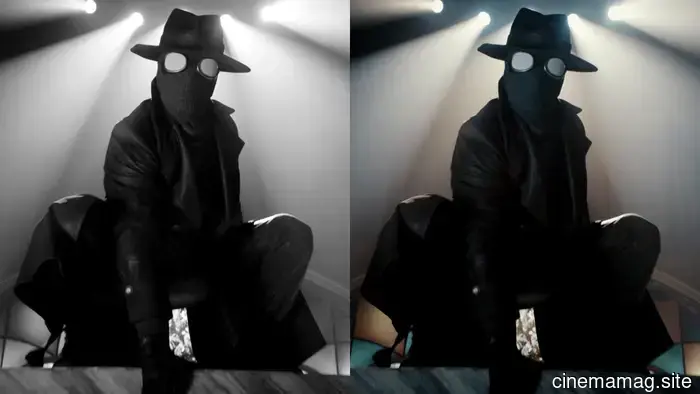 How Spider-Noir Achieved Color and Black-and-White Versions of the Series
Spider-Noir was a project that required immense dedication from Oren Uziel and his team, who undertook the unique challenge of creating both a black-and-white and a colorized version.
How Spider-Noir Achieved Color and Black-and-White Versions of the Series
Spider-Noir was a project that required immense dedication from Oren Uziel and his team, who undertook the unique challenge of creating both a black-and-white and a colorized version.
 Video Review – Disclosure Day is the Finest Modern Film by Steven Spielberg
EJ Moreno presents a review of Disclosure Day… Given his contributions to cinema, it's fair to say that Steven Spielberg's career over the past ten years has experienced both peaks and valleys. T…
Video Review – Disclosure Day is the Finest Modern Film by Steven Spielberg
EJ Moreno presents a review of Disclosure Day… Given his contributions to cinema, it's fair to say that Steven Spielberg's career over the past ten years has experienced both peaks and valleys. T…
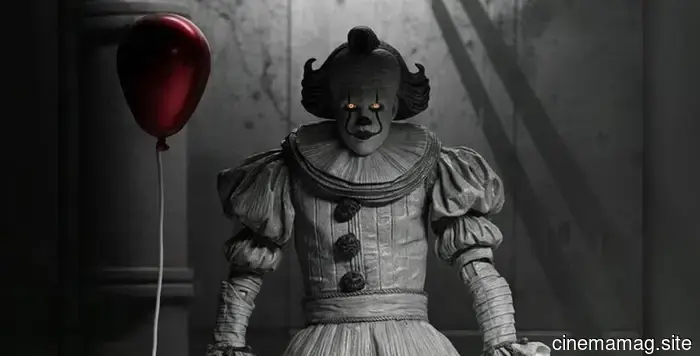 IT: Presenting the Derry Ultimate Black & White Pennywise action figure released by NECA.
NECA has formally introduced its Ultimate Black & White Pennywise 7-inch action figure, drawing inspiration from the portrayal of Stephen King's legendary sinister character by Bill Skarsgård...
IT: Presenting the Derry Ultimate Black & White Pennywise action figure released by NECA.
NECA has formally introduced its Ultimate Black & White Pennywise 7-inch action figure, drawing inspiration from the portrayal of Stephen King's legendary sinister character by Bill Skarsgård...
How Spider-Noir Achieved Both Color and Black-and-White Versions of the Series
Spider-Noir was a labor of love for Oren Uziel and his team, who faced the unique challenge of creating both a black-and-white and a colorized version.