
In what ways does Bob Shaw portray the Gilded Age for contemporary audiences?
Excess is crucial for a series like HBO’s The Gilded Age, set in the 1880s, featuring grand mansions, elaborate balls, and a sweeping, historical portrayal of wealthy New York. However, recreating that era for contemporary viewers is more complex than it appears.
Production designer Bob Shaw strives to maintain a balance between historical accuracy, physical feasibility, and the expectations of modern audiences.
“There are always a few significant events each season,” Shaw states. “Often, we receive scripts that mention, ‘This time, Bertha [Carrie Coon] has truly outdone herself.’ So the continual question is, ‘How? How does she surpass what she accomplished the previous three times?’”
It's not merely about escalating grandeur. Each scene must remain grounded in the period's limitations, from visuals and lighting to the materials used on set. For example, although electricity was available during the show's era, most people did not have access to it.
“These individuals lived in darkness,” Shaw notes.
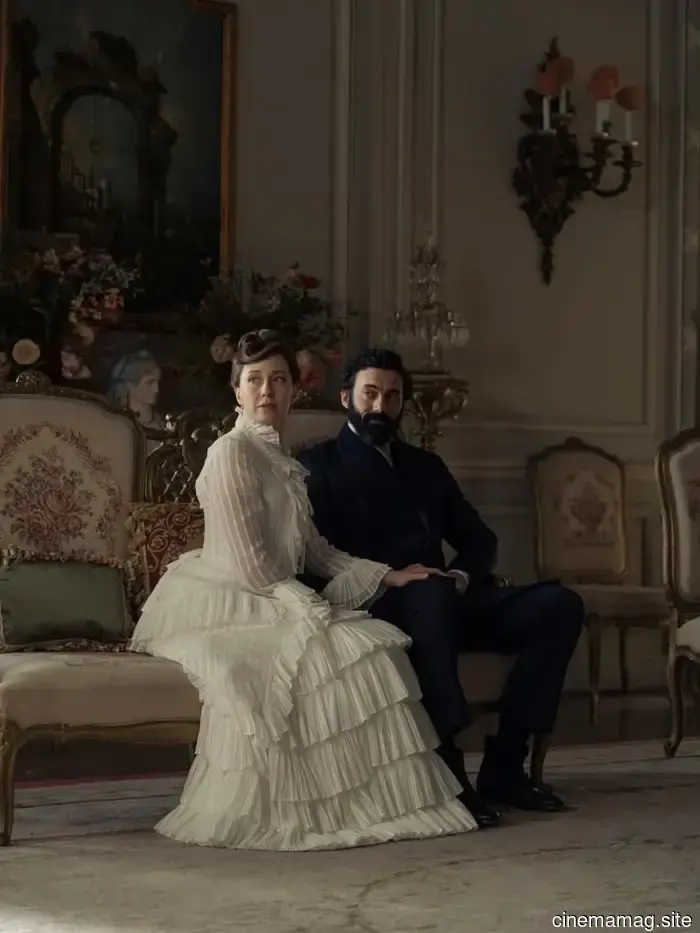
Carrie Coon and Morgan Spector in The Gilded Age. Photo by Karolina Wojtasik/HBO
The production team often navigates such limitations, particularly regarding location choices.
“I casually mentioned in an interview last year that we were running out of mansions,” Shaw recalls. “Following that, I received inquiries from people saying, ‘We have a stunning mansion in Cleveland!’”
Locating suitable spaces is more challenging than it might seem. A house may possess the right exterior but could be impractical due to cramped rooms, modern renovations, or other logistical issues. Occasionally, room layouts do not align with the script, or Shaw and his team need to develop a new room that feels consistent with an existing location. Additionally, street layouts present their own complexities.
“You can't reverse horses and carriages,” Shaw says. “You have to maneuver them around.”
Bob Shaw on The Gilded Age’s Illusion of Luxury
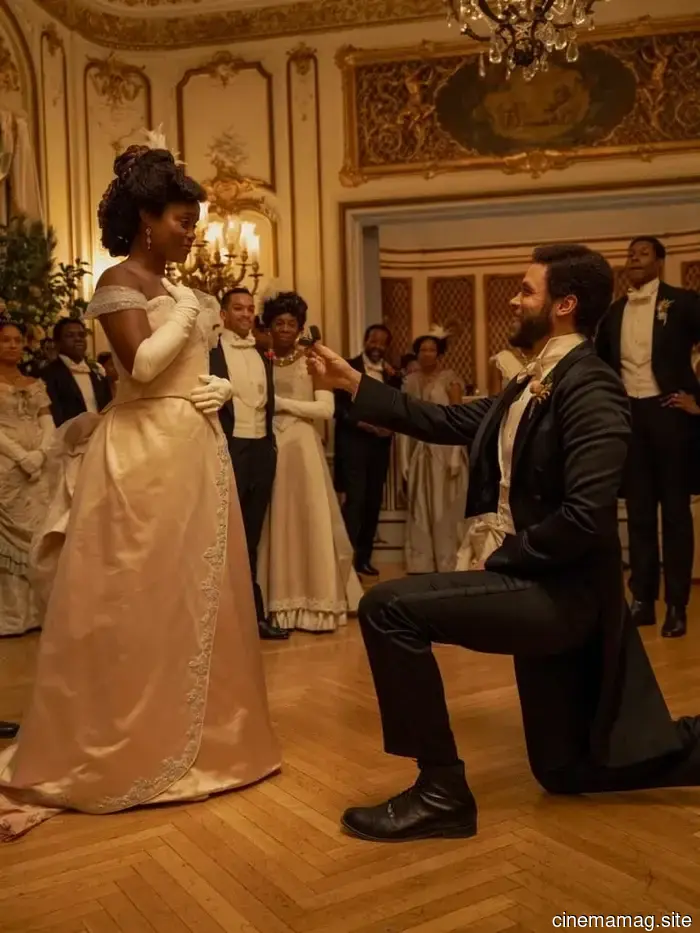
Denee Benton and Joran Donica in The Gilded Age. Photo by Karolina Wojtasik/HBO
The capacity to adapt and think creatively is essential for producing the illusion of luxury. The team reuses and modifies locations, redecorates rooms, and discovers spaces that haven’t been utilized as residences for years.
Real period interiors were richly detailed, yet excessive detail can overwhelm the action in a scene. While carnations were trendy at the time, the team replaces them with more luxurious flowers. Though figurines and decorative items would have been dispersed throughout a house, too many can create a cluttered appearance.
“All the wallpaper in the Brook House was sprayed down twice,” Shaw shares. “It had to recede and behave itself!”
Additionally, the series’ central theme of old versus new wealth is reflected in what viewers can see.
“The Brook House is primarily brownstone and brick,” Shaw explains. “By the time the Russells arrive, it was fashionable for the ultra-wealthy to construct their homes from limestone.”
The underlying principle for maintaining consistency among these elements is to keep the focus on the characters and create an environment that feels authentic for the actors.
“The main priority is to keep the central theme front and center,” he emphasizes. “Even though we’re a costume drama focused on period interiors, at its core, this is still a narrative about the people.”
The Gilded Age is currently available for streaming on HBO Max. You can read more of our Emmy contender interviews here.
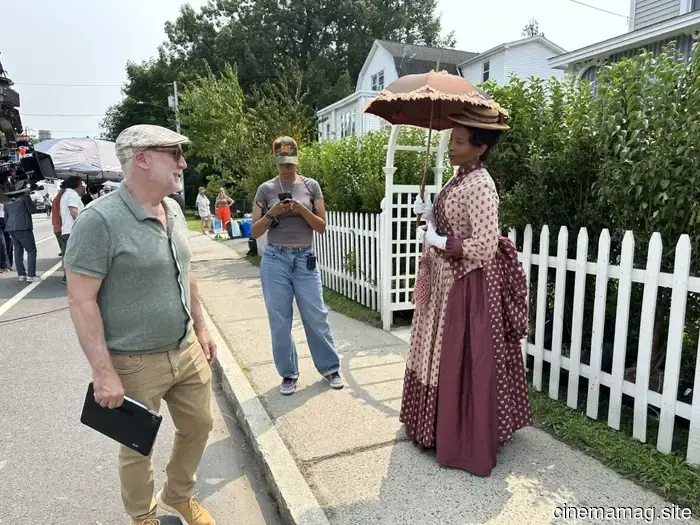
Main image: The Gilded Age production designer Bob Shaw, left, outside the Kirkland House. Photo courtesy of Bob Shaw.
Other articles
 The Walking Dead: Streets of Survival, a side-scrolling beat-’em-up game, is set to launch on PC and consoles.
TRAILMARK Games and AMC Global Media have introduced The Walking Dead: Streets of Survival, a fresh single-player, contemporary beat-’em-up game situated within the Walking Dead universe. Enthusiasts of the franchise (or…
The Walking Dead: Streets of Survival, a side-scrolling beat-’em-up game, is set to launch on PC and consoles.
TRAILMARK Games and AMC Global Media have introduced The Walking Dead: Streets of Survival, a fresh single-player, contemporary beat-’em-up game situated within the Walking Dead universe. Enthusiasts of the franchise (or…
 Pre-orders available for the remake of the classic Amiga shoot ’em up Apidya.
Gamers eager for the remake of a cherished shoot-’em-up from the 16-bit era will be glad to know that Apidya’ Special is now open for pre-order. ININ Games and the developers…
Pre-orders available for the remake of the classic Amiga shoot ’em up Apidya.
Gamers eager for the remake of a cherished shoot-’em-up from the 16-bit era will be glad to know that Apidya’ Special is now open for pre-order. ININ Games and the developers…
In what ways does Bob Shaw portray the Gilded Age for contemporary audiences?
Bob Shaw, the production designer for The Gilded Age, aims to find a balance between historical accuracy, feasibility, and audience acceptance.