
10 Must-Watch Horror and Thriller Films Set in the Australian Outback
Casey Chong showcases ten must-see horror and thriller films set in the Australian Outback...
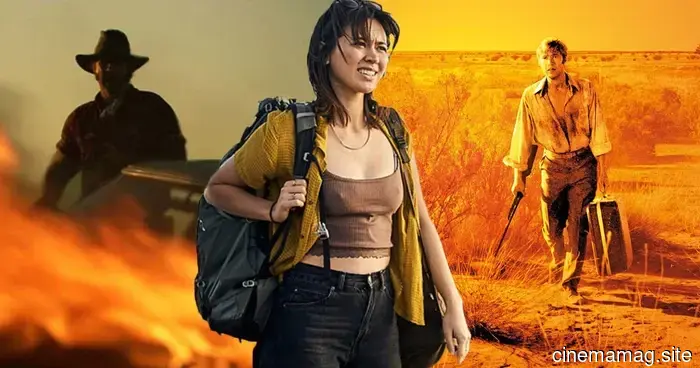
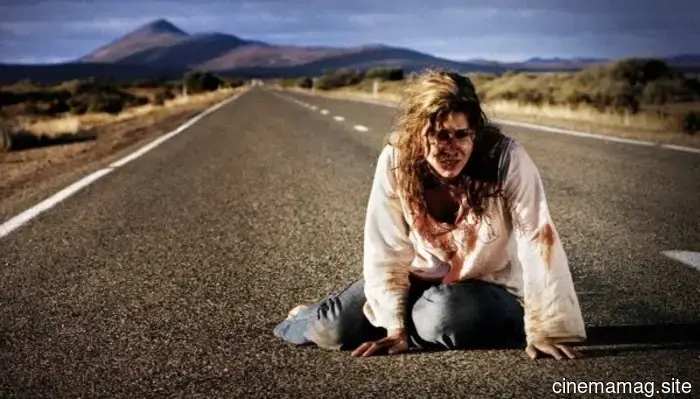
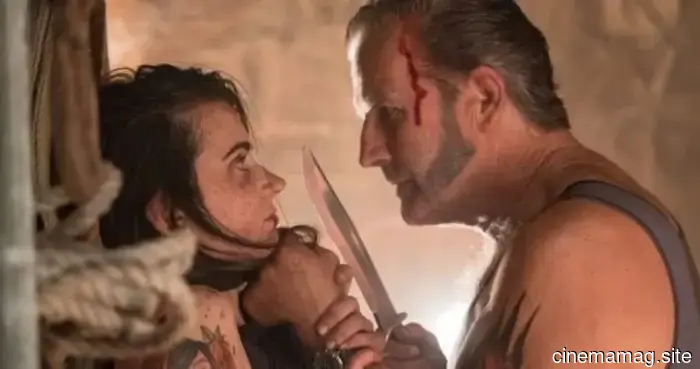
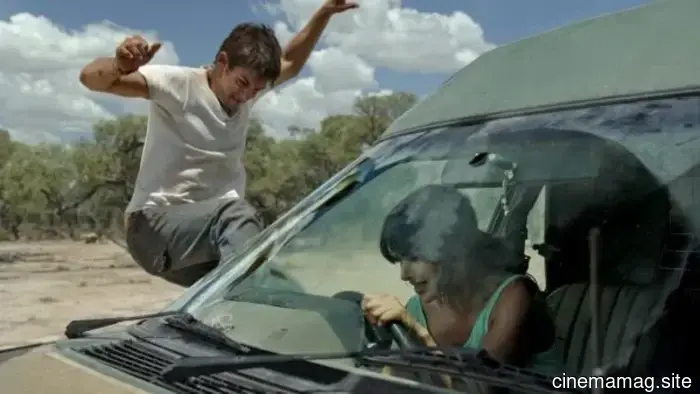
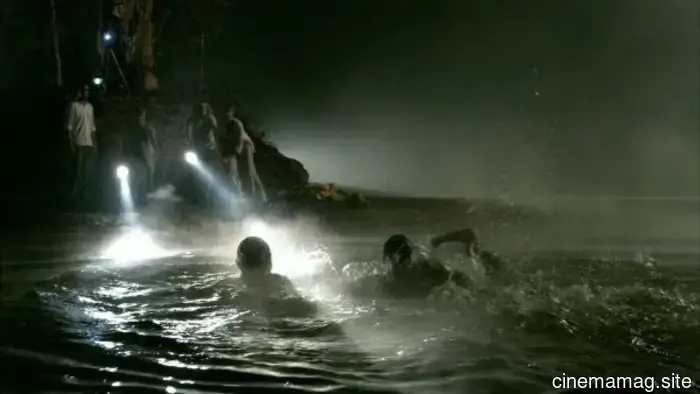
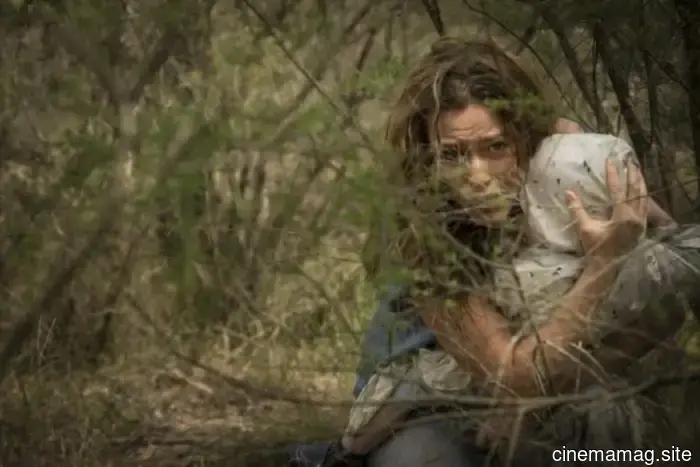
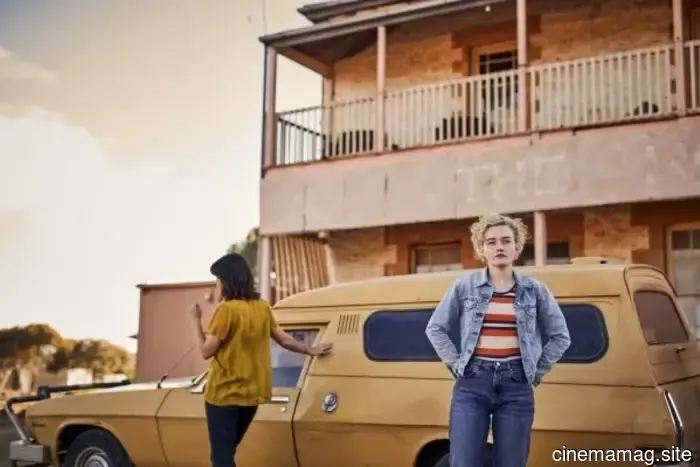
The Australian Outback serves as a recurring visual and thematic backdrop for filmmakers, reflecting its vast deserts, empty roads, remote towns, and crocodile-infested rivers alongside themes of primal danger, guilt, and isolation. These settings are ideal for the horror and thriller genres. From Ozploitation classics like Wake in Fright and Razorback to modern offerings like The Royal Hotel starring Julia Garner and Jessica Henwick, we present ten of the finest horror and thriller films that unfold in the Australian Outback...
Wake in Fright (1971)
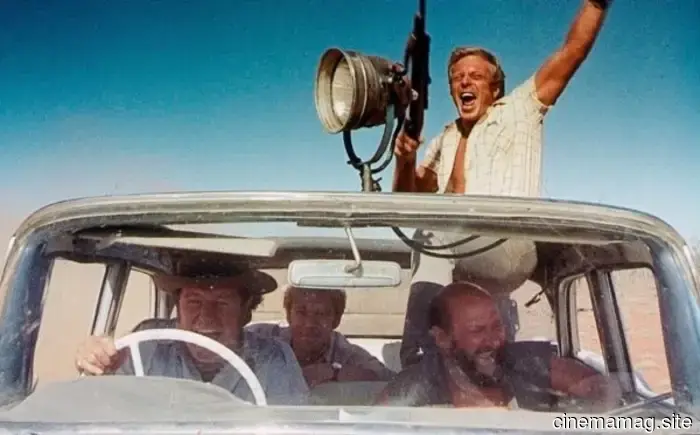
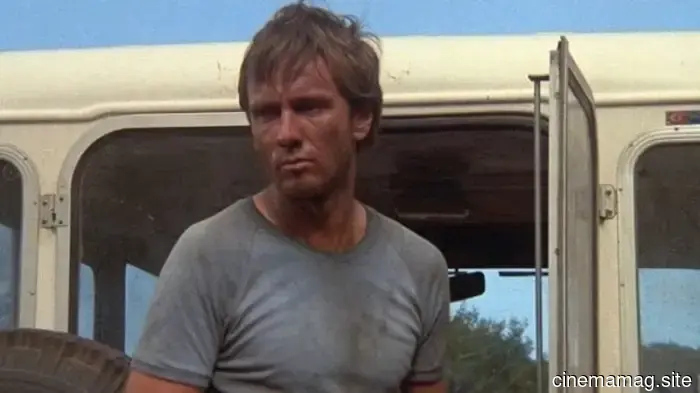
While Ted Kotcheff is widely recognized for directing First Blood, he was also a key figure in the 1970s Australian New Wave cinema with his groundbreaking film Wake in Fright. The plot centers on John Grant (Gary Bond), a middle-class schoolteacher in the remote outback town of Tiboonda. With the school shut down for Christmas break, he yearns to escape the solitude and return to Sydney. However, things take a turn for the worse when he makes a one-night stop in the mining town of Bundanyabba, also known as “The Yabba.”
What ensues is a gradual, nightmarish descent into moral and psychological deterioration as John begins to unravel. His experiences include a significant gambling loss in an illegal Two-up game, excessive drinking that leads to severe intoxication, and a troubling nighttime kangaroo hunting spree in one of Wake in Fright’s most controversial moments. Kotcheff does not shy away from putting John through the wringer, highlighting the protagonist’s self-destructive nature against the backdrop of a harsh environment and the claustrophobic dread that leaves him without an escape.
Long Weekend (1978)
In Colin Eggleston’s Long Weekend, nature is portrayed as a force gone wild, blending psychological tension with elements of ecological horror. Despite winning awards at various film festivals, the film had little impact upon its initial release in Australian theaters and later faded into obscurity. However, it is a hidden gem worth rediscovering. The narrative follows a married couple (John Hargreaves and Briony Behets) on a weekend camping trip to a secluded beach, trying to resolve their marital issues.
Throughout their journey, they show a blatant disregard for nature, littering, running over a kangaroo, and killing a dugong for sport. The couple is depicted as unsympathetic, and Eggleston avoids giving them a conventional redemption arc that would evoke audience sympathy. Instead, the nature revenge theme, which could appear absurd if not handled well, reflects the couple’s increasingly erratic and harmful behavior. Eggleston opts for a foreboding atmosphere that intensifies as the film progresses toward a bleak conclusion.
Razorback (1984)
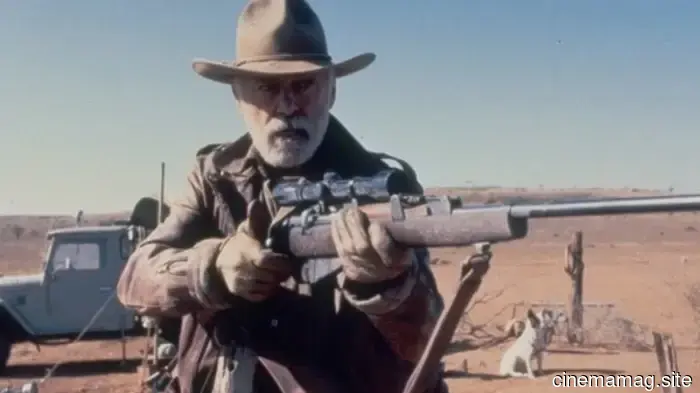
Two years before Russell Mulcahy achieved fame with Highlander, he infused his music video style into this 1984 creature feature cult classic. The plot follows kangaroo hunter Jake Cullen (Bill Kerr), who has devoted his life to finding the elusive giant wild boar that killed his grandson years earlier. He teams up with an American named Carl (Gregory Harrison), whose wildlife reporter wife Beth (Judy Morris) has gone missing.
The standout aspect of Razorback is Mulcahy’s hyper-stylized direction, portraying the Australian Outback as a desolate, fear-inducing apocalyptic landscape. His unique visuals include surreal lighting, particularly with a steel blue hue, hazy smoke effects, and deep-contrast shadows that feel akin to a gritty sci-fi horror set in modern times.
Although the budget for this film was limited, Mulcahy successfully makes the monstrous wild boar appear genuinely threatening through tight close-ups, quick cuts, and silhouettes, reminiscent of Steven Spielberg’s minimalist approach in Jaws. Although Razorback did not initially resonate with audiences, it has since garnered a dedicated following.
Dark Age (1987)
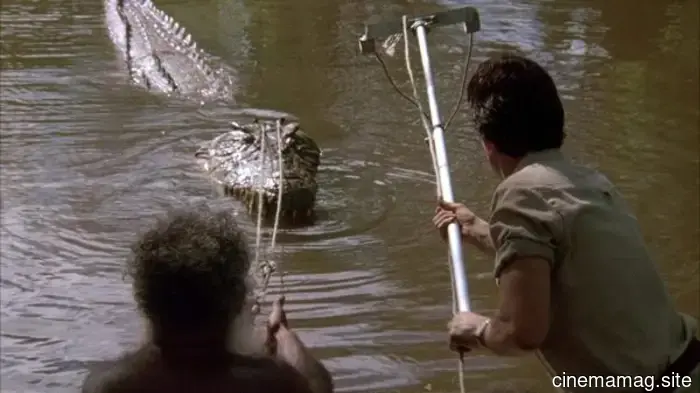
In the intriguingly titled Dark Age, young actor John Jarratt, before his role in Wolf Creek, portrays a good guy. The film is not about a dystopian future or medieval fantasy, but instead tells a gritty creature feature story about a massive man-eating saltwater crocodile. Jarratt plays Steve Harris, a park ranger tasked with tracking down the killer crocodile with the help of Aboriginal leader Oondabund (Burnum Burnum) and his assistant, Adjaral (David Gulpilil).
While the plot may sound like a typical man vs. beast story, it transcends a standard crocodile thriller. The film explores the cultural and spiritual connection between the saltwater crocodile, known as Numunwari, and the local indigenous community. Additionally, it touches on themes of environmentalism and conservation, characterizing the crocodile not as a villain, but as a sacred creature defending its territory. The real antagonists are the humans, particularly the poachers led by
Other articles
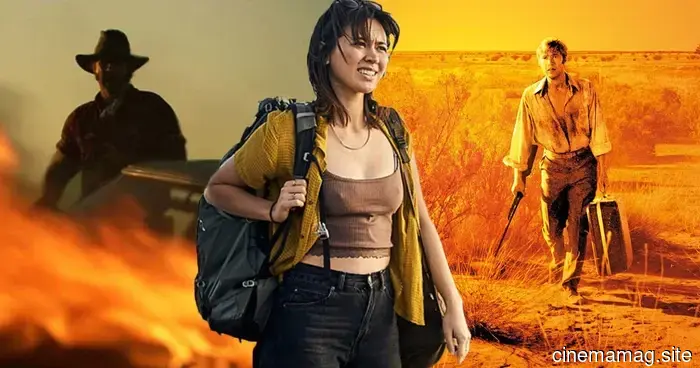 10 Must-See Horror and Thriller Films Set in the Australian Outback
Casey Chong showcases ten pivotal horror and thriller films located in the Australian Outback… The Australian Outback has consistently served as a visual and thematic landscape for filmmakers to reflect on…
10 Must-See Horror and Thriller Films Set in the Australian Outback
Casey Chong showcases ten pivotal horror and thriller films located in the Australian Outback… The Australian Outback has consistently served as a visual and thematic landscape for filmmakers to reflect on…
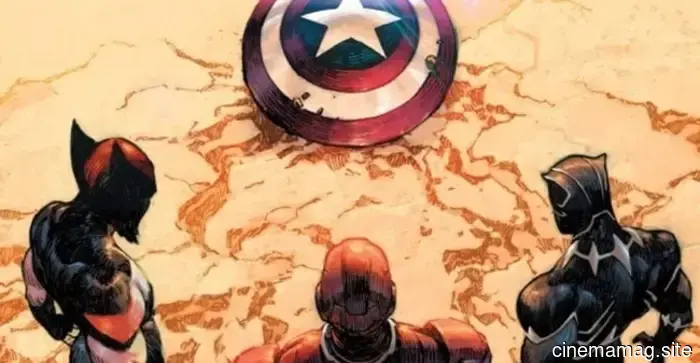 Comic Book Sneak Peek – Marvel’s Ultimate Universe: Finale #1
Marvel bids the Ultimate farewell this Wednesday with the launch of Ultimate Universe: Finale #1; check out the official preview below for an early look at the issue... In the aftermath of...
Comic Book Sneak Peek – Marvel’s Ultimate Universe: Finale #1
Marvel bids the Ultimate farewell this Wednesday with the launch of Ultimate Universe: Finale #1; check out the official preview below for an early look at the issue... In the aftermath of...
.jpg) Blu-ray Review – Madhouse (1974)
Madhouse, 1974. Directed by Jim Clark. Featuring Vincent Price, Peter Cushing, Robert Quarry, Adrienne Corri, Linda Hayden, and Michael Parkinson. SYNOPSIS: A horror film actor reclaims his iconic character in a...
Blu-ray Review – Madhouse (1974)
Madhouse, 1974. Directed by Jim Clark. Featuring Vincent Price, Peter Cushing, Robert Quarry, Adrienne Corri, Linda Hayden, and Michael Parkinson. SYNOPSIS: A horror film actor reclaims his iconic character in a...
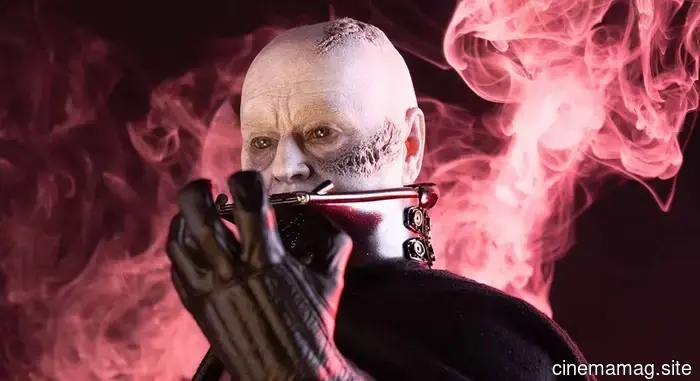 PCS Collectibles has revealed a 1:3 scale statue of Darth Vader from Star Wars.
PCS Collectibles has officially introduced its soon-to-be-released Darth Vader 1:3 scale statue, which takes inspiration from the Sith Lord's look in Star Wars: Episode IV – A New Hope. Take a look at the promotional material…
PCS Collectibles has revealed a 1:3 scale statue of Darth Vader from Star Wars.
PCS Collectibles has officially introduced its soon-to-be-released Darth Vader 1:3 scale statue, which takes inspiration from the Sith Lord's look in Star Wars: Episode IV – A New Hope. Take a look at the promotional material…
 Mr. Fantastic and Black Panther are now part of McFarlane Toys' Marvel Rivals series.
McFarlane Toys has officially revealed that the upcoming additions to its Marvel Rivals collectible figure series – Mr. Fantastic and Black Panther – can now be pre-ordered, at a price of…
Mr. Fantastic and Black Panther are now part of McFarlane Toys' Marvel Rivals series.
McFarlane Toys has officially revealed that the upcoming additions to its Marvel Rivals collectible figure series – Mr. Fantastic and Black Panther – can now be pre-ordered, at a price of…
10 Must-Watch Horror and Thriller Films Set in the Australian Outback
Casey Chong showcases ten key horror and thriller films set in the Australian Outback. The Australian Outback has consistently served as a visual and thematic landscape for filmmakers to reflect on...