
J-Horror and the Western Perspective: The Asian Horror Influx of the 1990s
Adam Page discusses the surge in popularity of J-horror in the late 90s and its influence on Hollywood. He begins with a broad observation about an inherent arrogance found in American culture, which isn't malicious but reflects a belief that the best ideas will naturally emerge in a sanitized and easily digestible form. This pattern is seen in food, music, and, notably, in the appropriation of Japanese horror cinema.
However, prior to Hollywood's involvement, Japan was experiencing a remarkable transformation in the 1990s that didn't require external validation and was not meant for comfort—nor did it care whether outsiders understood it. To grasp J-Horror, a term used to describe the wave of Japanese supernatural horror from about 1995 to 2005, one needs to recognize its cultural roots.
In the late 1980s and early 90s, Japan was flourishing economically until the bubble burst, leading to significant social upheaval. The promise of prosperity gave way to corporate burnout, rising suicide rates, and a generation increasingly estranged from the rigid social hierarchies of their parents. This psychological distress paved the way for horror narratives.
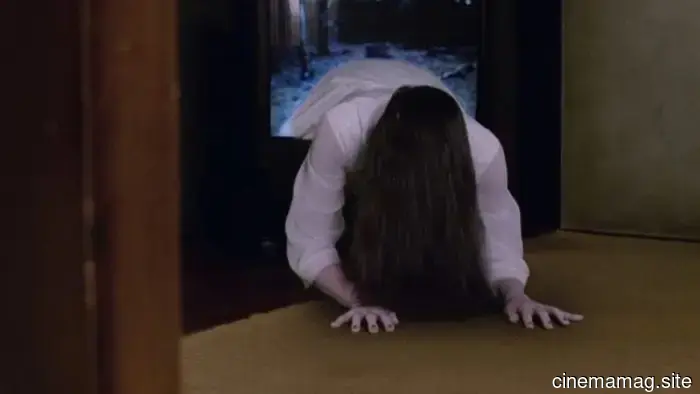
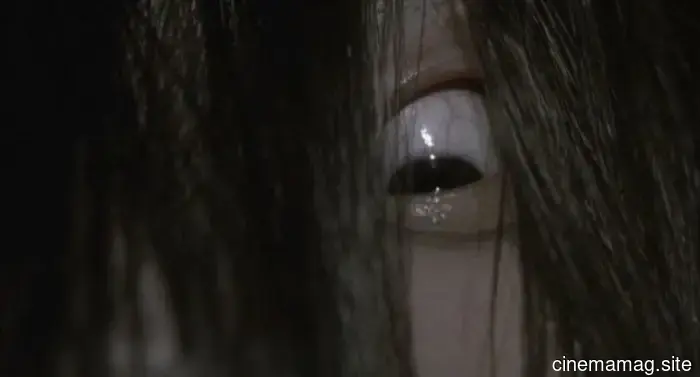
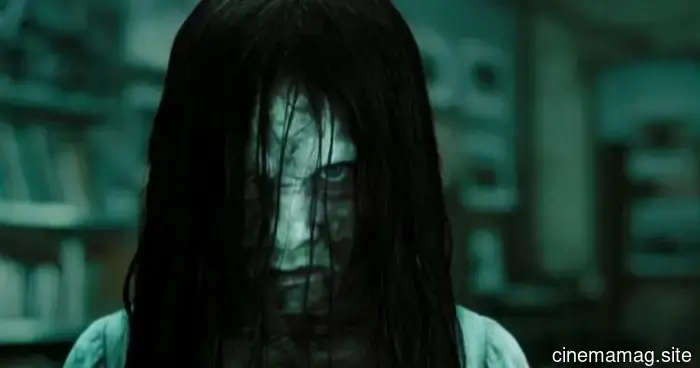
Japanese horror draws from deep historical roots, featuring yūrei, vengeful spirits, particularly female entities wronged in life who return to settle scores in death. The onryō, compelled by potent and unresolved emotions, existed long before filmmakers like Hideo Nakata popularized the genre. Sadako Yamamura, the figure from 1998's Ringu who emerges from the well, isn't a traditional monster but rather embodies consequences. She represents the repercussions of ignoring or trivializing issues, symbolizing the underestimated woman transformed into a relentless force who will confront you in seven days, regardless of rationalizations.
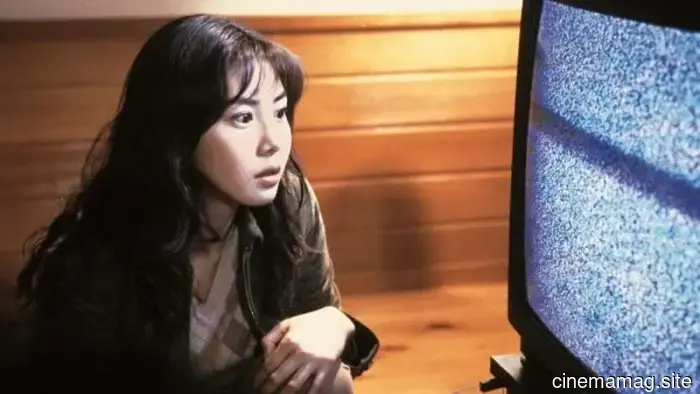
Nakata intuitively understood that dread stems from the knowledge of a lurking threat rather than the threat itself. The tension builds over the seven days as Reiko Asakawa, a journalist and single mother, grapples with societal structures that challenge her existence. Despite knowing she shouldn’t watch the tape, she is drawn to it—reflecting our own subconscious tendencies.
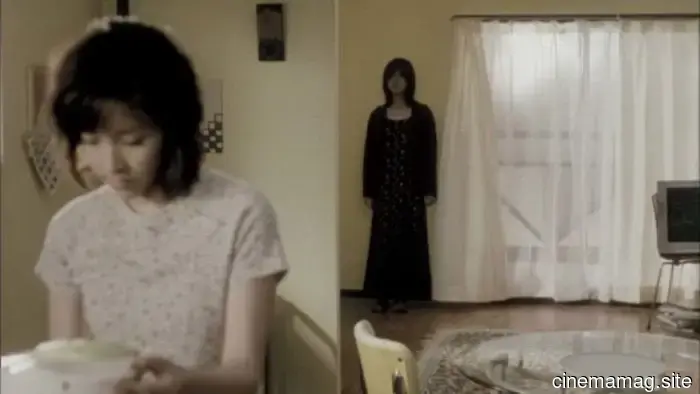
Ringu and its companion piece, Ju-On: The Grudge (directed by Takashi Shimizu in 2002), are striking due to their unique aesthetic, which easily evokes an unsettling feeling. The visual and auditory elements create an atmosphere that is subtly disorienting. Lighting often feels flat or dim; angles are slightly skewed. Movement occurs unexpectedly, in reflections or backgrounds, accompanied by sound design that works on a visceral level, registering before conscious thought.
Shimizu particularly utilized non-linear storytelling to amplify horror. Ju-On builds rather than unfolds; it presents a series of disjointed vignettes that evoke the unravelling of a curse, promoting a sense of disarray and confusion. You find yourself within a haunted environment without a clear path to escape.
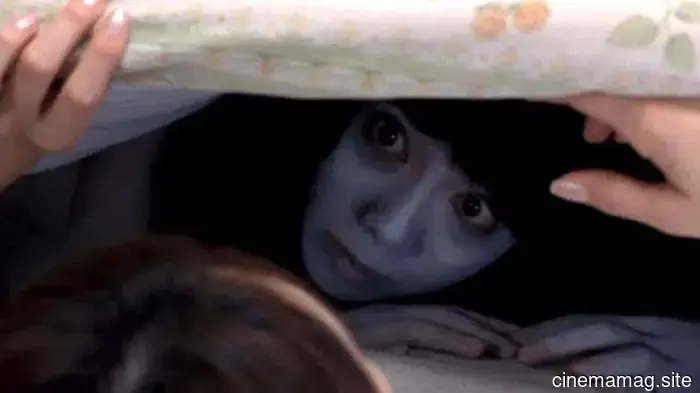
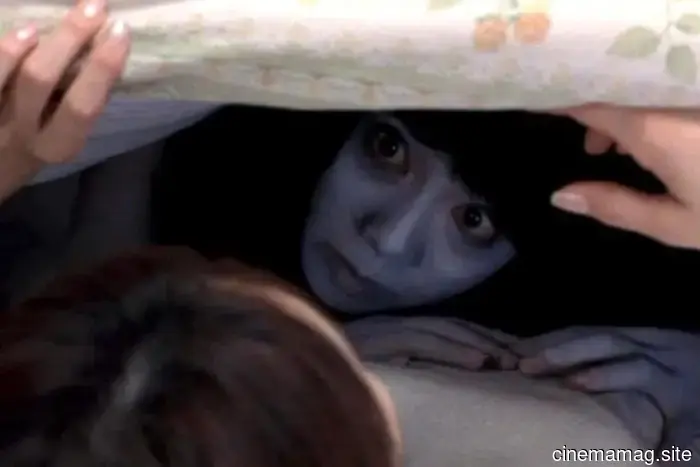
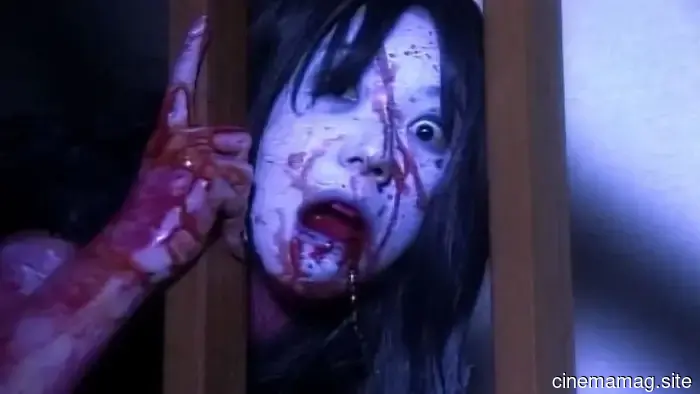
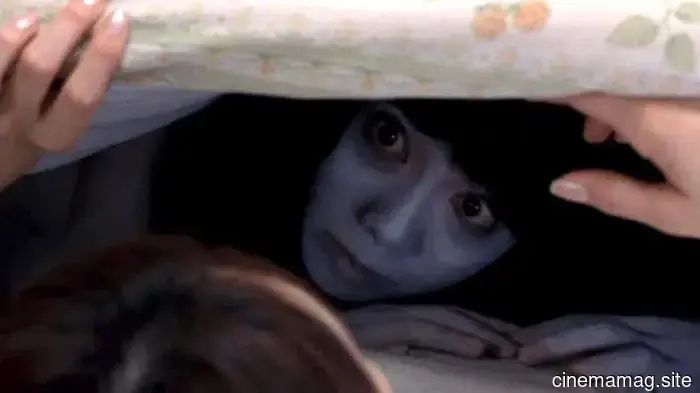
Ju-On’s antagonist, Kayako Saeki, represents a politically charged figure. A woman murdered by her husband, her violent death and the subsequent curse are indiscriminate; anyone who encounters it becomes marked. It critiques societal guilt and domestic violence, suggesting that the horror lies not only in the supernatural but also in its tangible social implications.
Shimizu gave Kayako a distinctive sound that lingers, and her unsettling physical movements have an organic quality, as exemplified by the famous staircase scene. This performance evokes a deep sense of discomfort, blurring the line between reality and the uncanny.
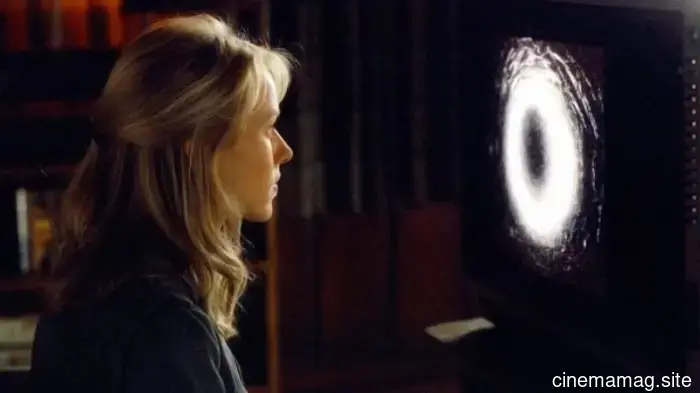
The core gap between recognizing a threat and understanding it defines J-Horror. While Western horror often relies on jump scares and clear resolutions, J-Horror does not conform to these conventions. Consequently, the Hollywood adaptation, The Ring, directed by Gore Verbinski in 2002, was akin to a well-educated tourist who overreaches. While not without merit—featuring Naomi Watts’ commendable performance and atmospheric design—it ultimately diluted the original's critical depth.
Ringu is fundamentally a narrative about a single mother compelled to grapple with a system that complicates her role. While Reiko Asakawa investigates the curse as a journalist, she embodies the struggle of women in a society that marginalizes them. Hollywood’s version reinterprets her character, focusing more on her as an individual in peril and less as a representation of systemic challenges.
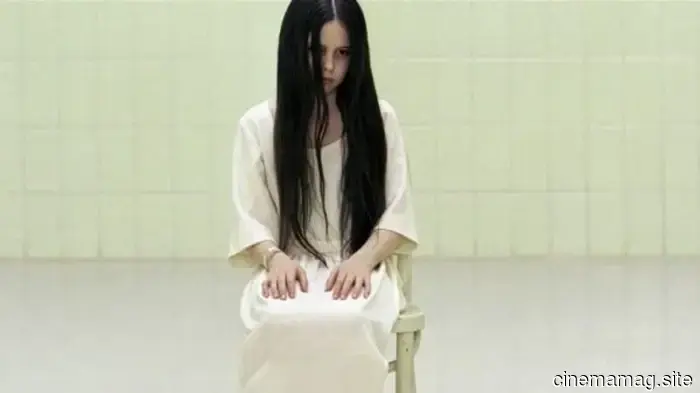
Sadako’s character, with her haunting nature rooted in Japanese folklore, contrasts sharply with Samara from the American remake, who is framed as innately evil and tied to a tragic past. This portrayal diminishes the complexity found in Ringu, where the curse's origins are inherently tied to social injustices.
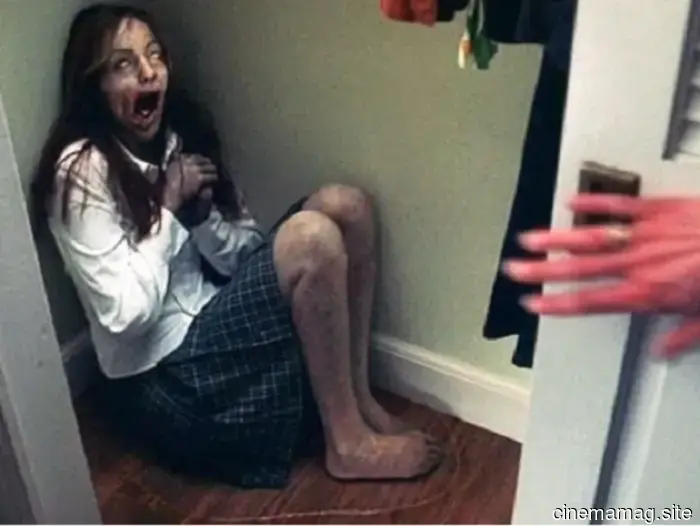
The success of The Ring spurred a wave of J-Horror remakes that largely lacked the nuanced understanding of their Japanese counterparts. Subsequent films like The Grudge, directed by Shimizu himself, presented a diluted interpretation of the original’s cultural underpinning, limiting the depth of its social commentary.
A barrage of remakes


J-Horror and the Western Perspective: The Asian Horror Influx of the 1990s
Adam Page discusses the surge in popularity of J-horror in the late 90s and its effects on Hollywood… I admit I'm beginning with a broad statement, but there seems to be a peculiar arrogance that accompanies…