
The Longest Leap: Three Decades Later, Quantum Leap’s Conclusion Still Hits Hard
Adam Page reflects on the emotional impact of the infamous finale of Quantum Leap…
There are endings and then there are endings. Some are neatly packaged with a concluding bow, featuring a sunset kiss, where the hero departs and everyone remains alive, smiling, and accounted for. Television, especially American network television from a certain time, specialized in these kinds of resolutions like a street vendor selling cheap imitation watches. They were abundant and easily digestible, crafted to leave you feeling good about tuning in for the next episode. Then there's the finale of Quantum Leap, which is a whole different experience; it's an ending that happens to you rather than one you simply observe.
Let's set the scene, because context is crucial. It’s the early 1990s in an ordinary terraced house somewhere in these islands. A child, perhaps nine or ten years old, sits on a sofa. Outside, the rain falls, as it so often does, casting a flat grey light typical of afternoons in that part of the world, a light that seems to justify staying indoors. On the television, on a satellite channel that feels like a minor miracle, a man is running. He appears to be always running, leaping through time, taking on the lives of others in an effort to correct past wrongs. This isn't a choice for him; it's a necessity. The universe—or God, or whatever the writers referred to it as—has placed him in this position with a purpose. Dr. Samuel Beckett cannot ignore that purpose.
The child watching in the muted afternoon light lacks the vocabulary to articulate what he sees. He doesn’t understand phrases like "moral architecture" or "ethical compass" or "masculine virtue." He simply recognizes that Sam Beckett is the kind of man one ought to aspire to become. His understanding is instinctual; not intellectual or argumentative, but felt deep in his bones.
Scott Bakula portrayed Sam with a quality that is more scarce in actors than sheer talent and even rarer among leading men on television: genuine decency. Not the performed kind or a manufactured warmth engineered to seem likable, but a sincere, unaffected, and somewhat bewildered human decency. Sam was extraordinarily intelligent; a quantum physicist and polymath who could speak six languages with multiple doctorates. Yet he wore his achievements lightly, as truly intelligent people often do, always mindful of more pressing matters. He often found himself confused, frightened, and made mistakes, but he never leaped into a new life asking, “What’s in it for me?” That question—often the foundational assumption of about 75% of human behavior—never crossed his mind. He assessed the situation, identified who needed assistance, and then provided it. It was that straightforward and revolutionary.
Growing up without a wealth of male role models adhering to this ideal—surrounded instead by action heroes characterized by their violence or antiheroes defined by their suffering—this was truly significant. It was a weekly reminder from a world where a man's value was based on what he did for others rather than what he accumulated, how hard he could hit, or how coolly he faced chaos. Sam Beckett wasn’t cool; he was warm. And maintaining that warmth proved to be far more challenging.
Then there was Al.
Sam served as the conscience, while Al Calavicci, brought to life by Dean Stockwell with remarkable swagger, was the necessary counterbalance that made everything function. Al embodied everything Sam was not; he was jaded, well-acquainted with vices, and carried a life story of wars, women, whiskey, and regrets like a comet's tail. He was a hologram visible only to Sam, smoked an invisible cigar, and wore suits seemingly designed by someone who'd heard of the 1970s but never experienced them. Yet he loved Sam with a fierce devotion that the show skillfully avoided turning sentimental.
Al was no hero; he was a man who had already survived a story that could have shattered him, emerging from it openly bearing his scars while directing the remnants of his life toward keeping his friend alive across distances of time and space. That is friendship, dear friends and neighbors. It's not the seamless, Instagram-perfect bond between men who always agree and never challenge each other. It's about active dedication and the commitment to continue showing up, even when it costs you something. A holographic, cigar-smoking guardian angel in a terrible suit.
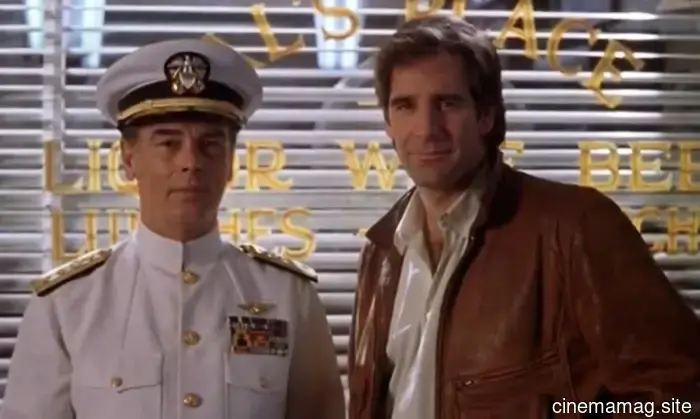
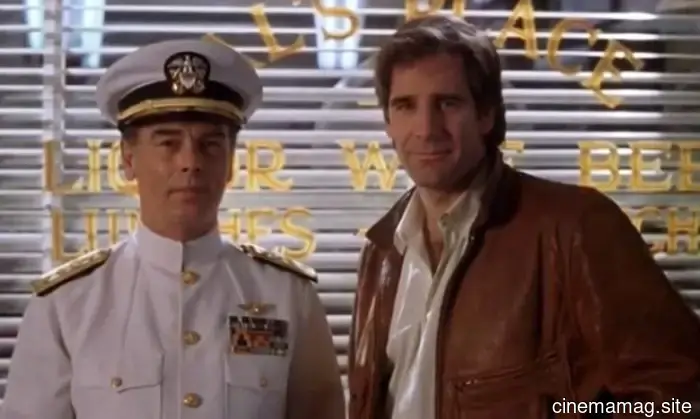
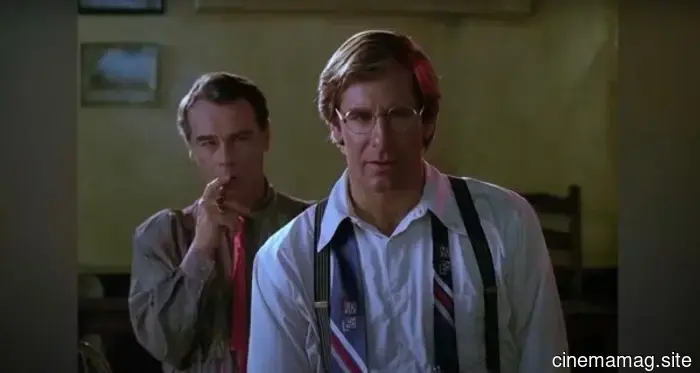
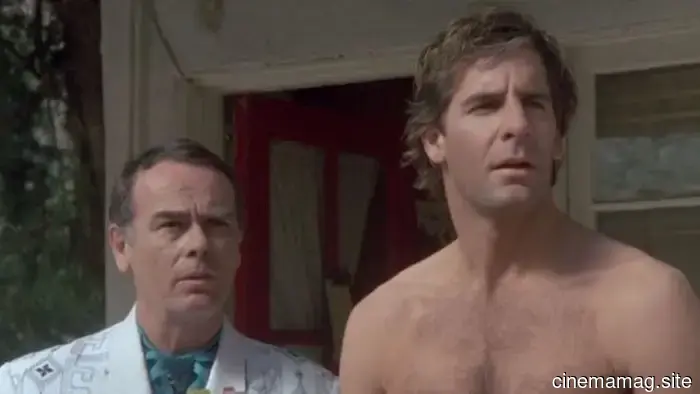
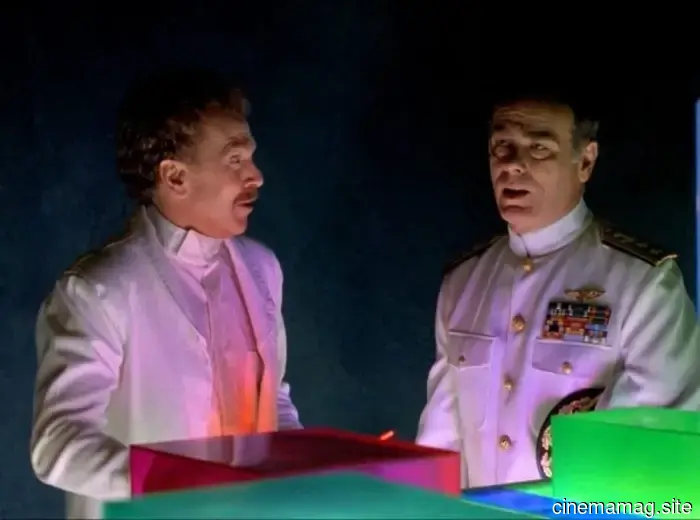
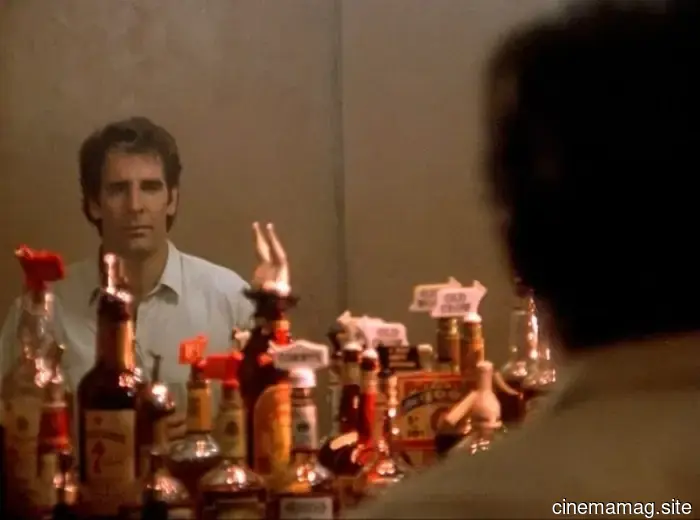
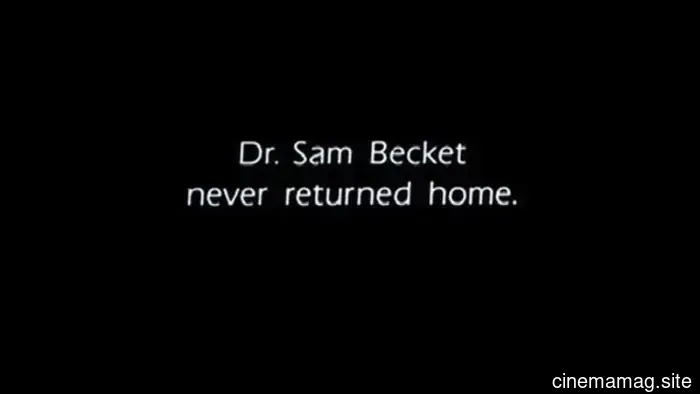
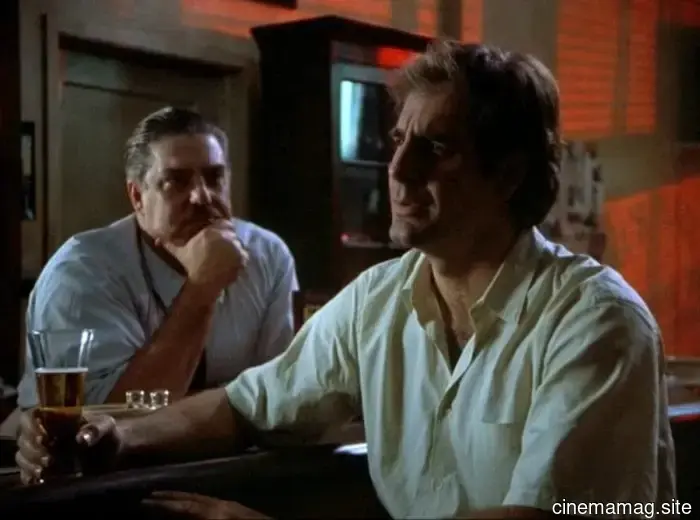
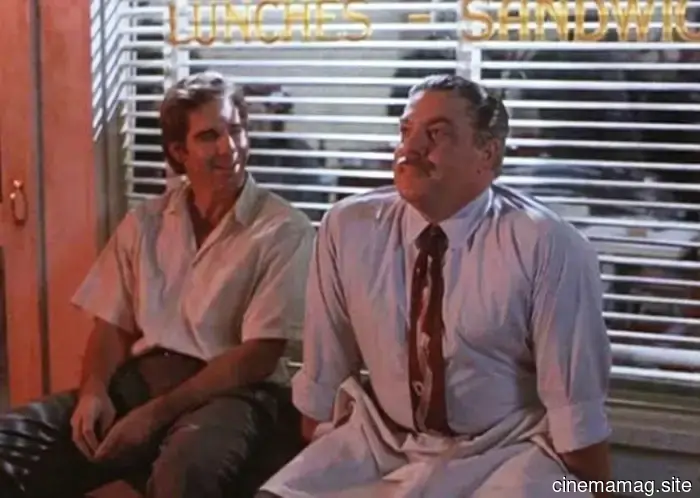
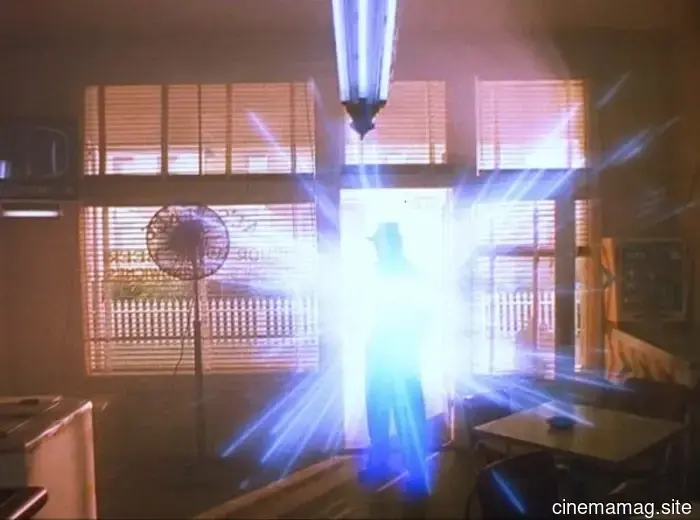
The series finale aired on May 5, 1993. Titled "Mirror Image," it’s a peculiar, elliptical, and intentionally disorienting piece of television crafted partly as a series conclusion and partly as a bridge to a sixth season that NBC had already decided against renewing. The result is a narrative that, against the odds, works remarkably well. It unfolds in a coal-mining bar at the world’s edge, filled with characters who may or may not be real, run by a man named Al (naturally),

Other articles
 10 Irresistible Movies Centered Around Food That Will Definitely Leave You Hungry
Get ready to feel hungry, because these 10 mouthwatering films centered around food are sure to whet your appetite… The combination of food and film has existed for many years. I'm not just referring to an abundance...
10 Irresistible Movies Centered Around Food That Will Definitely Leave You Hungry
Get ready to feel hungry, because these 10 mouthwatering films centered around food are sure to whet your appetite… The combination of food and film has existed for many years. I'm not just referring to an abundance...
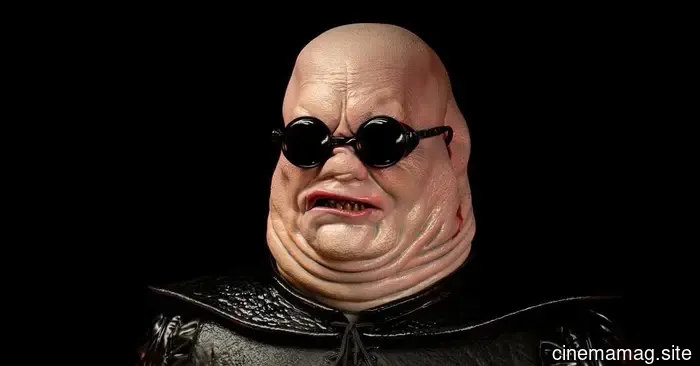 PCS releases a 1:3 scale Butterball collectible statue from Hellraiser.
Premium Collectibles Studio has revealed the 1:3 scale Butterball statue, drawing inspiration from the creepy Cenobite character in the iconic 1987 supernatural horror film Hellraiser. It is now available…
PCS releases a 1:3 scale Butterball collectible statue from Hellraiser.
Premium Collectibles Studio has revealed the 1:3 scale Butterball statue, drawing inspiration from the creepy Cenobite character in the iconic 1987 supernatural horror film Hellraiser. It is now available…
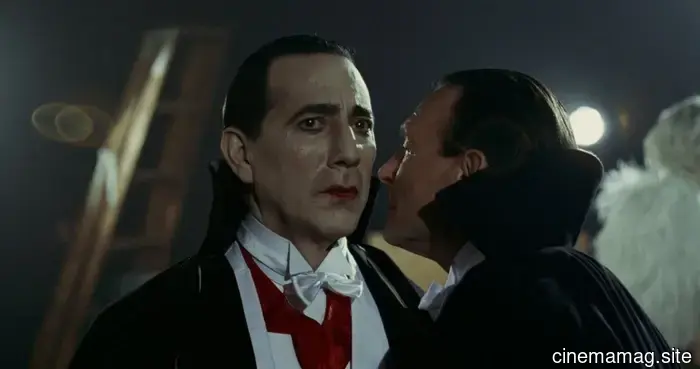 El Drácula español ofrece más terror con el tráiler de Los Vampiros.
Before its world premiere at the Fantasia International Film Festival next month, a trailer for Los Vampires has been released online. This mystery horror film presents a fictionalized account of the...
El Drácula español ofrece más terror con el tráiler de Los Vampiros.
Before its world premiere at the Fantasia International Film Festival next month, a trailer for Los Vampires has been released online. This mystery horror film presents a fictionalized account of the...
 Genndy Tartakovsky is developing an animated series based on Conan the Barbarian in collaboration with Cartoon Network and Prime Video.
Genndy Tartakovsky, the creator of Dexter’s Laboratory and Samurai Jack, is poised to collaborate again with Cartoon Network on an animated series featuring Conan the Barbarian, which is currently in the works for Prime Video. "I’ve be…
Genndy Tartakovsky is developing an animated series based on Conan the Barbarian in collaboration with Cartoon Network and Prime Video.
Genndy Tartakovsky, the creator of Dexter’s Laboratory and Samurai Jack, is poised to collaborate again with Cartoon Network on an animated series featuring Conan the Barbarian, which is currently in the works for Prime Video. "I’ve be…
 10 Mouthwatering Movies About Food Sure to Leave You Hungry
Get ready to feel your stomach grumble, because these 10 delectable movies centered around food are sure to leave you craving more. The connection between food and film has been longstanding. I’m not referring solely to an overwhelming...
10 Mouthwatering Movies About Food Sure to Leave You Hungry
Get ready to feel your stomach grumble, because these 10 delectable movies centered around food are sure to leave you craving more. The connection between food and film has been longstanding. I’m not referring solely to an overwhelming...
The Longest Leap: Three Decades Later, Quantum Leap’s Conclusion Still Hits Hard
Adam Page discusses the gut-wrenching conclusion of Quantum Leap’s notorious finale... There are endings, and then there are endings. Some are neatly tied up with a bow, featuring a kiss at sunset, the her...