

A Cast Too Talented for Such a Poor Film: Collateral Beauty
Matthew Shepherd revisits the 2016 film Collateral Beauty…
Hollywood humiliations are uncommon yet captivating events. This instance does not represent the quiet demise of an overlooked low-budget film; instead, it marks the very public failure of a movie that seemingly had it all — a star-studded cast, an ideal release date, a well-funded awards push, and a captivating trailer that captured the audience's attention. Collateral Beauty, directed by David Frankel in 2016, stands out as the most significant example of a film that should not have flopped, but nonetheless did so spectacularly. When considering the talent involved, the film's downfall becomes almost unfathomable. Yet, once you grasp the film's true nature, it all starts to make sense.
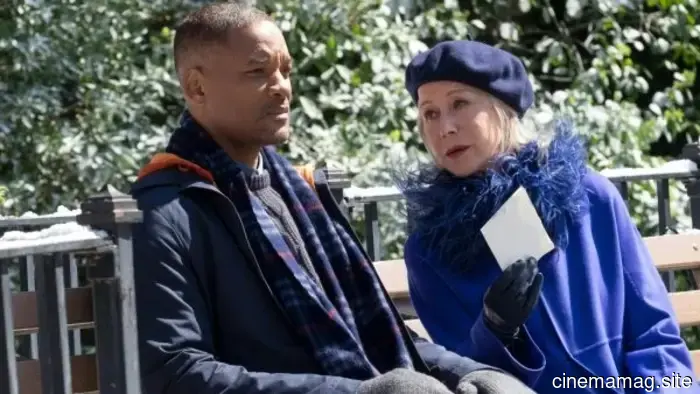
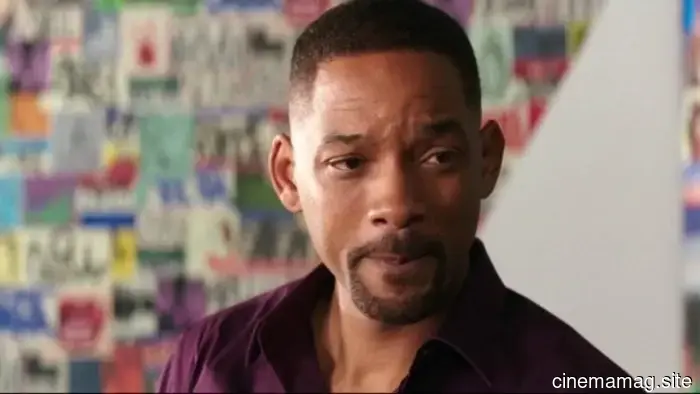
The premise, as promoted, is simple yet emotionally charged. Howard, a high-powered advertising executive from New York portrayed by Will Smith, experiences the tragic loss of his young daughter and completely withdraws from his life. Struggling to cope with his grief, he begins writing letters to abstract ideas — Love, Time, and Death — in an attempt to come to terms with his loss. It presents itself as a prestigious drama centered on themes of grief, loss, and the complexities of human coping — the kind of film the Academy typically favors, appealing to adults who are drawn to emotional storytelling during the holiday movie season.
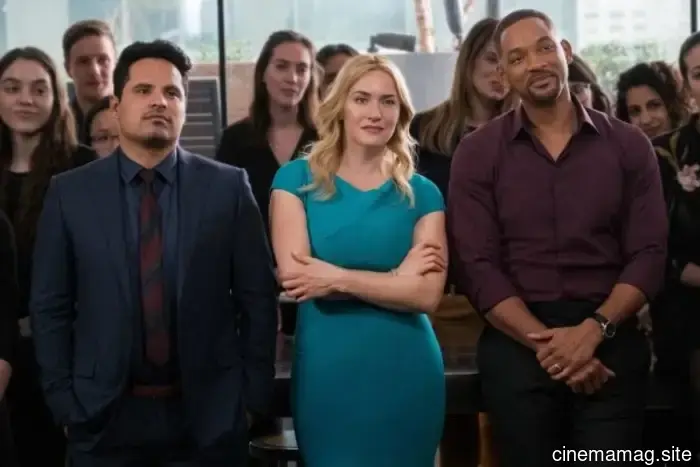
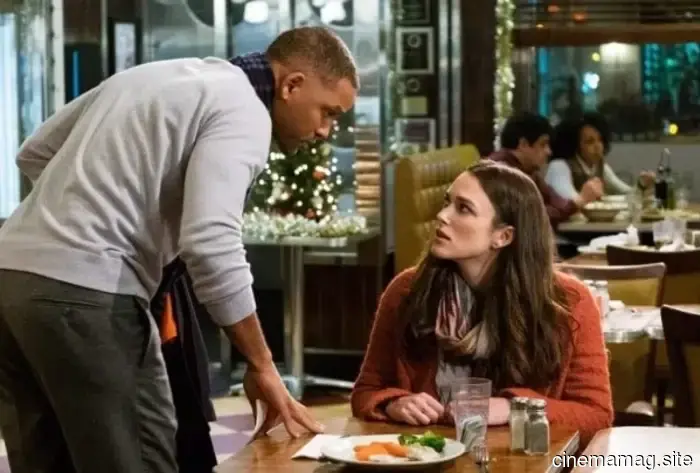
What adds an element of intrigue to Collateral Beauty’s downfall is how it was initially marketed as a major cinematic event. Will Smith, having recently starred in Concussion and Focus, was still a highly bankable figure in Hollywood. The production gathered a cast resembling an industry powerhouse reunion, including Edward Norton, Kate Winslet, Helen Mirren, Keira Knightley, Michael Pena, and Naomie Harris (who would soon win an Oscar for Moonlight). Each member was at a high point in their careers, rallied around a concept that Warner Bros. believed had real awards potential. The film, shot in New York, was scheduled for release on December 16, perfectly timed for Oscar consideration, a period when serious dramatic films are taken seriously.
However, before even filming began, the production faced significant challenges. Initially, Hugh Jackman was set to star, with Rooney Mara alongside him. A creative dispute led to the original director's departure. David Frankel joined the project relatively late, Smith replaced Jackman, and the full cast slowly came together around a script by Allan Loeb that seemingly went unchallenged. The signs of trouble were evident but overlooked.
The first trailer, released in September 2016, was highly effective. It was sentimental, emotionally resonant, featured familiar faces, and suggested a profoundly moving experience. Warner Bros. marketed the film as a contemporary take on A Christmas Carol — a broken man confronted by the embodiments of the very concepts he struggles with, gradually drawn back into life by facing his feelings head-on. Initial audience reactions were positive; the marketing had succeeded, and anticipation grew.
However, the final product only resembled its marketing superficially. Howard's interactions with Love, Time, and Death are not central to the narrative as presented. Instead, the true story revolves around Howard’s colleagues, portrayed by Norton, Winslet, and Pena, who are worried about their company's future and hire actors to embody Love, Time, and Death, exploiting Howard's grief for corporate gain while scheming to make him appear unfit to lead the business. The film audiences expected — one of discovering meaning through transcendence — turned out to be about his closest friends deceiving him during a financial crisis. This stark contrast between expectation and reality did not go unnoticed by viewers and critics, who were quick to express their disappointment.
The critical reception was among the harshest for a film of its type in recent years. Rotten Tomatoes rated it at a mere 14%. A production executive involved with the film described the reviews as a "schoolyard assault." Regardless of the framing, the damage had been done. The film debuted to only $7.1 million, marking the lowest opening weekend of Smith’s career, landing fourth at the domestic box office behind Rogue One, Moana, and La La Land. While it faced stiff competition, given the names attached and the plot promised, expectations were much higher. Ultimately, it grossed $88 million worldwide against a $36 million budget, technically making it profitable yet practically a failure considering the anticipations.
The lingering question is how such a situation arose. The script's key deception — depicting Howard’s friends manipulating a grieving father for financial benefit — is not a minor subplot but the main storyline. Those who read the script before filming must have recognized that the project being produced was not the same as what was marketed. Whether this discrepancy stemmed from a conceptual miscalculation, a deliberate marketing ploy, or a failure to communicate openly in a star-studded environment remains unclear. Even after all these years, no one involved

Otros artículos
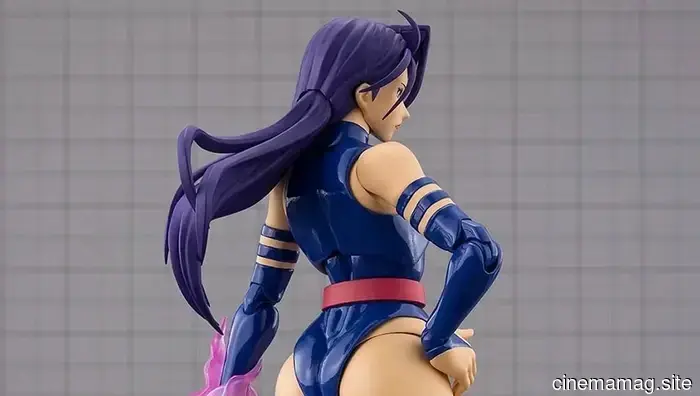 Psylocke is now part of Tamashii Nations' Marvel GamerVerse S.H.Figuarts series with the release of a new action figure.
Tamashii Nations has officially introduced its Psylocke S.H.Figuarts Marvel GamerVerse action figure, joining a lineup that features Wolverine, Cyclops, and Spider-Man, and is inspired by the beloved mutant.
Psylocke is now part of Tamashii Nations' Marvel GamerVerse S.H.Figuarts series with the release of a new action figure.
Tamashii Nations has officially introduced its Psylocke S.H.Figuarts Marvel GamerVerse action figure, joining a lineup that features Wolverine, Cyclops, and Spider-Man, and is inspired by the beloved mutant.
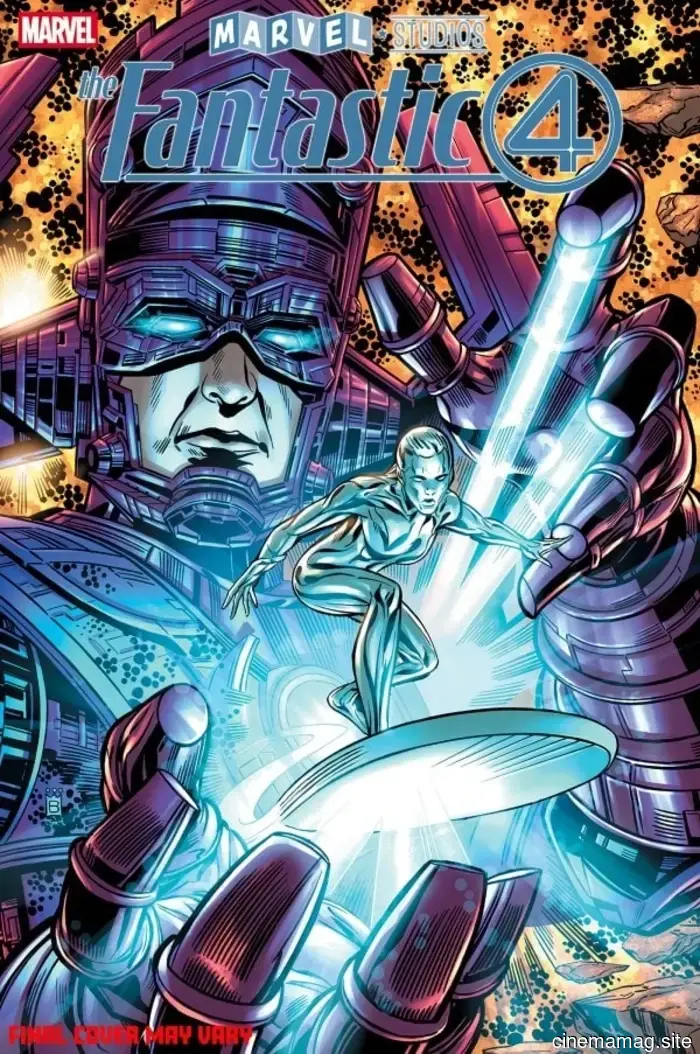 Comic Book Sneak Peek – Fantastic Four: First Foes – Shalla-Bal #1
Marvel Comics returns to the realm of The Fantastic Four: First Steps next week with the debut of Fantastic Four: First Foes – Shalla-Bal #1, and you can take an exclusive look at the issue...
Comic Book Sneak Peek – Fantastic Four: First Foes – Shalla-Bal #1
Marvel Comics returns to the realm of The Fantastic Four: First Steps next week with the debut of Fantastic Four: First Foes – Shalla-Bal #1, and you can take an exclusive look at the issue...
 LEGO introduces a brick-built figure set of E.T. the Extra-Terrestrial.
The LEGO Group has introduced a poseable figure of E.T. the Extra-Terrestrial, crafted from bricks and inspired by the lovable alien's look in Steven Spielberg’s iconic 1982 sci-fi film. The s…
LEGO introduces a brick-built figure set of E.T. the Extra-Terrestrial.
The LEGO Group has introduced a poseable figure of E.T. the Extra-Terrestrial, crafted from bricks and inspired by the lovable alien's look in Steven Spielberg’s iconic 1982 sci-fi film. The s…
A Cast Too Talented for Such a Poor Film: Collateral Beauty
Matthew Shepherd revisits the 2016 film Collateral Beauty… Hollywood embarrassments are uncommon yet intriguing events. Unlike other instances, this is not a discreet demise of a low-budget production…