

15 Movies to Watch at Japan Cuts 2026
Featuring international debuts, a shorts program, and some of the country’s best films in new restorations, 2026's Japan Cuts––taking place from July 8-18 at New York’s Japan Society––is just around the corner. As one of the few festivals in North America that focuses on emerging voices in Japanese cinema, this is likely your only chance to experience many titles in a theater setting. Although it might feel overwhelming to sift through everything, we’re pleased to consolidate recommendations—from established directors to emerging talents, alongside a few classic films that have received well-deserved restorations.
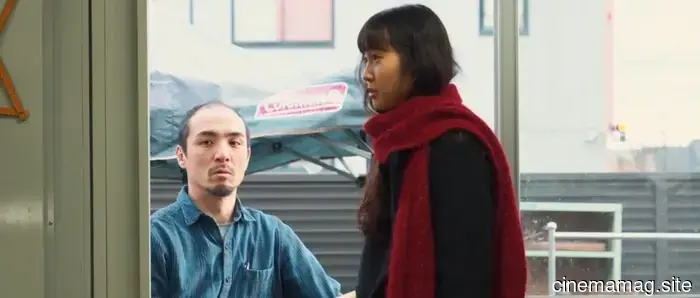
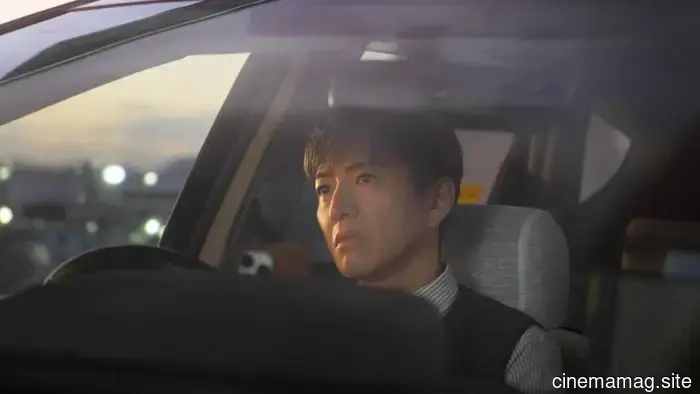
**Brand New Love (Ryuichi Iwakura)**
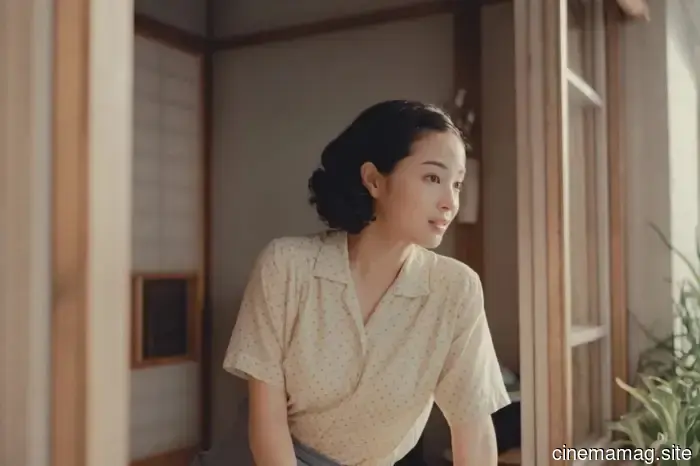
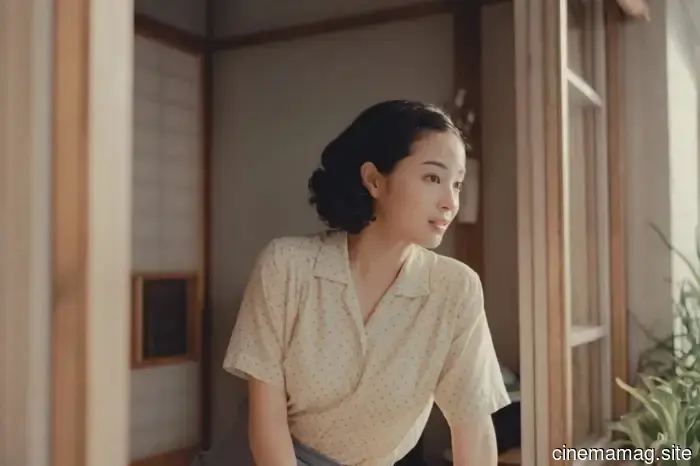
I would characterize Ryuichi Iwakura’s feature debut as a mini-masterpiece of mise-en-scène, leaving it at that. Amid all that is undeniably exceptional in concept, framing, and staging, one striking orchestration around diminishing evening light leads me to suspect that contemporary Japanese cinema is in a post-Hamaguchi phase. More specifically, it would pair well with Sato and Sato mentioned below. Yet, there’s enough uniqueness in its perspective on a faltering relationship, where everything is influenced by an undesired lover’s presence or absence, that I won’t simplify it through comparisons; rather, I hope we will soon be considering films in terms of Iwakura’s vision. – Nick N.
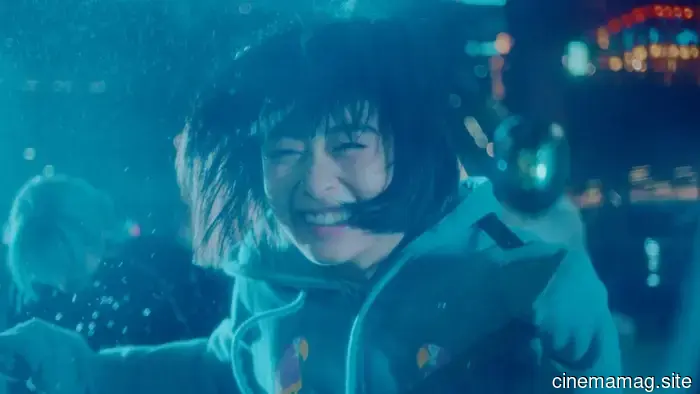
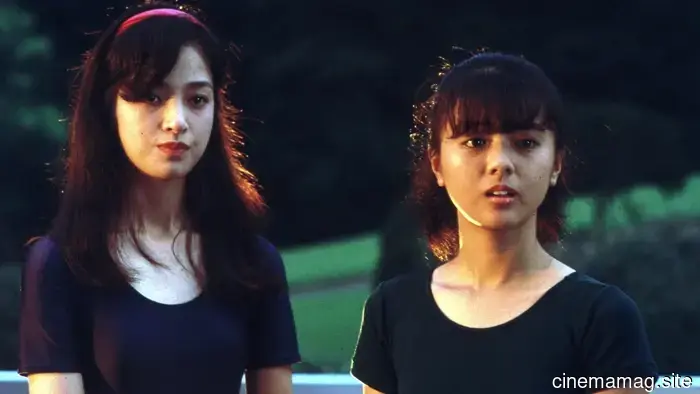
**Burn (Makoto Nagahisa)**
Burn aligns with what I view as "21st-century alternative" Japanese cinema. Beyond the usual festival circuit names (Kurosawa, Hamaguchi, Kawase, Kore-eda), there are directors like the recently divorced Shunji Iwai and this film’s director, Makoto Nagahisa. I've previously seen one of his films, the wonderfully inventive short And So We Put Goldfish in the Pool, and his style is distinct. The tilted frames, blown-out lighting, and vibrant color contrasts are reminiscent of my other favorites from this century, such as All About Lily Chou Chou and Red Post on Escher Street (not to mention Damon Packard’s Fatal Pulse). The story centers on Ju-Ju (Nana Mori)—a young, troubled, abused girl who escapes home and finds comfort with other lost kids in Tokyo’s Shinjuku district—crafted in simple shots. While Nagahisa's compositions may not be particularly adventurous, he transforms this coming-of-age story into one infused with fantasy and surrealism, making each image—consisting of only still shots and pans—imbue an ethereal, otherworldly essence. If the film takes many meandering detours into a less directed narrative, it reflects the aimlessness of its central character. Though it may come across as one of those edgy and pretentious coming-of-age dramas, Nagahisa’s ability to continuously present new textures and sensations keeps Burn lively and captivating. – Soham G.
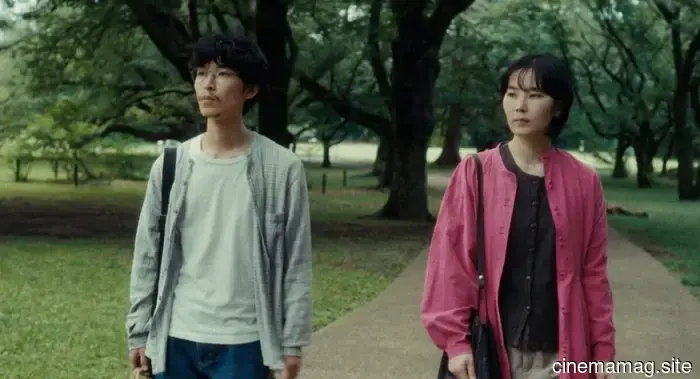
**Leave the Cat Alone (Daisuke Shigaya)**
The impact of Hong Sangsoo on the current cinematic landscape cannot be overstated; his influence is particularly pronounced here. Shigaya, a Millennial himself, has crafted his feature debut around the question of responsibility faced by those in the uncertain transition between young adulthood and the impending arrival of middle age. He captures this quiet discomfort in a skillful manner—often using mirrored reflections to replace the need for cuts, or a subtle Hongian structural shift that goes unnoticed. His formal language develops so smoothly that the initial, occasional camera movements in Leave the Cat Alone seem almost like errors, while a series of elegant panning shots in later stretches unfold undoubtedly. My primary complaint, which often applies to most films, is the absence of any titular cat. – Nick N.
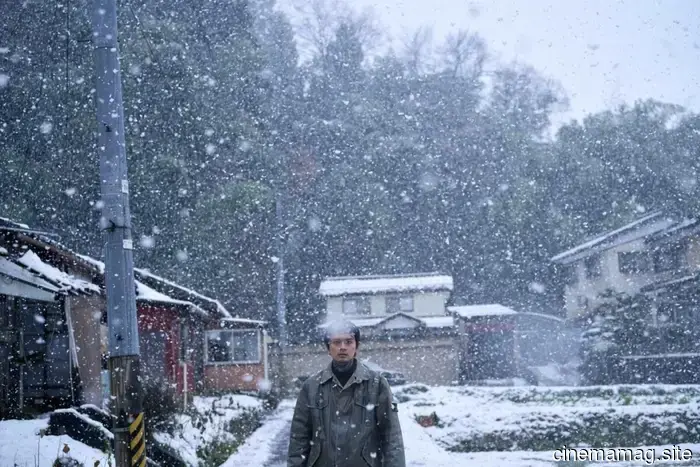
**Numb (Takuya Uchiyama)**
This film may invite criticisms of derivation and exploitation typical of Dardenne-like dramas viewed through the lens of a disabled child. Despite its extended handheld shots reminiscent of the Belgian brothers, Uchiyama captures his protagonist, the mute boy Daichi, in side profiles that highlight the contrast—especially when a character states, “Those eyes of yours… I’ve always hated them”—between our perspective, his perception, and his surroundings. Numb’s many moments of silence emphasize a situational mystery, and as the narrative shifts from adolescence to adulthood (with echoes of Moonlight), there are a few overly simplistic gestures (like Daichi adorned with tattoos and an earring) that nevertheless contribute to character development for an otherwise enigmatic figure. While I can't claim that I found Numb consistently enjoyable, I was struck by how often it proved to be convincing. – Nick N.
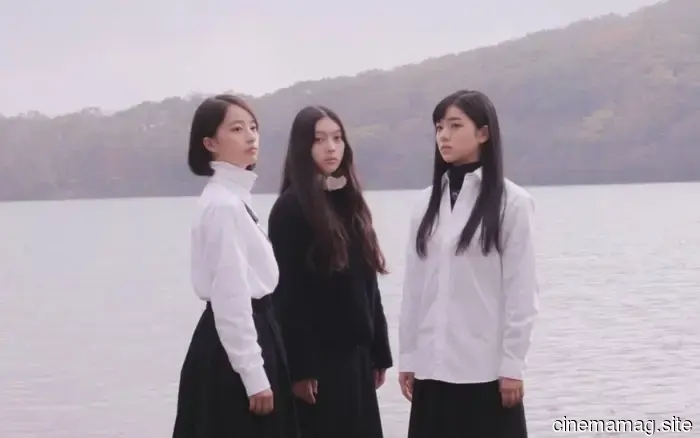
**A Pale View of Hills (Kei Ishikawa)**
Based on the novel by Kazuo Ishiguro, Kei Ishikawa’s A Pale View of Hills is primarily a film about lost memory, functioning, by extension, as a ghost story. It navigates many hidden truths through


Other articles
.jpg) Film Review – The Fetus (2025)
The Fetus, 2025. Directed by Joe Lam. Featuring Bill Moseley, Lauren LaVera, Julian Curtis, Evan Towell, and Ariel Yasmine. SYNOPSIS: A couple finds themselves expecting a half-human, half-demonic fetus that…
Film Review – The Fetus (2025)
The Fetus, 2025. Directed by Joe Lam. Featuring Bill Moseley, Lauren LaVera, Julian Curtis, Evan Towell, and Ariel Yasmine. SYNOPSIS: A couple finds themselves expecting a half-human, half-demonic fetus that…
 Warning Signs: Identifying a Casino You Can't Rely On - MovieMaker Magazine
The majority of licensed casinos are completely safe for gaming. However, a small number are not, and the positive aspect is that they typically reveal their true nature before you have...
Warning Signs: Identifying a Casino You Can't Rely On - MovieMaker Magazine
The majority of licensed casinos are completely safe for gaming. However, a small number are not, and the positive aspect is that they typically reveal their true nature before you have...
.jpg) Film Review – The Fetus (2025)
The Fetus, 2025. Directed by Joe Lam. Featuring Bill Moseley, Lauren LaVera, Julian Curtis, Evan Towell, and Ariel Yasmine. SYNOPSIS: A couple finds themselves expecting a fetus that is both half-human and half-demonic, which…
Film Review – The Fetus (2025)
The Fetus, 2025. Directed by Joe Lam. Featuring Bill Moseley, Lauren LaVera, Julian Curtis, Evan Towell, and Ariel Yasmine. SYNOPSIS: A couple finds themselves expecting a fetus that is both half-human and half-demonic, which…
15 Movies to Watch at Japan Cuts 2026
Featuring international premieres, a shorts program, and some of the best films in Japan’s history with fresh restorations, Japan Cuts 2026 is set to take place from July 8-18 at New York’s Japan Society. As one of the few festivals in North America dedicated to emerging voices in Japanese cinema, it’s probably your only chance to experience many of these films on the big screen.