
The Superhero Genre is Evolving, Not Vanishing
In 2019, superhero films reached a pinnacle that once seemed unattainable. Avengers: Endgame was more than just another blockbuster; it was a true cultural phenomenon. With nearly $3 billion in global earnings, it marked the culmination of a decade-long endeavor that transformed superhero films from sporadic crowd-pleasers into the key focus of Hollywood's blockbuster strategy.
For years, superhero films served as the closest thing to a sure-fire success in cinema. However, six years after Endgame, the situation has changed dramatically. The superhero movie is no longer a guaranteed box office draw. The genre that once reigned supreme in Hollywood now confronts a new reality: high-budget productions failing to meet audience expectations, viewers becoming more discerning, and a rising critique that many films feel increasingly repetitive.
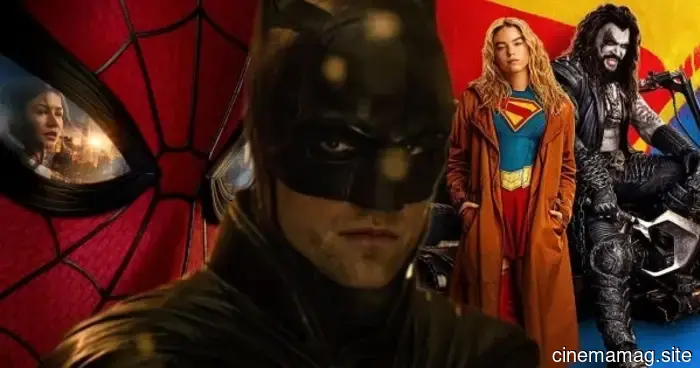
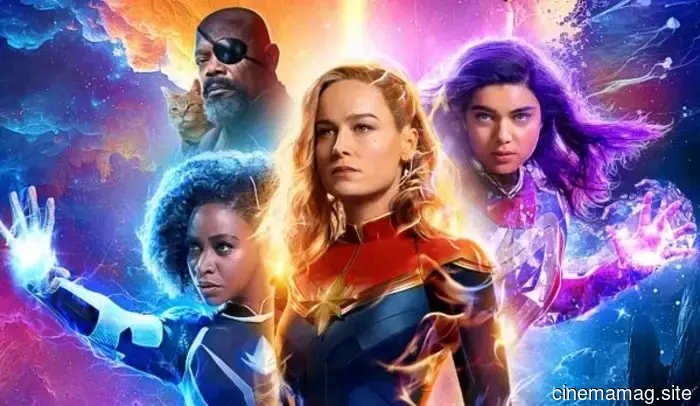
This has resulted in one of the most prevalent narratives in contemporary cinema: superhero fatigue. Following more than a decade filled with capes, cinematic universes, and interconnected stories, audiences appear to have reached a saturation point. Recent misfires from Marvel Studios have only fueled this discourse. Once seen as invincible, the studio has faced a succession of disappointments, with films like Ant-Man and the Wasp: Quantumania and The Marvels not achieving the box office success audiences had come to anticipate. Even well-established characters and long-standing comic book franchises no longer guarantee cultural significance.
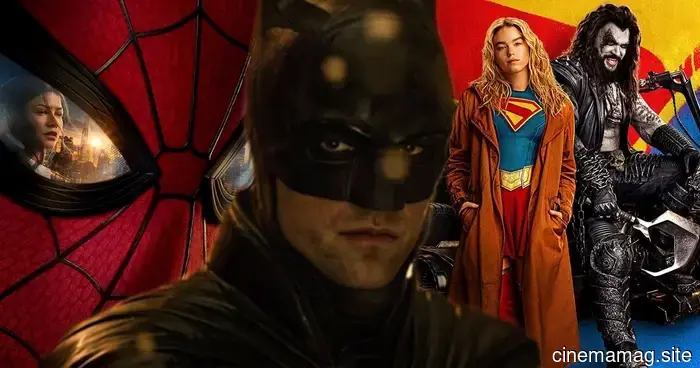
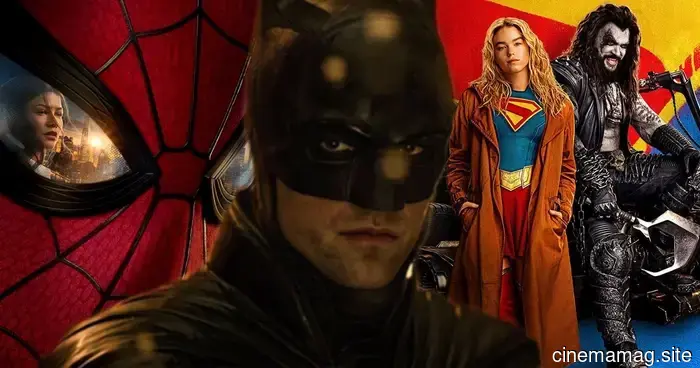
Such uncertainties have also extended to the broader superhero landscape. The underwhelming performance of Supergirl, the latest attempt to expand the new DC Universe, has further sparked questions about whether audiences will still embrace every superhero project merely because it features a recognizable name.
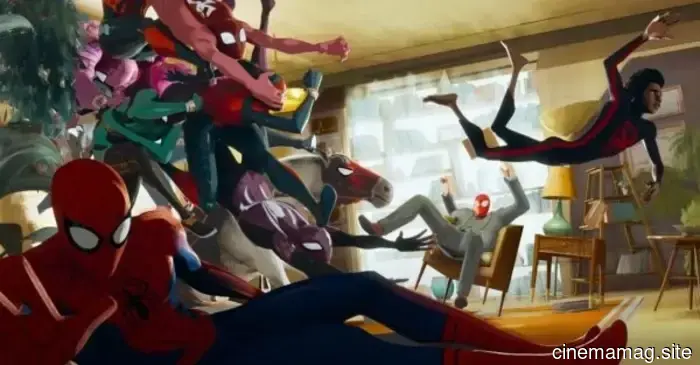
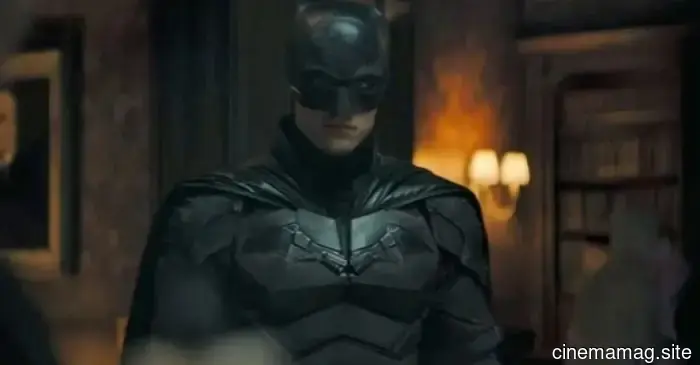
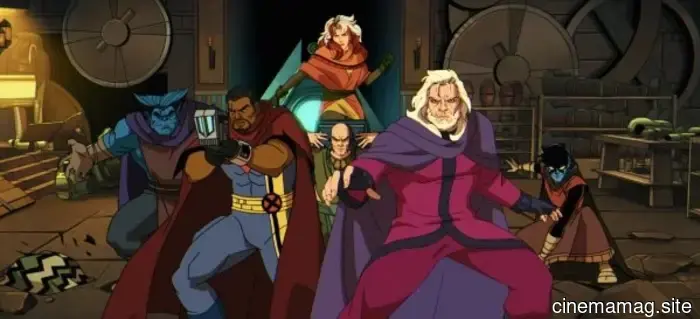
So, is the superhero era finally over? This conclusion may be overly simplistic. While the times of every superhero film becoming a billion-dollar success might be behind us, audiences have not completely forsaken these narratives. Films like The Batman and Spider-Man: Across the Spider-Verse have demonstrated that superhero storytelling can still flourish when it presents something unique, while projects such as X-Men ’97 have shown that viewers remain engaged with these characters when there’s a compelling creative reason to revisit them.
The superhero genre is not dead, as we will explore later. What has concluded is its reign as Hollywood’s primary genre.
The Superhero Movie Was Never Meant to Be Everything
Before Marvel Studios revolutionized the industry, superhero films existed in a different format. They were rare event releases rather than an entire cinematic framework. Movies like Spider-Man, the X-Men franchise, and The Dark Knight flourished because audiences were invested in particular characters and the filmmakers who brought them to life, not because they were essential components of a grander scheme.
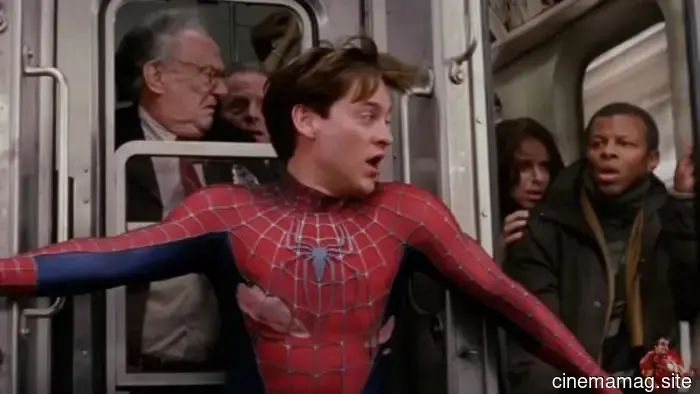
A superhero film did not need to pave the way for future projects; it simply had to narrate a satisfying story. Sam Raimi’s second Spider-Man film remains a prime example of this approach. Although featuring a hero with remarkable abilities, the film primarily centered on Peter Parker’s personal dilemmas: his interactions, his obligations, and the challenge of balancing an ordinary life with the extraordinary responsibilities of being a superhero. The narrative existed not to expand a universe but to delve into a character.
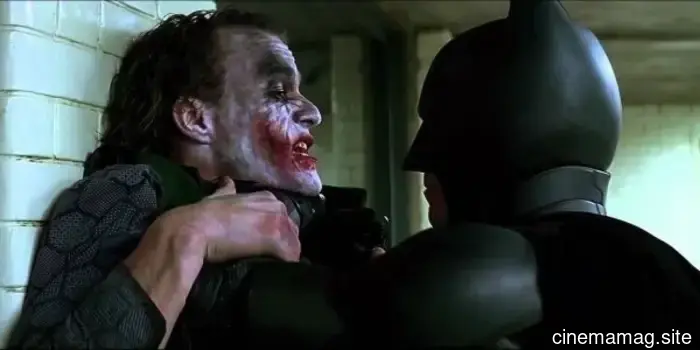
Christopher Nolan’s The Dark Knight trilogy took this concept even further, rooting Batman in a universe that resembled a crime thriller more than a typical comic book adventure. Nolan’s films regarded Batman’s adversaries as integral to Bruce Wayne’s personal journey rather than as potential spin-offs. The Joker, Two-Face, and Bane were there to serve the story rather than to set up further installments.
This blending of genres helped elevate The Dark Knight beyond typical comic book movie expectations, earning widespread acclaim and over $1 billion globally. But everything shifted in 2008 with the debut of Iron Man.
Marvel Studios’ inaugural film demonstrated that superhero movies could function as segments within a collective universe. Individual narratives could lead to larger events, encouraging audiences to follow an entire universe rather than just one character.
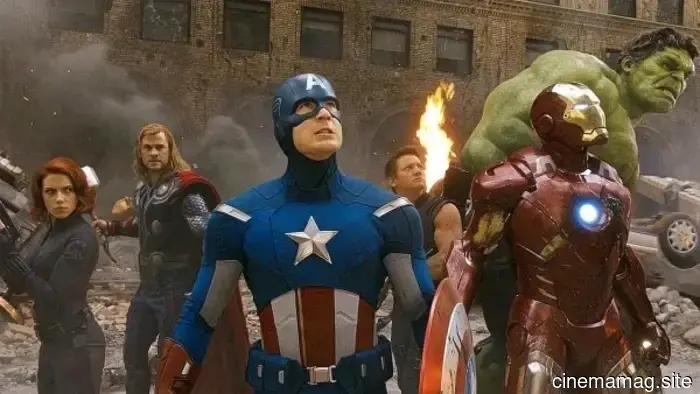
When The Avengers premiered in 2012 and became a worldwide sensation, Hollywood took notice. Marvel had created a template that every major studio sought to replicate.
This spurred a rush of superhero films, with studios eager to create cinematic universes, interconnected franchises, and countless spin-offs, hoping to capture the same level of audience loyalty that Marvel cultivated over the years. Consequently, the superhero genre became Hollywood’s preferred business model, a model that was always going to be challenging to maintain.
When Every Superhero Movie Had to Save the World
The decline in interest in the genre can be attributed to several factors. First, as superhero films became some of the highest-grossing movies globally, each new release was expected to be bigger, louder, and more spectacular than its predecessor.
The Avengers concluded with a small group of heroes defending New York from an alien invasion. The follow-up, Avengers: Age of Ultron, responded by assembling an even larger team of heroes, raising a city into the sky and introducing a threat of worldwide annihilation

Other articles
 The Superhero Genre is Evolving, Not Vanishing
In 2019, superhero films achieved a level of success that previously felt unattainable. Avengers: Endgame transcended the standard blockbuster release, becoming a true cultural phenomenon. It grossed nearly a billion worldwide...
The Superhero Genre is Evolving, Not Vanishing
In 2019, superhero films achieved a level of success that previously felt unattainable. Avengers: Endgame transcended the standard blockbuster release, becoming a true cultural phenomenon. It grossed nearly a billion worldwide...
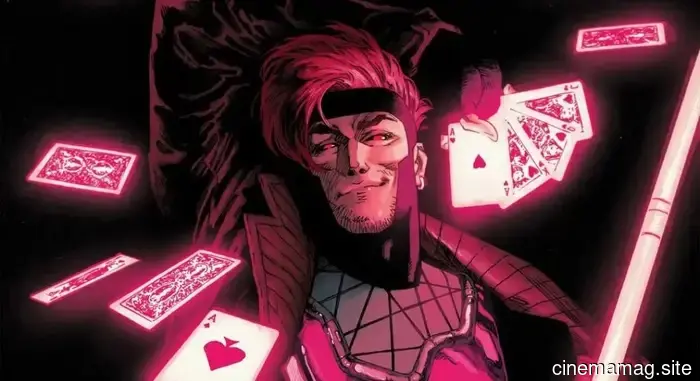 Comic Book Sneak Peek – Gambit: Wanted #1
Marvel Comics will be releasing Gambit: Wanted #1 this Wednesday, and you can take a look at the issue with the official preview below… TARGET: REMY LeBEAU! Prepare yourself, mes amis, as G…
Comic Book Sneak Peek – Gambit: Wanted #1
Marvel Comics will be releasing Gambit: Wanted #1 this Wednesday, and you can take a look at the issue with the official preview below… TARGET: REMY LeBEAU! Prepare yourself, mes amis, as G…
The Superhero Genre is Evolving, Not Vanishing
In 2019, superhero films reached a pinnacle that once appeared unattainable. Avengers: Endgame was more than just another blockbuster; it became a true cultural phenomenon, grossing nearly a billion worldwide...