
A Serbian Odyssey, Film of the Year, and Other Highlights from the 2026 Karlovy Vary International Film Festival
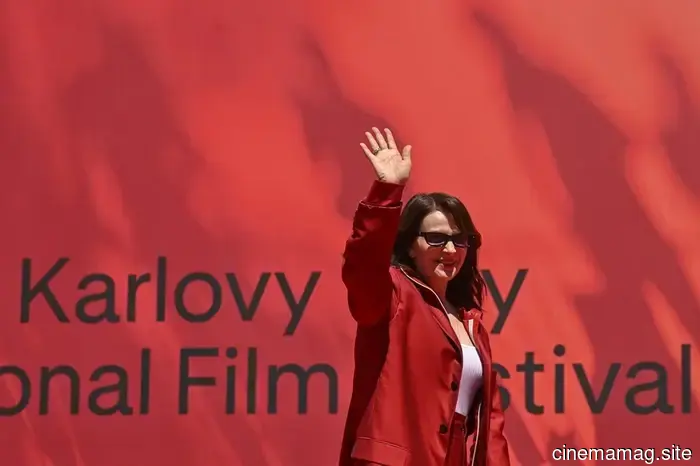
As far as capturing attention goes, July 2026 is certainly a challenge. With the first summer World Cup in the TikTok era, which FIFA surely revels in, it is likely to be one of the most-watched events in history. Amidst a certain Homeric epic captivating moviegoers, it's easy to overlook that a major film festival recently celebrated its 60th edition.
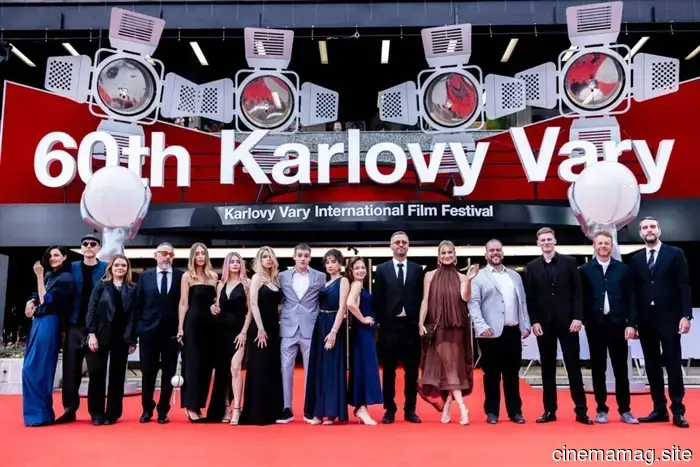
The Karlovy Vary Film Festival truly began in 1946, just weeks after the inaugural event in Cannes. This year marks its milestone 60th anniversary, having transitioned from a biennial to an annual event since the 1990s. Over these years, the Velvet Revolution occurred, the Soviet Union expanded and dissolved, and the host country of this prestigious festival changed its name and borders multiple times. While Lionel Messi continues to perform at age 39, he still has a long journey to match such endurance and resilience.
To honor this significant anniversary, the festival has been actively preparing: embracing a striking red color palette for its merchandise and posters, and attracting an impressive lineup of celebrities and recognizable critics. Additionally, a special sidebar titled 60/80 (referring to the current edition and its vintage) has been introduced, showcasing a diverse collection of beloved films from the past, including the lesser-known Australian gem Captain Thunderbolt and Ken Loach’s Kes, which are among the few films from capitalist nations screened at the festival during its time as a cultural extension of the USSR.
Looking two decades ahead to the creation of an 80/100 edition, it's difficult to predict if any film from this year's selection will warrant consideration. If I were to speculate, the most likely candidate would be Miroslav Terzić’s 3 Weeks After—a notable work, albeit in a way that might evoke memories of an ingrown toenail or a stomach ulcer. Indeed, 3 Weeks After is hardly a film for the faint-hearted, but it undeniably leaves a lasting impression—even if Justin Chang’s jury (which awarded the main prize to Aung Phyoe’s visually stunning Fruit Gathering from Myanmar) seemed to hold a different opinion.
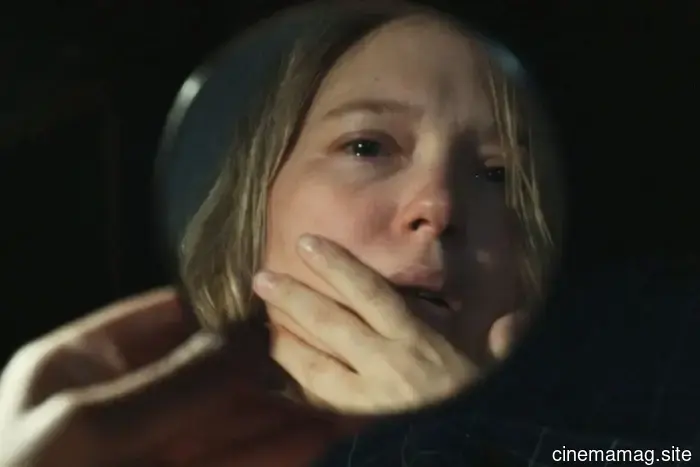
3 Weeks After follows a group of Serbian teenagers on a school trip that takes a disastrous turn, forcing them and their two unfortunate teachers to seek shelter in a remote hotel. Until that moment, Terzić's film is a volatile mix of youthful tension that barely remains contained in its nerve-wracking opening act. Much of this tension unfolds during the bus journey, where a reclusive young man named Zoza (Jovan Ginić) tries to avoid attracting the attention of a raucous crowd in the back. The situation worsens when one of the girls secretly brings aboard a skinhead named Milos (Andrija Markovic), who happens to be Zoza’s primary tormentor.
No other film at Karlovy this year sparked as much discussion, with critics divided over its themes of nihilism and brutality. Terzić’s film lacks subtlety, but it effectively conveys its message without a single gratuitous or violent image. Naturally, it brings to mind the recent Netflix hit Adolescence (part of a trend I’ve begun to label as Millennial Panic), yet it also embodies aesthetic influences from Gus Van Sant’s Elephant and Gaspar Noé’s works. The camera constantly trails the characters or observes them from afar, underscoring Tozkic’s vulnerability in a world devoid of the will or even the vocabulary to save him. It's a provocatively insightful film about bullying, Balkan history, and perhaps fascism, which I would recommend viewing with caution.
Another noteworthy film is the Colombian Five Years, Four Months—a similarly titled but entirely unrelated work that follows a grieving mother’s quest to find the remains of her missing son. This topic has inspired numerous stories recently (with themes appearing in various works like Emilia Pérez, I’m Still Here, and the show Say Nothing), but few have articulated their messages with the same conciseness, elegance, and creativity as directors Juan Miguel Gelacio and Esteban Hoyos García managed here. This film is fundamentally about grief, but it equally emphasizes themes of community, solidarity, and the presence of ghosts: a narrative where adversity often leads to acts of kindness, and where brightness prevails despite the somber atmosphere. At just 83 minutes, it quickly captures your attention and leads you to one of the best conclusions I've seen this year.
In the six years I’ve attended the festival since 2018, I still reflect on Radu Jude’s Crystal Globe winner from that year, We Will Not Go Down in History as Barbarians, which transformed Jude from an eccentric figure of the Romanian New Wave to arguably the most exciting director in the country. Interestingly, Jude also appeared in my favorite film at KVIFF this year: Arthur Harari’s The Unknown, in which he gives a compelling performance as a grieving father who enjoys quoting Marcus Aurelius.
Much has already been said about this intriguing film
Other articles
.jpg) Film Review – Pruning the Rosebush (2026)
Rosebush Pruning, 2026. Directed by Karim Aïnouz. Featuring Callum Turner, Riley Keough, Jamie Bell, Lukas Gage, Elena Anaya, Tracy Letts, Elle Fanning, and Pamela Anderson. SYNOPSIS: A family facing challenges…
Film Review – Pruning the Rosebush (2026)
Rosebush Pruning, 2026. Directed by Karim Aïnouz. Featuring Callum Turner, Riley Keough, Jamie Bell, Lukas Gage, Elena Anaya, Tracy Letts, Elle Fanning, and Pamela Anderson. SYNOPSIS: A family facing challenges…
.jpg) Film Review – Pruning the Rosebush (2026)
Rosebush Pruning, 2026. Directed by Karim Aïnouz. Featuring Callum Turner, Riley Keough, Jamie Bell, Lukas Gage, Elena Anaya, Tracy Letts, Elle Fanning, and Pamela Anderson. SYNOPSIS: A family facing challenges...
Film Review – Pruning the Rosebush (2026)
Rosebush Pruning, 2026. Directed by Karim Aïnouz. Featuring Callum Turner, Riley Keough, Jamie Bell, Lukas Gage, Elena Anaya, Tracy Letts, Elle Fanning, and Pamela Anderson. SYNOPSIS: A family facing challenges...
 A Serbian Odyssey, Film of the Year, and Other Highlights from the 2026 Karlovy Vary International Film Festival
When it comes to capturing your attention, July 2026 isn't helping much. As the premier summer World Cup in the TikTok era, much to FIFA's dismay, it is undoubtedly contending for the title of the most-watched event in human history. Given that a certain monumental epic is currently dominating the cinema landscape, you might be inclined to forgive...
A Serbian Odyssey, Film of the Year, and Other Highlights from the 2026 Karlovy Vary International Film Festival
When it comes to capturing your attention, July 2026 isn't helping much. As the premier summer World Cup in the TikTok era, much to FIFA's dismay, it is undoubtedly contending for the title of the most-watched event in human history. Given that a certain monumental epic is currently dominating the cinema landscape, you might be inclined to forgive...
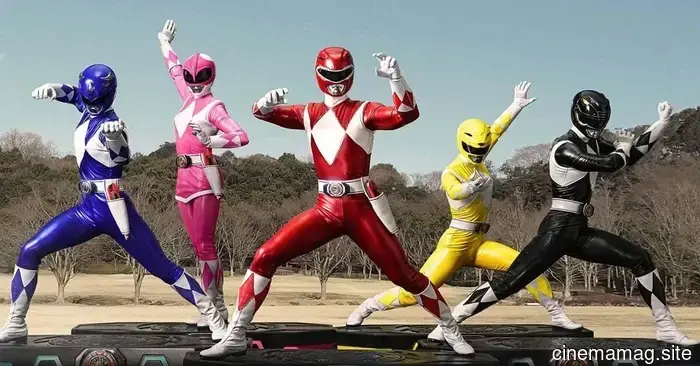 Prime 1 Studio has revealed the Mighty Morphin Power Rangers 5-Ranger Premium Masterline Series collectible set.
Prime 1 Studio has officially introduced its Premium Masterline Series 1:4 scale deluxe bonus version statue, showcasing the original Red, Black, Blue, Yellow, and Pink Rangers from Saban…
Prime 1 Studio has revealed the Mighty Morphin Power Rangers 5-Ranger Premium Masterline Series collectible set.
Prime 1 Studio has officially introduced its Premium Masterline Series 1:4 scale deluxe bonus version statue, showcasing the original Red, Black, Blue, Yellow, and Pink Rangers from Saban…
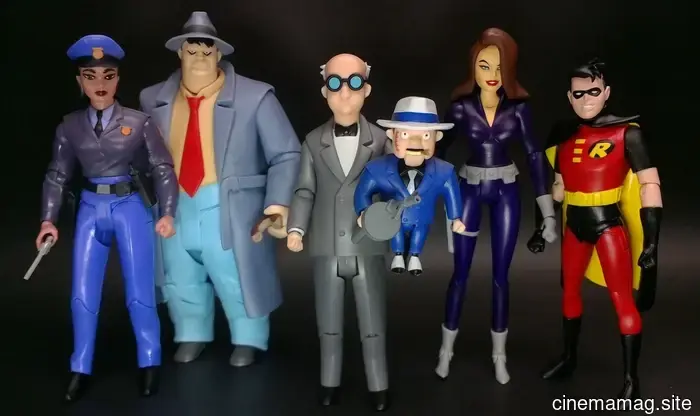 McFarlane Toys introduces fresh action figures from Batman: The Animated Series.
McFarlane Toys has officially announced its upcoming series of action figures inspired by Batman: The Animated Series. This wave includes Robin, Talia Al Ghul, Detective Bullock, and Ventriloquist with Scarface, each of which…
McFarlane Toys introduces fresh action figures from Batman: The Animated Series.
McFarlane Toys has officially announced its upcoming series of action figures inspired by Batman: The Animated Series. This wave includes Robin, Talia Al Ghul, Detective Bullock, and Ventriloquist with Scarface, each of which…
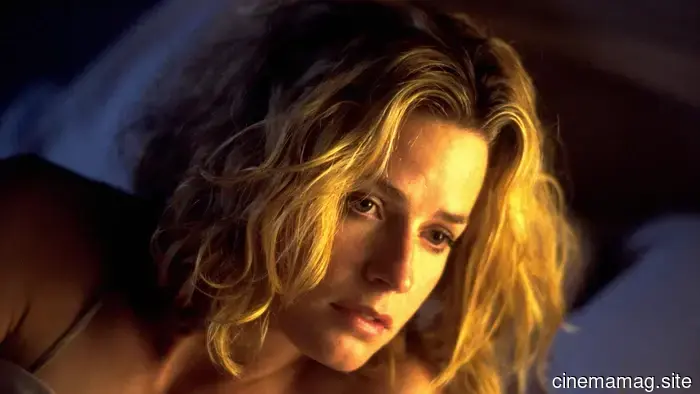 7 Films So Remarkable That We Won't Rewatch Them
Here are seven films that are so remarkable we won't view them a second time.
7 Films So Remarkable That We Won't Rewatch Them
Here are seven films that are so remarkable we won't view them a second time.
A Serbian Odyssey, Film of the Year, and Other Highlights from the 2026 Karlovy Vary International Film Festival
When it comes to capturing your interest, July 2026 isn't exactly helping. This first summer World Cup of the TikTok era is undoubtedly a top contender for the most-watched event in human history, much to FIFA's dismay. With a certain Homeric epic currently dominating the cinematic landscape, you could be forgiven for...