

What the Box Office Successes of 2026 Indicate
The box office for 2026 is thriving, surpassing 2025's earnings at this time last year. What insights can we draw from the successes and failures?
Just a few years back, there was a genuine concern that cinema and the experience of watching films on the big screen might be permanently harmed. While it’s undeniable that the industry continues to face challenges, the notion that theatrical distribution could collapse in the age of streaming and shifting audience preferences seemed exaggerated, although not completely unfounded.
Following the COVID-induced downturn of 2020, recovery signs emerged, with significant gains in 2025 driven by a timely Avatar release and the astonishing success of China’s Ne Zha 2, which amassed $2.2 billion globally, primarily from the domestic Chinese market. While a major triumph in the East may not have much impact on the West, the US box office in 2025 still brought reasons to celebrate. As we approach a weekend featuring Spider-Man's return to theaters—tracking to comfortably exceed a billion dollars—there are additional grounds for optimism. Currently, 2025’s figures are approximately 10% higher than those of 2025 at the same time last year, and by year-end, it’s expected to surpass 2025’s total.
The standout films and unexpected triumphs this year indicate various factors contributing to this boost. Recent years have yielded mixed results for sequels, reboots, and established intellectual properties (IPs). Many entries, like Masters of the Universe and Supergirl, have underperformed at the box office. For Masters, being a major Amazon original altered its success metrics, with its box office figures enhancing its streaming presence. While many labeled it a flop, the narrative is more nuanced, and several outlets that criticized it are now publishing redemption pieces after it surged to the top of Prime’s charts with impressive viewing numbers. Supergirl also has a streaming platform to support it.
However, if we examine the theatrical performances alone, the less-than-stellar results for Masters and Supergirl suggest: IPs succeed if they are A-list or if anticipation has been adequately built. Supergirl has consistently struggled. We’ve seen a failed movie and TV shows that lacked significant fanfare. Given that even Superman had a lackluster recent box office return (despite a successful streaming run afterwards), Supergirl was always destined for difficulty. Superman is a premiere comic book character; his cousin is not. Regarding Masters, if Dolph Lundgren’s film from 1987 came too late to capitalize on the He-Man craze, by 2026, its relevance had significantly faded. Still, the vibrant elements of the new adaptation couldn’t attract kids to theaters, though they could engage Prime viewers.
To ensure big-screen success at the big-budget level, there’s a need for time to generate anticipation. Arriving seven years after the last installment, Toy Story 5 is a guaranteed hit, having already grossed over a billion (and counting). It’s Pixar’s foundational property and its most recognizable brand. Similarly, after the success of the first major animated feature for Super Mario, the new film, The Super Mario Galaxy Movie, has also surpassed a billion at the box office. The Devil Wears Prada 2, while not exactly a low-budget production, was inexpensive relative to typical comic book films. With 20 years of anticipation, a cult following, and minimal competition, it netted nearly $700 million.
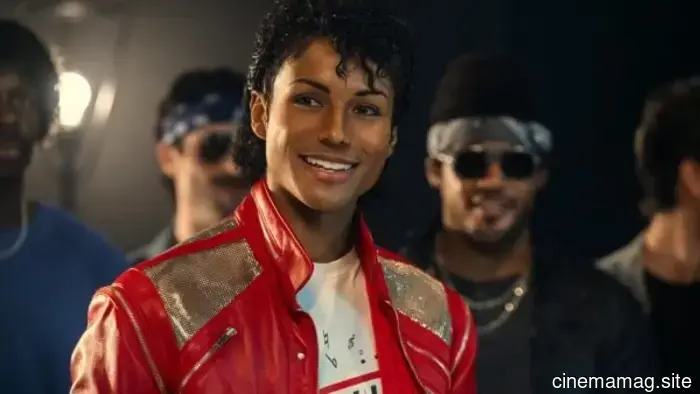
In recent times, music biopics have also found popularity when conditions are right, whether it’s Taylor Swift’s hit concert film or Bohemian Rhapsody. Again, the presence of globally renowned stars is essential. Although A Better Man received critical praise, it cast a relatively unknown pop star (Robbie Williams) and failed to resonate at the box office outside the UK. On the other hand, a lavish adaptation of Michael Jackson’s pivotal solo career years, despite critical reception, resonated with fans and grossed over a billion worldwide.
We've also observed a continued demand for star-driven projects that resonate at the right moment, with Project Hail Mary, propelled by Ryan Gosling’s charm and positive word-of-mouth, accumulating almost $700 million. Though it was adapted, it lacks the pop-cultural weight of significant IPs. Utilizing recognizable space adventure tropes, it incorporated elements that have historically drawn large audiences.
Meanwhile, The Odyssey has been sailing smoothly towards the billion-dollar mark (even as Peter Parker’s arrival might slightly steer it off course). The key to The Odyssey's success lies in the fact that major cinematic hits often rely on spectacle. Audiences are drawn to impressive visuals, awe, and wonder. Consequently, Christopher Nolan has become essential viewing not only for cinephiles but also for general audiences. He has the ability to turn genres and projects that wouldn’t typically scream box office gold into explosive hits. A significant factor is Nolan's talent for crafting awe-inspiring spectacles, and his reliance on practical effects has become almost a










Other articles
 In the trailer for the fantasy comedy Wicker, Olivia Colman is captivated by Alexander Skarsgård's wicker man.
Black Bear has released the initial trailer for Wicker, an upcoming adaptation of Ursula Wills' celebrated short story The Wicker Husband, directed and written by Alex Huston Fischer and Eleanor Wilson. The…
In the trailer for the fantasy comedy Wicker, Olivia Colman is captivated by Alexander Skarsgård's wicker man.
Black Bear has released the initial trailer for Wicker, an upcoming adaptation of Ursula Wills' celebrated short story The Wicker Husband, directed and written by Alex Huston Fischer and Eleanor Wilson. The…
 Hasbro has unveiled new action figures for Transformers: Age of the Primes.
In addition to the recently announced wave of Studio Series action figures inspired by movies, Hasbro has revealed a range of upcoming releases for Transformers: Age of the Primes, featuring characters like Wild Rider and Alph…
Hasbro has unveiled new action figures for Transformers: Age of the Primes.
In addition to the recently announced wave of Studio Series action figures inspired by movies, Hasbro has revealed a range of upcoming releases for Transformers: Age of the Primes, featuring characters like Wild Rider and Alph…
 Creating Cinema Outside Hollywood: An Insight into Yalan Hu's Vision for Independent Film - MovieMaker
In 2017, Yalan Hu made a choice that altered the course of her career. Following six years as a director and line producer at HBTV in Wuhan, where she managed
Creating Cinema Outside Hollywood: An Insight into Yalan Hu's Vision for Independent Film - MovieMaker
In 2017, Yalan Hu made a choice that altered the course of her career. Following six years as a director and line producer at HBTV in Wuhan, where she managed
 How Casino Brands Establish Screen Presence Beyond Product Placement - MovieMaker Magazine
Casino brands don't require a game screen, logo zoom, or branded props to create a recognizable identity. They can opt to conduct an interview, brief
How Casino Brands Establish Screen Presence Beyond Product Placement - MovieMaker Magazine
Casino brands don't require a game screen, logo zoom, or branded props to create a recognizable identity. They can opt to conduct an interview, brief
 The trailer for Attack of the Killer Tomatoes: Organic Intelligence revives the cult classic franchise.
The cult classic horror-comedy franchise Attack of the Killer Tomatoes is making its comeback next week with the reboot Attack of the Killer Tomatoes: Organic Intelligence, and the official trailer has been released online.
The trailer for Attack of the Killer Tomatoes: Organic Intelligence revives the cult classic franchise.
The cult classic horror-comedy franchise Attack of the Killer Tomatoes is making its comeback next week with the reboot Attack of the Killer Tomatoes: Organic Intelligence, and the official trailer has been released online.
 Creating Cinema Beyond Hollywood: Exploring Yalan Hu's Perspective on Independent Filmmaking - MovieMaker
In 2017, Yalan Hu chose to change the direction of her career. Following six years as a director and line producer at HBTV in Wuhan, where she managed
Creating Cinema Beyond Hollywood: Exploring Yalan Hu's Perspective on Independent Filmmaking - MovieMaker
In 2017, Yalan Hu chose to change the direction of her career. Following six years as a director and line producer at HBTV in Wuhan, where she managed
What the Box Office Successes of 2026 Indicate
The 2026 box office is booming and has surpassed 2025's earnings from this same period last year. What insights can we glean from the successes and failures? A few years back, it appeared that there was a genuine likelihood that…