
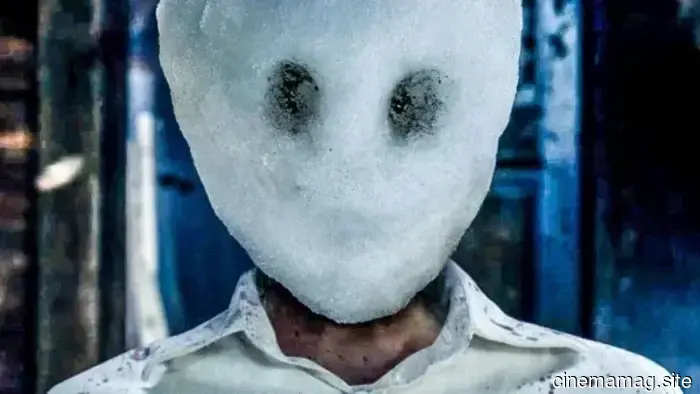
The Snowman: The Big Hit That Remained Unfinished
Matthew Shepherd discusses the 2017 Jo Nesbo adaptation, The Snowman…
Typically, when a film is receiving negative reviews from critics before its wide release, directors choose to remain silent. They often issue a carefully crafted statement about their artistic vision, defer to audience opinions, and allow the conversation to progress. However, Tomas Alfredson took a different approach. In an interview with Norwegian broadcaster NRK, published prior to The Snowman’s debut in American theaters, the director of Let the Right One In and Tinker Tailor Soldier Spy articulated exactly why his film fell short: “Our shoot time in Norway was way too short. We didn’t capture the entire story, and as we began to edit, we realized that a lot was missing. It's like completing a large jigsaw puzzle but with a few pieces absent, so the full image isn't visible." He estimated that about 10 to 15 percent of the screenplay was never filmed. Alfredson’s candid acknowledgment of this, shared publicly before the film's wide release, especially given its $35 million Universal budget with Michael Fassbender in the lead, remains one of the most striking revelations in recent studio filmmaking. Once you've seen The Snowman, it's completely understandable.
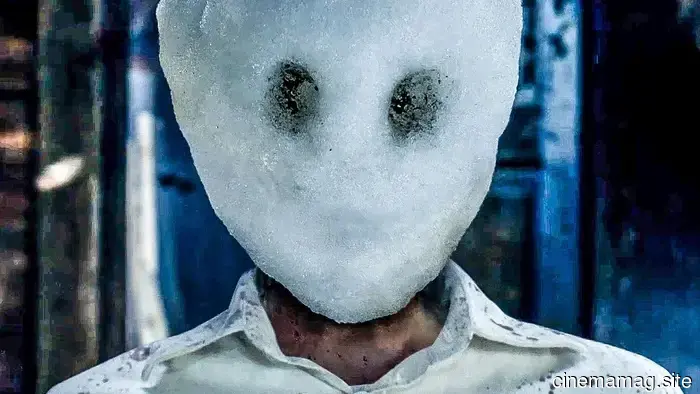
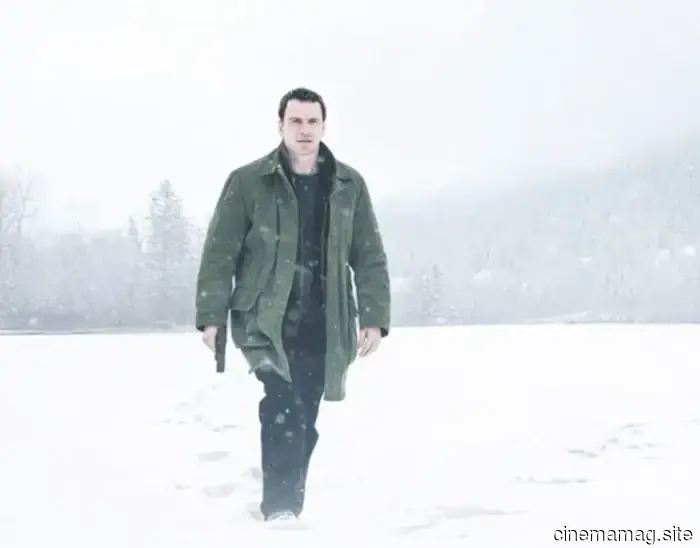
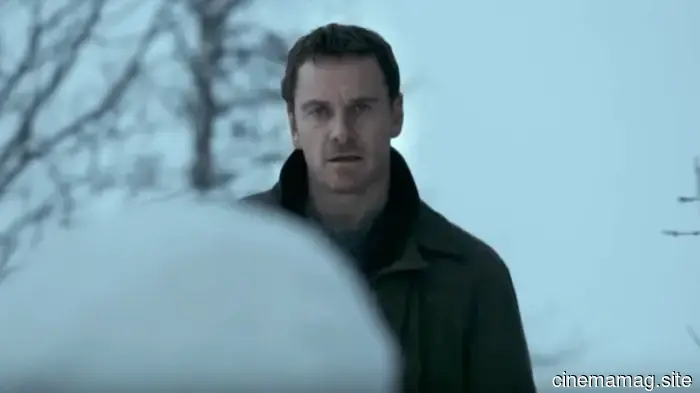
The concept had all the elements necessary for success. Harry Hole — a name the film embraces earnestly — is a disillusioned, alcoholic detective from Oslo, portrayed by Fassbender, who begins looking into the disappearance of a woman whose scarf is discovered wrapped around a snowman outside her residence. The murderer places snowmen at each crime scene as a signature, and the investigation ties to a series of past disappearances that Hole's new partner, played by Rebecca Ferguson, has been discreetly examining for years.
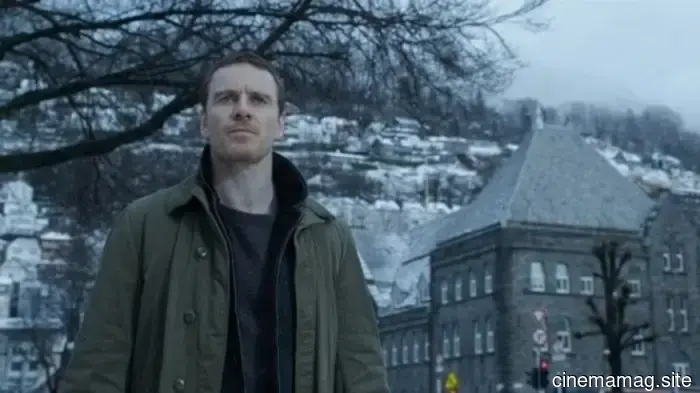
It follows a traditional serial killer procedural format, based on what many consider Jo Nesbø’s best Harry Hole novel, featuring a cast that includes Charlotte Gainsbourg, J.K. Simmons, and Val Kilmer alongside Fassbender and Ferguson. The Norwegian wintry landscape should have provided a visually striking atmosphere. On paper, The Snowman was poised to be the kind of serious, high-profile crime thriller that studios commonly greenlight due to its reliable components.
However, the production history reveals a different reality. The Snowman was initially slated to be directed by Martin Scorsese, who had been associated with the project since around 2015 before stepping back into an executive producer role. When Alfredson stepped in as director, the project was already well under development and had considerable momentum. Production was expedited once Alfredson was on board, and the shoot in Norway — reliant on specific winter conditions that couldn’t be replicated or rescheduled — fell critically short of time. Whole scenes from the screenplay were never filmed. The editors tasked with piecing together a coherent film from the existing footage included Thelma Schoonmaker, a three-time Academy Award winner known for her work on Goodfellas, Raging Bull, and The Departed. The inability of Schoonmaker to salvage the material reflects the significant amount of missing content, not a deficiency in her skills.
The final product is not just poorly executed in a typical way; it is incoherent in a distinct and identifiable manner — characters engage in villainous actions yet aren’t portrayed as villains, and their motivations are never clarified due to the absence of scenes that would have provided explanations. Plot lines introduce themselves only to halt abruptly. The spatial logic of the investigation lacks coherence. Entire narrative threads freeze mid-development, leaving critics perplexed and audiences confused. The Rotten Tomatoes score ultimately landed at 8%. Universal deserves some credit for releasing it nonetheless instead of shelving it, although in hindsight, this might have been a misstep. A film with an 8% rating, coupled with its own director openly explaining its shortcomings, is unlikely to recover.
What makes The Snowman the most intriguing entry in the series is that its downfall stems entirely from the process, rather than the concept itself. The Counselor failed due to its uncompromising vision. Serenity failed because of bad timing. Collateral Beauty faltered as no one scrutinized its script. The Snowman failed because a studio hastened a production reliant on unrepeatable conditions, a director attempted to make it successful despite these challenges, and everyone involved recognized even before its release that the film presented was not the one they intended to create. Alfredson had unprecedented filmmaking resources at his disposal for this project but was given insufficient time to utilize them. The disparity between those two realities is where The Snowman faltered.
The lingering detail is a compelling postscript. Val Kilmer, who had a supporting role as a detective from a previous case, was seriously ill at the time and could barely speak on set. Post-production involved dubbing his dialogue with another actor's voice. This resulted in one of the more peculiar viewing experiences in the film — a familiar face delivering lines in a voice that feels mismatched. It serves as an unintent
Other articles
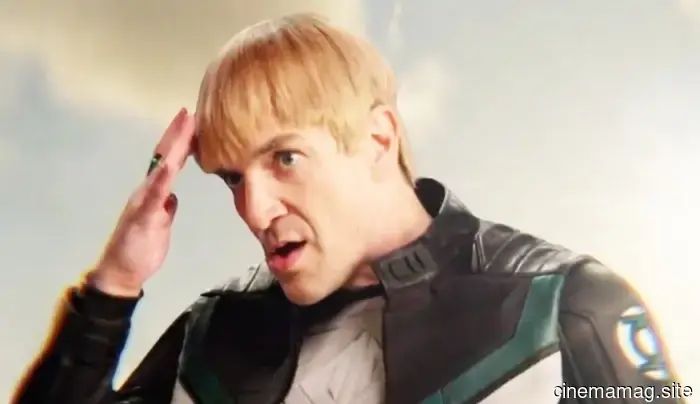 Nathan Fillion is set to reprise his role as Guy Gardner in the DC series Mister Miracle.
Nathan Fillion's fiery Green Lantern Guy Gardner is rapidly emerging as a key foundation of the revamped DC Universe. After bringing the character to life in last year's Superman, Fillion re...
Nathan Fillion is set to reprise his role as Guy Gardner in the DC series Mister Miracle.
Nathan Fillion's fiery Green Lantern Guy Gardner is rapidly emerging as a key foundation of the revamped DC Universe. After bringing the character to life in last year's Superman, Fillion re...
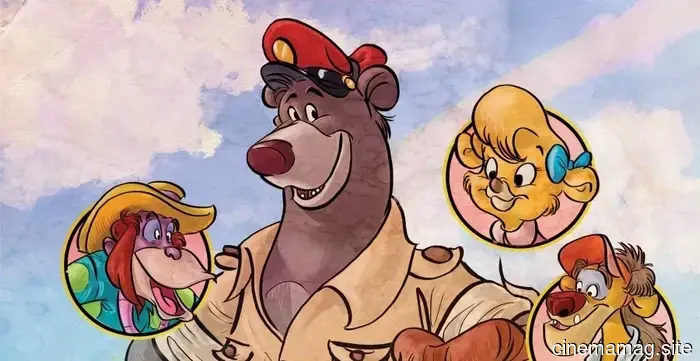 Comic Book Sneak Peek – TaleSpin #1
Dynamite Entertainment will debut its new Disney comic book series this Wednesday with the release of TaleSpin #1, and you'll be able to check out a preview of the issue with the official look...
Comic Book Sneak Peek – TaleSpin #1
Dynamite Entertainment will debut its new Disney comic book series this Wednesday with the release of TaleSpin #1, and you'll be able to check out a preview of the issue with the official look...
 In Nathan Bouie's 'Intergalactic Ingenue,' a man grappling with commitment issues contemplates becoming a member of a...
Nathan Bouie's remarkably captivating debut film, "Intergalactic Ingenue," follows a young man as he seeks to become part of his alien girlfriend's hive mind collective.
In Nathan Bouie's 'Intergalactic Ingenue,' a man grappling with commitment issues contemplates becoming a member of a...
Nathan Bouie's remarkably captivating debut film, "Intergalactic Ingenue," follows a young man as he seeks to become part of his alien girlfriend's hive mind collective.
The Snowman: The Big Hit That Remained Unfinished
Matthew Shepherd discusses the 2017 adaptation of Jo Nesbo's The Snowman… Typically, most directors remain silent when their film is receiving negative reviews from critics prior to its wide release. They often issue a carefully crafted statement…