
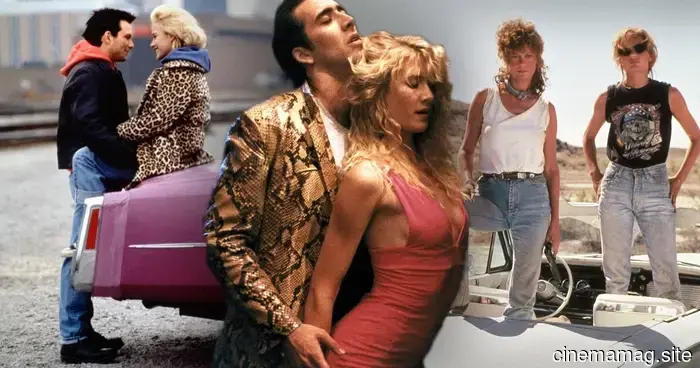
10 Must-See Road Movies from the 1990s
Casey Chong showcases a vital collection of road movies from the 90s.
The tropes of the 1990s road movie genre revolve around characters embarking on journeys of self-discovery, addressing themes such as freedom, identity, rebellion, adventure, and friendship. Depending on the film, some narratives conclude positively while others end in tragedy, showcasing the genre's adaptability by blending various elements, including comedy and drama. Join us as we reminisce about ten of the finest road movies from the 1990s.
**Wild at Heart (1990)**
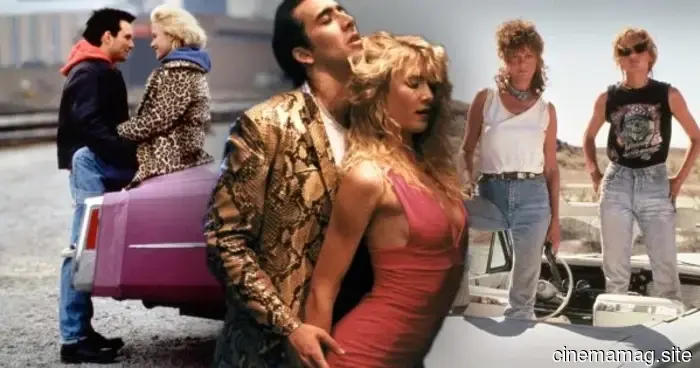
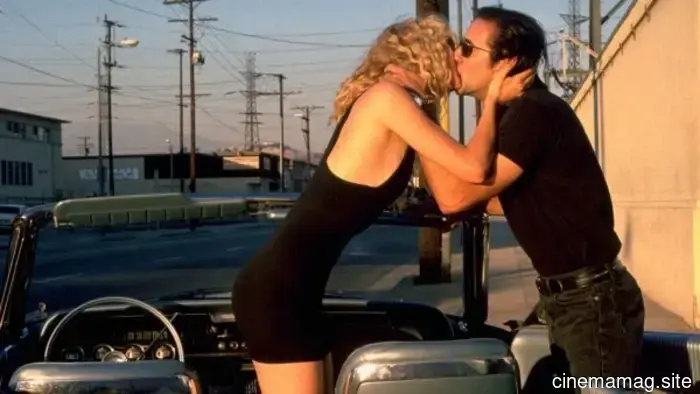
Once regarded as a lesser-known film by David Lynch, *Wild at Heart* received mixed reviews, even facing boos after winning the Palme d’Or at Cannes. However, this divisive black comedy has been reassessed over time. Utilizing traditional road-movie elements as a foundation, the story—adapted from Barry Gifford’s 1989 novel—can be summarized as a surreal trip intertwined with themes of teenage rebellion, featuring Nicolas Cage’s Elvis-worshipping Sailor and Laura Dern’s spirited Lula as star-crossed lovers on the run. Lynch emphasizes visual and thematic nods to *The Wizard of Oz*, particularly through Lula's vivid hallucinations of her overbearing mother (Diane Ladd), which reflect their dysfunctional relationship. The film also features Willem Dafoe, who appears in the latter half as the wildly unpredictable Bobby Peru.
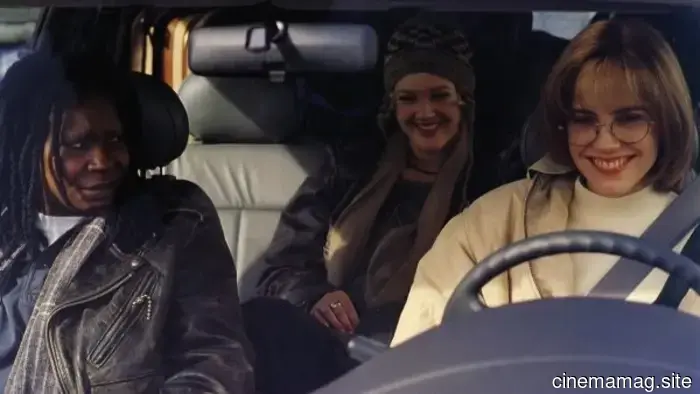
**Thelma & Louise (1991)**
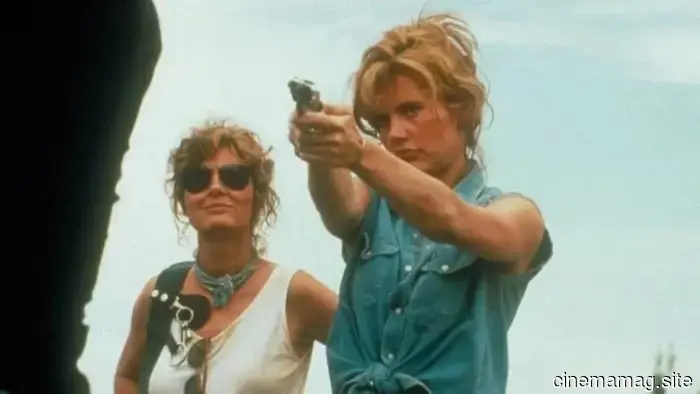
While feminist-themed films were somewhat niche in the 1990s, Ridley Scott’s engrossing portrayal produced one of his greatest works. Highlighting the journey of two best friends—housewife Thelma Dickinson (Geena Davis) and waitress Louise Sawyer (Susan Sarandon)—the film follows their weekend escape to a fishing cabin, which takes a dark turn when a man attempts to assault Thelma, leading Louise to fatally shoot him. Soon, they find themselves on the run from the law. The chemistry between Davis and Sarandon enhances the film, with their characters evolving throughout. The story sees Thelma transform from a timid woman to a rebellious figure, culminating in a memorable ending where they drive their 1966 Ford Thunderbird off a canyon, symbolizing their quest for freedom and empowerment.
**My Own Private Idaho (1991)**
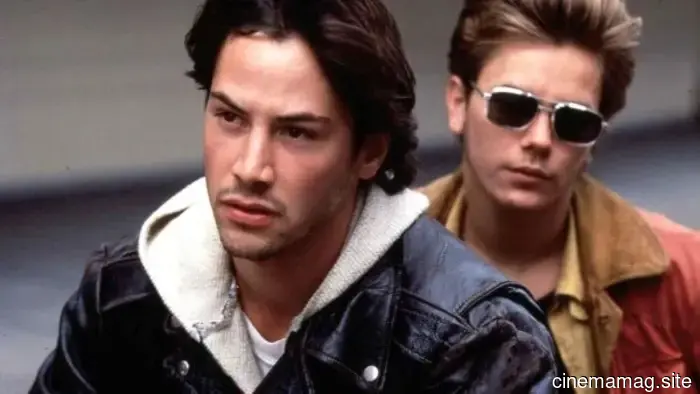
The 1991 cult classic *My Own Private Idaho* stands as a pivotal work from Gus Van Sant, marking his third directorial feature after *Mala Noche* and *Drugstore Cowboy*. This road movie follows Mike Waters (River Phoenix) and Scott Favor (Keanu Reeves) on their journey from Portland to Idaho, where they seek Mike’s absent mother. The duo embodies youthful rebellion as they navigate their identity while addressing queer themes through Mike’s unreciprocated love for Scott. Van Sant cleverly uses Mike’s narcolepsy, not only to depict his condition but also as a metaphor for his fragmented emotions.
**True Romance (1993)**
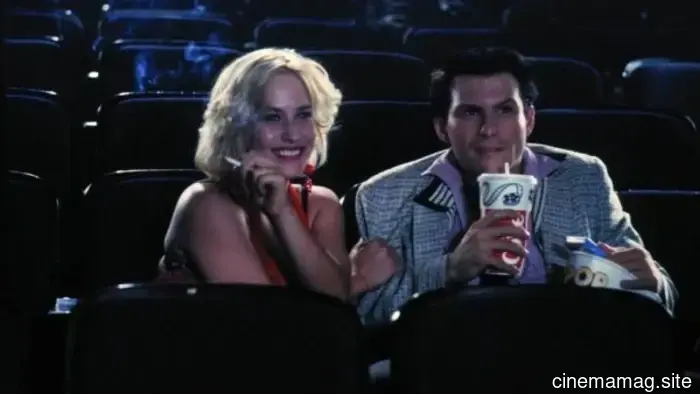
In an alternate reality, it would have been ideal for Quentin Tarantino to direct *True Romance*, but he opted to sell his screenplay to finance *Reservoir Dogs*. Nevertheless, Tony Scott successfully translated Tarantino’s sharp writing into a fusion of kinetic visual storytelling and clever narrative. The plot involves Clarence (Christian Slater) and Alabama (Patricia Arquette), who find themselves in deep trouble after stealing a suitcase full of cocaine from Alabama's pimp, Drexl (Gary Oldman). Their journey from Detroit to Los Angeles is fraught with complications as they face challenges on both sides of the law. The fairy-tale romance contrasts the surrounding chaos, blending crime drama with road movie elements, while supporting roles and pop-culture references enrich the experience.
**The Adventures of Priscilla, Queen of the Desert (1994)**
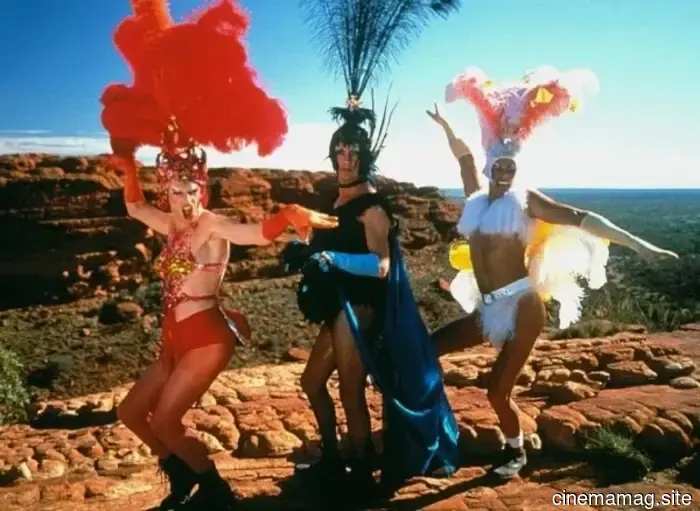
From Australia, writer-director Stephan Elliott’s second feature successfully merges road movie elements with a humane portrayal of queer characters. Starring Terence Stamp, Hugo Weaving, and Guy Pearce, the film depicts their journey across the vast Australian landscape from Sydney to remote Alice Springs, captured as an exploration of friendship and personal growth. Elliott presents these characters as flawed individuals rather than stereotypes, resulting in a blend of humor, friendship, and self-discovery, underscored by an energetic soundtrack. The film won an Oscar for Best Costume Design, and a sequel is currently in development, set to reunite the original cast.
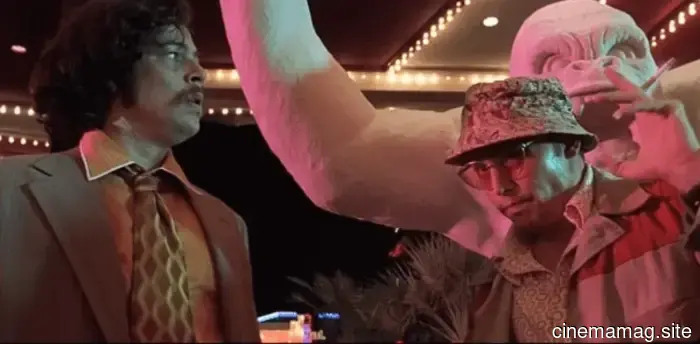
**Dumb and Dumber (1994)**
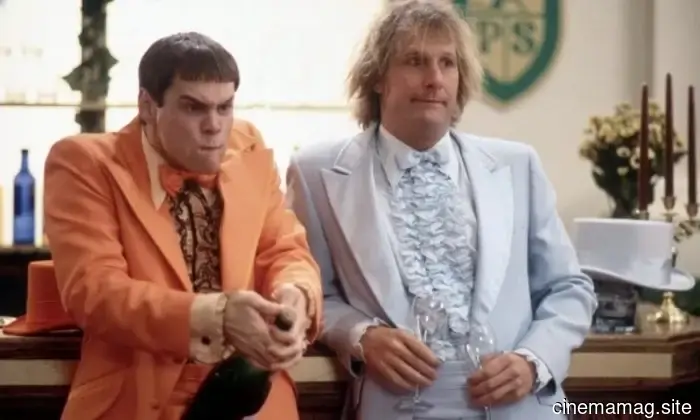
Jim Carrey experienced immense success in the 1990s, with *Dumb and Dumber* being among his biggest hits. He portrays Lloyd Christmas, a limo driver with a unique haircut, who embarks on an adventure to return a briefcase left behind by the lovely Mary Swanson (Lauren Holly). The journey, marked by numerous blunders, is taken in a dog-shaped van owned by his best friend Harry (Jeff Daniels). The Farrel
Other articles
 Comic Book Sneak Peek – What If…? X-Men #1
What would a world look like without Professor Charles Xavier and Cassandra Nova leading the X-Men? Marvel Comics will delve into that scenario next week in What If…? X-Men #1, and you can take a look at…
Comic Book Sneak Peek – What If…? X-Men #1
What would a world look like without Professor Charles Xavier and Cassandra Nova leading the X-Men? Marvel Comics will delve into that scenario next week in What If…? X-Men #1, and you can take a look at…
 Comic Book Sneak Peek – What If…? X-Men #1
A universe absent of Professor Charles Xavier and Cassandra Nova leading the X-Men? Marvel Comics will delve into this scenario next week in What If…? X-Men #1, and you can take a look at…
Comic Book Sneak Peek – What If…? X-Men #1
A universe absent of Professor Charles Xavier and Cassandra Nova leading the X-Men? Marvel Comics will delve into this scenario next week in What If…? X-Men #1, and you can take a look at…
 The trailer and poster for the Japanese ghost story Never After Dark have been revealed.
Magnolia Pictures has released a trailer for the Japanese supernatural thriller Never After Dark, set to premiere this September. The story centers around Airi, a medium who assists wandering souls with the…
The trailer and poster for the Japanese ghost story Never After Dark have been revealed.
Magnolia Pictures has released a trailer for the Japanese supernatural thriller Never After Dark, set to premiere this September. The story centers around Airi, a medium who assists wandering souls with the…
 Chris Pratt returns to action in the trailer for season 2 of The Terminal List.
Prime Video has unveiled a trailer for the second season of the espionage thriller series The Terminal List, starring Chris Pratt. The upcoming season is inspired by the second book in Jack Carr’s series of novels.…
Chris Pratt returns to action in the trailer for season 2 of The Terminal List.
Prime Video has unveiled a trailer for the second season of the espionage thriller series The Terminal List, starring Chris Pratt. The upcoming season is inspired by the second book in Jack Carr’s series of novels.…
 Hasbro unveils new action figure releases for Transformers in collaboration with Takara Tomy.
Hasbro has introduced a new collection of Transformers Takara Tomy figures, featuring Magna Regulus, Destron Rhinox, and Autobot Cosmos, as well as three different versions of Soundwave. The latest figures are available…
Hasbro unveils new action figure releases for Transformers in collaboration with Takara Tomy.
Hasbro has introduced a new collection of Transformers Takara Tomy figures, featuring Magna Regulus, Destron Rhinox, and Autobot Cosmos, as well as three different versions of Soundwave. The latest figures are available…
 Hasbro unveils new action figure releases from Transformers and Takara Tomy.
Hasbro has announced a fresh lineup of Transformers Takara Tomy releases featuring Magna Regulus, Destron Rhinox, and Autobot Cosmos, in addition to three variations of Soundwave. The latest figures are available…
Hasbro unveils new action figure releases from Transformers and Takara Tomy.
Hasbro has announced a fresh lineup of Transformers Takara Tomy releases featuring Magna Regulus, Destron Rhinox, and Autobot Cosmos, in addition to three variations of Soundwave. The latest figures are available…
10 Must-See Road Movies from the 1990s
Casey Chong showcases a significant collection of road movies from the 90s... The tropes of 1990s road films characterize the genre by emphasizing the characters' journeys of self-discovery along with a thought-provoking theme...