
Between Calm and Defiance: Zhengyang Du's Experimental Documentary "Beings" - MovieMaker
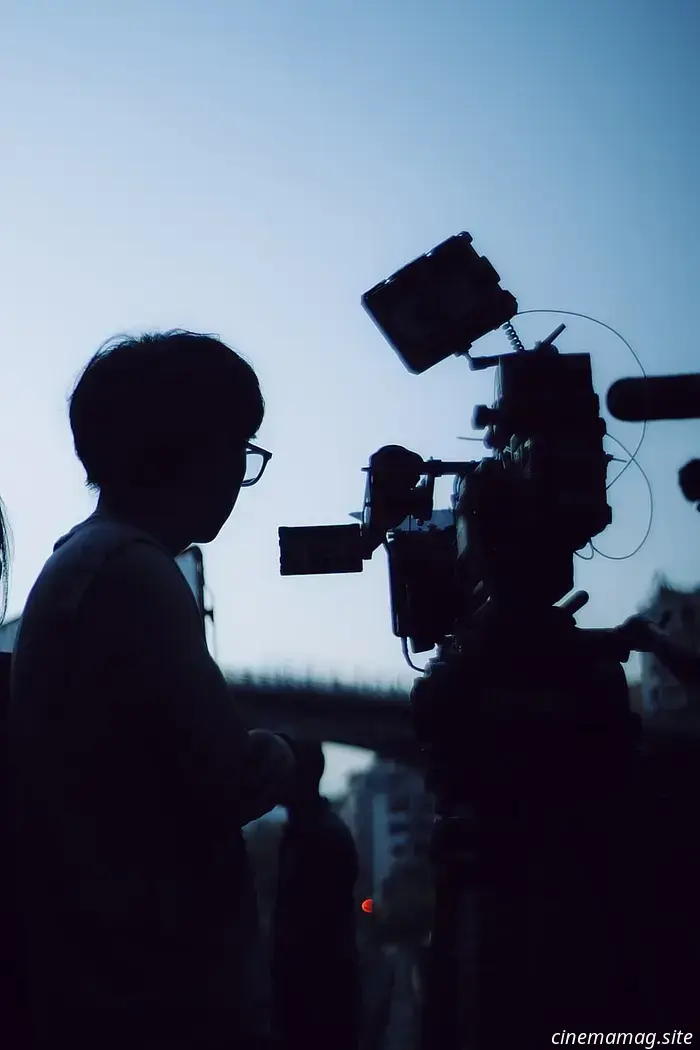
Zhengyang Du is an independent and innovative director and cinematographer. His portfolio includes both documentary and narrative films, characterized by a serene and subtle visual style that conveys understated emotional tension.
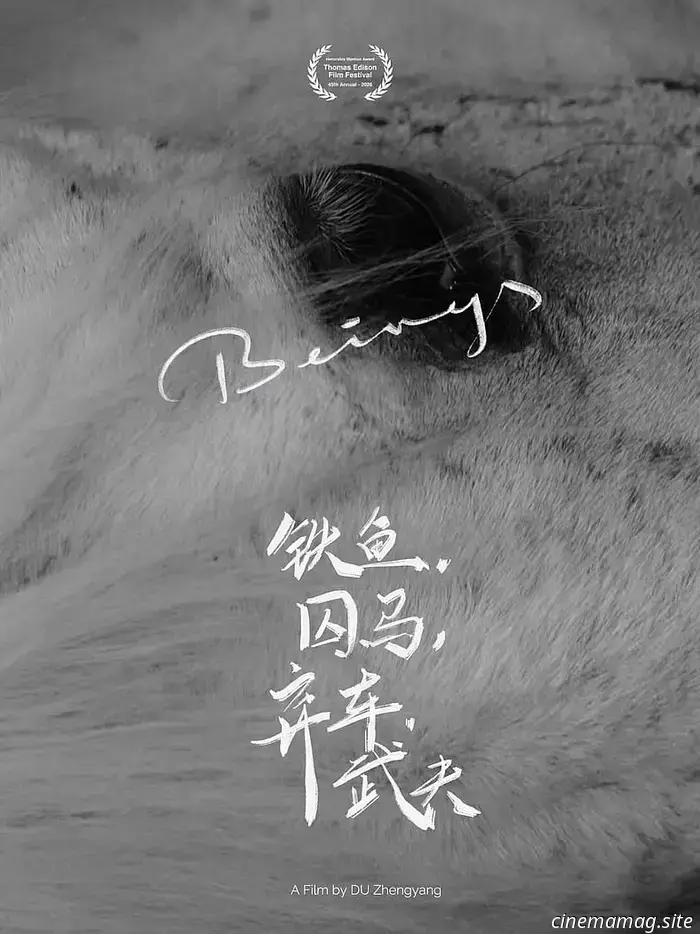
Du's work has gained significant recognition within the film industry. His short films, such as “Waiting For A Separation” (2023), “In the Light” (2022), and “Leave Me” (2021), have been featured in esteemed international festivals, including the Cannes Short Film Corner and the FIRST International Film Festival, among others. He has also earned accolades, including a nomination for Best Experimental Short at the 2021 HiShorts! Xiamen Short Film Week and an Honorable Mention at the 2023 Atlanta Film Festival. Most recently, his directing and cinematography project “Beings” received an Honorable Mention at the 45th Thomas Edison Film Festival (Oscar-qualifying) in November 2025. This prestigious festival, established in 1981, is renowned for honoring innovative films across various genres. “Beings” stood out among 948 submissions, earning one of just 25 Honorable Mentions.
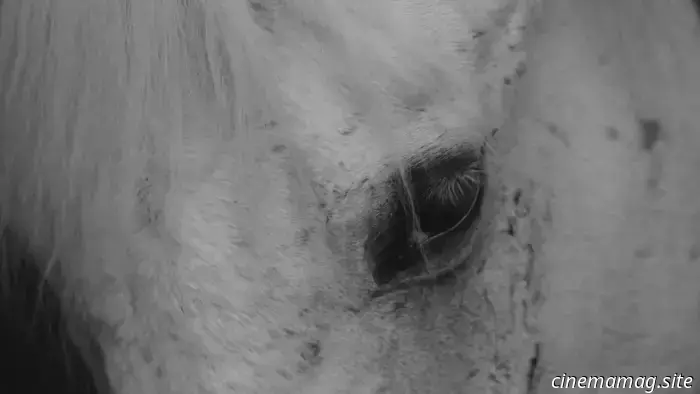
“Beings” is an experimental documentary expressed through four symbolic forms—the iron fish, the captive horse, the abandoned vehicle, and the disabled martial artist. This film reflects on how “beings” uphold dignity and significance in the face of control, decay, and physical limitations. Transitioning between stillness and resistance, each vignette captures a distinct state of being constrained yet persistently alive.
The Essence of “Beings”
After establishing a strong reputation with festival-acclaimed works in both documentary and narrative formats, Zhengyang Du approached “Beings” from a deeply personal perspective. Upon his arrival in Orange County, the unfamiliar surroundings evoked a quiet sense of wonder; he wandered with his camera, observing the world with a restrained, introspective gaze. Cinematography became a means of calmly witnessing the existence of people and objects, with seemingly random encounters unveiling unexpected beauty. However, the act of capturing images raised a profound question: does filming itself hold meaning, and if so, what does it mean to simply exist?
Through this ongoing exploration, Zhengyang gradually recognized that existence itself might serve as the purpose, rather than merely as a means to an end. To exist requires enduring pain; transcending pain is what imbues life with emotional significance. “Beings” examines how living entities maintain dignity amid control, decay, and physical limitations. Flowing seamlessly between stillness and resistance, each vignette illustrates a state of being restrained yet vibrantly alive, suggesting that persistence may constitute the most essential gesture of existence.
Visual Approach
In “Beings,” Zhengyang expands the visual language found in his award-winning short films and well-known commercials for reputable brands such as Nike and Tilta. However, he refines it into an even more subdued cinematic grammar. The film's aesthetic is grounded in tranquility and minimal intervention: the camera shares the same space as its subjects, observing them with quiet patience rather than heightening movement. The editing prioritizes gentle rhythms over speed, allowing imagery and emotions to develop organically. A subtle chromatic shift—from color to monochrome and back—mirrors the film’s emotional journey, hinting at a complex cycle of vitality, suppression, and renewal.
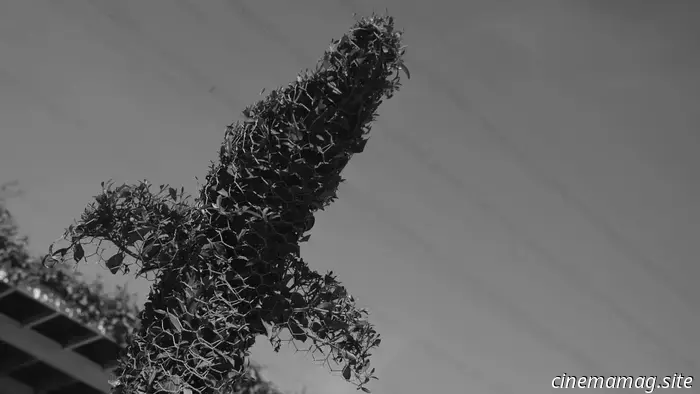
This visual evolution holds conceptual importance. Severed branches illustrate a life taken away; when reshaped into fish forms by human hands, they imitate living entities, yet their restored appearance comes with the loss of their original freedom. Similarly, horses confined in dark stables, blindfolded and restrained, represent another facet of captivity. The imagery remains devoid of color until a white horse begins to thrash and gallop; its forceful hooves and intensifying cries gradually reintroduce color into the frame, symbolically restoring vitality, agency, and a fragile sense of freedom.
Production and Collaboration
“Beings” was filmed entirely in Orange County, facing challenges more conceptual than technical. Instead of elaborate setups, Zhengyang aimed to uncover the invisible connections among these fragments of existence, allowing each moment to resonate softly with the next. This approach necessitated patience and a commitment to observation without imposing narrative direction—a challenging discipline that ultimately shaped the film’s contemplative tone.
The production was also heavily collaborative. Zhengyang expresses heartfelt appreciation for filmmaker Ruoyu Wang, who was closely involved during the filming period, and to Master David and the martial artists of Pakua OC, whose kindness provided access to their martial arts studio. Their trust, patience, and presence were vital to the film's realization, contributing both logistical support and a spiritual dimension to the creation of “Beings.”
Interpretation and Experience
In contrast to works that attempt to dictate interpretation, “Beings” resists prescriptive meanings. Du highlights that he does not aim to instruct audiences on how to engage with the film; instead, he hopes viewers might temporarily set aside analytical impulses. Like
Other articles
 Comic Book Teaser – Star Wars: Jedi Knights #10
Star Wars: Jedi Knights #10 will be released on Wednesday, and you can view the official preview of the issue provided by Marvel Comics… THE SAGA OF CORLIS RATH COMES TO AN END! QUI-GON must ultimately confront…
Comic Book Teaser – Star Wars: Jedi Knights #10
Star Wars: Jedi Knights #10 will be released on Wednesday, and you can view the official preview of the issue provided by Marvel Comics… THE SAGA OF CORLIS RATH COMES TO AN END! QUI-GON must ultimately confront…
 Akira Kurosawa's 20 Most-Loved Early Movies
In Long Take, Akira Kurosawa presents 100 of his favorite films. Below are the first 20, compiled by Kazuko Kurosawa and translated by Anne McKnight.
Akira Kurosawa's 20 Most-Loved Early Movies
In Long Take, Akira Kurosawa presents 100 of his favorite films. Below are the first 20, compiled by Kazuko Kurosawa and translated by Anne McKnight.
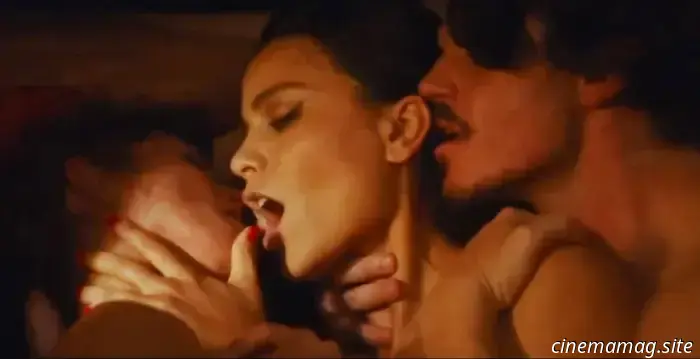 The erotic thriller Bight has released a trailer in anticipation of its Valentine's Day premiere.
S&R Films has released a trailer for the forthcoming erotic thriller Bight, which is the feature directorial debut of actress Maiara Walsh (Desperate Housewives), who appears alongside Cameron Cowpert.
The erotic thriller Bight has released a trailer in anticipation of its Valentine's Day premiere.
S&R Films has released a trailer for the forthcoming erotic thriller Bight, which is the feature directorial debut of actress Maiara Walsh (Desperate Housewives), who appears alongside Cameron Cowpert.
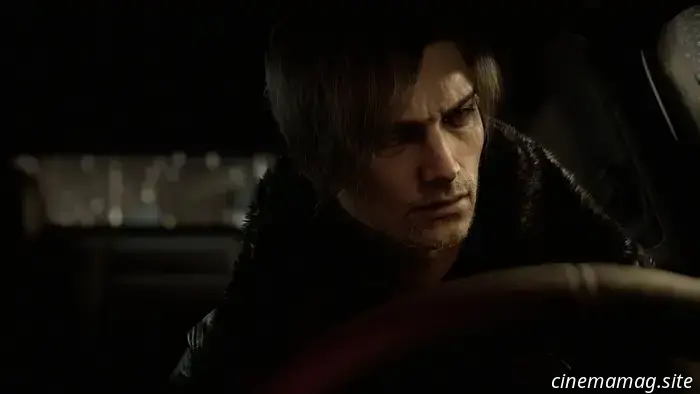 Leon S. Kennedy will be teaming up with Grace in Resident Evil Requiem.
In February, prepare for twice the action and horror with Resident Evil Requiem. Featuring dual protagonists, the destinies of Grace Ashcroft and Leon S. Ken will intertwine in this installment.
Leon S. Kennedy will be teaming up with Grace in Resident Evil Requiem.
In February, prepare for twice the action and horror with Resident Evil Requiem. Featuring dual protagonists, the destinies of Grace Ashcroft and Leon S. Ken will intertwine in this installment.
 Comic Book Sneak Peek – Batman/Superman: World’s Finest #46
Batman/Superman: World’s Finest #46 will be available in comic stores and digital platforms on Wednesday. Below, you can find the official preview of the issue, provided by DC Comics... To de...
Comic Book Sneak Peek – Batman/Superman: World’s Finest #46
Batman/Superman: World’s Finest #46 will be available in comic stores and digital platforms on Wednesday. Below, you can find the official preview of the issue, provided by DC Comics... To de...
 Hot Toys has revealed the sixth scale figure of the Battle Damaged Version of the Predator from Prey.
Hot Toys has officially revealed its sixth scale figure of the Feral Predator (Battle Damaged Version) from Dan Trachtenberg's praised 2022 Predator prequel, Prey. This deluxe collectible figure is available...
Hot Toys has revealed the sixth scale figure of the Battle Damaged Version of the Predator from Prey.
Hot Toys has officially revealed its sixth scale figure of the Feral Predator (Battle Damaged Version) from Dan Trachtenberg's praised 2022 Predator prequel, Prey. This deluxe collectible figure is available...
Between Calm and Defiance: Zhengyang Du's Experimental Documentary "Beings" - MovieMaker
Zhengyang Du is an unconventional and independent director and cinematographer. His portfolio includes both documentary and narrative films, recognized for their serene and nuanced style.