

Ella McCay Review: The Last Testament of a Living Legend on Hope and Forgiveness
There is a memorable moment in the middle of Ella McCay, which was both written and directed by the talented James L. Brooks. In this scene, the main character Ella (played by Emma Mackey) attends her first cabinet meeting as the newly sworn-in governor. Just three days into her tenure (with Brooks regular Albert Brooks portraying the governor who resigned to take up the role of Secretary of the Interior, leaving Ella at the helm), chaos ensues. As everyone rises to applaud her arrival, she exclaims, “STOP CLAPPING!” This precious moment is quickly overshadowed by her shock at her own outburst, and her attempt to recover does little to improve the situation. Brooks expertly crafts this scene, as does Mackey, resulting in a mix of humor, relatability, and surprise, all while operating at a level beyond ordinary life. These elements are hallmarks of the best of Brooks’ films. While Ella McCay may not rank among his finest, it is certainly his best work since As Good as It Gets.
Mackey delivers a charming performance in the lead role, effectively portraying the classic Brooks heroine archetype with great enthusiasm. Given the impressive supporting cast (which includes Kumail Nanjiani, Woody Harrelson, and Jack Lowden), it’s somewhat unexpected that they don't quite match her energy—except for Jamie Lee Curtis, who shines in her role. As with many of Brooks’ narratives, the film feels overstuffed. Unlike his top works, not all of the plot threads come together by the conclusion. For instance, there’s a subplot involving Ella’s younger brother Casey (Spike Fearn) and his potential love interest Susan (Ayo Edebiri) that starts without resolution or direction.
The overarching storyline captivates: policy expert Ella appears to achieve all her dreams, only for everything to unravel before she can relish it. Brooks explores the unforgivable sins people commit, a theme our narrator Julie Kavner (who plays Ella’s cherished secretary on screen) directly addresses. Ella has wound from her father’s (Harrelson) misdeeds that she cannot heal from, and she comes to the realization that she may have married a variant of him (Lowden portraying a true villain and one of Brooks' more despicable characters). What can be learned from this? Simply to endure and move forward. There is a genuine bravery in this conclusion.
The film is also set in 2008, a deliberate and impactful choice. A recession is looming, coupled with a fading promise of progressive change (enter the “Yes We Can!” chants) that will remain unfulfilled. McCay’s unexpected governorship and her “radical” policies (social initiatives that succeed? can you imagine?) terrify the Democratic establishment, which promptly plots against her. While it may seem absurd and farcical, it reflects the realities of American liberal politics over the last two decades. This isn’t cynicism; it’s the truth.
Some viewers might be put off by the inevitability of it all. Ultimately, Ella embodies a do-gooder spirit in a country that often undervalues altruism, particularly in politics. She represents a remnant of a possibly nonexistent era. The same can be said for Ella McCay and its director. The very existence of a mid-budget adult drama from a major studio in 2025 is a small triumph, albeit a bittersweet one. The fact that this film—likely his last—offers a hopeful perspective on the small efforts still possible to aid others may come across as cliché. It saddens me that these two concepts, cliché and hopeful, have found a common ground in today's world.
Ella McCay is currently showing in theaters.
Other articles
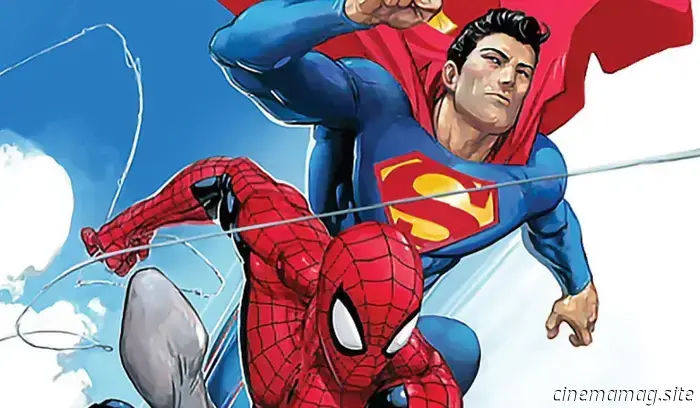 Superman and Spider-Man collaborate in a new crossover event between DC and Marvel.
Following this year's Deadpool and Batman one-shots, the comic book powerhouses DC and Marvel are preparing to collaborate again next year, commemorating the 50th anniversary of the very first…
Superman and Spider-Man collaborate in a new crossover event between DC and Marvel.
Following this year's Deadpool and Batman one-shots, the comic book powerhouses DC and Marvel are preparing to collaborate again next year, commemorating the 50th anniversary of the very first…
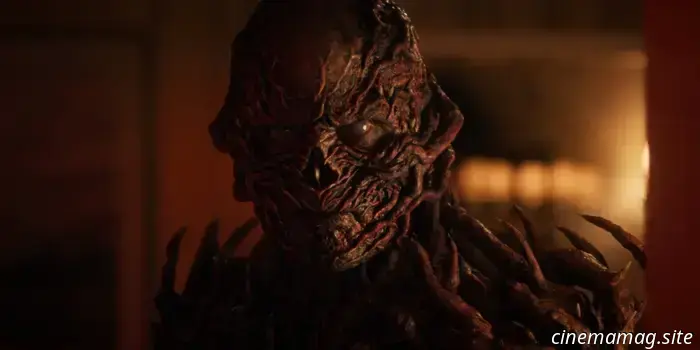 The trailer for Stranger Things Season 5 Volume 2 cautions us that everything we believed about the Upside Down has been completely mistaken.
After the shocking ending of Volume 1 of the final season of Stranger Things, Netflix has unveiled the trailer for the second-to-last set of episodes ahead of the highly awaited New Year…
The trailer for Stranger Things Season 5 Volume 2 cautions us that everything we believed about the Upside Down has been completely mistaken.
After the shocking ending of Volume 1 of the final season of Stranger Things, Netflix has unveiled the trailer for the second-to-last set of episodes ahead of the highly awaited New Year…
.jpg) 4K Ultra HD Review – The Wild Geese (1978)
The Wild Geese, released in 1978, was directed by Andrew V. McLaglen and features an ensemble cast including Richard Burton, Roger Moore, Richard Harris, Stewart Granger, Hardy Krüger, Frank Finlay, Barry Foster, Patrick Allen, and Rosalind Lloyd.
4K Ultra HD Review – The Wild Geese (1978)
The Wild Geese, released in 1978, was directed by Andrew V. McLaglen and features an ensemble cast including Richard Burton, Roger Moore, Richard Harris, Stewart Granger, Hardy Krüger, Frank Finlay, Barry Foster, Patrick Allen, and Rosalind Lloyd.
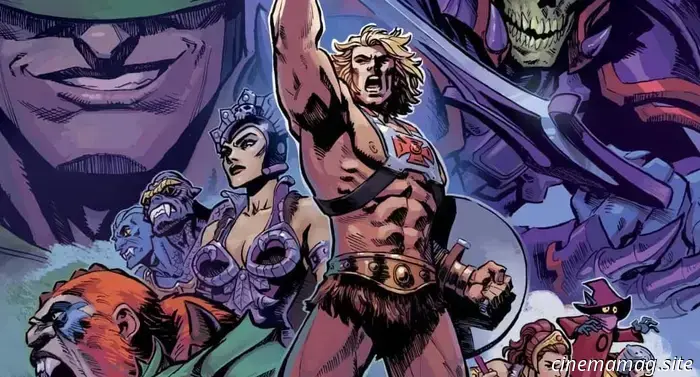 Dark Horse reveals an ongoing series for He-Man and the Masters of the Universe.
Dark Horse Comics has revealed that its Masters of the Universe limited series is expanding beyond its original four-issue run. The series will continue with a new storyline and is set to undergo a rebranding.
Dark Horse reveals an ongoing series for He-Man and the Masters of the Universe.
Dark Horse Comics has revealed that its Masters of the Universe limited series is expanding beyond its original four-issue run. The series will continue with a new storyline and is set to undergo a rebranding.
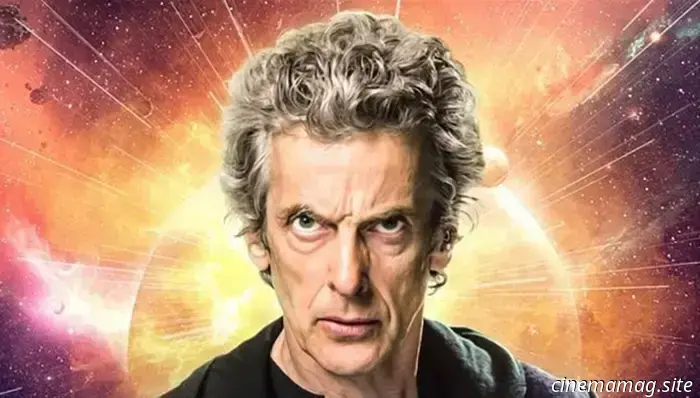 A fresh set of Doctor Who adventures featuring the Twelfth Doctor is set to be released in July 2026.
Big Finish Productions has announced that they will launch a new series of audio adventures featuring The Twelfth Doctor in July 2026. The Twelfth Doctor Adventures: Run Fast, Be Kind will center around…
A fresh set of Doctor Who adventures featuring the Twelfth Doctor is set to be released in July 2026.
Big Finish Productions has announced that they will launch a new series of audio adventures featuring The Twelfth Doctor in July 2026. The Twelfth Doctor Adventures: Run Fast, Be Kind will center around…
.jpg) Film Review – Is This Thing On? (2025)
Is This Thing On?, 2025. Directed by Bradley Cooper. Featuring Will Arnett, Laura Dern, Andra Day, Bradley Cooper, Christine Ebersole, Ciarán Hinds, Sean Hayes, Amy Sedaris, Chloe Radcliffe, Scott Icen...
Film Review – Is This Thing On? (2025)
Is This Thing On?, 2025. Directed by Bradley Cooper. Featuring Will Arnett, Laura Dern, Andra Day, Bradley Cooper, Christine Ebersole, Ciarán Hinds, Sean Hayes, Amy Sedaris, Chloe Radcliffe, Scott Icen...
Ella McCay Review: The Last Testament of a Living Legend on Hope and Forgiveness
In a captivating moment during Ella McCay, crafted by the talented James L. Brooks, the protagonist Ella (Emma Mackey) steps into her inaugural cabinet meeting as the newly-installed governor. Just days into her term, with Albert Brooks portraying the governor who has resigned to make way for her, the scene unfolds.