
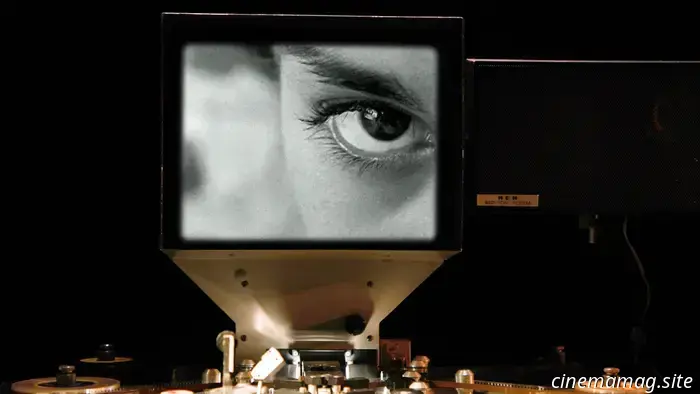
In Vivien's Wild Ride, a filmmaker loses her eyesight but retains her vision.
“I’m truly grateful I experimented with acid in the ‘60s,” starts Vivien’s Wild Ride, a cinematic memoir from an experienced film editor reflecting on her life as she deals with diminishing eyesight. “It kind of prepared me for this unique visual realm I now occupy.”
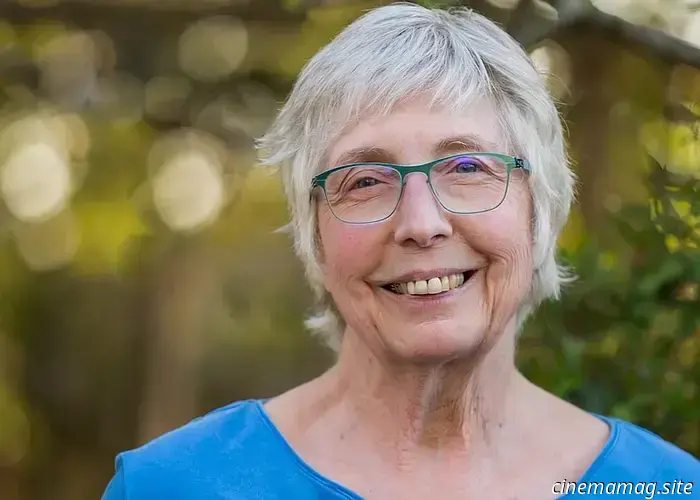
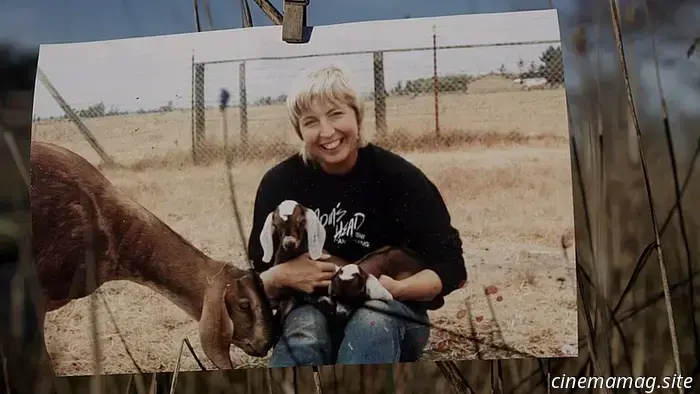
What follows is a blend of narration, poetic visuals, historical b-roll, and classic film snippets drawn from Vivien Hillgrove’s 50-year journey as a sound and picture editor, resulting in a remarkable directorial debut, especially considering she could barely see the dailies during production.
“Losing your sight is a compelling narrative,” Hillgrove states. “It's incredibly remarkable. However, life doesn’t abandon you when your vision fades.
“I was given an amazing opportunity to address it through creative expression,” she continues, “which was astonishing — that there were people supporting the film's creation from its inception.”
One of those supporters is Deann Borshay Liem, a documentary filmmaker who produced Vivien’s Wild Ride after collaborating with Hillgrove as an editor on several of her projects.
“What struck me was witnessing her loss of eyesight and yet transforming it into a visually stunning film,” Liem shares. “The way Viv expressed what she envisioned despite her impaired vision was truly remarkable to observe.”
While the concept of Vivien’s Wild Ride is especially intriguing for those in the film industry — as it may seem like a distressing scenario — the underlying narrative is far richer, exploring a captivating life filled with both tragedy and triumph.
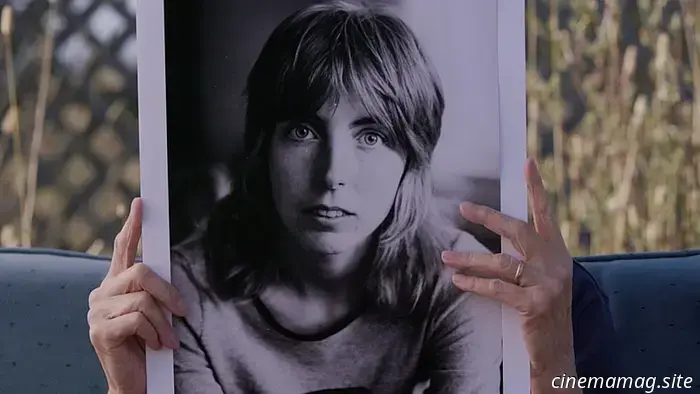
Hillgrove's early years include a teenage pregnancy in the early ‘60s, during which her parents compelled her to give the baby up for adoption. This profound loss lingers with her for many years and seems to relate to her more recent vision loss, which has worsened since finishing the film.
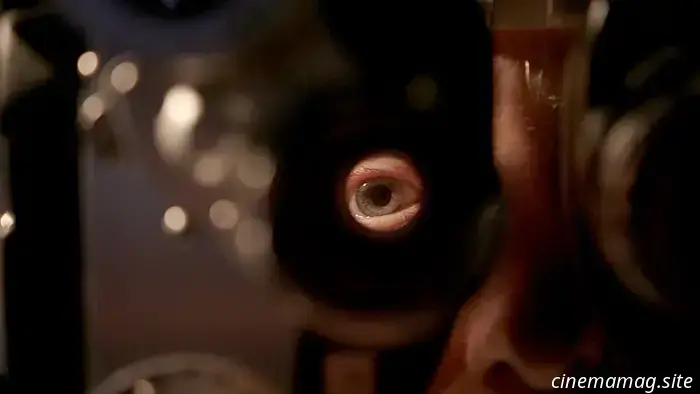
The macular degeneration that has affected her sight began with blurriness: letters disappeared from words, details faded from objects, and then faces were obscured.
This condition is diagnosed in over 200,000 individuals annually and impacts each person differently.
As one individual in a support group featured in the film explains, it’s challenging for friends and family to grasp how macular degeneration influences daily life and to comprehend that it does not improve. This was a significant inspiration for Hillgrove to convey her experience on film.
“My primary goal was to find a way to communicate this to people who either live with or care for those losing their vision — providing them with a visual reference point for understanding,” she says.
“I’ve received numerous calls saying, ‘Suddenly, my family comprehends what I see when experiencing macular degeneration.’ If it alters or enhances understanding about macular degeneration, I’ll be happy.”
Regarding how a director with vision impairment creates a film, Hillgrove remarks, “I was practically two inches from the monitor. I hope I didn’t cause myself any harm,” she laughs. “And my editor assisted me by replaying scenes I was uncertain about.”
Her sharp photographic memory, honed from editing many films, was also crucial to the project.
“I memorized the film when my sight was better than it was towards the end,” she notes. “But you certainly memorize the dailies; that’s just a talent of editing.”
Hillgrove began her career in the late ‘60s, working in sound mixing and editing for industrial and educational films in San Francisco. She even edited a few adult films under the alias Lorraine Sprocket before moving towards the burgeoning experimental film movement in the Bay Area following the psychedelic Summer of Love.
She asserts that LSD and other hallucinogens “broadened my perspective about community, making it significantly more important than individual suffering.”
This experience instilled in her a desire to portray a range of emotions on film that might not have been as expansive, “had I not explored psychotropics at that specific point in my life.”
Her breakthrough came after she secured a room at American Zoetrope, Francis Ford Coppola’s studio, to edit low-budget family films. Surrounded by pioneers like Philip Kaufman and Walter Murch, she began collaborating with them, editing dialogue for Kaufman’s 1983 film The Right Stuff and Miloš Forman’s 1984 Best Picture winner Amadeus. She continued with Murch, editing Kaufman’s 1988 The Unbearable Lightness of Being, and later contributed to Kaufman’s 1990 Henry & June.
Then, following a moral dilemma, she shifted to editing documentaries, forming a long collaboration with renowned Mexican documentarian Lourdes Portillo, whom she describes as “one of the bravest people I’ve ever known.”
As Hillgrove began to lose her vision, she started to refine her hearing and realized the mental imagery it could evoke.
“The audio taught me a lot,” she explains. “Around 70% of the film, if not more, relies on audio. It conveys a
Other articles
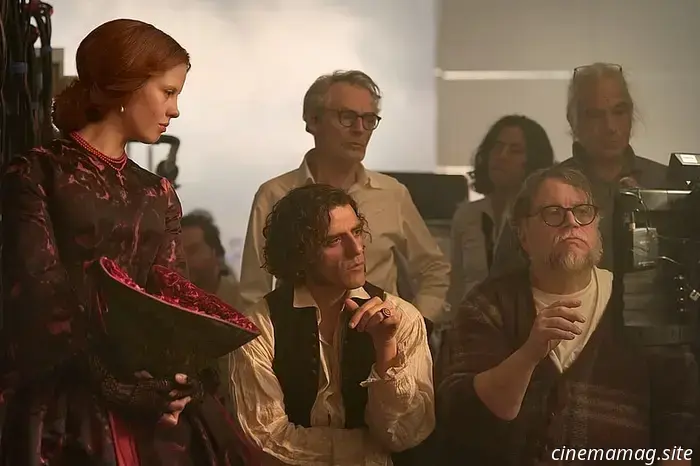 Frankenstein Director Guillermo del Toro Believes We've Misunderstood the Romantics
Guillermo del Toro claims that our perception of the Romantic literary movement is overly idealized, which gave rise to the classic novel by Mary Shelley that served as inspiration.
Frankenstein Director Guillermo del Toro Believes We've Misunderstood the Romantics
Guillermo del Toro claims that our perception of the Romantic literary movement is overly idealized, which gave rise to the classic novel by Mary Shelley that served as inspiration.
.jpg) Film Review – Witchboard (2024)
Witchboard, 2024. Directed by Chuck Russell. Featuring Madison Iseman, Aaron Dominguez, Melanie Jarnson, Jamie Campbell Bower, Antonia Desplat, and David La Haye. SYNOPSIS: A young woman grows increasingly obsessed…
Film Review – Witchboard (2024)
Witchboard, 2024. Directed by Chuck Russell. Featuring Madison Iseman, Aaron Dominguez, Melanie Jarnson, Jamie Campbell Bower, Antonia Desplat, and David La Haye. SYNOPSIS: A young woman grows increasingly obsessed…
 Ryan Coogler Makes a Comeback at Sundance, the Launchpad for His Career, to Honor 16 Oscar Nominations
In his initial interview following the record-breaking 16 nominations for his film Sinners at the Oscars, director Ryan Coogler made his way back to the Sundance Film Festival, where his
Ryan Coogler Makes a Comeback at Sundance, the Launchpad for His Career, to Honor 16 Oscar Nominations
In his initial interview following the record-breaking 16 nominations for his film Sinners at the Oscars, director Ryan Coogler made his way back to the Sundance Film Festival, where his
 13 Awesome Movies from the 2000s That Only the Cool Kids Recall
Here are some 2000s films that only the cool kids recall, ranging from Aquamarine to Not Another Teen Movie.
13 Awesome Movies from the 2000s That Only the Cool Kids Recall
Here are some 2000s films that only the cool kids recall, ranging from Aquamarine to Not Another Teen Movie.
 Comic Book Sneak Peek – Teenage Mutant Ninja Turtles x Godzilla #3
IDW Publishing will issue Teenage Mutant Ninja Turtles x Godzilla #3 on Wednesday, and we have the official preview of this issue available for you; check it out… A long time ago, the Foot Clan was established…
Comic Book Sneak Peek – Teenage Mutant Ninja Turtles x Godzilla #3
IDW Publishing will issue Teenage Mutant Ninja Turtles x Godzilla #3 on Wednesday, and we have the official preview of this issue available for you; check it out… A long time ago, the Foot Clan was established…
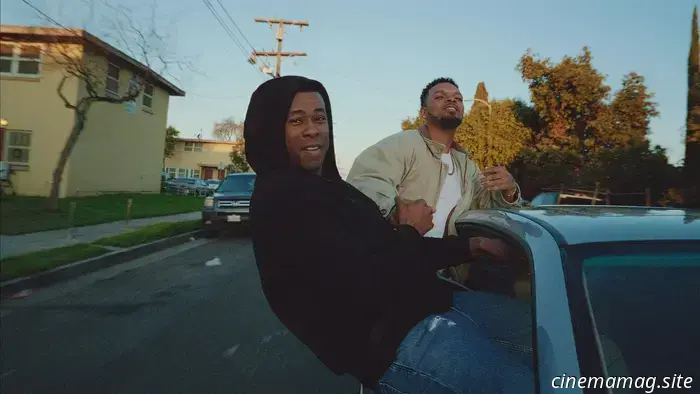 Sundance Review: If I Go Will They Miss Me Discovers Poetic Elegance in the Journey to Adulthood
Discovering poetic beauty in the everyday, Walter Thompson-Hernández’s If I Go Will They Miss Me focuses on the journey to adulthood within the housing projects of southern Los Angeles. While life in these areas is frequently portrayed with a harshness that highlights a life-or-death mentality, this promising new director adopts a contrasting perspective—one in which dreams
Sundance Review: If I Go Will They Miss Me Discovers Poetic Elegance in the Journey to Adulthood
Discovering poetic beauty in the everyday, Walter Thompson-Hernández’s If I Go Will They Miss Me focuses on the journey to adulthood within the housing projects of southern Los Angeles. While life in these areas is frequently portrayed with a harshness that highlights a life-or-death mentality, this promising new director adopts a contrasting perspective—one in which dreams
In Vivien's Wild Ride, a filmmaker loses her eyesight but retains her vision.
While the concept of Vivien's Wild Ride is especially enticing for those in the film industry—likely due to its resemblance to a nightmare situation—the reward