
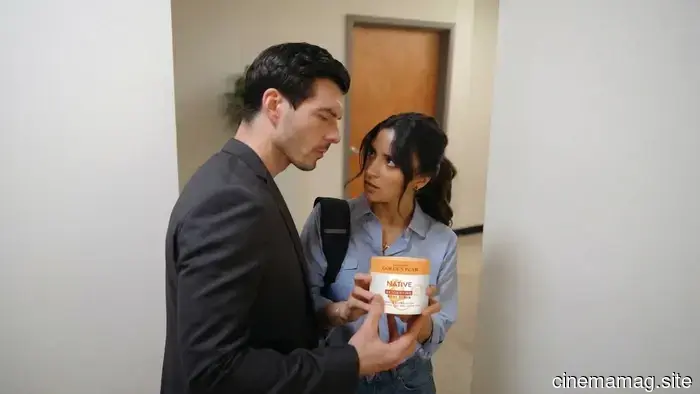
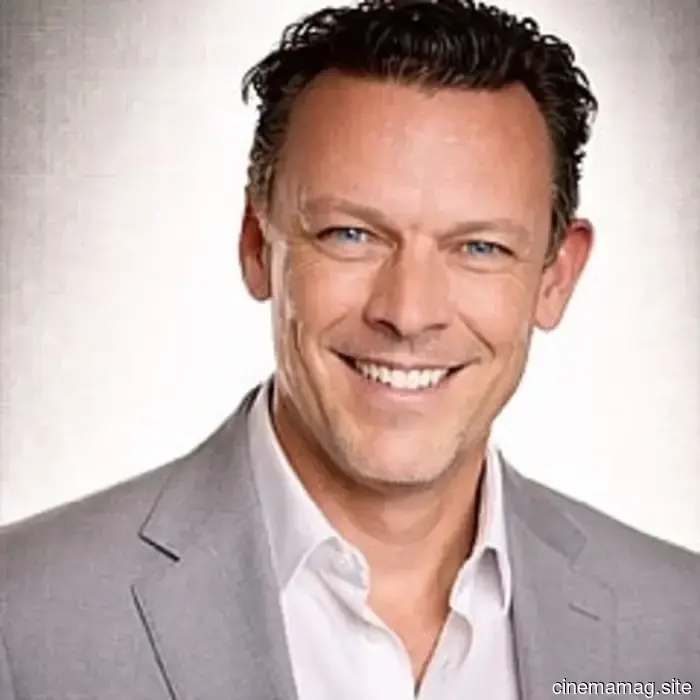
Jonas Barnes, the founder of Pixie USA, discusses the future of various verticals.
“This is what’s keeping Hollywood afloat right now,” states Jonas Barnes, founder and CEO of Pixie USA, as he references verticals, or micro-dramas that viewers engage with on their mobile devices. “I would estimate that half of the Los Angeles film industry is currently involved in these types of projects.”
If you’re familiar with verticals, you’ve likely encountered the criticisms surrounding them as well. These are highly addictive feature-length narratives, segmented into episodes lasting around two minutes, with a strong focus on relationships and romance.
They typically do not offer good compensation for creators, yet they provide a means for them to stay employed. As Hollywood executives seek to navigate industry trends to secure their roles (and the roles of many others), verticals serve as a temporary solution for some cast and crew, even though it’s not a favored one.
Barnes envisions significant potential for enhancement and advantages in this space. He perceives an underserved niche for an approach to verticals that he hopes will benefit creators, viewers, and sponsors alike. His company, Pixie USA, creates verticals aimed at highlighting businesses seeking innovative ways to market their brands and gain audience loyalty.
With everyone carrying a phone, it means that anyone is just seconds away from enjoying a vertical, provided it is well-executed.
Barnes first recognized the impact of short films while attending UC San Diego. His story begins with the fact that he isn’t short: standing at 6’8”, he played basketball for the university.
He recalls how his coach often encouraged him and other players to take easier classes to focus more on basketball, one of which involved attending various arts events in the city—such as plays, concerts, and ballets. At one point, students were tasked with creating a project that integrated multiple art forms.
“So I thought, ‘Music… acting… that’s a movie!’ So I created this little two-minute film. And it was quite successful. People said, ‘Dude, that was awesome.’ Probably because it was two minutes long while everyone else had a 20-minute presentation,” Barnes shares. “It was my first lesson in ‘Shorter is better.’”
When a broken ankle sidelined him from basketball, he decided to chase a career in film. He approached the San Diego film commission and learned he could list himself as a local hire in multiple areas, which almost no one else was doing.
He began securing crew positions, and in the late ’90s, he relocated to Los Angeles. He started working for Neal Moritz, who was on his way to becoming one of Hollywood’s most successful producers, known for franchises like Fast & Furious and Sonic the Hedgehog.
Barnes dedicated two decades to working with Moritz, initially as a writer and producer on films such as 2017’s S.W.A.T.: Under Siege. He began focusing on brand integrations, where brands would pay for product placements in films.
Last year, he founded Pixie USA with the goal of creating entire micro-drama productions centered around brands.
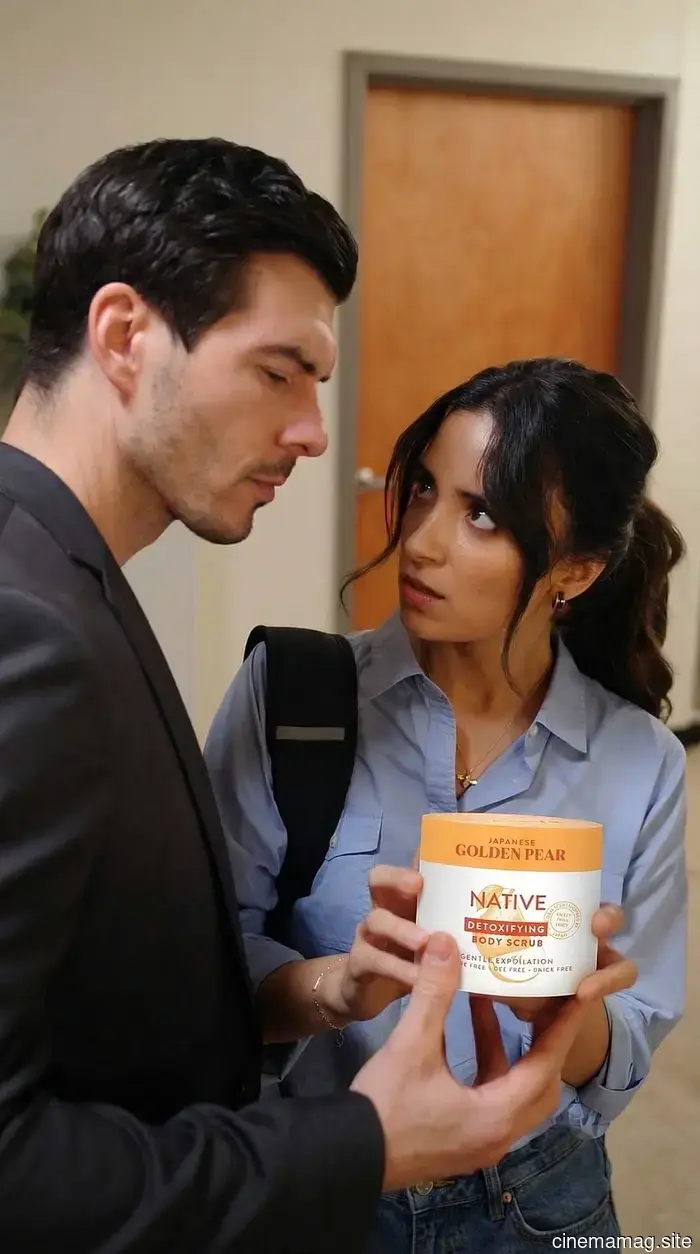
While he can’t share details about certain projects due to NDAs, his most significant launch to date is The Golden Pear Affair, a 55-episode micro-drama created in collaboration with Procter & Gamble’s Native brand.
He was drawn to verticals partly because of their rapid turnaround time.
“I looked at the model and thought, ‘Oh, this is perfect for brands. It has a three-month turnaround, and you know you’re recouping in six months. Your money’s back in your pocket.’”
About Verticals, or Micro-Dramas
Verticals have faced challenges in their rollout.
They were initially introduced with much fanfare through Quibi, a fleeting streaming service established by Jeffrey Katzenberg and headed by Meg Whitman. Quibi raised over $1.75 billion in investments with the promise of appealing to audiences seeking short-form entertainment as they traveled or waited in various locations.
Unfortunately, Quibi launched during pandemic lockdowns, when public outings for transportation or appointments were limited. The service also incurred excessive costs from high-profile agreements with A-list creators. For example, Antoine Fuqua had a contract for a $15 million project. Ultimately, the Quibi library was sold to Roku for under $100 million.
Today’s verticals differ significantly: a typical project budget is often $250,000 or less, with non-union productions and actors—resulting in no familiar names. These are constructed from full-length narratives divided into episodes of roughly two minutes. Viewers can enjoy a few episodes for free, perhaps on TikTok or Instagram, before hitting a paywall for the remainder.
Prominent vertical producers include the Chinese firm ReelShort and Holywater Tech, which was founded in 2020 by two Ukrainian entrepreneurs and includes the vertical platform My Drama. This platform received funding last year from FOX Entertainment.
There are many critics of verticals, particularly those who disapprove of the low

Other articles
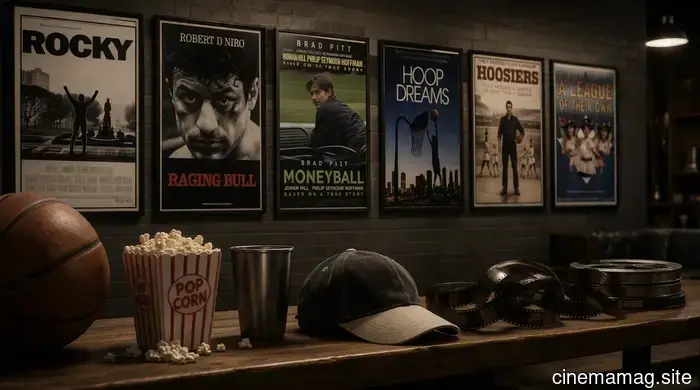 Top Sports Movies That Still Make an Impact in 2026: 7 Must-See Films
A verified analysis of well-known sports movies, including Rocky, Raging Bull, Hoop Dreams, Moneyball, Hoosiers, and A League of Their Own.
Top Sports Movies That Still Make an Impact in 2026: 7 Must-See Films
A verified analysis of well-known sports movies, including Rocky, Raging Bull, Hoop Dreams, Moneyball, Hoosiers, and A League of Their Own.
 Greet Frank in the trailer for Marvel's The Punisher: One Last Kill.
Marvel has unveiled the official trailer for its upcoming Special Presentation, The Punisher: One Last Kill, featuring Jon Bernthal reprising his role as Frank Castle/The Punisher with the iconic skull once more.
Greet Frank in the trailer for Marvel's The Punisher: One Last Kill.
Marvel has unveiled the official trailer for its upcoming Special Presentation, The Punisher: One Last Kill, featuring Jon Bernthal reprising his role as Frank Castle/The Punisher with the iconic skull once more.
 Steve Carell's "Rooster" has been renewed for a second season.
HBO has confirmed a second season for its popular comedy Rooster. The show features Steve Carell, who plays an author-turned-college professor attempting to bond with his daughter amidst…
Steve Carell's "Rooster" has been renewed for a second season.
HBO has confirmed a second season for its popular comedy Rooster. The show features Steve Carell, who plays an author-turned-college professor attempting to bond with his daughter amidst…
 New to Streaming: EPiC: Elvis Presley Live, My Father’s Shadow, Dreams, The President’s Cake & More
Every week, we spotlight significant titles that have recently become available on streaming services in the United States. Take a look at this week's picks below and previous compilations here. Dreams (Michel Franco) After Memory, Michel Franco and Jessica Chastain come together once again for Dreams, which stands out as one of the director's most impressive works, focusing on a socialite who embarks on a journey.
New to Streaming: EPiC: Elvis Presley Live, My Father’s Shadow, Dreams, The President’s Cake & More
Every week, we spotlight significant titles that have recently become available on streaming services in the United States. Take a look at this week's picks below and previous compilations here. Dreams (Michel Franco) After Memory, Michel Franco and Jessica Chastain come together once again for Dreams, which stands out as one of the director's most impressive works, focusing on a socialite who embarks on a journey.
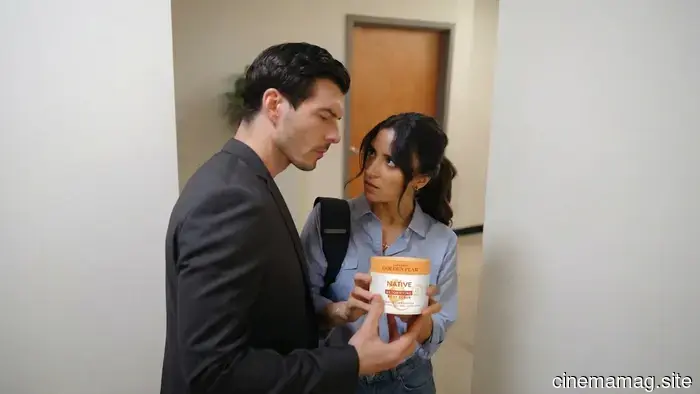 Jonas Barnes, the founder of Pixie USA, discusses the future of industry verticals.
Jonas Barnes, the founder of Pixie USA, believes that verticals can be revolutionized by means of sponsored productions.
Jonas Barnes, the founder of Pixie USA, discusses the future of industry verticals.
Jonas Barnes, the founder of Pixie USA, believes that verticals can be revolutionized by means of sponsored productions.
Jonas Barnes, the founder of Pixie USA, discusses the future of various verticals.
Jonas Barnes, the founder of Pixie USA, states that sponsored productions can revolutionize various verticals.