
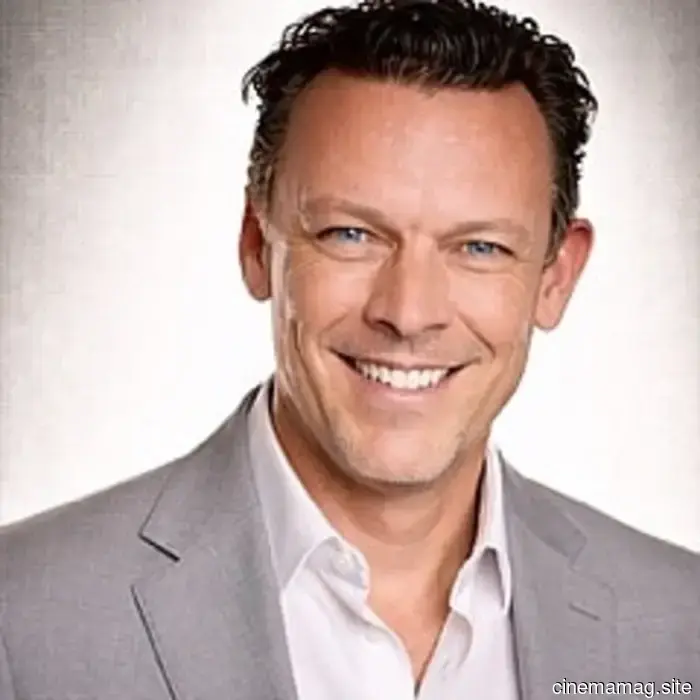
Jonas Barnes, the founder of Pixie USA, discusses the future of industry verticals.
“This is what’s keeping Hollywood alive at the moment,” says Pixie USA founder and CEO Jonas Barnes, referring to verticals, or micro-dramas that people consume on their phones. “I’d estimate that about half of the Los Angeles film industry is currently engaged in these projects.”
If you're familiar with verticals, you’ve likely encountered some criticism as well. These highly addictive feature-length narratives are segmented into approximately two-minute episodes, focusing heavily on relationships and romance.
While they often do not pay creators well, they provide ample work opportunities. As Hollywood executives strive to monitor industry trends to protect their jobs (and those of others), verticals are serving as a temporary solution for some cast and crew members, though it’s not a universally adored option.
Yet.
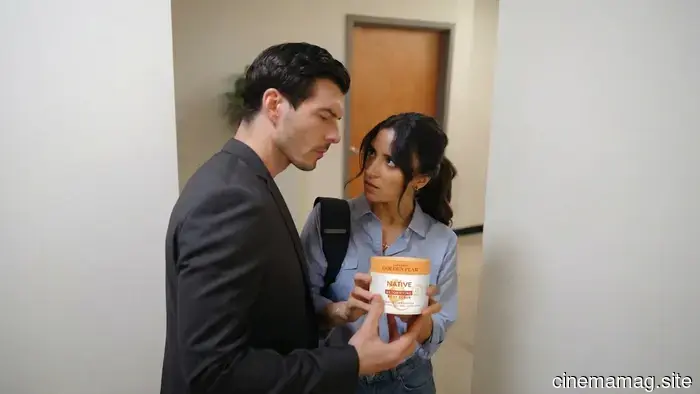
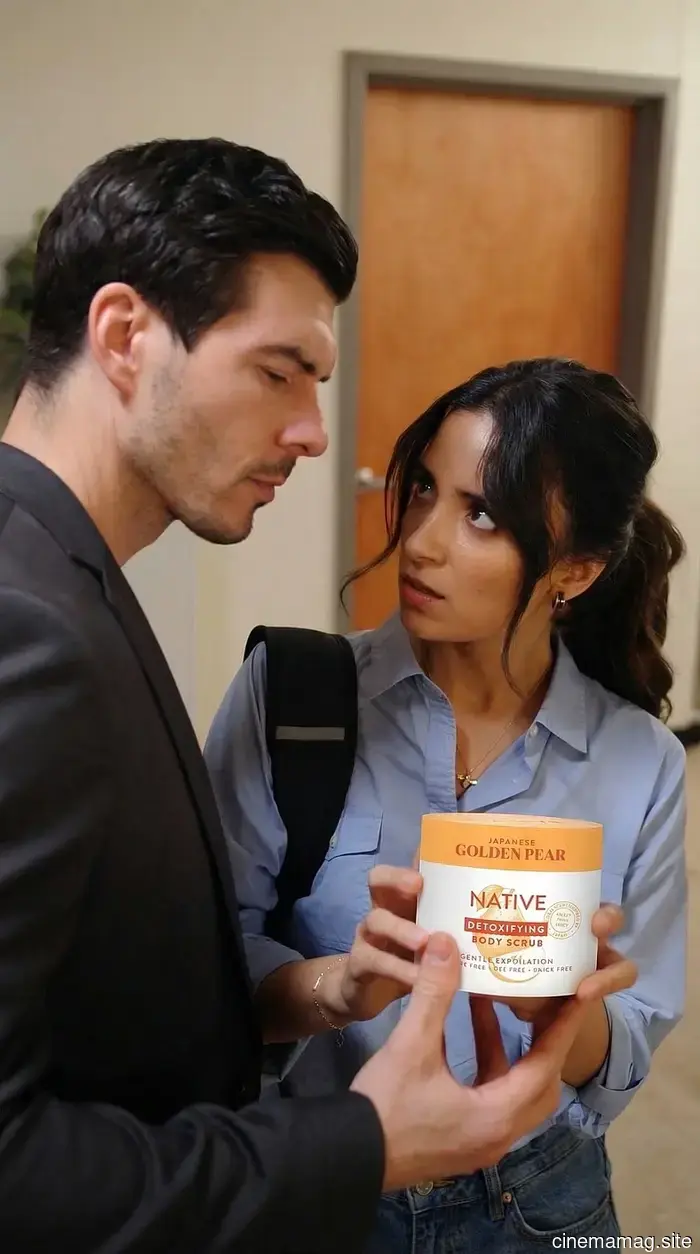
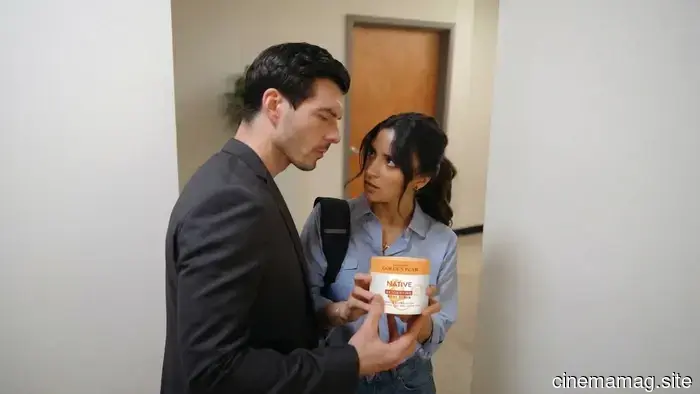
A vertical adaptation of the main image showcases stars Nick Ritacco and Alyona from The Golden Pear Affair. Pixie USA.
Barnes sees significant potential for enhancement and opportunity. He believes there is a wide-open niche for an approach to verticals that can be beneficial for creators, audiences, and sponsors alike. His company, Pixie USA, produces verticals aimed at showcasing businesses looking for innovative ways to promote their brands and foster audience loyalty.
With everyone carrying a phone in their pocket or purse, they are just seconds away from viewing a vertical if it’s well executed.
Jonas Barnes. Pixie USA.
Barnes discovered the impact of short films during his time as a student at UC San Diego. Notably, he is not short himself; standing at 6’8", he played for the university’s basketball team.
He recalls how his coach would guide him and other players toward less challenging classes to prioritize their sport, and one of his classes required attending various arts events—plays, concerts, ballets. At one point, students had to create something that combined several artistic forms.
“So I thought, ‘Music… acting… that’s a movie!’ and I created a brief two-minute film. It received great feedback; people said, ‘Dude, that was awesome.’ Probably because it was only two minutes while everyone else had a 20-minute presentation,” Barnes reflects. “That was my first lesson in ‘Shorter is better.'"
When a broken ankle sidelined him from basketball, he opted to pursue a career in film. He approached the San Diego film commission and learned he could register as a local hire in various departments—a move that few others had made.
This led him to crew positions, and in the late '90s, he relocated to Los Angeles, where he worked with Neal Moritz, who was on his way to becoming one of Hollywood’s most successful producers (notable for hits like the Fast & Furious and Sonic the Hedgehog franchises).
Barnes dedicated two decades to working with Moritz, initially as a writer and producer on films such as 2017’s S.W.A.T.: Under Siege. He began to concentrate on brand integrations, involving brands paying for product placements within films.
Last year, Barnes launched Pixie USA with a mission to create entire micro-drama productions around brands.
While he can't divulge specifics on some of his projects due to NDAs, his most significant launch to date is The Golden Pear Affair, a 55-episode micro-drama developed in partnership with Procter & Gamble’s Native brand.
He was drawn to verticals partly because of their rapid turnaround time.
“I was examining the model when I realized, ‘Oh, this is actually ideal for brands. It has a three-month turnaround. You know you’re recouping within six months. Your investment returns to you quickly.’”
About Verticals, or Micro-Dramas
Verticals have faced challenges since their inception.
They made a much-anticipated debut with Quibi, the short-lived streaming service founded by Jeffrey Katzenberg and led by Meg Whitman. Promising stories in both vertical and traditional horizontal formats, they raised over $1.75 billion from investors with the aim of captivating audiences seeking short-form entertainment while commuting or waiting in line.
Unfortunately, Quibi launched during pandemic lockdowns when few people were out and about waiting for public transport or appointments. The company also overspent on high-profile contracts with A-list creators, leading to unsustainable overhead costs (for example, Antoine Fuqua had a deal for a $15 million project). Ultimately, Quibi’s library sold to Roku for under $100 million.
Today's verticals are considerably different: entire project budgets often fall below $250,000, and productions, including actors, tend to be non-union—meaning they generally lack well-known names. They consist of feature-length stories divided into approximately two-minute episodes. Some episodes can be accessed for free, possibly on TikTok or Instagram, with the remainder available behind a paywall.
The largest producers of verticals include the Chinese company ReelShort and Holywater Tech, founded in 2020 by two Ukrainian entrepreneurs, which operates the

Other articles
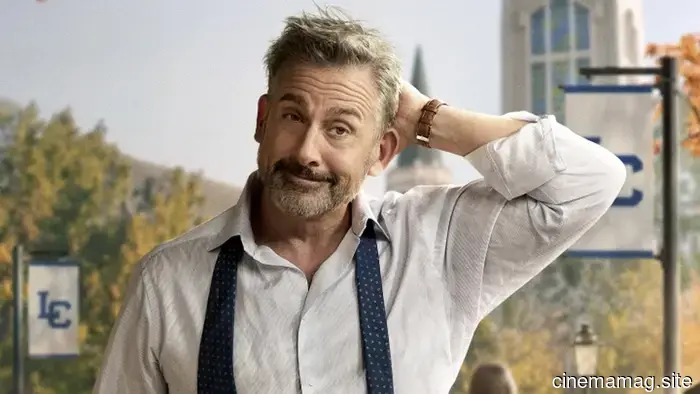 Steve Carell's "Rooster" has been renewed for a second season.
HBO has confirmed a second season for its popular comedy Rooster. The show features Steve Carell, who plays an author-turned-college professor attempting to bond with his daughter amidst…
Steve Carell's "Rooster" has been renewed for a second season.
HBO has confirmed a second season for its popular comedy Rooster. The show features Steve Carell, who plays an author-turned-college professor attempting to bond with his daughter amidst…
 Greet Frank in the trailer for Marvel's The Punisher: One Last Kill.
Marvel has unveiled the official trailer for its upcoming Special Presentation, The Punisher: One Last Kill, featuring Jon Bernthal reprising his role as Frank Castle/The Punisher with the iconic skull once more.
Greet Frank in the trailer for Marvel's The Punisher: One Last Kill.
Marvel has unveiled the official trailer for its upcoming Special Presentation, The Punisher: One Last Kill, featuring Jon Bernthal reprising his role as Frank Castle/The Punisher with the iconic skull once more.
 New to Streaming: EPiC: Elvis Presley Live, My Father’s Shadow, Dreams, The President’s Cake & More
Every week, we spotlight significant titles that have recently become available on streaming services in the United States. Take a look at this week's picks below and previous compilations here. Dreams (Michel Franco) After Memory, Michel Franco and Jessica Chastain come together once again for Dreams, which stands out as one of the director's most impressive works, focusing on a socialite who embarks on a journey.
New to Streaming: EPiC: Elvis Presley Live, My Father’s Shadow, Dreams, The President’s Cake & More
Every week, we spotlight significant titles that have recently become available on streaming services in the United States. Take a look at this week's picks below and previous compilations here. Dreams (Michel Franco) After Memory, Michel Franco and Jessica Chastain come together once again for Dreams, which stands out as one of the director's most impressive works, focusing on a socialite who embarks on a journey.
 Jonas Barnes, the founder of Pixie USA, discusses the future of various verticals.
Jonas Barnes, the founder of Pixie USA, states that sponsored productions can revolutionize various verticals.
Jonas Barnes, the founder of Pixie USA, discusses the future of various verticals.
Jonas Barnes, the founder of Pixie USA, states that sponsored productions can revolutionize various verticals.
 Top Sports Movies That Still Make an Impact in 2026: 7 Must-See Films
A verified analysis of well-known sports movies, including Rocky, Raging Bull, Hoop Dreams, Moneyball, Hoosiers, and A League of Their Own.
Top Sports Movies That Still Make an Impact in 2026: 7 Must-See Films
A verified analysis of well-known sports movies, including Rocky, Raging Bull, Hoop Dreams, Moneyball, Hoosiers, and A League of Their Own.
Jonas Barnes, the founder of Pixie USA, discusses the future of industry verticals.
Jonas Barnes, the founder of Pixie USA, believes that verticals can be revolutionized by means of sponsored productions.