
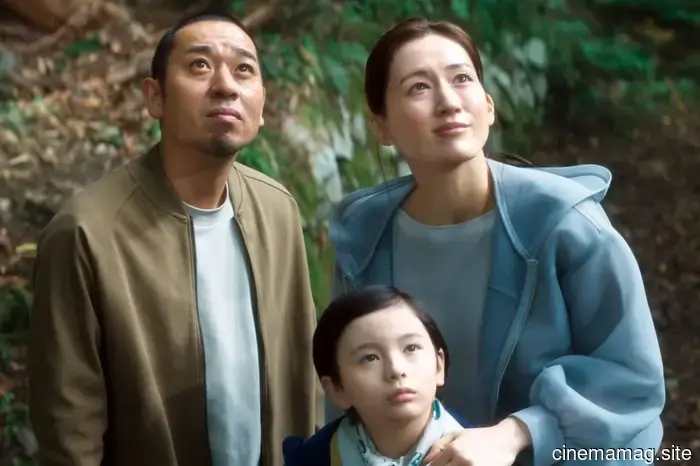
Giving Form to the Deceased: An Exclusive Interview with Director Hirokazu Kore-eda on Sheep in the Box
Robert Kojder speaks with Sheep in the Box director Hirokazu Kore-eda…
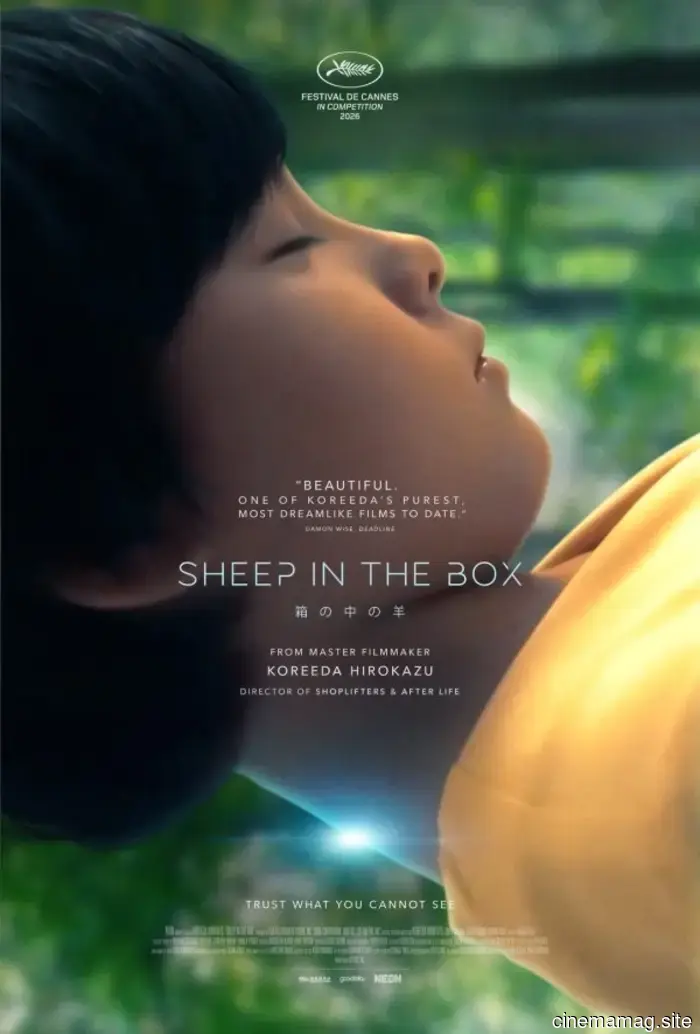
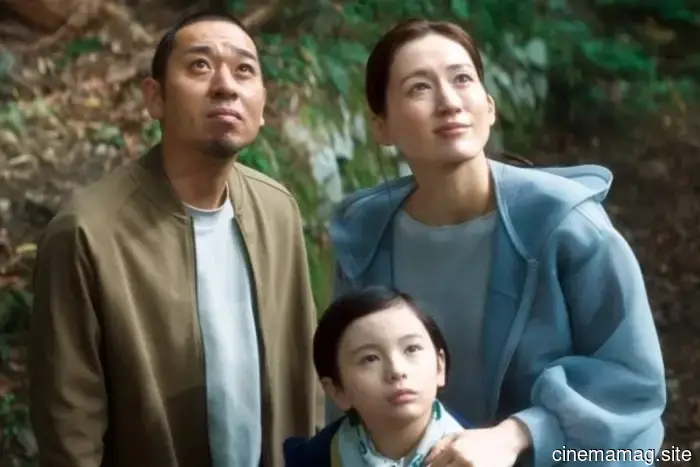
Renowned for his beautifully crafted, emotionally resonant (and at times heart-wrenching) films, Hirokazu Kore-eda has experienced tremendous success with works like Shoplifters, Broker, and Monster. He draws creative inspiration from how technology companies utilize personal data to create forms of resurrection. However, as he articulates in the interview below, his intent with Sheep in the Box wasn’t primarily to comment on AI or tech corporations, but rather to use those elements as a medium to explore themes of death and the afterlife, woven into his typical exploration of family dynamics. While I find the film captivating and commendable, I also feel it doesn't entirely succeed (possibly making an unintentional case for human-AI coexistence), but it undeniably remains too intriguing to overlook.
Given that young Rimu Kuwaki portrays a humanoid character, I thought it would be a great opportunity to ask the esteemed Japanese filmmaker about his experiences working with children and how this differed or resembled his previous projects, particularly given the role's nature. There are insights on how the titular Sheep in the Box reference from The Little Prince found its way into the screenplay, adding humor to an otherwise somber narrative, and about the production design of the family home (worth discussing, considering the mother’s profession as an architect). It was also a pleasure to explore what continues to inspire him to create films centered on various family types throughout the decades (both biological and chosen).
Responding through a translator, I am grateful that Hirokazu Kore-eda responds to every question with care and consideration, even if it requires a pause of around 20 seconds to reflect deeply. His presence is as calming as watching one of his films. The conversation is not only enlightening but also a genuine privilege. Enjoy the interview below:
I’ve been a fan of your work for some time, so I’d like to start with a broad question about what drives you to create films centered on different family dynamics.
What compels me to create family dramas is observing the shift in my perspective over time. There’s a distinction in the films I made when my parents were alive, those I created after their passing, and now the films I make as a parent. I find it fascinating how my perception of family evolves as I navigate through life. I can see my viewpoint transitioning from that of a child to that of a parent. Reflecting real-life experiences in my filmmaking is particularly interesting to me. This is why I have explored family dramas in my work across different stages of my life in my 30s, 40s, 50s, and now 60s.
Many of your films evoke strong emotions, and this one is no different, but it leans into a more philosophical and contemplative tone, as if you are wrestling with AI advancements and their implications. Was part of creating this film a way for you to clarify your own thoughts or enhance your understanding of this technology?
This film wasn’t intended as a way to grasp AI. Instead, it served as a means for me to contemplate death. AI and generative AI function as a lens to explore this narrative; I was intrigued by the concept of the deceased and how the living navigate life. Death typically lacks a tangible form, but by giving the dead a physical representation, I aim to delve into our handling of death and bereavement.
How did you weave The Little Prince into your screenplay? Did you know from the outset that it would feature in the film?
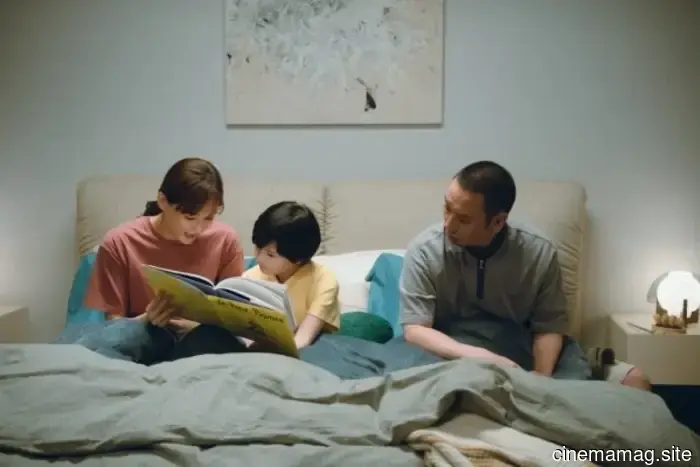
No, that element emerged midway through the scriptwriting process. Initially, the film had a different title, but I wanted a scenario in which, once the child returned, the family attempts to recreate a semblance of the daily life they shared with him. It felt fitting for the mother to read a story to the boy, as this was a ritual they shared while he was alive. When I considered what book they might read, I wanted to incorporate something that reflected the humanoid's inability to grasp the story's concepts, perhaps through a motif that was either physical or more imaginative.
Imagination seemed more intriguing to me due to its abstract nature. After dreaming up the phrase related to The Little Prince, I revisited the book and crafted the scene where they purchase a snow globe featuring the titular character, as well as the moment when the prince is released from the snow globe. This allowed me to see how the story could provide a structural framework for the film itself. That was when I returned to rename the film and sought to integrate that story more centrally into the narrative.
Rimu Kuwaki delivers an excellent performance in a role that poses a unique challenge for a child. Can you discuss the similarities and differences compared to working with other child actors?
I wouldn’t say the directing process with Rimu was fundamentally different than with other children in my past films. This film primarily focuses on how adults

Other articles
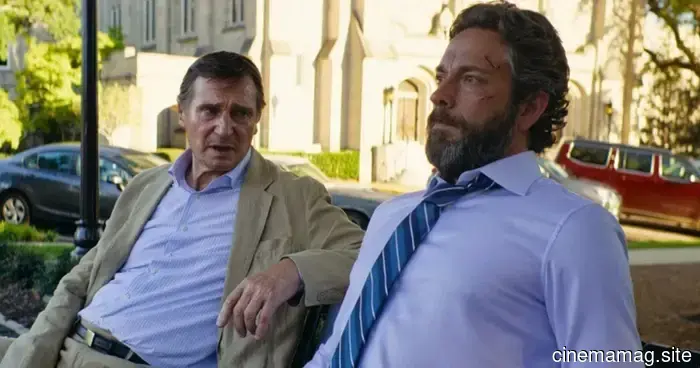 Trailer for the action thriller The Fix featuring Liam Neeson and Zachary Levi.
Briarcliff Entertainment has unveiled a trailer for The Fix, an upcoming action thriller directed by Guy Moshe (Bunraku). The story centers around a team of former CIA operatives who are troubled by a past mission…
Trailer for the action thriller The Fix featuring Liam Neeson and Zachary Levi.
Briarcliff Entertainment has unveiled a trailer for The Fix, an upcoming action thriller directed by Guy Moshe (Bunraku). The story centers around a team of former CIA operatives who are troubled by a past mission…
 Will Christopher Nolan's The Odyssey be the final traditional epic?
Christopher Nolan has presented a stunning, predominantly practical, classic epic with The Odyssey. Will it be achieved again? The Odyssey has been in development for years amid eager anticipation from Nolan...
Will Christopher Nolan's The Odyssey be the final traditional epic?
Christopher Nolan has presented a stunning, predominantly practical, classic epic with The Odyssey. Will it be achieved again? The Odyssey has been in development for years amid eager anticipation from Nolan...
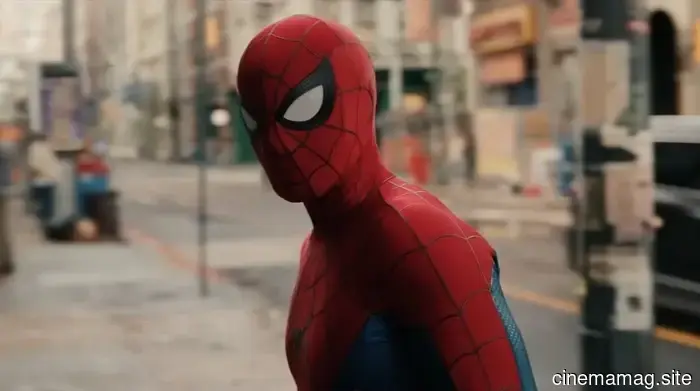 Peter Parker battles for a world that has forgotten him in the final trailer for Spider-Man: Brand New Day.
With only two weeks remaining before Spider-Man returns to theaters for the first time since the $1.9 billion box office hit No Way Home, Sony Pictures and Marvel Studios have released the final trailer...
Peter Parker battles for a world that has forgotten him in the final trailer for Spider-Man: Brand New Day.
With only two weeks remaining before Spider-Man returns to theaters for the first time since the $1.9 billion box office hit No Way Home, Sony Pictures and Marvel Studios have released the final trailer...
 Will Christopher Nolan's The Odyssey be the final classic epic ever made?
Christopher Nolan has created a stunning, primarily practical, classic epic with The Odyssey. Will it ever be replicated? The Odyssey has been in development for years, with eager anticipation from fans of Nolan...
Will Christopher Nolan's The Odyssey be the final classic epic ever made?
Christopher Nolan has created a stunning, primarily practical, classic epic with The Odyssey. Will it ever be replicated? The Odyssey has been in development for years, with eager anticipation from fans of Nolan...
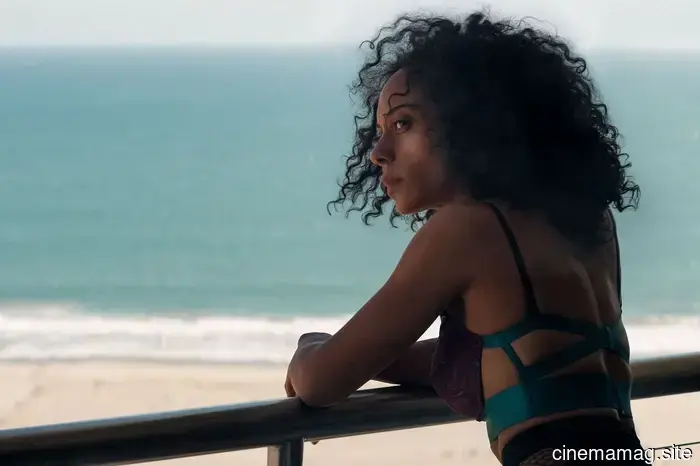 Misty Green Trailer: Rosalind Eleazar, Adam Driver, Daniel Kaluuya, Anna Kendrick, and Topher Grace Star in Chris Rock’s Drama
Chris Rock's first directorial project in 12 years, titled Misty Green, is scheduled to have its world premiere at TIFF 2026. The film features a cast that includes Rosalind Eleazar, Adam Driver, Daniel Kaluuya, Anna Kendrick, Topher Grace, and Chris Rock himself. A24 has dropped the first trailer in anticipation of the premiere and the film's release in October. Here’s a summary.
Misty Green Trailer: Rosalind Eleazar, Adam Driver, Daniel Kaluuya, Anna Kendrick, and Topher Grace Star in Chris Rock’s Drama
Chris Rock's first directorial project in 12 years, titled Misty Green, is scheduled to have its world premiere at TIFF 2026. The film features a cast that includes Rosalind Eleazar, Adam Driver, Daniel Kaluuya, Anna Kendrick, Topher Grace, and Chris Rock himself. A24 has dropped the first trailer in anticipation of the premiere and the film's release in October. Here’s a summary.
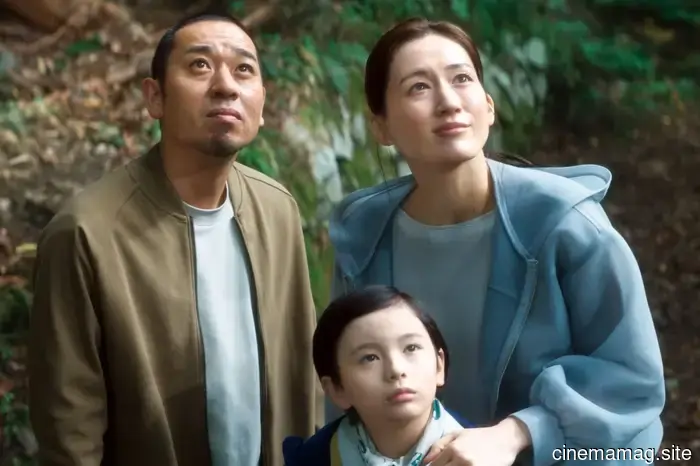 Providing the Deceased with a Tangible Form: Director Hirokazu Kore-eda Discusses Sheep in the Box – Exclusive Interview
Robert Kojder interviews Hirokazu Kore-eda, the director of Sheep in the Box… Renowned for his profoundly beautiful and emotionally impactful (and at times heartbreaking) films, director Hirokazu Kore-eda, who has b…
Providing the Deceased with a Tangible Form: Director Hirokazu Kore-eda Discusses Sheep in the Box – Exclusive Interview
Robert Kojder interviews Hirokazu Kore-eda, the director of Sheep in the Box… Renowned for his profoundly beautiful and emotionally impactful (and at times heartbreaking) films, director Hirokazu Kore-eda, who has b…
Giving Form to the Deceased: An Exclusive Interview with Director Hirokazu Kore-eda on Sheep in the Box
Robert Kojder speaks with Hirokazu Kore-eda, the director of Sheep in the Box. Renowned for creating stunning, emotionally impactful (and at times heartbreaking) films, director Hirokazu Kore-eda has...