
Providing the Deceased with a Tangible Form: Director Hirokazu Kore-eda Discusses Sheep in the Box – Exclusive Interview
Robert Kojder converses with Sheep in the Box director Hirokazu Kore-eda…
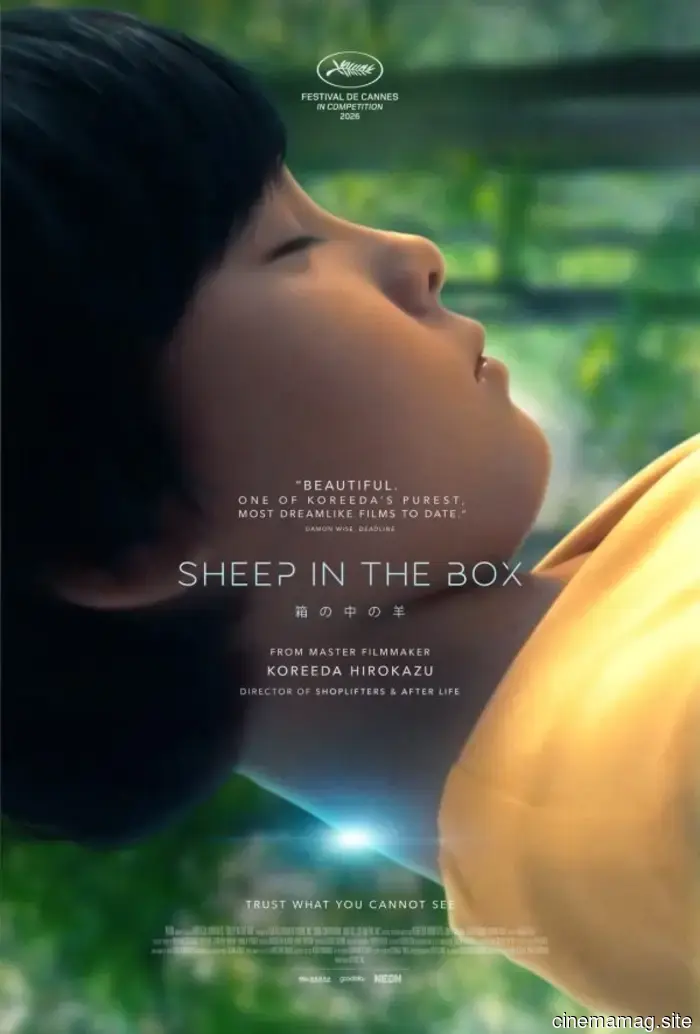
Renowned for his poignant and visually stunning films, Hirokazu Kore-eda has achieved remarkable success with works like Shoplifters, Broker, and Monster. He expresses a creative inspiration drawn from how tech companies are using personal data to recreate the deceased in some manner. However, as he elaborates in the interview below, his intent with Sheep in the Box wasn't explicitly to create a film about AI or those corporations, but rather to utilize them as a medium to explore themes of life after death, woven into his typical focus on family dynamics. While I find the film to be intriguing and admire its ambition—though I feel it doesn't entirely succeed—it nevertheless presents ideas that are too captivating to overlook.
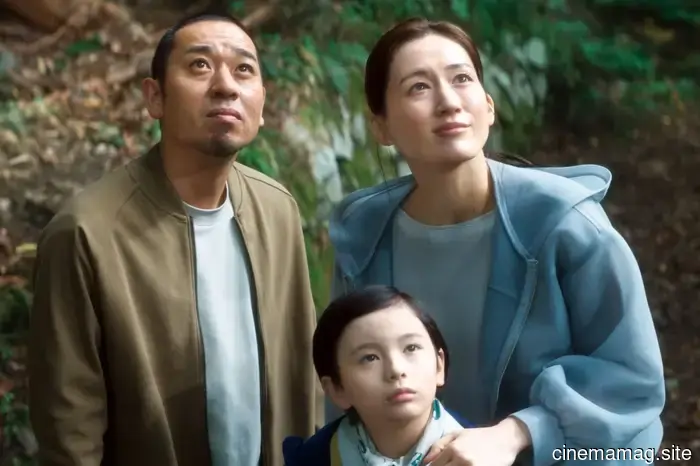
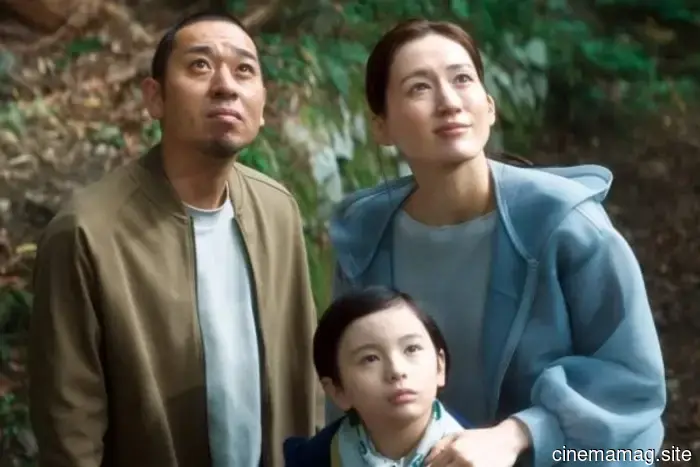
Given that young Rimu Kuwaki portrays a humanoid character, I felt it was a fitting occasion to inquire with the esteemed Japanese filmmaker about collaborating with children and how this experience compared with past projects, especially in relation to the unique role and performance. We also discussed the incorporation of the Sheep in the Box segment from The Little Prince into the screenplay, which adds a layer of humor to an otherwise somber tale, as well as the production design of the family home, especially since the mother is an architect. Additionally, it was a pleasure to ask him about his long-standing interest in creating films centered around various forms of families.
Responding through a translator, I greatly appreciate how Hirokazu Kore-eda thoughtfully considers each inquiry, even if it requires him to pause for about 20 seconds to reflect. His demeanor mirrors the calm essence found in his films. The dialogue was not only enlightening but also a privilege to engage in. Enjoy the interview below:
I’ve admired your work for some time, so I’d like to start with a broad question about what drives you to create films focusing on diverse family dynamics?
I believe my motivation for exploring family dramas stems from recognizing the shifts in my perspective over time. There is a distinction between the films I made while my parents were alive, those I created after their passing, and the ones I am working on now that I have children. Observing how the concept and perception of family evolve as I journey through life fascinates me. I notice a transition in my viewpoint from that of a child to that of a parent. This real-life experience influencing my filmmaking is intriguing, which explains why I have depicted family dramas at different stages of my life in my 30s, 40s, 50s, and now 60s.
Many of your films evoke deep emotions, and this one does as well, but it also delves into a more philosophical realm, suggesting that you are contemplating advancements in AI technology and their implications. Did making this film serve as a means of processing your own thoughts or deepening your understanding of this technology?
The film wasn’t intended as a way for me to grasp AI. Instead, it served to help me explore the concept of death. AI and generative AI act as a gateway for examining this theme within the film. My curiosity lies with the dead and the ways in which the living continue on. Death and those who have passed generally lack a physical form, but by giving the deceased a tangible shape, I aim to understand our approaches to mortality and grief.
How did you weave The Little Prince into your screenplay? Did you plan to include it from the outset?
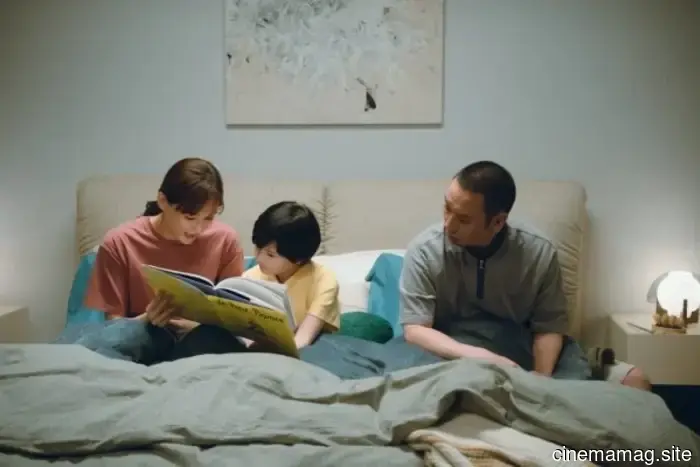
No, its inclusion happened during the scriptwriting process. Initially, the film had a different title, but I wanted a narrative where, once the child returns, the family attempts to recreate their past daily life. It seemed fitting for the mother to read a story to the boy, a ritual they engaged in when he was alive. As I contemplated what book they should share, I wanted it to resonate with the humanoid's lack of understanding of the story’s themes. This led me to the motif of blending something physical with imaginations.
Imagination intrigued me due to its abstract nature. After conceptualizing that phrase related to The Little Prince, I revisited the text. I then crafted the scenes where they purchase a snow globe featuring The Little Prince and free him from it. This process helped me realize how that story contributed to the framework of my film. It was at that point that I revised the film’s title and endeavored to give that narrative a more pivotal role.
Rimu Kuwaki excels in a role that's quite challenging for a child, differing from other young actors you’ve directed. Can you discuss the similarities and differences in this process?
Directing Rimu was largely similar to my experiences with other child actors in previous films. The focus was primarily on how adults react to what the humanoid expresses. The child’s statements could catch the adults off guard, instill fear, or provoke concern. Thus, I was quite meticulous in guiding those interactions between the adults and Rimu. Nonetheless, I didn't instruct Rimu to act

Other articles
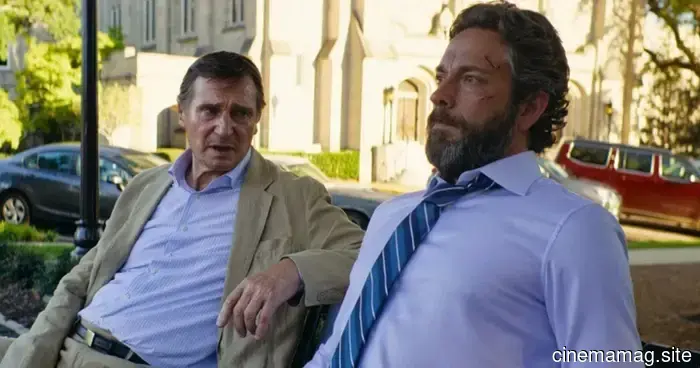 Trailer for the action thriller The Fix featuring Liam Neeson and Zachary Levi.
Briarcliff Entertainment has unveiled a trailer for The Fix, an upcoming action thriller directed by Guy Moshe (Bunraku). The story centers around a team of former CIA operatives who are troubled by a past mission…
Trailer for the action thriller The Fix featuring Liam Neeson and Zachary Levi.
Briarcliff Entertainment has unveiled a trailer for The Fix, an upcoming action thriller directed by Guy Moshe (Bunraku). The story centers around a team of former CIA operatives who are troubled by a past mission…
 Will Christopher Nolan's The Odyssey be the final classic epic ever made?
Christopher Nolan has created a stunning, primarily practical, classic epic with The Odyssey. Will it ever be replicated? The Odyssey has been in development for years, with eager anticipation from fans of Nolan...
Will Christopher Nolan's The Odyssey be the final classic epic ever made?
Christopher Nolan has created a stunning, primarily practical, classic epic with The Odyssey. Will it ever be replicated? The Odyssey has been in development for years, with eager anticipation from fans of Nolan...
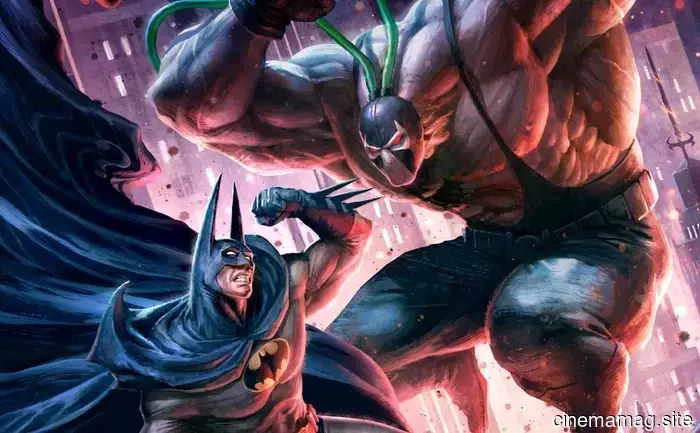 The trailer for Batman: Knightfall Part 1 reveals a summer release date.
DC has unveiled the official trailer for its forthcoming animated film, Batman: Knightfall Part 1: Knightfall, which adapts the legendary storyline featuring Bane's debut in the initial segment of a...
The trailer for Batman: Knightfall Part 1 reveals a summer release date.
DC has unveiled the official trailer for its forthcoming animated film, Batman: Knightfall Part 1: Knightfall, which adapts the legendary storyline featuring Bane's debut in the initial segment of a...
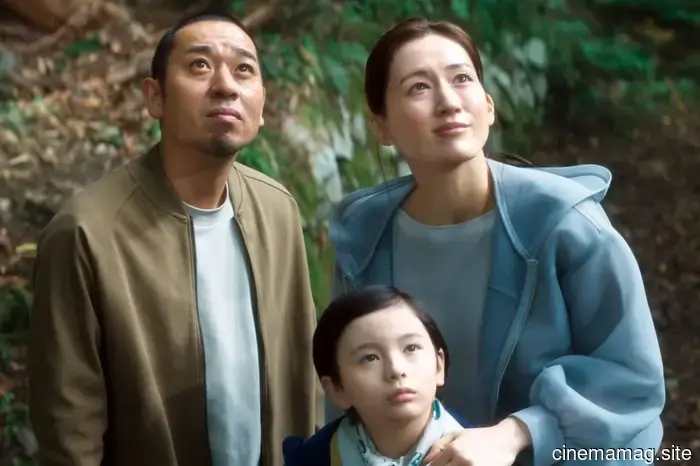 Giving Form to the Deceased: An Exclusive Interview with Director Hirokazu Kore-eda on Sheep in the Box
Robert Kojder speaks with Hirokazu Kore-eda, the director of Sheep in the Box. Renowned for creating stunning, emotionally impactful (and at times heartbreaking) films, director Hirokazu Kore-eda has...
Giving Form to the Deceased: An Exclusive Interview with Director Hirokazu Kore-eda on Sheep in the Box
Robert Kojder speaks with Hirokazu Kore-eda, the director of Sheep in the Box. Renowned for creating stunning, emotionally impactful (and at times heartbreaking) films, director Hirokazu Kore-eda has...
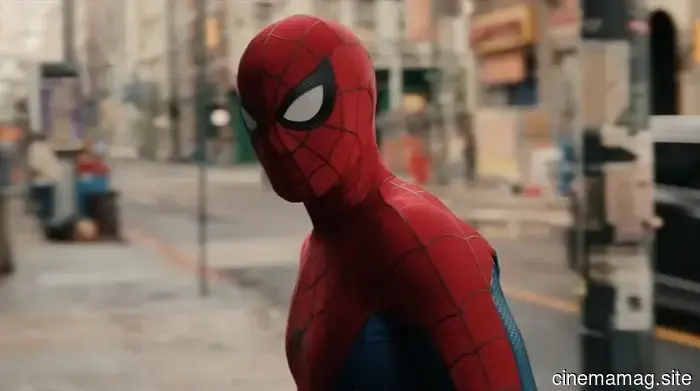 In the final trailer for Spider-Man: Brand New Day, Peter Parker battles for a world that no longer remembers him.
With only two weeks remaining until Spider-Man returns to theaters for the first time since the $1.9 billion-grossing No Way Home, Sony Pictures and Marvel Studios have released the final trailer...
In the final trailer for Spider-Man: Brand New Day, Peter Parker battles for a world that no longer remembers him.
With only two weeks remaining until Spider-Man returns to theaters for the first time since the $1.9 billion-grossing No Way Home, Sony Pictures and Marvel Studios have released the final trailer...
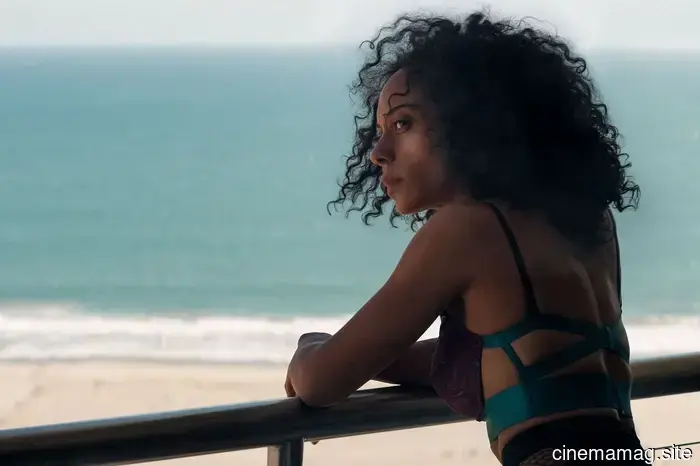 Misty Green Trailer: Rosalind Eleazar, Adam Driver, Daniel Kaluuya, Anna Kendrick, and Topher Grace Star in Chris Rock’s Drama
Chris Rock's first directorial project in 12 years, titled Misty Green, is scheduled to have its world premiere at TIFF 2026. The film features a cast that includes Rosalind Eleazar, Adam Driver, Daniel Kaluuya, Anna Kendrick, Topher Grace, and Chris Rock himself. A24 has dropped the first trailer in anticipation of the premiere and the film's release in October. Here’s a summary.
Misty Green Trailer: Rosalind Eleazar, Adam Driver, Daniel Kaluuya, Anna Kendrick, and Topher Grace Star in Chris Rock’s Drama
Chris Rock's first directorial project in 12 years, titled Misty Green, is scheduled to have its world premiere at TIFF 2026. The film features a cast that includes Rosalind Eleazar, Adam Driver, Daniel Kaluuya, Anna Kendrick, Topher Grace, and Chris Rock himself. A24 has dropped the first trailer in anticipation of the premiere and the film's release in October. Here’s a summary.
Providing the Deceased with a Tangible Form: Director Hirokazu Kore-eda Discusses Sheep in the Box – Exclusive Interview
Robert Kojder interviews Hirokazu Kore-eda, the director of Sheep in the Box… Renowned for his profoundly beautiful and emotionally impactful (and at times heartbreaking) films, director Hirokazu Kore-eda, who has b…