
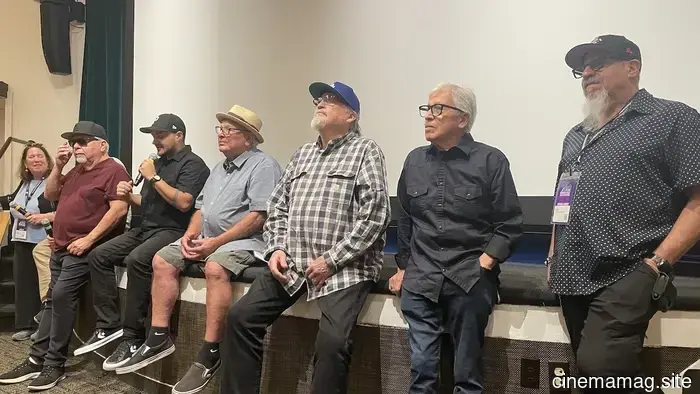
Los Lobos llega al Festival de Cine de Woods Hole para reflexionar sobre el pasado y el futuro con el documental 'Native Sons'.
Piero F. Giunti was in a meeting with Los Lobos when he suddenly exclaimed, “What would it take to create a documentary?”
"They replied, ‘I don’t know, pitch it,’” Giunti recounted. “I said, ‘I am.’”
This led to the creation of Los Lobos: Native Sons, an engaging new documentary that was screened on Sunday at the beloved Woods Hole Film Festival. All five members of Los Lobos — the band that celebrated its 50th anniversary in 2023 — were present after performing a show in nearby Falls River, Massachusetts the night prior.
Cesar Rosas, Conrad Lozano, David Hidalgo, Louie Pérez, and Steve Berlin enthusiastically responded to questions from Woods Hole fans, who honored them and the documentary with a standing ovation.
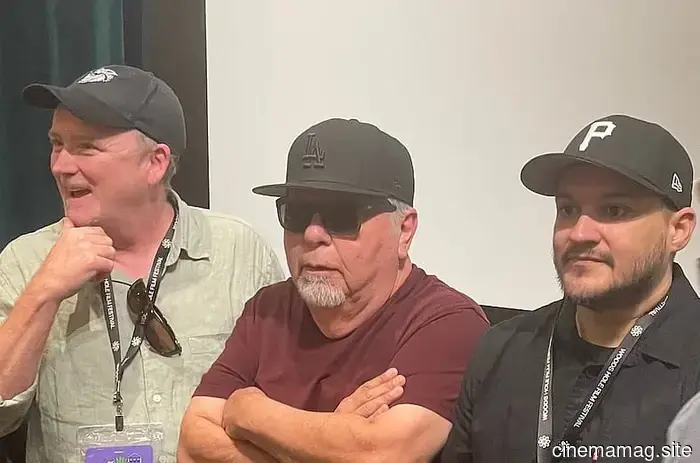
After the screening of Los Lobos: Native Sons, directors Doug Blush, left, and Piero F. Giunti, right, joined Cesar Rosas, center. MovieMaker
Giunti, an avid fan of Los Lobos and a photographer who captured the covers of two recent albums, co-directed the film with renowned documentarian Doug Blush. During their initial meeting about a potential collaboration, Blush demonstrated his fandom by recalling a specific detail about the track sequencing on the band's classic 1984 album How Will the Wolf Survive.
“True fans know that there’s a song that comes right before ‘Will the Wolf Survive,’ and the label made them remove it to make two songs,” Giunti recalled. “As soon as he mentioned that, I thought, ‘Okay, you’re in.’”
The documentary chronicles the band's journey from performing traditional Mexican music on instruments they salvaged to going electric and integrating into the L.A. punk and rockabilly scenes. With How Will the Wolf Survive, they shifted towards insightful, folk-influenced social commentary. They gained significant recognition through the soundtrack of the 1987 Ritchie Valens biopic La Bamba, which could have led them to a career as a nostalgia act.
Instead, they made bold artistic decisions, such as producing an album of traditional Mexican folk songs and their unclassifiable masterpiece, 1992’s Kiko and the Lavender Moon. Throughout their career, they became versatile across many genres, attracting fans from Elvis Costello to Waylon Jennings to Tom Waits to the Wu-Tang Clan.
As Woods Hole Film Festival founder and executive director Judy Laster stated on Sunday, they are “one of the baddest bands ever.”
Los Lobos on 'Showing Who We Are'
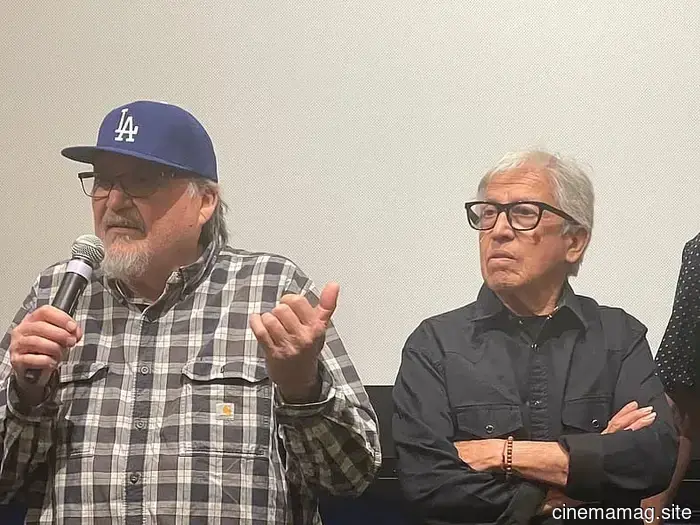
David Hidalgo, left, and Louie Pérez after the Woods Hole Film Festival screening of Los Lobos: Native Sons. MovieMaker
The group emerged alongside the Chicano Civil Rights Movements of the 1970s. Although they have recorded songs addressing immigration and environmental protection, they never intended to be overtly political.
“The Chicano movement encompassed everything from the arts to very serious political matters,” Rosas said. “Numerous Chicano, Mexican-American young muralists and artists were actively expressing themselves, and we took care of the music side.”
Hidalgo elaborated: “When we entered the scene, we noticed that no one was highlighting the art or the beauty. That’s what motivated us: we could be political simply by showcasing who we are.”
“Everything around us was typically status quo,” Pérez observed. “Our generation was one of the first to speak up and attempt to create change.”
He pointed out that Chicano students were often directed toward manual labor and vocational classes.
“And we rejected that,” he stated. “We spoke out. The band here grew out of that."
He also shared reflections on the current global situation, emphasizing the band's ongoing popularity and relevance.
“Here we are in 2026, and there’s still much more to accomplish,” Pérez remarked.
The band occasionally grappled with their artistic direction, especially following the success of La Bamba. However, they consistently prioritized artistry over commercial gain. The documentary revisits some tough times early in their career and notes that some of their boldest projects, like Kiko and the Lavender Moon, were met with both confusion and admiration.
Los Lobos didn’t pursue accolades; they reminisced about watching their first Grammy win on television in a New Orleans bar while on tour.
They also maintained their humor. The band members chuckled that one of their proudest moments was appearing on Sesame Street. As devoted family men, they were excited that their children could see their performance alongside Elmo — which you can watch here:
You can find more information about the Woods Hole Film Festival here, and additional festival coverage here.
Main image: (L-R) Woods Hole Film Festival founder and executive director Judy Laster with members of Los Lobos — Cesar Rosas, Conrad Lozano, David Hidalgo, Louie Pérez, and Steve Berlin.
Other articles
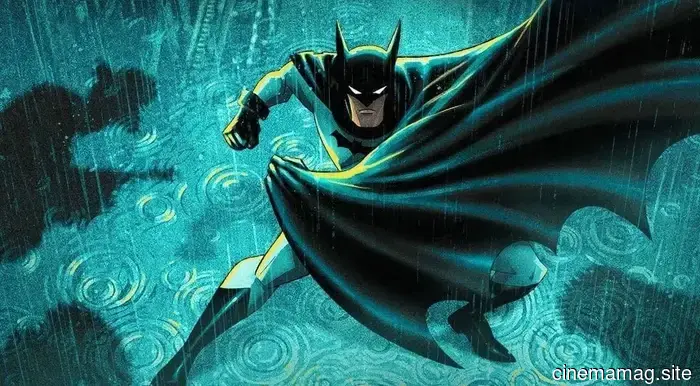 Prime Video Review – Batman: Caped Crusader Season 2
Ricky Church evaluates the second season of Batman: Caped Crusader. Following a brief hiatus, the second season of Prime Video's Batman: Caped Crusader makes its comeback in this film-noir style...
Prime Video Review – Batman: Caped Crusader Season 2
Ricky Church evaluates the second season of Batman: Caped Crusader. Following a brief hiatus, the second season of Prime Video's Batman: Caped Crusader makes its comeback in this film-noir style...
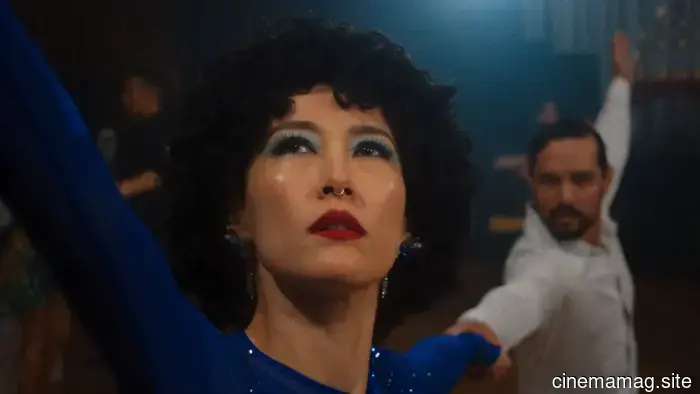 Ha-chan, Shake Your Booty! Trailer: Rinko Kikuchi Takes to the Dance Floor in Sundance Award Winner
One of the standout films at this year's Sundance Film Festival, which won the U.S. Dramatic Directing award, Josef Kubota Wladyka's stylish and poignant Ha-chan, Shake Your Booty! is set to be released this fall. In anticipation of its release on September 25, Sony Pictures Classics has unveiled the first trailer and poster for the film featuring
Ha-chan, Shake Your Booty! Trailer: Rinko Kikuchi Takes to the Dance Floor in Sundance Award Winner
One of the standout films at this year's Sundance Film Festival, which won the U.S. Dramatic Directing award, Josef Kubota Wladyka's stylish and poignant Ha-chan, Shake Your Booty! is set to be released this fall. In anticipation of its release on September 25, Sony Pictures Classics has unveiled the first trailer and poster for the film featuring
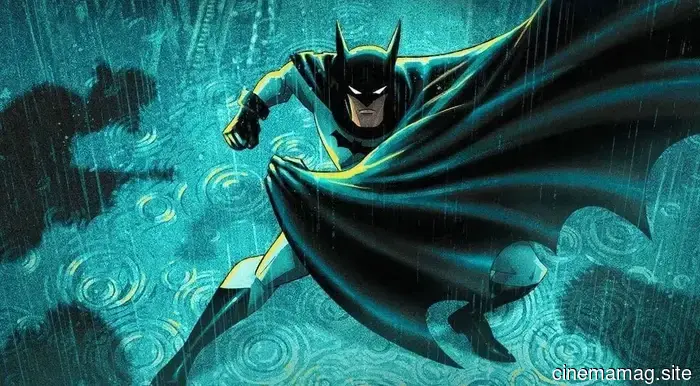 Prime Video Review – Batman: Caped Crusader Season 2
Ricky Church evaluates the second season of Batman: Caped Crusader… After a brief hiatus, Prime Video’s Batman: Caped Crusader is back with its second season, embracing a film-noir style...
Prime Video Review – Batman: Caped Crusader Season 2
Ricky Church evaluates the second season of Batman: Caped Crusader… After a brief hiatus, Prime Video’s Batman: Caped Crusader is back with its second season, embracing a film-noir style...
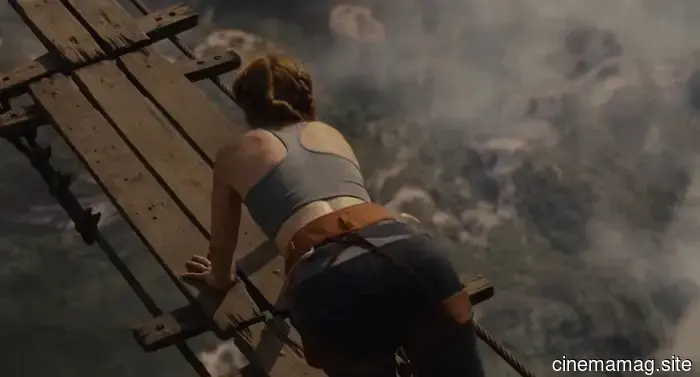 Fall 2: The Deadpoint trailer brings the action to the brink.
Lionsgate has unveiled another chilling trailer for their survival thriller sequel Fall 2: Deadpoint, featuring a mourning sister and her best friend at a height of 5,000 feet on the slopes of Mount Kwan…
Fall 2: The Deadpoint trailer brings the action to the brink.
Lionsgate has unveiled another chilling trailer for their survival thriller sequel Fall 2: Deadpoint, featuring a mourning sister and her best friend at a height of 5,000 feet on the slopes of Mount Kwan…
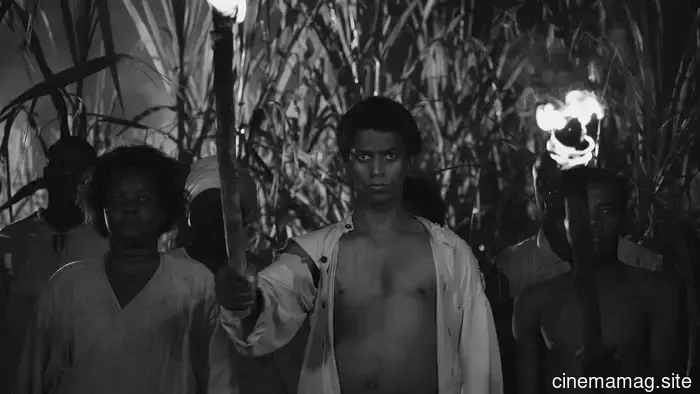 Fantasia Review: Black Zombie Delves into the Psychology, Spirituality, and Heritage of a Horror Classic
Beyond merely reclaiming the zombie theme from the instinctive backlash provoked by Night of the Living Dead, Maya Annik Bedward's Black Zombie serves to reclaim Vodou from the colonialist fear tactics that were employed to vilify Black individuals globally. In 2026, Haitians continue to be wary of acknowledging their link to the
Fantasia Review: Black Zombie Delves into the Psychology, Spirituality, and Heritage of a Horror Classic
Beyond merely reclaiming the zombie theme from the instinctive backlash provoked by Night of the Living Dead, Maya Annik Bedward's Black Zombie serves to reclaim Vodou from the colonialist fear tactics that were employed to vilify Black individuals globally. In 2026, Haitians continue to be wary of acknowledging their link to the
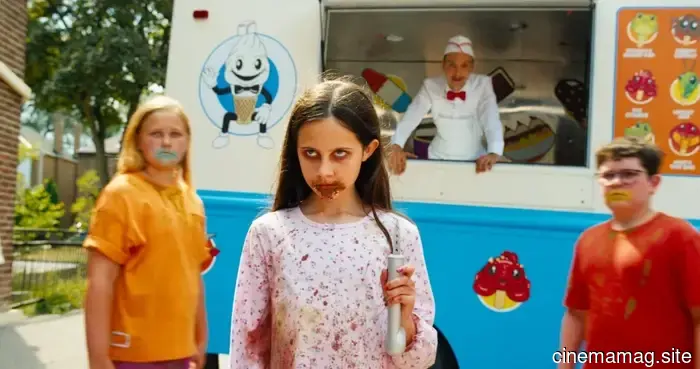 Exclusive Interview – Eli Roth States Ice Cream Man Comes With a Single Warning: “There Will Be Blood…”
EJ Moreno talks with filmmaker Eli Roth regarding Ice Cream Man… In Ice Cream Man, director Eli Roth acknowledges that he's continually attempting to surpass his own limits concerning blood and gore. Is this his bl...
Exclusive Interview – Eli Roth States Ice Cream Man Comes With a Single Warning: “There Will Be Blood…”
EJ Moreno talks with filmmaker Eli Roth regarding Ice Cream Man… In Ice Cream Man, director Eli Roth acknowledges that he's continually attempting to surpass his own limits concerning blood and gore. Is this his bl...
Los Lobos llega al Festival de Cine de Woods Hole para reflexionar sobre el pasado y el futuro con el documental 'Native Sons'.
Piero F. Giunti was in a meeting with Los Lobos when he unexpectedly exclaimed, "What would it require to create a documentary?"