
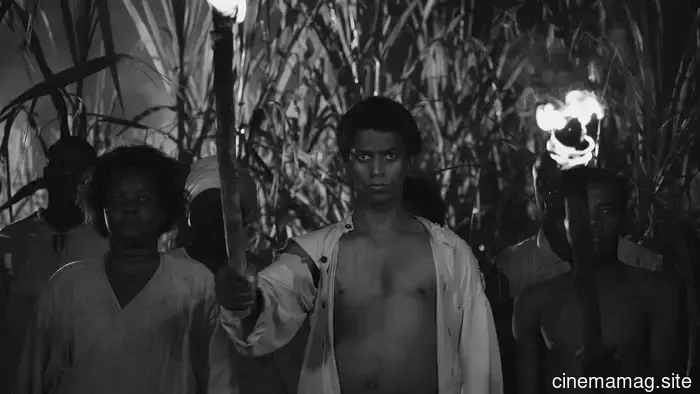
Fantasia Review: Black Zombie Delves into the Psychology, Spirituality, and Heritage of a Horror Classic
Rather than simply reclaiming the zombie motif that Night of the Living Dead sparked, Maya Annik Bedward’s Black Zombie serves to reclaim Vodou from the colonial fears that have historically used it to demonize Black individuals globally. It is now 2026, and many Haitians remain hesitant to openly acknowledge their ties to this religion. There persists an external narrative suggesting that Haiti’s recent struggles are linked to a pact made by its ancestors with the Devil.
This is why I appreciate Erol Josué’s honest reaction regarding his feelings about the film. He expresses optimism that Bedward’s intentions are genuine and that his remarks will retain contextual significance within the reality of Vodou, rather than being distorted to reinforce Hollywood’s misrepresentation. However, he admits he has been disappointed before, having witnessed filmmakers come and go, with finished products often serving as just another instance of cultural exploitation.
I hope he felt relieved after watching this work—it is a far cry from William Seabrook’s The Magic Island and Wade Davis’s The Serpent and the Rainbow. Bedward intentionally presents negative portrayals only when scholars like Dominique Taffin, John Cussans, and Kaiama L. Glover critique the representations. Instead, she allows the words and actions of Josué, Yves-Grégory Francois, and Mambo Labelle Déese Botanica to showcase the beauty of Vodou.
The film chronicles Haiti’s history to help audiences understand the origins of the term “zombie,” how it was weaponized, and its evolution, which both detaches it from its roots and reinforces stereotypes. It reveals the story of African slaves laboring in sugar cane fields, longing for death so their spirits could return to Guinea, illustrating how the concept of being a zombie acted as a spiritual prison preventing that release.
Having this context sheds new light on countless films. It shows how Night of the Living Dead’s Black lead could cause more trauma than empowerment, and how films like World War Z repurpose the “horde” as a metaphor for “othering” to dehumanize (and thus kill) without remorse. Notably, the only reason John Russo and Romero transformed their zombies into flesh-eaters was because Old Hollywood’s portrayal of Black slaves was deemed unscary.
The film includes some discussions of gore from Tom Savini, Americanized Vodou from Slash, and the ongoing fascination with zombies as cultural icons through Zombie Walk organizer Thea Munster, but Black Zombie truly shines when it explores the psychology, spirituality, and heritage that underpin these aesthetic elements. It considers horror as a form of escapism from state violence or a “zombie awakening” that leads to actual revolutionary independence.
The implications extend beyond cinema. One can trace a line from the colonial exploitation in Saint-Domingue to the Trump Administration’s targeting of Haitian immigrants—an effort to remove them from the U.S.—echoing the same racist narratives from a century ago, despite the fact that many of these individuals sustain the American elder-care system with their labor. This connection is illuminated in striking clarity.
This should not diminish other narratives, such as Zandashé Brown’s horror films that emerge from a Black perspective and take all of this into account. These elements are intertwined—gaining understanding through uncovering truths, bolstered by oral traditions as a counter to sensationalism, represents only part of the challenge. There remains a need for artists like Brown and Bedward to utilize this truth and share it with the wider audience still in need of enlightenment.
Thus, Black Zombie serves not only as an educational tool that unveils Hollywood’s indoctrination supporting colonial structures but also as a real-time response utilizing that knowledge to combat it directly, all without the necessity for deception (though the narrative surrounding Haitians integrating Vodou with Christianity is intriguing). Bedward employs fictional reenactments to begin crafting a new canon that can replace the clips from the 1930s and 1940s that exemplify Western biases. She endeavors to liberate souls.
Black Zombie was showcased at the 2026 Fantasia International Film Festival and is set to open in select theaters on September 11.
Otros artículos
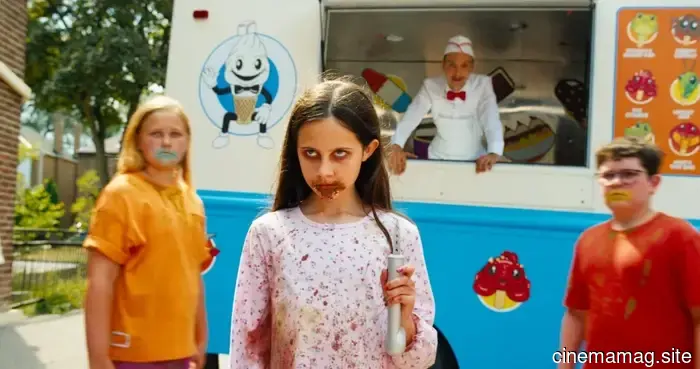 Exclusive Interview – Eli Roth States Ice Cream Man Comes With a Single Warning: “There Will Be Blood…”
EJ Moreno talks with filmmaker Eli Roth regarding Ice Cream Man… In Ice Cream Man, director Eli Roth acknowledges that he's continually attempting to surpass his own limits concerning blood and gore. Is this his bl...
Exclusive Interview – Eli Roth States Ice Cream Man Comes With a Single Warning: “There Will Be Blood…”
EJ Moreno talks with filmmaker Eli Roth regarding Ice Cream Man… In Ice Cream Man, director Eli Roth acknowledges that he's continually attempting to surpass his own limits concerning blood and gore. Is this his bl...
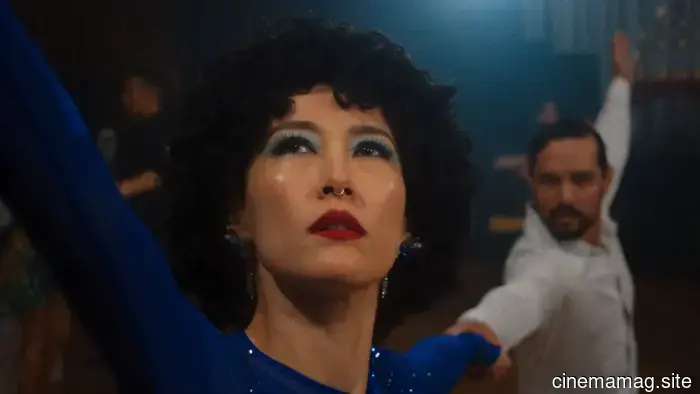 Ha-chan, Shake Your Booty! Trailer: Rinko Kikuchi Takes to the Dance Floor in Sundance Award Winner
One of the standout films at this year's Sundance Film Festival, which won the U.S. Dramatic Directing award, Josef Kubota Wladyka's stylish and poignant Ha-chan, Shake Your Booty! is set to be released this fall. In anticipation of its release on September 25, Sony Pictures Classics has unveiled the first trailer and poster for the film featuring
Ha-chan, Shake Your Booty! Trailer: Rinko Kikuchi Takes to the Dance Floor in Sundance Award Winner
One of the standout films at this year's Sundance Film Festival, which won the U.S. Dramatic Directing award, Josef Kubota Wladyka's stylish and poignant Ha-chan, Shake Your Booty! is set to be released this fall. In anticipation of its release on September 25, Sony Pictures Classics has unveiled the first trailer and poster for the film featuring
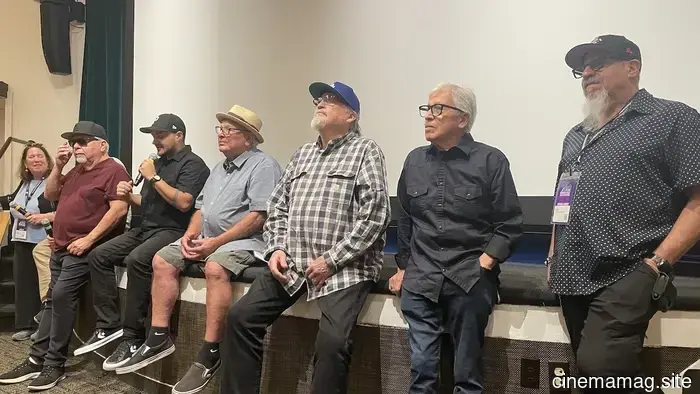 Los Lobos llega al Festival de Cine de Woods Hole para reflexionar sobre el pasado y el futuro con el documental 'Native Sons'.
Piero F. Giunti was in a meeting with Los Lobos when he unexpectedly exclaimed, "What would it require to create a documentary?"
Los Lobos llega al Festival de Cine de Woods Hole para reflexionar sobre el pasado y el futuro con el documental 'Native Sons'.
Piero F. Giunti was in a meeting with Los Lobos when he unexpectedly exclaimed, "What would it require to create a documentary?"
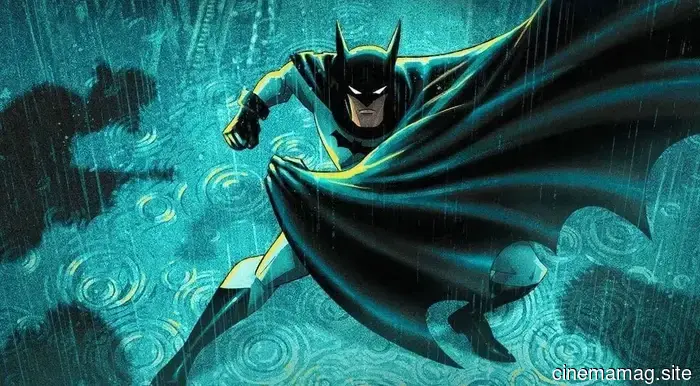 Prime Video Review – Batman: Caped Crusader Season 2
Ricky Church evaluates the second season of Batman: Caped Crusader… After a brief hiatus, Prime Video’s Batman: Caped Crusader is back with its second season, embracing a film-noir style...
Prime Video Review – Batman: Caped Crusader Season 2
Ricky Church evaluates the second season of Batman: Caped Crusader… After a brief hiatus, Prime Video’s Batman: Caped Crusader is back with its second season, embracing a film-noir style...
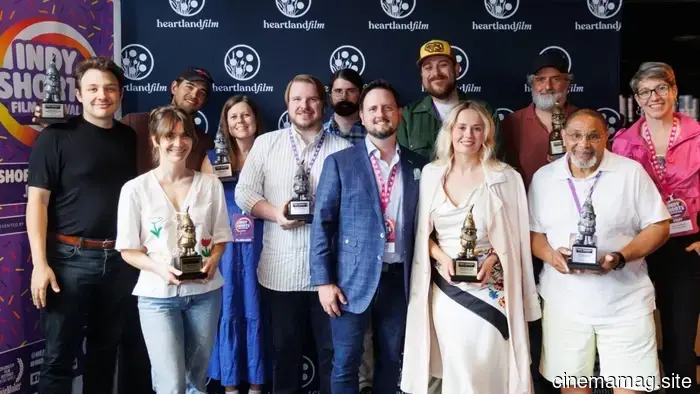 At Indy Shorts 2026, three films receive top honors and qualify for the Oscars.
Winners of Indy Shorts 2026 include "La barrière," "Stalin Boys," and "9 Million Colors."
At Indy Shorts 2026, three films receive top honors and qualify for the Oscars.
Winners of Indy Shorts 2026 include "La barrière," "Stalin Boys," and "9 Million Colors."
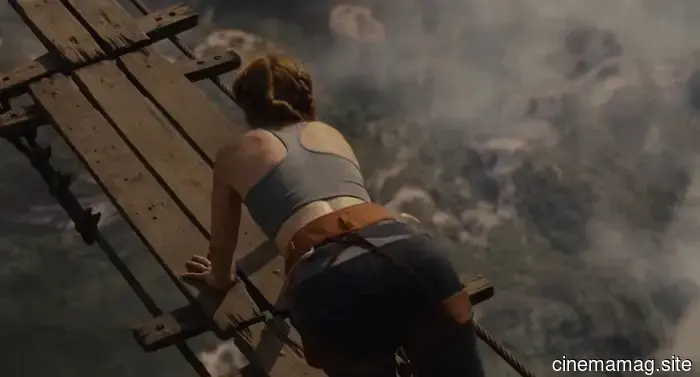 Fall 2: The Deadpoint trailer brings the action to the brink.
Lionsgate has unveiled another chilling trailer for their survival thriller sequel Fall 2: Deadpoint, featuring a mourning sister and her best friend at a height of 5,000 feet on the slopes of Mount Kwan…
Fall 2: The Deadpoint trailer brings the action to the brink.
Lionsgate has unveiled another chilling trailer for their survival thriller sequel Fall 2: Deadpoint, featuring a mourning sister and her best friend at a height of 5,000 feet on the slopes of Mount Kwan…
Fantasia Review: Black Zombie Delves into the Psychology, Spirituality, and Heritage of a Horror Classic
Beyond merely reclaiming the zombie theme from the instinctive backlash provoked by Night of the Living Dead, Maya Annik Bedward's Black Zombie serves to reclaim Vodou from the colonialist fear tactics that were employed to vilify Black individuals globally. In 2026, Haitians continue to be wary of acknowledging their link to the